Can Penguins Fly
The question of whether penguins can fly might seem straightforward, but the real story behind it is a masterclass in evolutionary adaptation. Instead of soaring through the air, these remarkable birds have developed incredible skills for a very different environment. Their unique biology showcases a fascinating trade-off in the natural world.
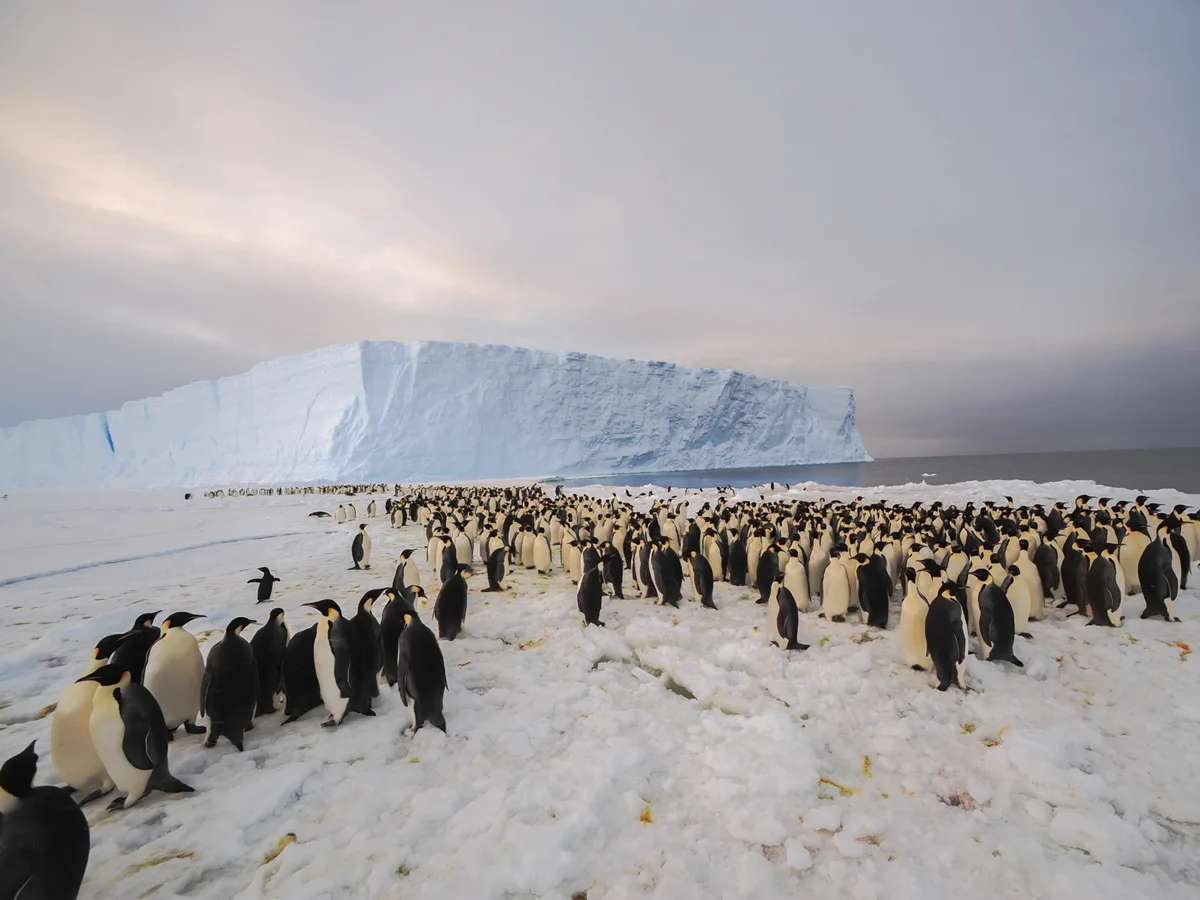
Image source: Bing (Web (fair-use with source credit))
As of 2026, our understanding points to a clear answer: penguins cannot fly. Their wings have evolved into powerful flippers, making them exceptional swimmers rather than aviators. This adaptation allows them to dive deep and chase prey with incredible efficiency underwater.
Quick Answer: No, Penguins Can't Fly. They're Built for the Sea.
Penguins absolutely cannot fly in the air. Their wings have evolved into powerful flippers, making them exceptional swimmers rather than aviators. This adaptation allows them to dive deep and chase prey with incredible efficiency underwater.
Core Explanation: Why Penguins Aren't Airborne
The fact that penguins don't fly is a direct result of evolutionary pressures and the principle of adaptation. Nature often presents a "you can't have it all" scenario, and for penguins, the advantages of becoming superior swimmers far outweighed the benefits of aerial flight. This led to a profound transformation in their physical form.
The Evolutionary Trade-Off: Skies vs. Seas
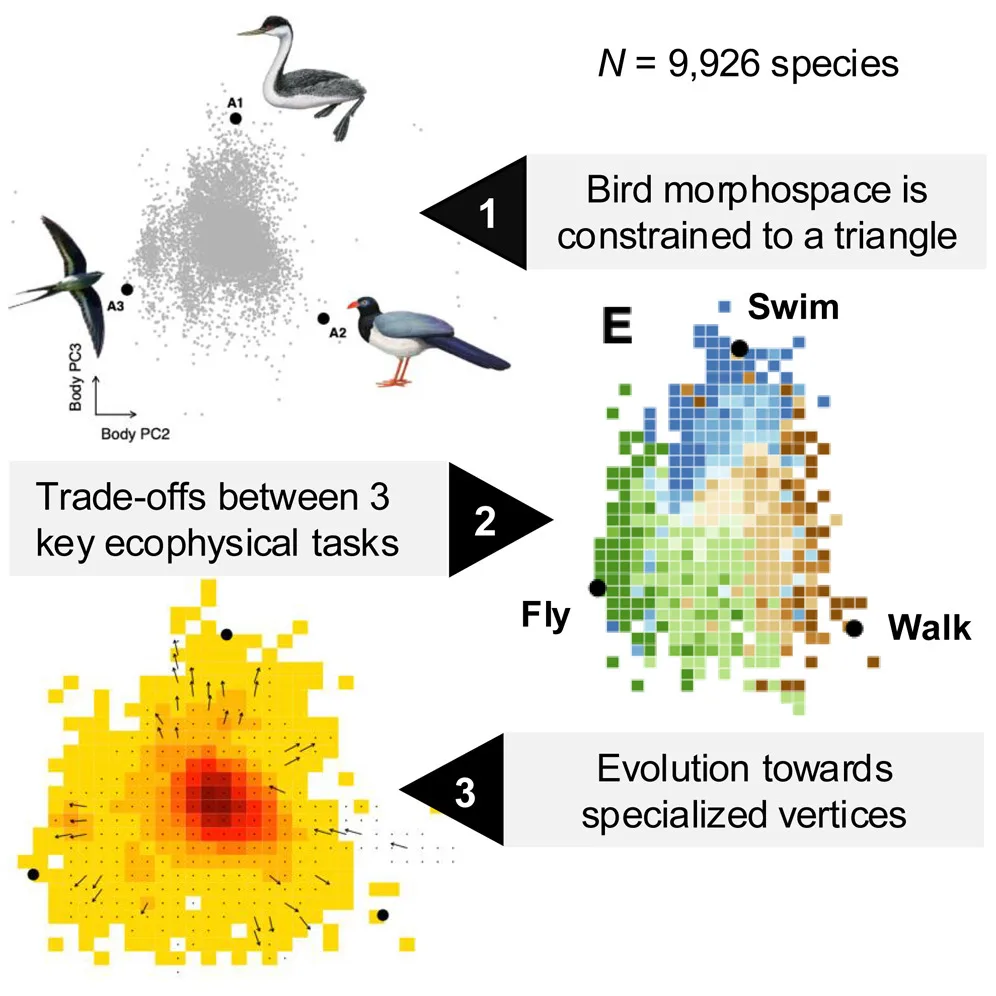
Image source: Bing (Web (fair-use with source credit))
Evolutionary biologists explain that animal traits develop based on what offers the greatest survival and reproductive advantage in a specific environment. For the ancestors of modern penguins, spending more time in the rich, food-filled oceans likely provided a more reliable source of sustenance and safety compared to aerial pursuits. This led to a gradual shift in their biological priorities.
Over millions of years, their bodies began to favor adaptations for aquatic life. This process isn't about a species "deciding" to stop flying; it's about natural selection favoring individuals with traits better suited for swimming and diving, which then became more common in the population. Per standards set by ornithological research bodies, this type of adaptive radiation is a common theme in avian evolution when species encounter new ecological niches.
Penguin Wings: Masters of the Water, Not the Air
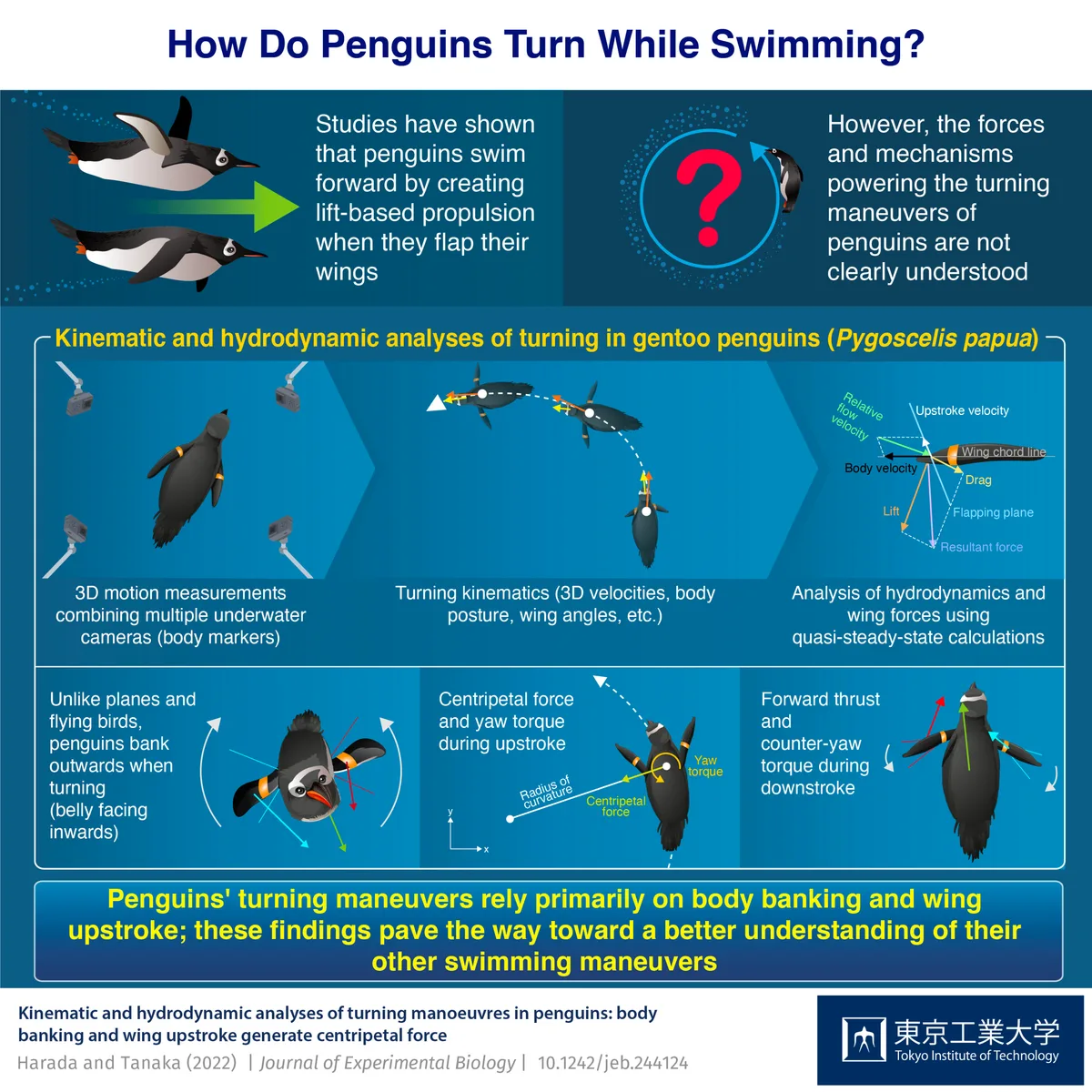
Image source: Bing (Web (fair-use with source credit))
You've probably seen pictures or videos of penguins. Notice their wings? They don't look like the broad, feathered wings of a gull or an eagle.
Instead, penguin wings are short, stiff, and paddle-like. They are dense and solid, built for propulsion through water, not for generating lift in the air. Think of them as highly effective hydrofoils.
Their structure allows penguins to "fly" underwater with remarkable speed and agility, reaching depths and speeds that would be impossible if they were still adapted for flight. This transformation means they trade the freedom of the skies for the efficiency of the deep.
Dense Bones: A Weighty Advantage for Diving
Most birds that fly have hollow bones. This design keeps them lightweight, which is crucial for getting off the ground and staying airborne. Penguin bones, however, are the opposite: they are dense and solid.
This might seem counterintuitive for an animal that "flies" in a different medium, but this added weight is a significant advantage for diving. It helps penguins overcome buoyancy, allowing them to submerge quickly and efficiently to hunt for fish and other prey in the ocean's depths. This characteristic is a clear indicator of their specialization for an aquatic lifestyle.
Comparing Penguins to Flying Birds
The differences between penguins and birds that can fly are stark, highlighting their divergent evolutionary paths. Flying birds, like the Arctic Tern (Sterna paradisaea), which undertakes incredible migrations, have lightweight, hollow bones and broad, flexible wings designed for aerial maneuverability and sustained flight. Their musculature is geared towards powerful wing beats that generate lift.
In contrast, penguins possess solid bones and their wings, or flippers, are flattened and rigid, optimized for a powerful, sculling motion through water. Their overall body shape is more torpedo-like, streamlined for reducing drag in the water. Aggregate data from ornithological studies show that while flying birds excel at covering vast distances in the air, penguins are masters of efficient underwater locomotion.
Benefits of Being a Flightless, Aquatic Athlete
Giving up the ability to fly might sound like a loss, but for penguins, it unlocked a world of opportunities and led to incredible biological advantages. Their specialization has made them some of the most successful marine predators on the planet.
Superior Swimming and Diving Prowess
Penguins are built for the water. Their flipper-like wings, combined with their dense bodies and streamlined shape, allow them to move with incredible speed and grace beneath the surface. Emperor Penguins (Aptenodytes forsteri), for example, can dive to depths exceeding 500 meters and stay submerged for over 20 minutes.
This capability is essential for evading predators and reaching the deep-water prey that less specialized marine animals cannot access. Their entire physiology is geared towards maximizing efficiency and maneuverability in this challenging environment.
Efficient Underwater Hunting
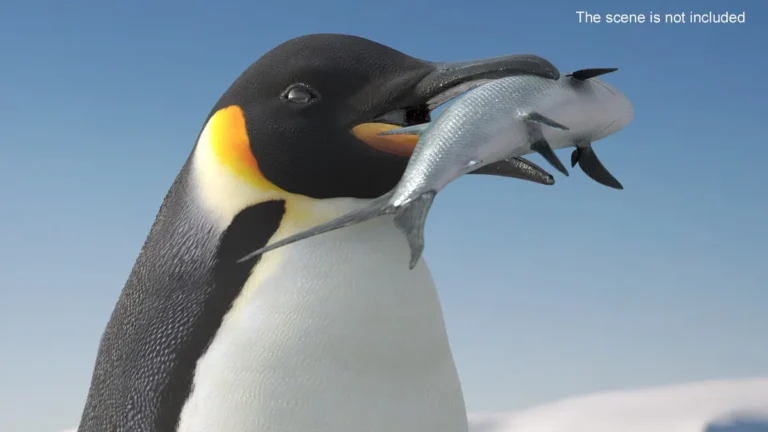
The adaptations that prevent penguins from flying are precisely what make them such effective hunters. Their flippers act like powerful oars, driving them through the water at speeds up to 20 mph for some species. Their eyesight is also adapted for underwater clarity, and they possess specialized skills for tracking and capturing fast-moving prey like fish, squid, and krill.
This efficiency means they can expend less energy to catch more food, a critical factor for survival, especially during breeding seasons or in colder climates.