Why Are Blue Jays Blue
Ever wondered how Blue Jays get that stunning, almost impossibly bright blue color? It's a question that pops up for many nature lovers, and the answer isn't quite as simple as a bird dipping itself in blue paint. The secret lies in some fascinating physics happening right on their feathers.
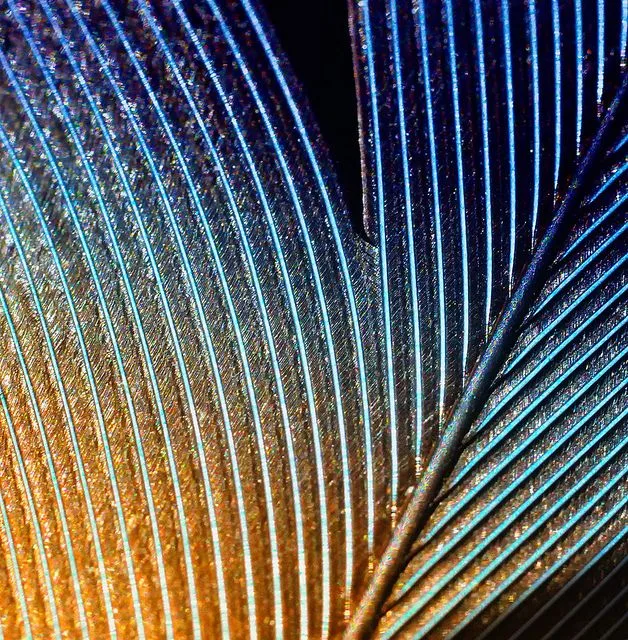
What you're seeing is a masterful display of structural coloration, a phenomenon where microscopic feather structures manipulate light to produce color. This is different from pigment-based color, where a substance absorbs certain wavelengths of light and reflects others. As of 2026, our understanding continues to solidify that this structural complexity is key to their vibrant appearance.
Quick Answer
Blue Jays are blue because of structural coloration in their feathers, not blue pigment. Microscopic feather structures scatter blue wavelengths of light. Melanin pigment creates their white and black markings.
The precise arrangement of feather barbules causes light to reflect blue hues.
Understanding Bird Color: Pigment vs. Structure
Most of us are used to thinking about color in terms of pigments, like the red in an apple or the green in grass. These colors come from chemical compounds that absorb certain light wavelengths and reflect others. In birds, pigments like melanins (which produce blacks, browns, and reds) and carotenoids (which produce yellows, oranges, and reds, often derived from diet) are common.
However, the brilliant blue of a Blue Jay, and many other birds like the Indigo Bunting or the Eastern Bluebird, isn't created this way. For these species, the color is a trick of the light, produced by the physical structure of their feathers. It's a testament to how nature uses physics to achieve spectacular visual effects.
How Light Bounces Off Feathers
When sunlight hits a surface, it can be absorbed, reflected, or scattered. In the case of Blue Jays, their feathers are specifically designed to scatter light in a particular way. The microscopic architecture within the feather causes shorter wavelengths of light, like blue, to be reflected and scattered back to our eyes more strongly than other colors.
This scattering phenomenon is what gives the bird its characteristic hue.
The Role of Feather Barbules in Color
The magic happens within the intricate structure of a Blue Jay's feathers. Each feather is made up of a central shaft from which barbs extend. From these barbs sprout even finer structures called barbules, which are like tiny branches.
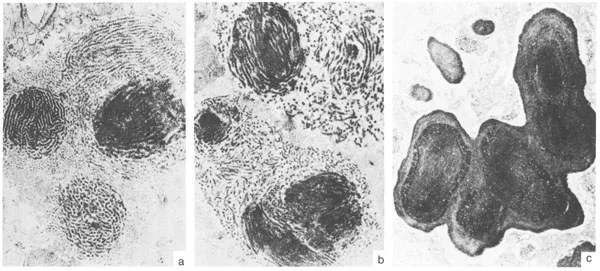
These barbules are not smooth; they have nanoscale ridges and lamellae (thin plates). It's the precise spacing and arrangement of these barbules that interact with light waves, causing specific wavelengths to be reflected and scattered. This creates the vibrant blue we see.
Melanin: The Pigment Behind Whites and Blacks
While blue is structural, the other colors you see on a Blue Jay, the crisp whites on its head, throat, and wings, and the bold black markings on its crest, neck, and wing bars, are due to melanin. Melanin is a dark pigment common in animal tissues, responsible for shades of black, brown, and some reddish-browns. In the Blue Jay, melanin absorbs most wavelengths of light, resulting in these distinct dark and light areas that provide a striking contrast to its blue plumage.
The Dynamic Nature of Structural Color
Because structural coloration relies on how light interacts with physical structures, the perceived color can change slightly depending on the viewing angle and the light conditions. While a Blue Jay's blue is quite stable compared to some iridescent feathers, you might notice subtle shifts in its intensity or hue. This isn't an illusion; it's the physics of light scattering at play, demonstrating that bird colors are often more complex than a simple, flat shade.
Seeing the Blue Jay's True Colors: What You're Actually Observing
When you look at a Blue Jay, you're witnessing a sophisticated optical phenomenon. The intense blue isn't a color dye soaked into the feather; rather, it's a result of how light waves are manipulated by the feather's physical form. This is a key distinction that helps explain why the blue can appear so brilliant and sometimes even slightly iridescent.
The Dynamic Nature of Structural Color
Because structural coloration relies on how light interacts with physical structures, the perceived color can change slightly depending on the viewing angle and the light conditions. While a Blue Jay's blue is quite stable compared to some iridescent feathers, you might notice subtle shifts in its intensity or hue. This isn't an illusion; it's the physics of light scattering at play, demonstrating that bird colors are often more complex than a simple, flat shade.
Why Blue Jays Appear Brighter in Sunlight
The vibrancy of a Blue Jay's blue is most apparent in direct sunlight. This is because the brighter the light source, the more photons are available to be scattered by the feather's structures. In low light or shade, the blue may appear more muted, as there are fewer light waves to interact with the barbules.
This dependence on ambient light is a hallmark of structural colors, differentiating them clearly from pigmentary colors that tend to look more consistent regardless of lighting.
Common Misconceptions About Bird Coloration
It's easy to assume that if a bird is blue, it must have blue pigment in its feathers, much like how we use blue ink or paint. This intuitive leap leads to a common misunderstanding about the source of avian coloration. Many birds display vibrant colors, and while some are indeed pigment-based, a significant number achieve their most striking hues through structural means.
The Myth of Blue Pigment in Feathers
In reality, true blue pigment is extremely rare in birds. If a Blue Jay had blue pigment, its color would likely appear much flatter and less brilliant, similar to how pigment colors behave in other animals or objects. The dazzling, almost luminous quality of a Blue Jay's blue is a strong indicator that it's not pigment-based.
This structural coloration is a more efficient and often brighter way to produce certain colors.
What Happens When a Blue Jay is Sick or Stressed
When a bird is unhealthy or under significant stress, its ability to maintain vibrant feather color can be compromised. For birds that rely on pigments derived from their diet, like carotenoids, poor nutrition can lead to duller yellows or oranges. While structural colors are less directly affected by diet, severe illness can impact feather quality, potentially altering how light scatters and thus affecting the perceived brightness and hue of the blue.
However, the fundamental mechanism of structural coloration remains.
Blue Jays as a Window into Avian Biology
Studying the coloration of Blue Jays offers a fascinating glimpse into the broader field of avian biology and the evolutionary pressures that shape bird appearance. The development of structural coloration is an elegant solution to producing bright, noticeable colors, which can play crucial roles in species recognition, mate attraction, and predator deterrence. It highlights how physical adaptations can be just as important as biochemical ones in the natural world.
Why Bright Colors Matter for Birds
Bright coloration, whether structural or pigment-based, serves several vital functions for birds. It's crucial for telling individuals of the same species apart, especially in mixed flocks or across varying habitats. For many species, vibrant plumage is also a key factor in mate selection, with brighter birds often signaling better health or genetic fitness.
Additionally, certain color patterns can help birds blend into their environment (camouflage) or, conversely, act as a warning signal to potential predators.
Evolution of Feather Coloration
Over millions of years, birds have evolved a diverse array of strategies for producing color in their feathers. This includes developing specialized pigments like melanins and carotenoids, as well as perfecting the intricate microscopic structures that manipulate light. The specific color patterns and types seen in different species are the result of natural selection, favoring traits that enhance survival and reproduction within their particular ecological niches.
The Blue Jay's combination of structural blue and pigmentary white/black is a prime example of this evolutionary fine-tuning.
FAQs About Blue Jay Colors
How do Blue Jays get their blue color?
Blue Jays get their blue color from structural coloration. Microscopic structures within their feather barbules scatter blue wavelengths of light, making the feathers appear blue. This is a physical interaction with light, not a pigment.
Are there blue pigments in Blue Jay feathers?
No, research indicates there are no true blue pigments in Blue Jay feathers. The blue coloration is produced by the physical structure of the feathers themselves, which scatters light.
Can you see the difference between structural and pigment colors in birds?
Yes, structural colors often appear more brilliant and can exhibit iridescence, changing hue with viewing angle. Pigment colors are typically more uniform and less dependent on light angle.
Why do Blue Jays have white and black on their feathers too?
The white and black markings on Blue Jays are due to melanin, a common pigment. Melanin absorbs light, creating these darker or lighter areas that contrast with the structural blue.