Can House Sparrows Eat Bread
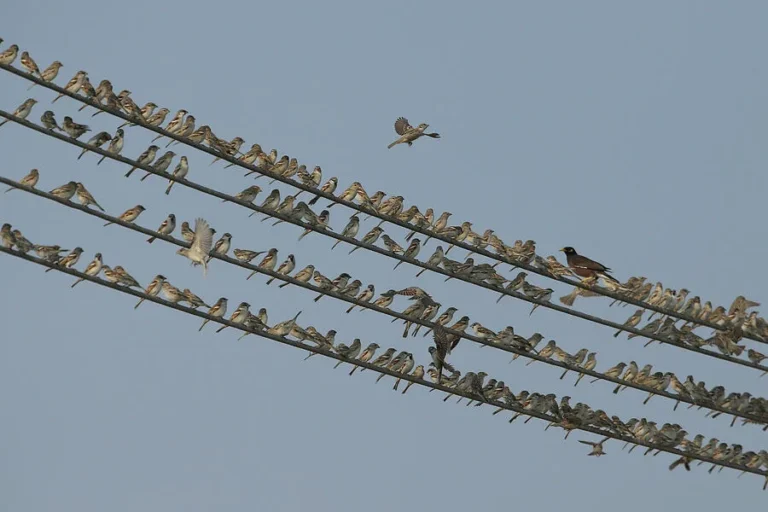
When you've got a few leftover crumbs and see little house sparrows pecking around your garden, the impulse to share is strong. It feels like a simple act of kindness. However, when it comes to feeding bread to these common birds, the reality is a bit more complex than just tossing them a treat.
Our research indicates that while house sparrows can ingest bread, it's far from an ideal food source and can pose significant health risks if offered regularly. For context, according to general avian nutritional guidelines, a balanced bird diet should consist of roughly 15-30% protein and a variety of essential vitamins and minerals, which bread severely lacks.
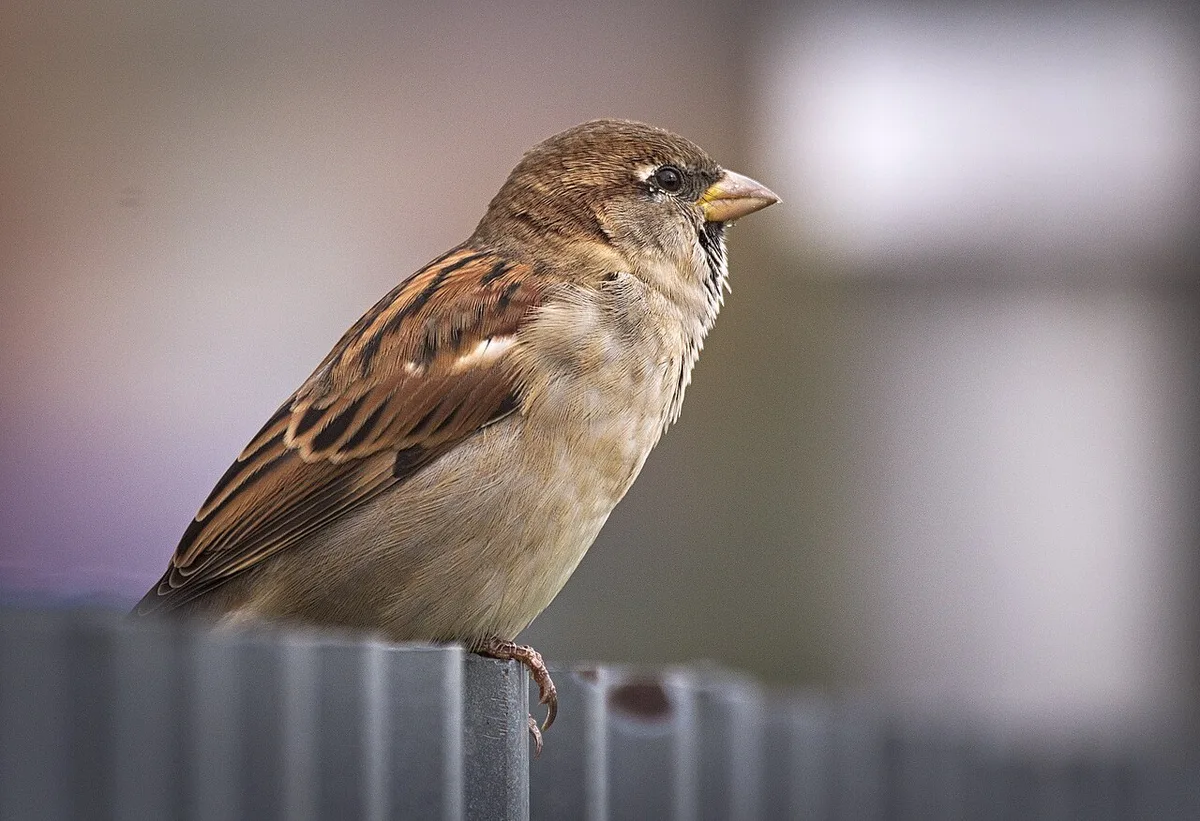
Image source: Wikimedia Commons / hedera.baltica from Wrocław, Poland (CC BY-SA)
Quick Answer: Yes, But It's Not a Good Idea
House sparrows can physically eat bread, but it provides very little nutritional value. Offering bread regularly can lead to serious health problems like "angel wing" and digestive issues due to its high carbohydrate content and lack of essential nutrients. It's best avoided as a primary food source.
Why Bread Isn't Ideal for Bird Health
Feeding birds, especially common ones like house sparrows, is a common desire, but not all food we have readily available is good for them. Bread, particularly refined white bread, is high in carbohydrates and offers almost no essential nutrients birds need to thrive. Think of it as the avian equivalent of eating only sugar cookies all day, it fills you up but doesn't make you healthy.
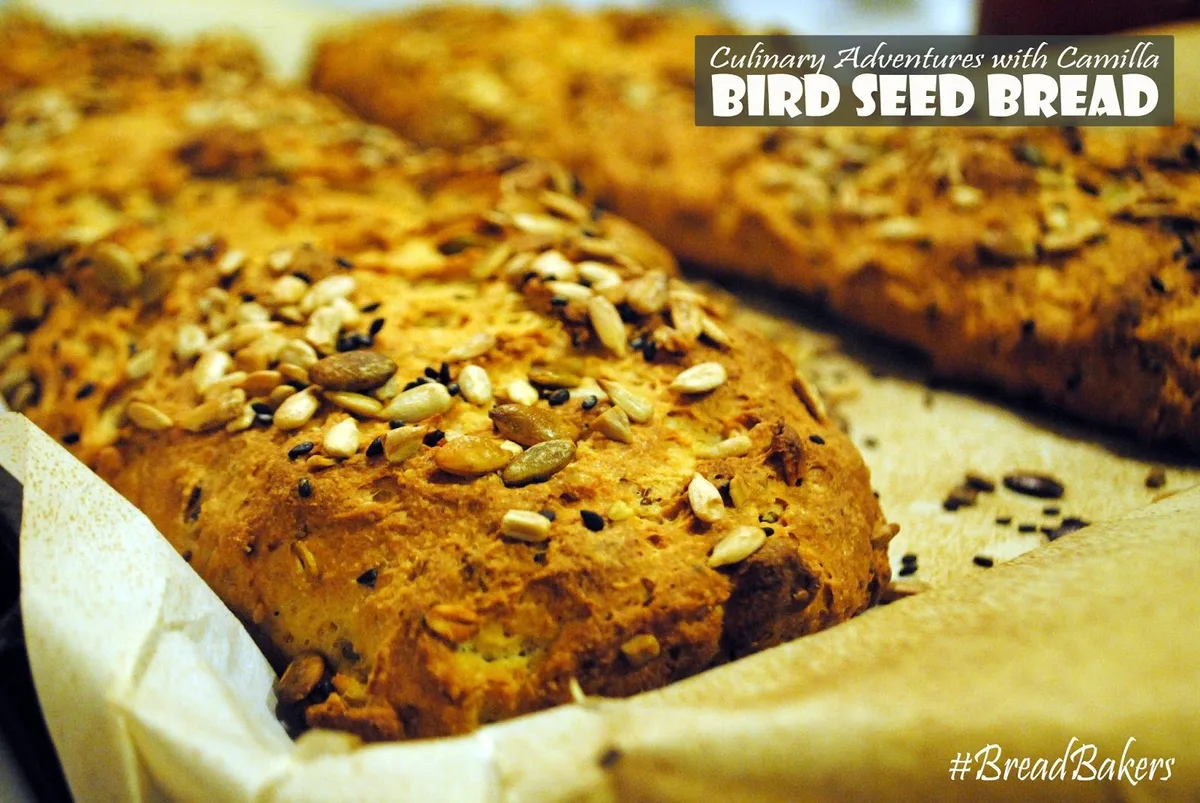
Image source: Bing (Web (fair-use with source credit))
Low Nutritional Value & Filling Up Birds
Bread, especially the white, processed kind, is largely empty calories for birds. It’s packed with refined carbohydrates that give them a quick burst of energy but lack the crucial proteins, vitamins, and minerals necessary for proper growth, feather development, and immune function. When a sparrow fills its small stomach with bread, it misses out on more nutritious food sources like seeds, insects, and berries that are vital for its well-being.
This can lead to malnutrition over time, even if the bird appears well-fed.
The Risk of "Angel Wing" and Other Development Issues
One of the most concerning health risks associated with feeding birds a diet high in carbohydrates and low in protein is a condition known as "angel wing." This is a deformity where the furthest part of the wing, the outermost flight feathers, bends outward and backward instead of lying flat. It's thought to occur when the wing grows too quickly due to an imbalanced diet, particularly in young, developing birds.
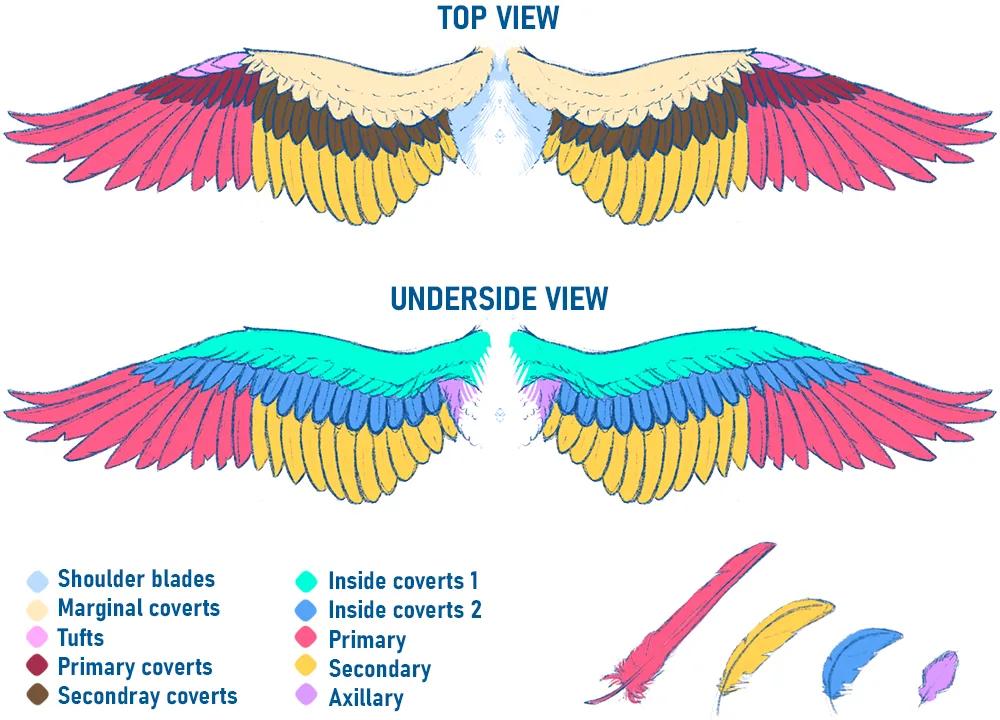
Image source: Web (Bing) / ar.inspiredpencil.com (Web image (fair-use with source credit))
This condition can severely impair a bird's ability to fly, making it vulnerable to predators and unable to migrate or forage effectively. While not solely caused by bread, diets lacking essential nutrients like protein and specific vitamins are strongly linked to its development. Other digestive issues, like upset stomachs or impacted crops, can also arise from feeding birds foods they aren't equipped to handle efficiently.
How to Tell if Bread is Safe (Spoiler: It Rarely Is)
When considering offering bread to birds, it's crucial to understand that "safe" is a relative term, and for most bread, the answer leans heavily towards "not safe." The very composition of bread makes it a poor choice. Even options that might seem healthier, like whole-grain bread, still fall short of providing the balanced nutrition birds require.
Freshness Matters, But Not Enough
The primary concern with stale bread is mold. Mold spores can be highly toxic to birds, causing respiratory problems and internal damage. If you have bread that's even slightly past its prime, it's best to avoid feeding it to birds altogether, as you can't always tell if mold is present, and what looks okay to us might be harmful to them.
Proper storage and ensuring food is fresh are key for any bird feeding, but with bread, the underlying nutritional issues remain even if it's fresh.
Types of Bread and Their Impact
Different types of bread vary in their nutritional profiles, but none are ideal.
- White Bread: This is the worst offender, offering minimal nutritional value. It's mostly refined flour, providing empty calories and a high glycemic load.
- Whole Wheat Bread: Slightly better due to fiber content, but still very low in protein and essential vitamins.
- Sourdough: The fermentation process in sourdough might make it slightly more digestible for some animals, but it doesn't significantly boost the nutrient profile for birds.
- Bread with Seeds/Grains: While these additions offer some extra nutrients, the base of the bread is still problematic.
Ultimately, even the "better" bread options don't come close to the nutritional density of natural bird foods or specialized birdseed mixes.
Better Choices: What Birds Actually Need
If you're looking to provide food for house sparrows and other backyard birds, focusing on nutrient-rich options is key. These foods mimic what birds would find in their natural environment and support their overall health, energy levels, and ability to reproduce. Providing the right kind of food can significantly contribute to their survival, especially during harsh weather conditions.
Top Nutrient-Rich Foods for Sparrows
For house sparrows, a diet rich in seeds and grains is ideal. These provide the carbohydrates they need for energy, along with essential fats and proteins.
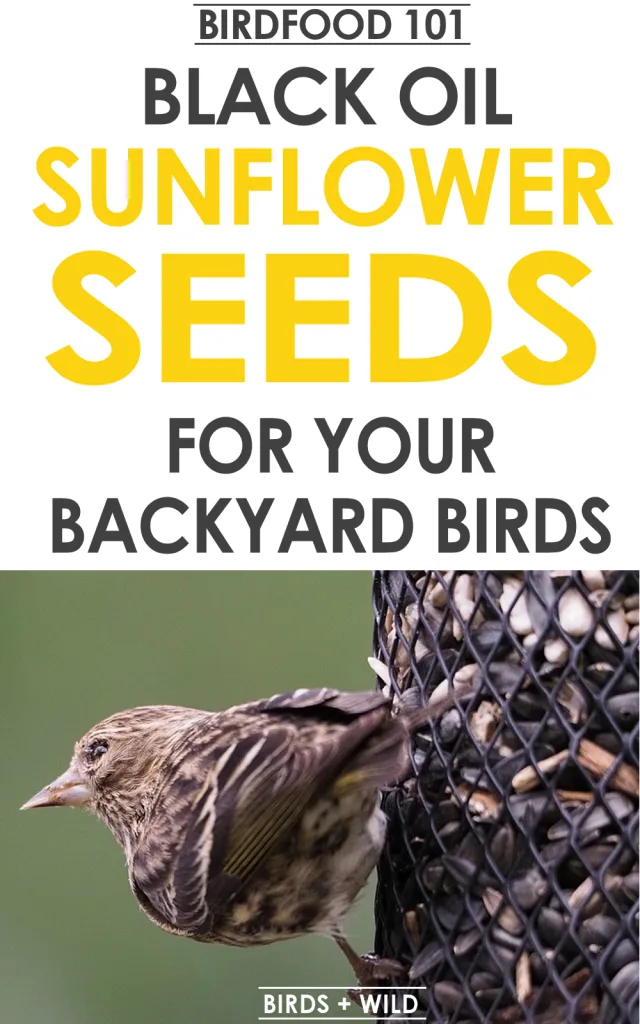
- Black Oil Sunflower Seeds: A universal favorite, packed with fat and protein.
- Millet: Small seeds that are easy for sparrows to handle.
- Cracked Corn: A good energy source, especially in winter.
- Nyjer (Thistle) Seed: While smaller birds love it, sparrows also benefit from its nutritional content.
Beyond seeds, incorporating insect-based foods is also beneficial. Many birds, including sparrows, actively forage for insects in the wild. Offering dried mealworms, available at most pet supply or garden stores, provides a concentrated source of protein and is a highly sought-after treat.
Safe Treats vs. Staple Diets
When we talk about "feeding" birds, it’s important to distinguish between providing a staple diet and offering occasional treats. Staple foods should always be nutritious and balanced, like high-quality birdseed mixes or suet. Treats, on the other hand, are items offered very sparingly.
While a tiny, unseasoned piece of fruit or a single dried berry might be considered a treat, bread, even in small amounts, carries too many risks to be classified as such. It's best to reserve treats for genuinely beneficial, low-risk items that offer some nutritional upside or are naturally occurring.
The Decision Guide: Should You Feed Sparrows Bread?
Deciding whether to offer bread to house sparrows involves weighing the potential downsides against any perceived benefits. Our analysis of avian nutrition and health risks suggests that for the vast majority of situations, the answer is a clear "no." The risks simply outweigh the convenience or the well-intentioned desire to feed them.
When a Tiny Crumb Might Be Okay
In extremely rare, isolated circumstances, a single, minuscule crumb of plain white or whole wheat bread might not cause immediate harm to an adult house sparrow, especially if it’s a one-off event and they have ample access to their natural, nutritious food sources. Think of it as a single, accidental dropped crumb rather than a deliberate offering. However, even this minimal exposure carries a small risk and is not recommended as a regular practice.
It’s difficult to control the portion size effectively when scattering bread, and even a small amount can still contribute to an imbalanced diet if repeated.
When to Absolutely Avoid Feeding Bread
You should absolutely avoid feeding bread to house sparrows in several key scenarios:
- Feeding Young Birds: Chicks and fledglings are highly susceptible to nutritional deficiencies and developmental problems like angel wing.
- Large Quantities: Never scatter large amounts of bread. This encourages flocking, disease spread, and attracts pests.
- Stale or Moldy Bread: This is dangerous and can be toxic.
- As a Primary Food Source: If you intend to regularly feed birds, use proper birdseed or suet. Bread should never be the main component of their diet.
- During Molting or Breeding Seasons: Birds have higher nutritional demands during these times, making an imbalanced diet even more detrimental.
Common Mistakes to Avoid When Feeding Birds
When people try to help birds, especially common species like house sparrows, they sometimes make mistakes that can inadvertently cause harm. Understanding these common pitfalls can help ensure your efforts are truly beneficial.
- Overfeeding or Using Inappropriate Food: Scattering too much food, especially nutrient-poor items like bread, can lead to over-reliance, competition, and health issues. Birds can become dependent on handouts, neglecting natural foraging.
- Contaminated Feeders: Dirty feeders can harbor bacteria and mold, spreading disease among birds. Regular cleaning with a mild bleach solution and thorough rinsing is essential.
- Placing Feeders Too Close to Windows: This is a major cause of bird strikes. Birds don't always perceive glass as a barrier.
- Ignoring Natural Habitat Needs: Feeding is only one part of helping birds; providing safe nesting sites, water sources, and suitable landscaping is equally important.
- Feeding Bread or Processed Human Foods: As we've discussed, these items lack the necessary nutrients and can lead to serious health problems for birds.
Frequently Asked Questions About Bird Feeding
Can house sparrows eat white bread?
While house sparrows can physically eat white bread, it's very low in nutritional value and high in refined carbohydrates. It offers little to no essential vitamins, minerals, or protein, and can contribute to health problems like "angel wing" if fed regularly.
Is it okay to feed birds breadcrumbs?
Feeding birds breadcrumbs is generally not recommended. They are essentially the same as bread, offering poor nutrition and the same associated health risks. It's better to offer specialized birdseed mixes or natural food sources.
How often can I feed house sparrows?
You should avoid feeding house sparrows bread regularly. If you offer any bread at all, it should be a very rare, minuscule amount as an accidental crumb, rather than a deliberate offering. For consistent feeding, use appropriate birdseed.
What is the best food for house sparrows?
The best food for house sparrows consists of a mix of seeds, grains, and insects. High-quality wild bird seed mixes containing black oil sunflower seeds, millet, and cracked corn are excellent staples. Dried mealworms are also a highly nutritious supplement.
Can feeding bread harm baby birds?
Yes, feeding bread can be particularly harmful to baby birds. Their developing bodies require a precise balance of nutrients for proper growth, and diets high in carbohydrates and low in protein can lead to developmental deformities like "angel wing."