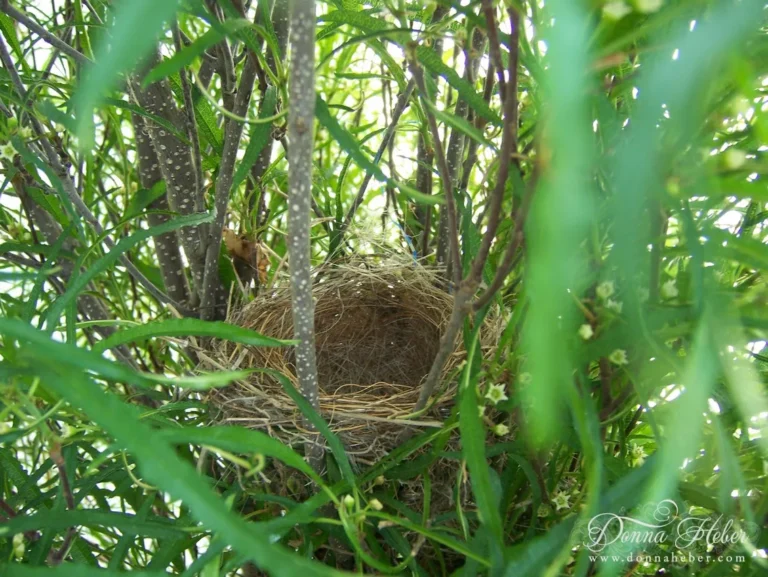
Can Robins Eat Worms
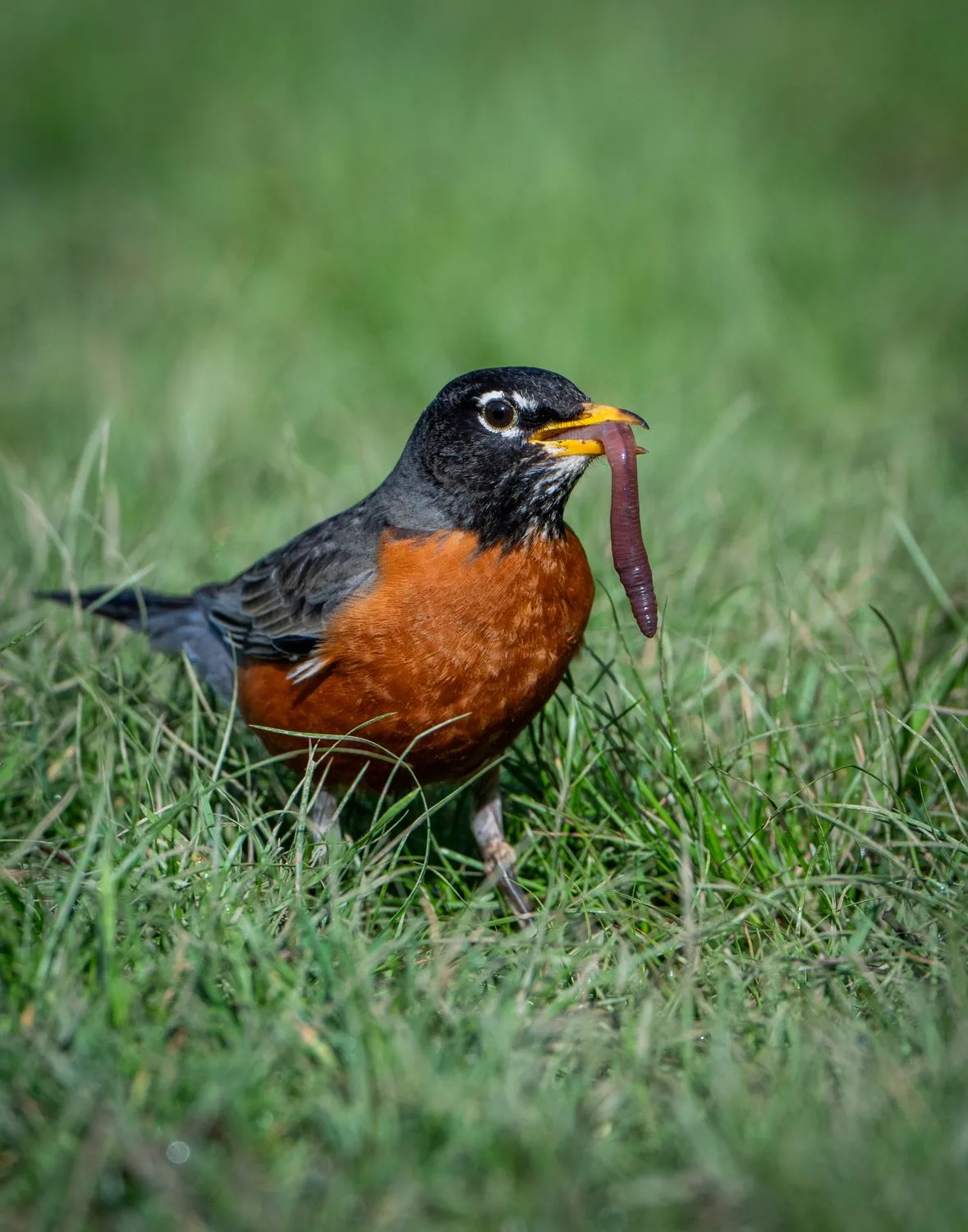
Robins are common garden visitors, and many people wonder what they eat. A frequent question that pops up is: can robins eat worms? You've probably seen them pulling these wriggling invertebrates from the soil.
Our research confirms that worms are a significant part of a robin's diet. In fact, a robin can consume up to 14 feet of earthworms in a single day, a remarkable feat for such a small bird.
Quick Answer
Yes, robins absolutely eat worms. Earthworms are a primary food source for robins, providing essential protein and nutrients. As long as the worms are from soil free of pesticides, they are perfectly safe and beneficial for robins.
Robins actively hunt for worms by listening to their movements underground.
Why Worms Are a Robin's Best Friend
Worms aren't just a casual snack for robins; they're a cornerstone of their diet, especially during crucial times like the breeding season. Think of them as the bird equivalent of a power smoothie, packed with everything a growing bird needs.
Nutritional Powerhouse for Robins
Worms, particularly earthworms, are incredibly nutrient-dense. They’re rich in protein, which is vital for muscle development and energy. Beyond protein, they offer fats, minerals like calcium and phosphorus, and other essential micronutrients.
For a robin, especially a female laying eggs or a parent feeding a nest full of hungry chicks, this readily available nutrition is paramount. Research from ornithological studies indicates that the high protein content in earthworms can significantly support the growth rates of young robins, helping them fledge more successfully.
How Robins Find Their Worms
Robins have developed some pretty sophisticated hunting techniques to locate their preferred meal. They don't just randomly stab at the ground; they’re strategic. Their primary method involves using their keen senses to detect worms just beneath the surface.
They'll often stand still in grassy areas, tilting their heads to one side. This isn't just for show; they are actively listening for the subtle rustling and movement of earthworms burrowing through the soil. Once a worm is detected, the robin will typically make a quick, decisive lunge and pull.
Are ALL Worms Safe for Robins?
While the answer to "can robins eat worms" is a resounding yes, it’s crucial to understand that not all worms are created equal in terms of safety for birds. The environment where the worms live plays a massive role in their suitability as a food source.
The Best Worms for Robins
The natural inhabitants of healthy soil, such as common earthworms (like Lumbricus terrestris or red wigglers), are the ideal food for robins. These earthworms are found in uncultivated areas, established gardens, and lawns that haven't been chemically treated. They are a natural and readily available food source that robins have evolved to consume.
These earthworms are also a key part of soil health, aerating the ground and breaking down organic matter.
Dangers of Treated Soil
The biggest risk comes when worms ingest toxins from treated soil. If a garden or lawn has been treated with pesticides, herbicides, or other chemical fertilizers, these substances can be absorbed by the earthworms. When a robin eats these contaminated worms, it ingests the toxins as well.
This can lead to a range of health problems for the bird, from mild digestive upset to severe poisoning, and can even be fatal. According to the Environmental Protection Agency (EPA), pesticide runoff can contaminate soil and water sources, posing risks to wildlife. Therefore, it's vital to know your soil's history before assuming all worms are safe.

How to Encourage Robins to Find Worms Safely
Creating a robin-friendly habitat means focusing on providing a safe and abundant source of their natural food. The key is to promote a healthy ecosystem in your yard that naturally supports a robust earthworm population.
Organic Gardening for Worms
The most effective way to ensure robins have safe worms to eat is by adopting organic gardening practices. This means avoiding synthetic pesticides, herbicides, and fertilizers. Instead, rely on natural methods for pest control and soil enrichment.
Composting is excellent for this, as it provides worms with a rich food source and creates nutrient-dense soil without chemicals. When soil is healthy and teeming with beneficial microbes, earthworms thrive. As of 2026, many local horticultural societies are recommending organic methods for home gardens to protect pollinators and songbirds alike.
Creating a Robin-Friendly Yard
To make your yard a haven for robins and their wormy meals, consider a few simple steps. Leave some areas of your lawn a bit longer, and don't be too zealous about raking up fallen leaves in the autumn. Earthworms love the damp, decaying organic matter found in leaf litter and mulch.
Providing a consistent, shallow water source, like a bird bath, can also attract robins, and they are more likely to forage for worms on damp soil, which often occurs naturally after rain or when you lightly water your lawn in the morning.
Common Mistakes When Feeding Robins Worms
While you can't directly "feed" worms to robins in the way you might put out seed, there are common missteps people make that can inadvertently harm them. The most significant mistake is assuming all worms found in any garden are safe. If your lawn or yard has been treated with chemical pesticides, the earthworms living there will have absorbed these toxins.
A robin eating these contaminated worms can suffer serious health consequences, including neurological damage or death. Another less common error is over-reliance on artificial "worm" substitutes, like certain types of dried mealworms, which may lack the balanced nutrition of natural earthworms and can be high in fat if fed exclusively.
Frequently Asked Questions About Robins and Worms
Can I feed robins mealworms?
While robins can eat mealworms, they are not a natural part of their diet and should be offered sparingly as a treat, not a primary food source. Mealworms are often high in fat, and an unbalanced diet can be detrimental. It's best to focus on creating a healthy garden environment that naturally attracts earthworms.
When do robins eat the most worms?
Robins tend to eat the most worms during their breeding season, which typically runs from spring through summer. They need a high-protein diet to fuel their own energy needs and to feed their young chicks. Worms are often more accessible after rain or in the early morning when the soil is damp.
What other foods do robins eat?
Besides worms, robins also consume a variety of fruits, berries, insects, and occasionally small amounts of seeds. Their diet shifts seasonally; they often rely more heavily on fruits and berries in the fall and winter when earthworms are less available.