What Do African Grey Parrots Eat
So, what do African grey parrots eat? It's a question that pops up for anyone caring for these incredibly intelligent and engaging birds. Getting their diet right is crucial for their health, happiness, and longevity.
It's not as simple as just dumping a bowl of seeds; their nutritional needs are quite specific.
Our research, drawing from veterinary guidelines and avian nutrition studies, highlights that a balanced diet provides essential vitamins, minerals, and proteins that support everything from feather health to cognitive function. As of 2026, expert consensus indicates that formulated pellets should form the primary base of their meals, supplemented by a variety of fresh foods. We'll break down exactly what that means for you and your feathered companion.
Quick Answer
African grey parrots primarily eat a diet of high-quality, species-appropriate formulated pellets. These should make up about 75-80% of their food intake. The rest should be a varied mix of fresh vegetables, fruits in moderation, and cooked grains or legumes.
Avoid toxic foods like avocado, chocolate, and onions.
The Foundation: Why Balanced Nutrition is Non-Negotiable
For any pet owner, understanding their animal's nutritional needs is paramount, and for African Grey parrots, this is especially true. These birds are known for their intelligence and social complexity, and their physical well-being is directly tied to what they consume. Think of their diet as the fuel that powers their vibrant minds and bodies.
Core Explanation: Understanding Avian Diet Needs
The fundamental principle of avian nutrition, particularly for species like the African Grey, is balance. Unlike many wild birds that might subsist on a narrower range of available items, captive parrots benefit enormously from a diet carefully constructed to provide all necessary nutrients without excess of others. Manufacturer specifications for leading pellet brands, for instance, often detail formulations that meet established avian nutritional standards to prevent common deficiencies and health issues.
These standards emphasize a broad spectrum of vitamins (A, D, E, K, B vitamins), minerals (calcium, phosphorus, iodine), and essential fatty acids, which are vital for immune function, bone health, and feather development.
Problem: The Risks of an Imbalanced Diet
When an African Grey's diet is out of whack, the consequences can range from mild inconvenience to serious health problems. A diet too heavy in seeds, for example, often leads to a deficiency in essential vitamins and can cause obesity. This imbalance is a primary contributor to conditions like feather plucking, where a bird may start to self-mutilate due to underlying nutritional or psychological distress.
Conversely, an improperly balanced diet can also lead to organ damage and a shortened lifespan.
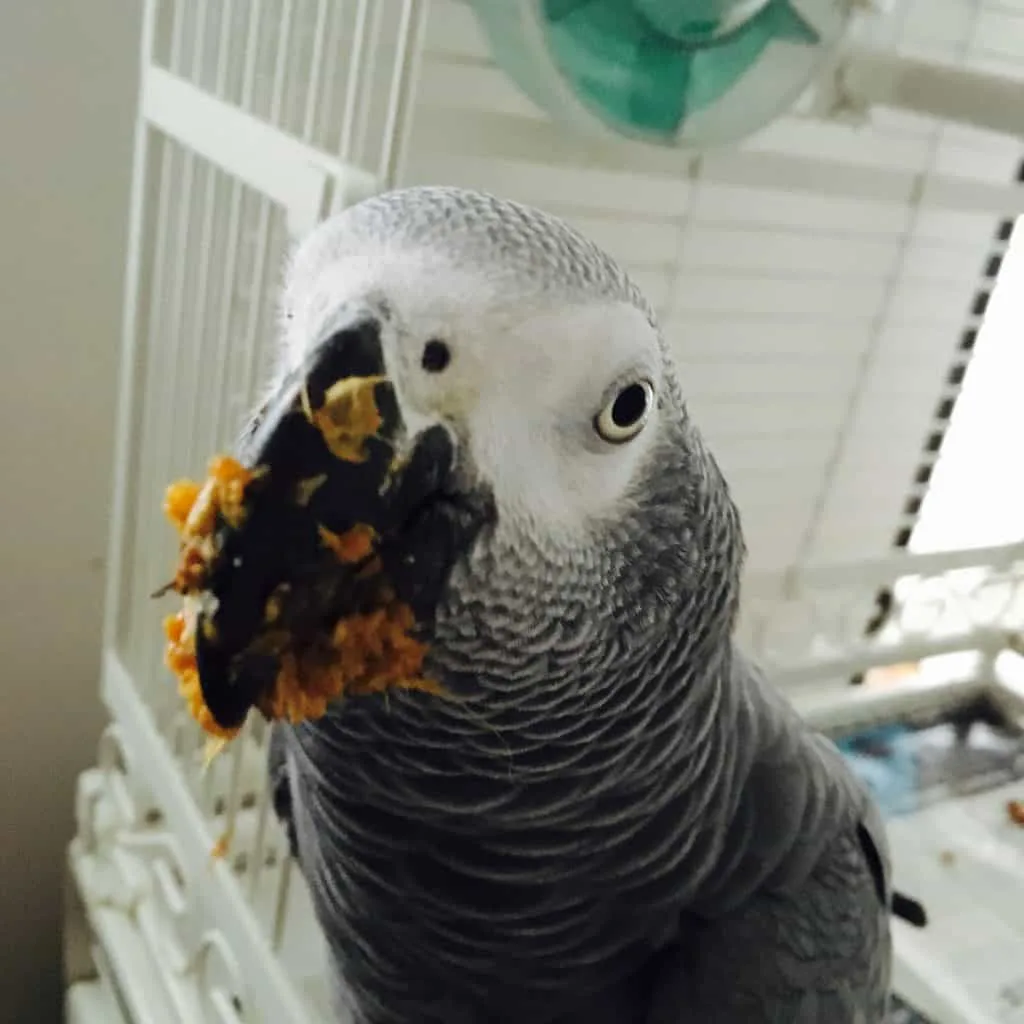
Image source: Web (Bing) / birdybirdybirdy.com (Web image (fair-use with source credit))
Building the Best Diet: Pellets as the Cornerstone
If you're looking at building the ideal diet for your African Grey, formulated pellets are your non-negotiable starting point. They aren't just a convenient filler; they are engineered to provide a nutritionally complete foundation. This is where most of their daily caloric and nutrient intake should come from.
Features: What Makes a Quality Pellet
Not all pellets are created equal, and selecting a high-quality brand is critical. The best pellets will have a uniform composition, meaning each pellet contains the same mix of nutrients. This prevents "selective feeding," where a parrot might try to pick out specific ingredients.
Look for pellets that are sized appropriately for your bird to handle easily.
Core Explanation: The Role of Formulated Pellets
Formulated pellets are designed to mirror the balanced nutritional profile that a parrot might encounter in its natural environment, but in a stable, accessible form. This means they contain a precise blend of proteins, carbohydrates, fats, vitamins, and minerals. According to standards outlined by avian nutrition experts, a diet comprising 75-80% high-quality pellets helps ensure that your parrot receives consistent, adequate levels of key nutrients like calcium and Vitamin A, which are often lacking in seed-heavy diets.
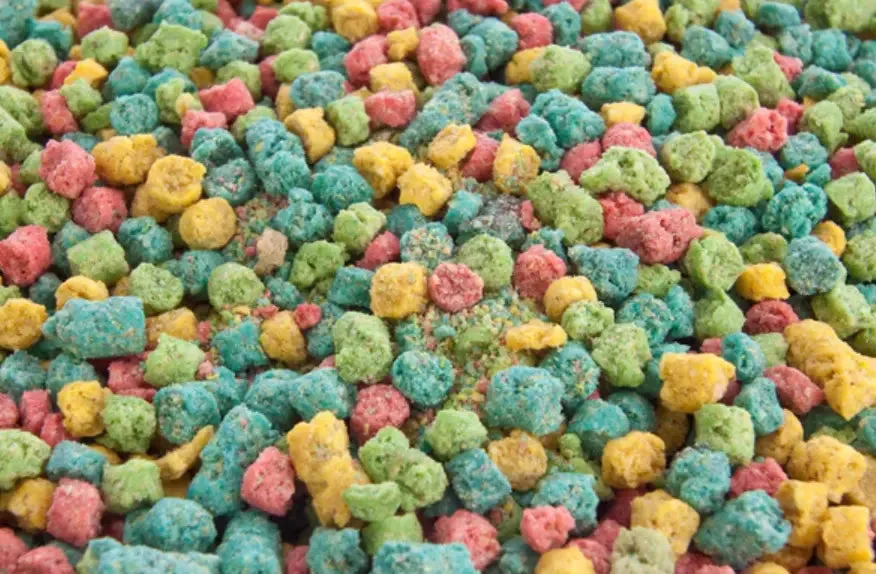
Image source: Bing (Web (fair-use with source credit))
Fresh Foods: The Essential Companions to Pellets
While pellets are the bedrock, they shouldn't be the entire meal. Fresh foods add variety, critical micronutrients, hydration, and importantly, mental stimulation for your African Grey. Offering a diverse range of fresh items mimics the foraging behaviors they'd engage in naturally, keeping them both physically and mentally engaged.
Core Explanation: Fruits, Veggies, and Grains
The ideal fresh food component of an African Grey's diet is a colorful medley of vegetables, a moderate amount of fruits, and some cooked whole grains or legumes. Dark leafy greens like kale and romaine lettuce, along with vegetables such as broccoli, carrots, and bell peppers, offer essential vitamins and fiber. Fruits like berries, apples (seeds removed!), and mangoes provide vitamins but should be offered in smaller quantities due to their sugar content.
Cooked quinoa, brown rice, and lentils are excellent sources of protein and complex carbohydrates.
Features: Nutrient-Rich Choices for Your Parrot
When selecting fresh foods, aim for a rainbow of colors, as different colors often indicate different nutrient profiles. For instance, deep orange vegetables like sweet potatoes and carrots are rich in beta-carotene (Vitamin A), while dark leafy greens provide calcium and Vitamin K. Small amounts of lean protein from cooked beans or lentils can also be beneficial.
The key is offering a rotating selection to ensure a broad spectrum of nutrients.
Use Cases: Creating Colorful, Varied Meals
Think of this part of the diet as an opportunity for creativity and enrichment. You can chop vegetables into bite-sized pieces, offer whole small fruits, or even lightly steam some vegetables for easier digestion and a different texture. Many owners find success by serving these fresh mixes in foraging toys, which encourages natural foraging behaviors and extends mealtime, providing mental stimulation.
Foods to Absolutely Avoid: Keeping Your Parrot Safe
Just as important as knowing what to feed your African Grey is knowing what not to feed them. Some common human foods, while harmless to us, can be toxic or detrimental to a parrot's delicate system. Making a mistake here can have serious, even fatal, consequences for your bird.
Safety: Toxic Foods and Dangers
A critical component of responsible parrot ownership is understanding which foods pose a direct threat. Avocado is highly toxic and should never be given to an African Grey; it contains a substance called persin, which can cause severe cardiac distress. Chocolate is also dangerous due to theobromine, and onions and garlic can cause blood abnormalities.
Caffeinated beverages and alcohol are also strictly off-limits due to their potent effects on a bird's system.
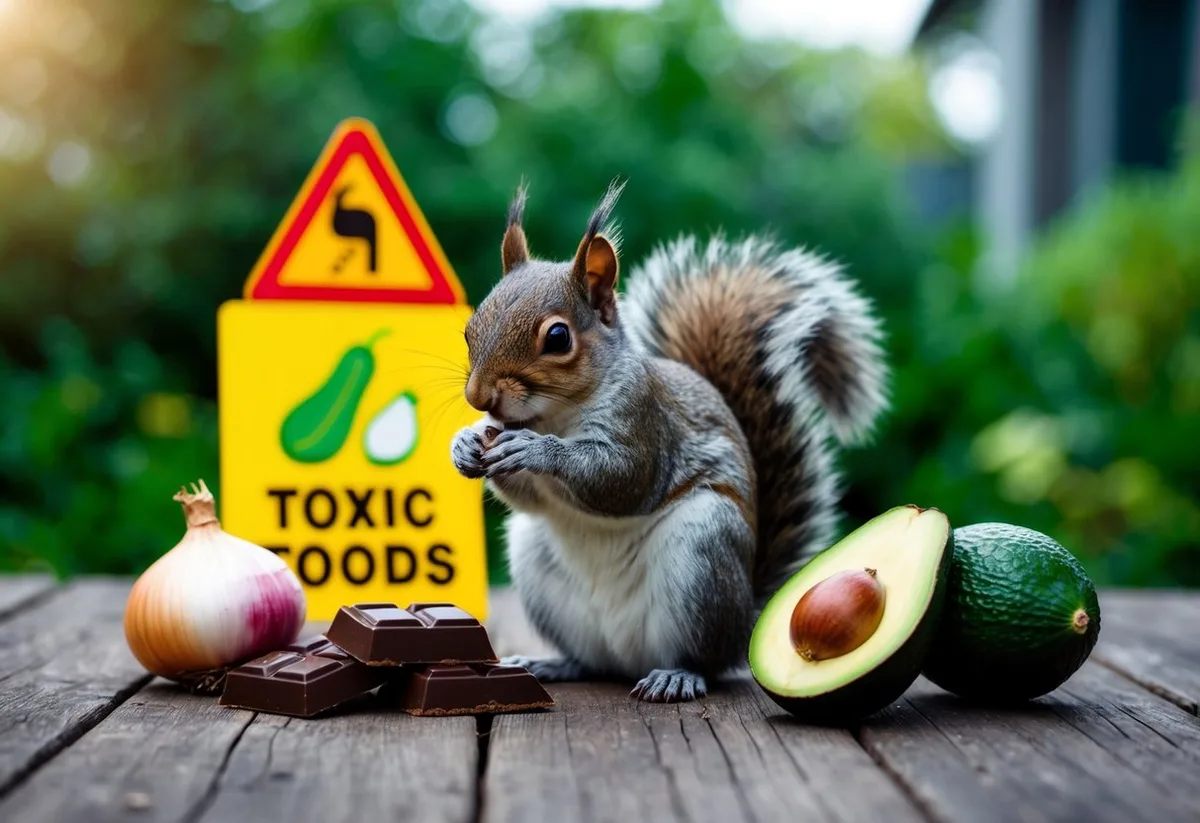
Image source: Web (Bing) / knowanimals.com (Web image (fair-use with source credit))
Mistakes to Avoid: Common Dietary Errors
One of the most common dietary mistakes is relying too heavily on seed mixes. While seeds can be part of a treat or training reward, they are typically high in fat and low in essential vitamins and minerals. This leads to nutritional imbalances and potential health issues.
Another mistake is feeding processed, salty, or sugary human foods, which can cause long-term damage to a bird's organs. Finally, failing to properly prepare fresh foods, such as not removing apple seeds, can introduce toxins.
Expert Tips for a Healthier Parrot Diet
Transitioning to an optimal diet for your African Grey, or refining an existing one, can be a rewarding process. Drawing from established avian care practices, several expert-backed strategies can help ensure your parrot thrives on a balanced, nutrient-rich diet. It's about more than just what goes into the bowl; it's about how you present it and what you observe.
Expert Tips: Beyond the Basics
Always introduce new foods gradually. Birds can be wary of unfamiliar items, so offer small amounts alongside their preferred foods. Observe your parrot's droppings; changes can sometimes indicate dietary issues.
Ensure fresh water is always available and changed daily. If your bird has specific health concerns, consult with an avian veterinarian for tailored dietary recommendations, as some conditions may require specialized nutritional support.
Step-by-Step Process: Introducing New Foods
- Start Small: Offer a tiny portion of the new food alongside familiar favorites.
- Observe: Watch if your parrot shows any interest or avoids it.
- Persistence: If ignored, try offering it again on a different day or prepared differently (e.g., mashed, diced, whole).
- Combination: Mix new vegetables with a favorite fruit, or sprinkle a new grain on top of their pellets.
- Patience: It can sometimes take many exposures for a bird to accept a new food. Never force-feed.
Maintenance: Long-Term Dietary Optimization
A balanced diet isn't a one-time fix; it's an ongoing commitment. Regularly assess your parrot's weight and condition. Adjust fresh food offerings based on what your bird enjoys and what seems to contribute to their overall health.
Keep abreast of current avian nutrition research and veterinary advice, as our understanding of parrot diets continues to evolve. This proactive approach helps maintain optimal health and prevent future issues.
Choosing the Right Foods: A Comparative Look
Deciding between different food types for your African Grey can sometimes feel overwhelming, especially with so many options available. While our previous sections established pellets and fresh foods as the core, it’s helpful to understand the nuances and compare them against less ideal alternatives. This helps clarify why certain choices are superior for your bird's long-term health.
Seeds vs. Pellets: The Core Debate
Seed mixes have historically been a common bird food, but research consistently shows they are not ideal as a primary diet. They are high in fat and low in essential vitamins and minerals like calcium and Vitamin A. Pellets, on the other hand, are formulated to provide a complete nutritional profile, often making up 75-80% of an African Grey's diet.
This ensures consistent nutrient intake and helps prevent selective feeding, which is common with seed mixes where birds pick out only their favorite, often fatty, seeds.
Fresh Food Varieties: Veggies vs. Fruits
When it comes to fresh additions, vegetables should generally make up a larger portion of the offering than fruits. Vegetables provide vital vitamins, minerals, and fiber with less sugar. Leafy greens, broccoli, carrots, and bell peppers are excellent staples.
Fruits are great for vitamins and hydration but contain natural sugars. Offering a small amount of berries, apples (seeds removed!), or mangoes alongside a larger portion of veggies offers a balanced approach to these healthy additions.
When to Seek Expert Help: Recognizing Dietary Red Flags
Your African Grey's health is closely tied to its diet, and sometimes, you'll need a professional eye to ensure everything is on track. Recognizing the signs that indicate a potential dietary issue is key to intervening early and preventing more serious problems from developing. Don't hesitate to consult an avian veterinarian if you have concerns.
Recognizing Nutritional Deficiencies
Signs of nutritional deficiencies can manifest in various ways. Feather plucking, dull or brittle feathers, and excessive shedding can be indicators. Lethargy, changes in droppings (like watery or discolored stool), and weakened immune systems leading to frequent illnesses are also red flags.
If your bird is constantly seeking out non-food items or showing unusual behavioral changes, it could be related to its diet.
When to Consult an Avian Veterinarian
An avian veterinarian is your best resource for specific dietary advice tailored to your individual parrot. You should consult them if you notice persistent health issues like weight loss, sudden feather loss, or changes in droppings that don't resolve with dietary adjustments. They can perform diagnostic tests to identify specific nutrient deficiencies or excesses and provide guidance on appropriate diets or supplements if needed.
Their expertise is invaluable for long-term avian health management.
Frequently Asked Questions About African Grey Diets
How much should my African Grey eat per day?
The exact amount varies by individual bird, age, and activity level, but a good guideline is to provide enough fresh food to be consumed within a few hours. For pellets, follow manufacturer recommendations, usually around 1/4 to 1/2 cup daily, adjusted based on your bird's specific needs and consumption.
How do I transition my African Grey from seeds to pellets?
Gradually mix a small amount of pellets into their existing seed mix, slowly increasing the pellet ratio over several weeks. You can also offer pellets separately or try moistening them slightly with water or a tiny bit of parrot-safe juice to increase appeal.
Can African Greys eat human baby food?
Some plain, unsweetened, and unseasoned baby foods (like sweet potato or peas) can be offered in very small amounts as an occasional treat or to entice a picky eater. Always check the ingredients carefully to ensure no toxic additives are present.
What is the best way to offer fresh vegetables?
Wash all vegetables thoroughly. Chop them into appropriate bite-sized pieces for your parrot. Offer a variety of colors and types daily, such as dark leafy greens, bell peppers, carrots, broccoli, and peas.
Light steaming can sometimes make vegetables more palatable.