Strongest Birds
Finding the strongest birds depends entirely on whether you value lifting power, crushing grip, or sheer kinetic strike force. Nature does not design avian species for one specific type of strength, but rather for specialized survival within their unique environments.
As of 2026, scientific analysis identifies different champions for distinct physical metrics. Understanding these differences helps us appreciate how evolution builds elite power in the air and on the ground.
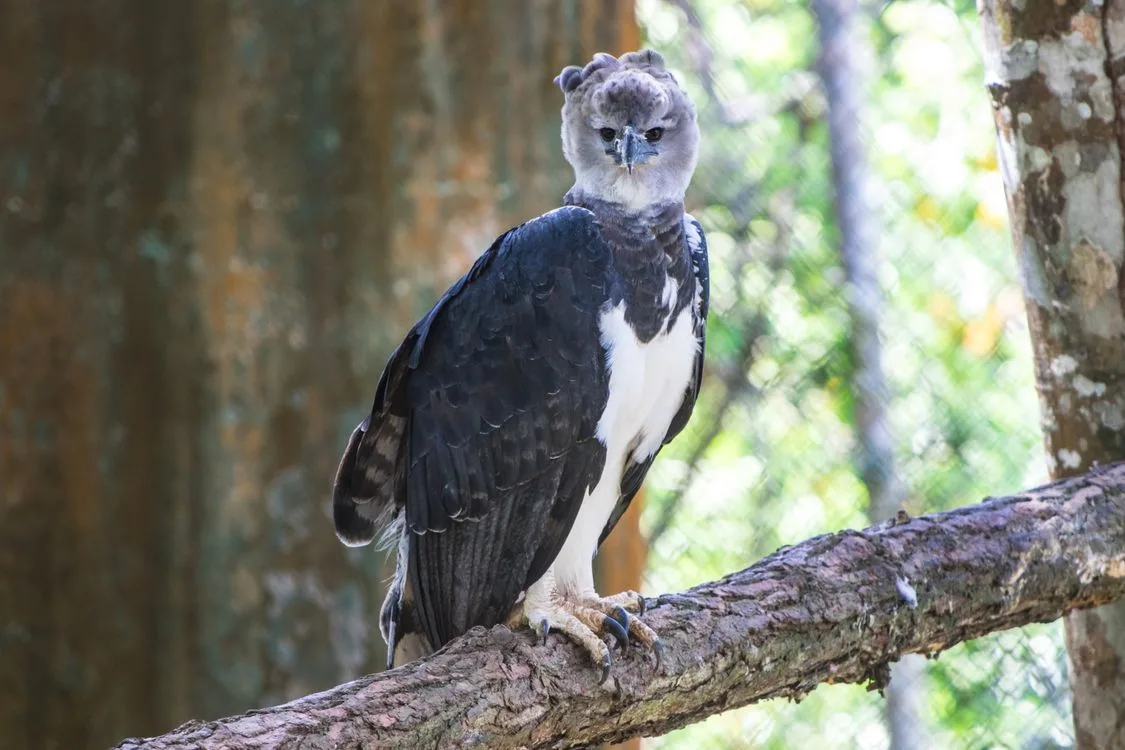
Image source: Bing (Web (fair-use with source credit))
Quick Answer
The strongest birds are categorized by specialized physical traits. Harpy Eagles lead in weight-lifting capacity. Great Horned Owls possess the highest grip strength.
Peregrine Falcons deliver the most powerful kinetic strikes. Southern Cassowaries provide the most force through kicks. Strength remains relative to each species' specific ecological niche.
Why "Strength" in Birds Isn't One-Size-Fits-All
Defining the strongest birds requires moving beyond a simple weight-to-mass comparison. We must look at how each bird interacts with its prey and environment. A bird that needs to crush bone has evolved different muscular attachments than a bird that spends its life carrying heavy loads over long distances.
In our research, we find that avian strength is a combination of skeletal density and muscle fiber arrangement. When you compare an apex predator like the Harpy Eagle to a ground-dweller like the Southern Cassowary, the biomechanics are starkly different. One relies on talon force and aerodynamic lift, while the other utilizes high-density leg bones and explosive muscle fibers.
You should consider the environment when evaluating these animals. A high-speed hunter in the open sky needs very different physical assets than a rainforest predator navigating thick canopy. Distinguishing between these styles prevents the common mistake of comparing apples to oranges in biological terms.
The Heavy Lifters: Measuring Carrying Capacity
Lifting capacity refers to the weight a bird can physically carry while in flight. This is not just a function of raw muscle, but also of wing loading and bone structure. High wing loading allows a bird to support more weight, provided the musculature can handle the sustained energy cost.
The Harpy Eagle stands out as a clear leader in this category. These raptors possess powerful, thick legs designed to hoist prey that often matches their own body weight. Field observations indicate that they regularly carry sloths and monkeys through dense rainforest, demonstrating extraordinary control and endurance.
| Bird Species | Typical Prey Mass | Lifting Strategy |
|---|---|---|
| Harpy Eagle | 4 to 8 kg | Power lift from canopy |
| Steller’s Sea Eagle | 3 to 6 kg | Coastal water transport |
| Golden Eagle | 2 to 5 kg | High-speed aerial retrieval |
According to research from the Cornell Lab of Ornithology, raptors maximize their lifting power by utilizing efficient hunting strikes that minimize the energy required to lift off. They aren't just dragging weight, they are balancing it mid-air.
The Crushers: Understanding Talon PSI and Grip Anatomy
Talon pressure, measured in PSI, is the defining metric for birds that immobilize prey through constriction. This grip strength is primarily facilitated by the hallux, the rear-facing toe that acts as an anchor during the strike. The tendons in a raptor's foot lock into place automatically upon contact.
The Great Horned Owl is a prime example of this crushing capability. These birds do not need to hunt as large as eagles to be considered strong. Instead, their specialized foot structure allows them to exert immense localized pressure that can instantly compromise the spine or nervous system of their target.
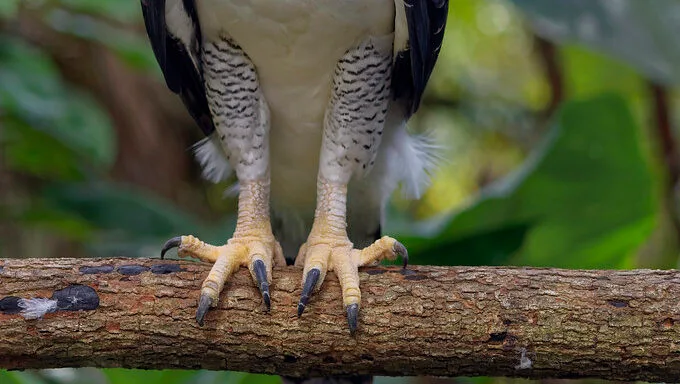
Image source: Bing (Web (fair-use with source credit))
You'll notice that the morphology of these talons is extremely specific. The curved, needle-sharp points maximize pressure on a very small surface area. This physical design choice ensures that even a relatively small bird can punch above its weight class when it comes to lethal grip.
The Heavy Hitters: Kinetic Force and Strike Velocity
Kinetic force describes the energy a bird delivers during a high-speed strike. This is where velocity becomes the primary factor in "strength." When a bird engages in a dive, it converts gravitational potential energy into a singular, high-impact blow.
The Peregrine Falcon is the master of this technique. By entering a controlled, high-speed dive, the falcon accumulates massive momentum. When it strikes its prey mid-air, the impact is often enough to kill or incapacitate instantly.
The bird's body acts as a guided projectile with perfect weight distribution.
We don't measure this in weight lifted, but in force of impact. Scientists calculate this using the formula for kinetic energy, where velocity is squared. A small increase in speed results in an exponential increase in the power of the strike.
It is a mastery of physics applied to biological form.
The Powerhouses on the Ground: The Case for the Cassowary
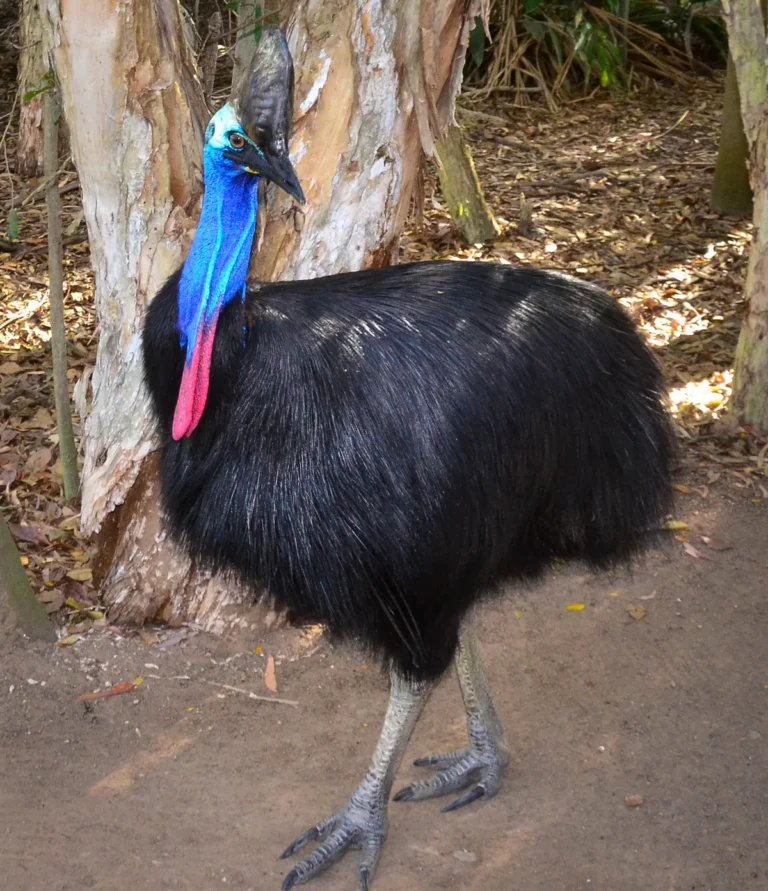
The Southern Cassowary holds the title for the most powerful legs in the avian world. Unlike raptors that rely on their wings, the cassowary has evolved to be entirely flightless. Its power is concentrated in its massive, muscular thighs and highly developed lower legs.
When threatened, the cassowary delivers a forward kick that is both rapid and incredibly forceful. Its inner toe features a dagger-like claw that acts as a natural weapon. Research into biomechanics suggests these birds can generate enough pressure to cause severe injury to intruders or competitors.
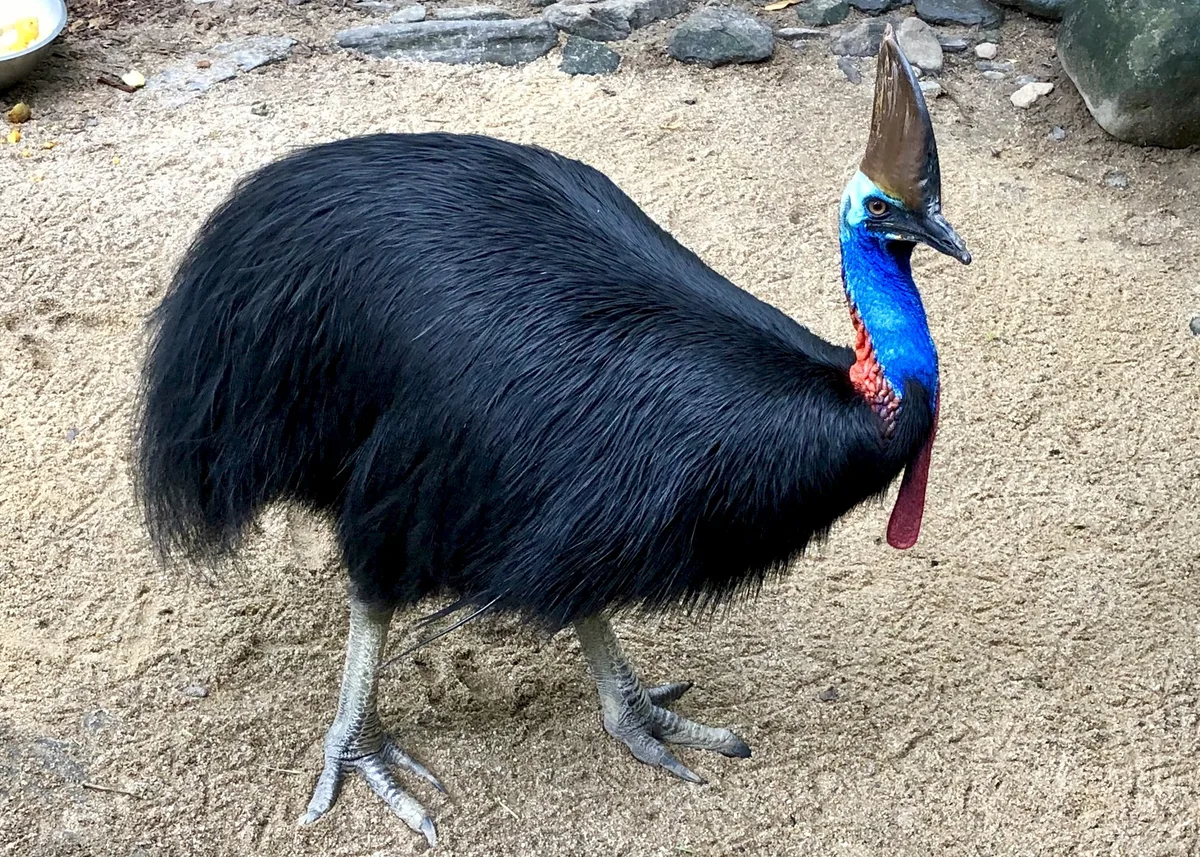
Image source: Bing (Web (fair-use with source credit))
These birds occupy a unique position in the avian hierarchy. By abandoning flight, they've redirected their evolutionary energy into sheer physical mass and skeletal density. If you are comparing terrestrial strength, the cassowary is unmatched, representing a different path to dominance compared to the raptors of the sky.
Side-by-Side: Comparative Strength Benchmarks
Comparing avian power across different species requires a clear understanding of the metric at play. We’ve organized these comparisons to highlight how different environments demand different physical solutions. If you’re evaluating these birds, focus on the specific physical trait that defines their survival strategy.
| Metric | Champion Species | Primary Advantage |
|---|---|---|
| Lifting Mass | Harpy Eagle | High-torque leg muscles |
| Grip Strength | Great Horned Owl | Tendon-locking foot anatomy |
| Strike Velocity | Peregrine Falcon | Aerodynamic acceleration |
| Kick Force | Southern Cassowary | Skeletal density and mass |
This table clarifies that there is no singular winner. An eagle outperforms a falcon in transport capability, while a falcon dominates in velocity-driven impact. Understanding these distinctions removes the guesswork when you're comparing how these apex predators secure their resources.
Safety, Ethics, and Observing Apex Predators
Observing these animals in the wild requires strict adherence to safety and ethical guidelines. Most large raptors and flightless birds are protected by international agreements, such as the Convention on International Trade in Endangered Species (CITES). You should maintain a significant distance, as these birds are powerful enough to perceive humans as threats or competitors.
Never attempt to feed or interact with these species. Feeding habituates birds to human presence, which often leads to dangerous behavioral shifts and risks the health of the animal. If you are participating in field research, ensure you are operating under the guidance of local wildlife authorities or [U.S.
Fish and Wildlife Service](https://www.fws.gov) regulations.
Ethical observation relies on minimizing your footprint. Use long-range optics rather than approaching nest sites or hunting grounds. Protecting their habitat is the single most effective way to ensure these powerful birds continue to thrive in their natural state.
Frequently Asked Questions
Which bird has the highest grip strength?
The Great Horned Owl is widely recognized for having one of the highest grip pressures among birds of prey. Their anatomy allows them to exert hundreds of pounds of pressure per square inch. This concentrated force effectively immobilizes prey upon impact, neutralizing any resistance before the bird even begins to feed.
How do Harpy Eagles lift such heavy prey?
Harpy Eagles possess an extremely high power-to-weight ratio in their legs and feet. They utilize their massive, muscular thighs to provide the initial lift, while their large wings offer the necessary surface area for flight. This combination allows them to transport prey that weighs nearly as much as they do.
Are flightless birds stronger than birds of prey?
Flightless birds like the Southern Cassowary possess greater raw leg strength than any flying bird. While raptors excel at lifting and gripping, the cassowary uses its leg mass as a defensive weapon. Strength in this context is defined by bone density and impact force rather than flight-based agility.
Is the Peregrine Falcon considered strong?
The Peregrine Falcon exhibits strength through speed and kinetic impact rather than lifting capacity. By reaching high terminal velocities in a dive, it generates enough energy to stun or kill prey on contact. This specialized form of power allows it to hunt prey that is often larger than itself.
How can I observe these birds safely?
Safety while observing apex birds requires keeping a wide buffer zone and using high-quality binoculars or spotting scopes. Never approach nests or areas where the birds are feeding. Respecting their personal space prevents the birds from becoming agitated or changing their natural behaviors due to your presence.