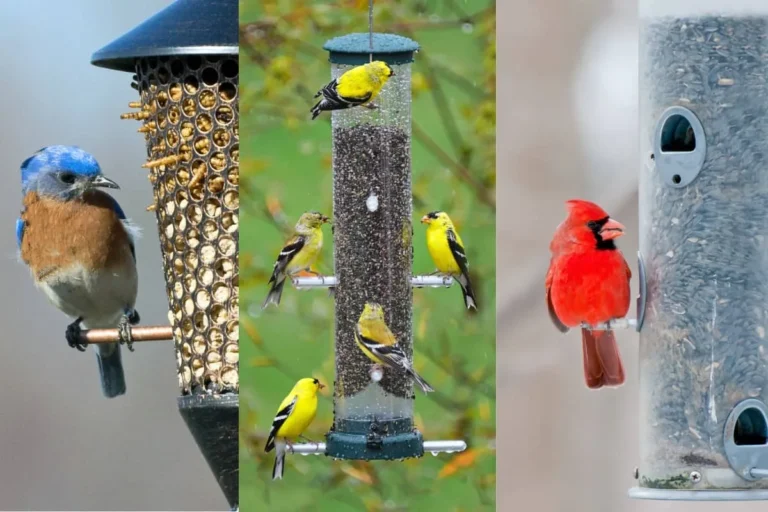
Small Birds
Identifying small birds is a rewarding skill that turns any outdoor space into a living laboratory. By learning how to spot specific physical markers and behaviors, you can name the frequent fliers in your yard with confidence.
As of 2026, the Cornell Lab of Ornithology reports that thousands of bird species rely on diverse regional habitats for survival. Understanding these creatures requires only patience and a sharp eye for detail.
Quick Answer
Small birds are avian species generally under ten inches in length. They often belong to the order Passeriformes, known as perching birds. Accurate identification relies on observing feather patterns, beak shapes, and movement styles.
You can identify them using field guides or digital tracking databases. Patience is the most essential tool for beginners.
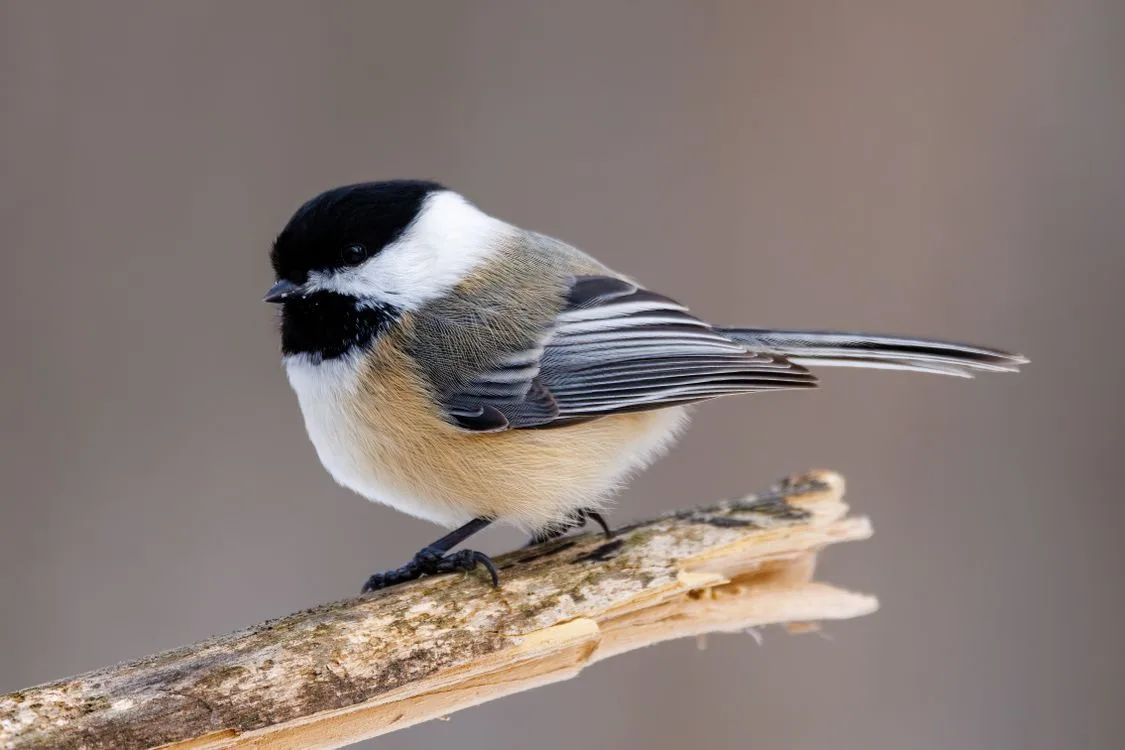
Image source: Bing (Web (fair-use with source credit))
Mastering the Jizz: Why Visual Cues Are Your Best Identification Tool
"Jizz" is a term birders use to describe the overall impression of a bird. It refers to the combination of shape, posture, and general vibe that separates one species from another. You don't need a perfect view of the feathers to start.
You just need to see the whole bird.
Focus on the silhouette first. Does the bird look stout and round, or sleek and elongated? A bird with a short neck and a rounded body often acts differently than a bird with a slender profile.
Note the tail length relative to the body size.
Lighting conditions change everything. Bright sunlight can wash out colors, making a dark bird look light. Try to position yourself so the sun is behind you, not behind the bird.
This ensures the true colors of the plumage are visible.
The Anatomy of Identification: Decoding Size, Shape, and Beak Morphology
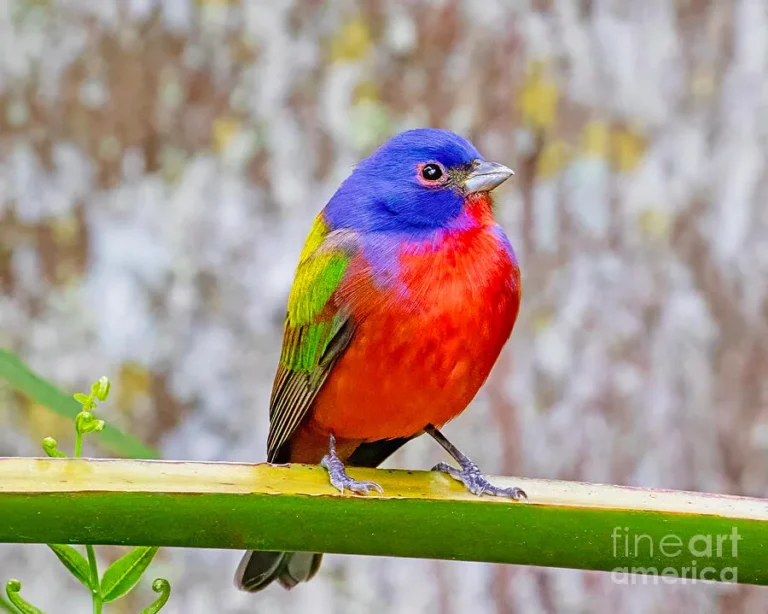
Beak shape is the most reliable indicator of a bird's diet and family. A thick, conical beak is designed for crushing hard seeds. A thin, needle-like beak is meant for probing flowers or snatching insects from tight spaces.
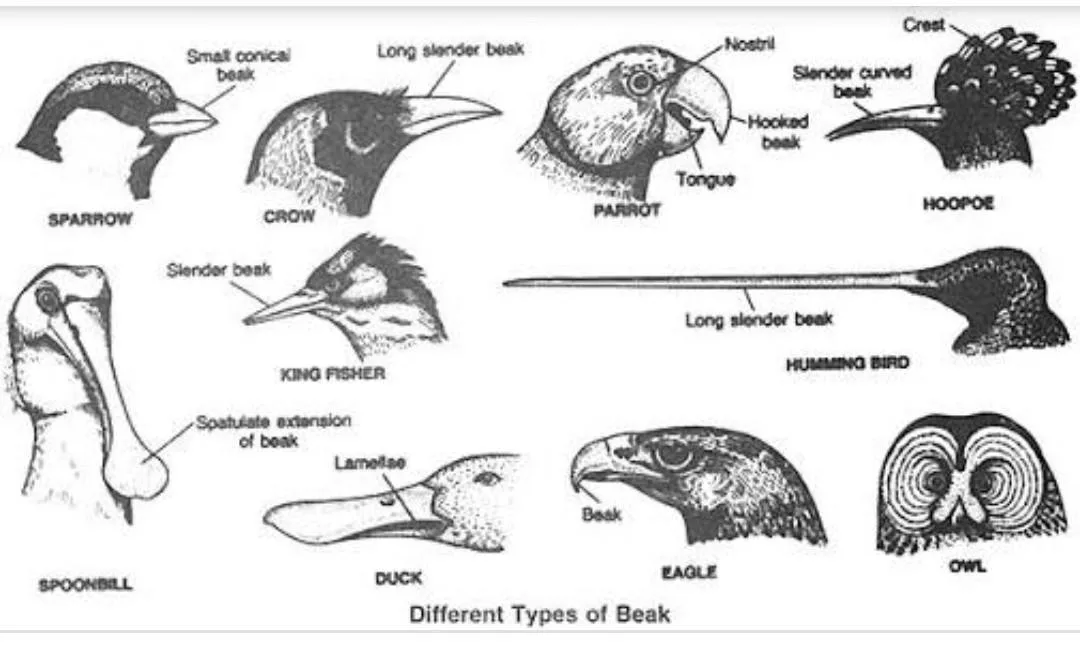
Image source: Bing (Web (fair-use with source credit))
Check the length of the bill relative to the head size. Some birds have slightly curved beaks for reaching into specific types of vegetation. Others have hooked tips for grasping food firmly.
Use this feature as your primary sorting tool when you open a field guide.
Don't ignore the eye area. Does the bird have a distinct ring of white feathers around its eye? This mark is a classic diagnostic feature for many warblers and vireos.
Look for wing bars, which are thin, light-colored stripes on the folded wing, as these can distinguish between nearly identical species.
Behavior as a Diagnostic Tool: How Movement Reveals the Species
Small birds have distinct movement patterns. Some species are gleaners that move quickly through outer branches to pick insects off leaves. Others are ground-foragers that hop rhythmically while scanning the dirt for seeds or larvae.
Watch for how they interact with their environment. A nuthatch, for example, is famous for climbing head-first down a tree trunk. A chickadee is known for its ability to hang upside down while investigating the tips of pine needles.
These habits are often more reliable than plumage.
Frequency of movement also matters. Some birds are twitchy and constant, never staying still for more than a second. Others are more methodical, pausing every few inches to survey the area.
If you can describe the pace of their activity, you have already narrowed down the possibilities significantly.
Beyond Plumage: Navigating Seasonal Changes and Juvenile Variation
Many small birds change their appearance throughout the year. They often grow bright, vibrant feathers in the spring to attract mates. By late autumn, these same birds may molt into dull, brownish versions of themselves to blend in during winter.
Juveniles often look nothing like their parents. A young bird might have streaks or spots that disappear as it reaches maturity. Don't be discouraged if a bird doesn't match the photo in your guide perfectly.
It might simply be a younger bird or one transitioning into its winter coat.
Understanding local migration schedules is helpful. If you see a species in the winter that you usually only see in the summer, check if it’s a species that moves south for the colder months. Resources from the [U.S.
Fish and Wildlife Service](https://www.fws.gov) provide excellent maps showing where these birds typically travel.
Step-by-Step Field Identification: A Workflow for Backyard Birders
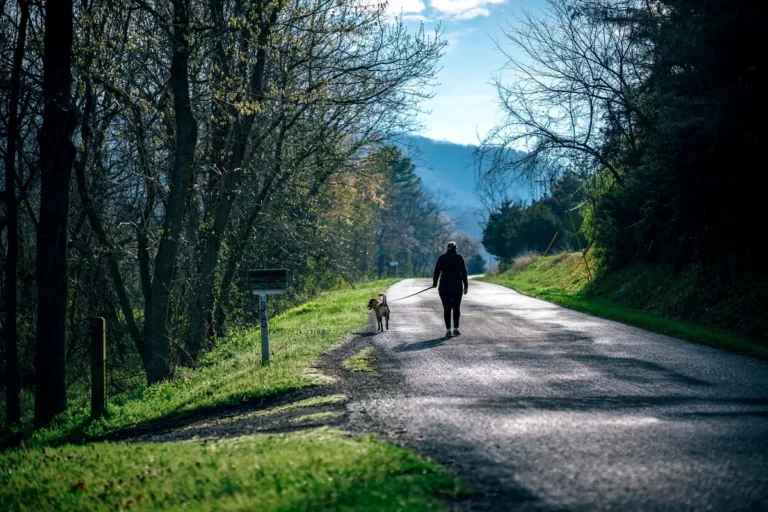
Start by finding a quiet spot and remaining still. Small birds are sensitive to quick motions and will often vanish if they sense a threat. Use your binoculars to scan the area, but keep your eyes on the general location of the movement first.

Image source: Bing (Web (fair-use with source credit))
Follow this logical workflow every time you spot a mystery visitor:
- Size it up: Is it sparrow-sized, or smaller?
- Study the beak: Is it thick, thin, or hooked?
- Note the habits: Does it hover, hop, or cling to bark?
- Check the markings: Are there any wing bars or eye rings?
- Consult the guide: Match your notes to the closest visual profiles.
If you are using a digital app, enter your location and the date. This filters out species that shouldn't be in your area at that time of year. If the bird flies away before you finish your list, don't worry.
You will get another chance to observe it later.
Common Visual Traps: Avoiding the Most Frequent Identification Mistakes
The most common mistake beginners make is ignoring the context of the bird's location. You might spot a bird in your suburban yard and assume it is a common species, but its habitat or the time of year might suggest something entirely different. Always check the range maps for your specific region before confirming a rare sighting.
Lighting often tricks the eyes, making a dull-colored bird appear brighter than it actually is. Shadows cast by tree branches can create fake wing bars or dark spots that don't exist in reality. If you aren't sure about a color, move your viewing angle to get a clearer look without direct sunlight.
Another trap is focusing too heavily on a single feature, like a flash of red or yellow. Many unrelated species share similar splashes of color. Prioritize the overall silhouette and behavior, as these rarely change, even if the light or the bird's pose is less than ideal.
Don't fall for the size illusion. A bird seen against a large tree trunk will look significantly smaller than the same bird seen against a thin twig or a power line. Use nearby stationary objects like fence posts or leaves to judge scale more accurately.
Frequently Asked Questions
How do I start birding without expensive binoculars?
You can start by simply observing with your naked eyes in a quiet space. Learn to recognize the common birds in your neighborhood first. Once you feel ready to advance, basic 8×42 binoculars are the industry standard for beginners because they balance field of view with magnification.
What should I do if I find a sick or injured bird?
If you suspect a bird is injured, contact a local licensed wildlife rehabilitator immediately. Do not attempt to feed or medicate the bird yourself. Keeping it in a dark, quiet box in a cool area until professional help arrives is the safest protocol per guidelines from the National Audubon Society.
Why do some birds visit my feeders and others do not?
Different birds have specific preferences for food types, feeder styles, and protection from predators. If you only see one or two species, try varying your seed mix or adding a water source. Native plants often attract a wider variety of birds than commercial feeders alone.
How can I attract more species to my yard?
Providing a combination of food, water, and shelter is the most effective way to improve your backyard habitat. Plant native shrubs and trees that offer natural nesting sites and protection from wind. Avoid using heavy pesticides, as these eliminate the insect populations that many birds rely on for protein.
Can I identify birds by their calls alone?
Vocalization is a powerful identification tool, but it requires practice to master. Many apps allow you to record a bird's song and identify it against a database of known calls. Use these tools as a starting point, but always try to pair the sound with a visual confirmation whenever possible.