How Much Does an African Grey Parrot Eat
Figuring out how much an African grey parrot eats is more art than exact science, but getting it right is key to their health. These birds are intelligent and complex, and their dietary needs can shift based on several factors. Understanding these nuances ensures you're providing the best nutrition possible for your feathered companion.
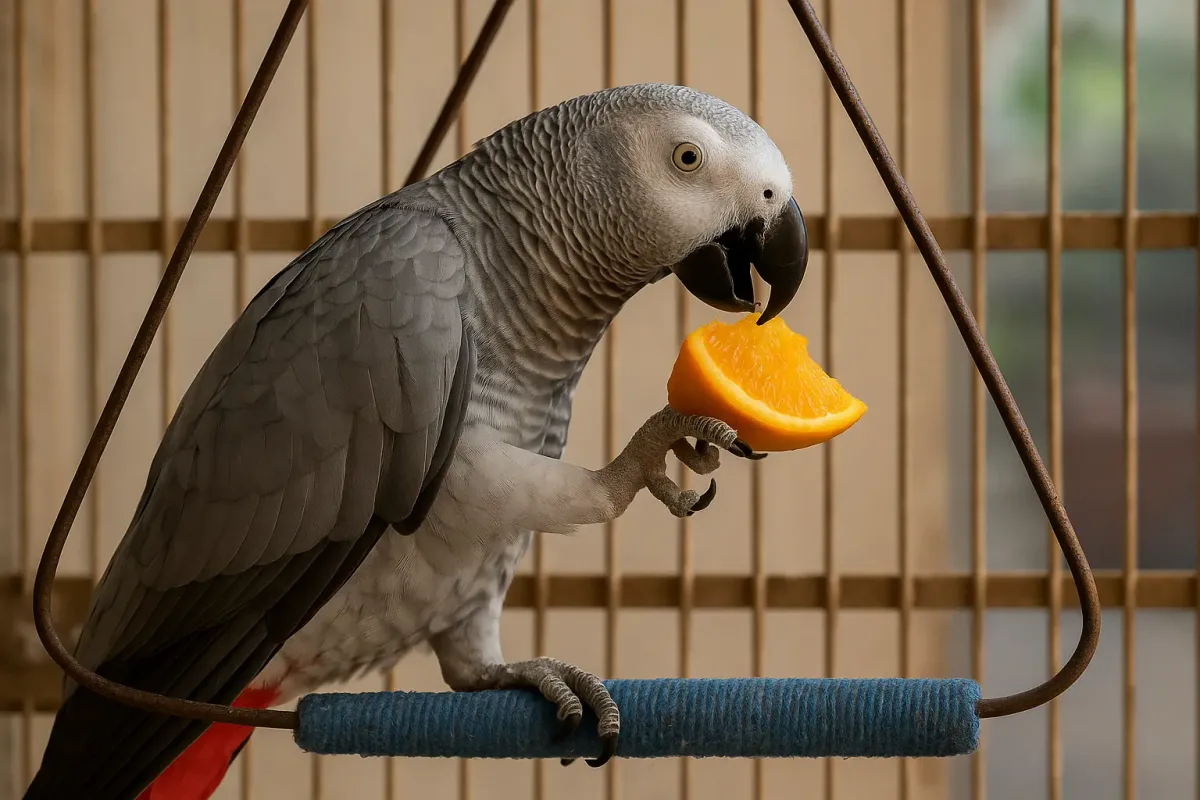
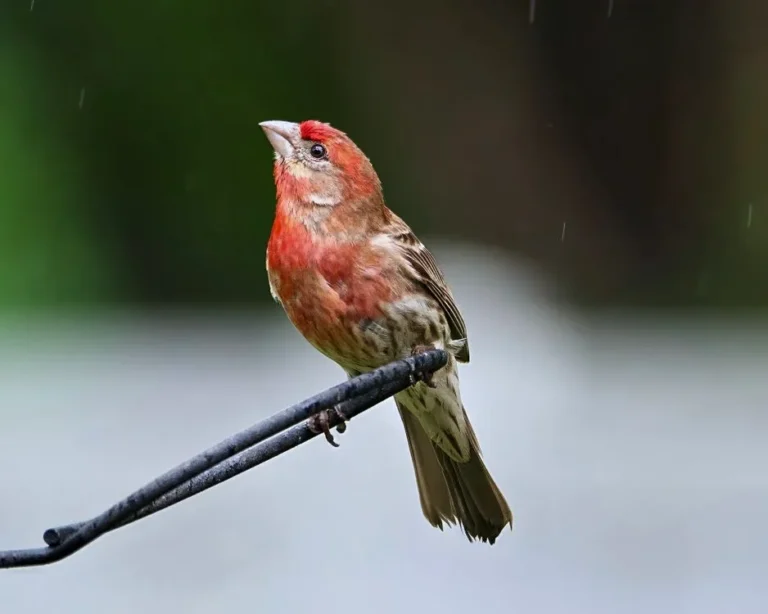
Image source: Web (Bing) / parrotscuisine.com (Web image (fair-use with source credit))
As of 2026, general guidelines suggest an adult African grey parrot consumes roughly 1/4 to 1/2 cup of dry food daily, but this is just a starting point. This amount needs to be adjusted based on your specific bird's lifestyle, age, and health. Let's break down what really goes into feeding your African grey properly.
Quick Answer
An African grey parrot typically eats between 1/4 to 1/2 cup of dry food daily. This quantity varies based on age, activity level, and metabolism. Fresh fruits and vegetables supplement this amount.
Consistent weight monitoring is crucial to ensure adequate intake.
Understanding Daily Food Intake for African Greys
The core of your African grey's diet should be a high-quality, species-appropriate pelleted food. This forms the foundation of their daily intake, providing balanced nutrition. Manufacturers often suggest specific serving sizes, but our research indicates that for a typical adult African grey, around 1/4 cup of high-quality pellets is a good starting point.
This might increase to 1/2 cup for very active birds or during specific life stages.
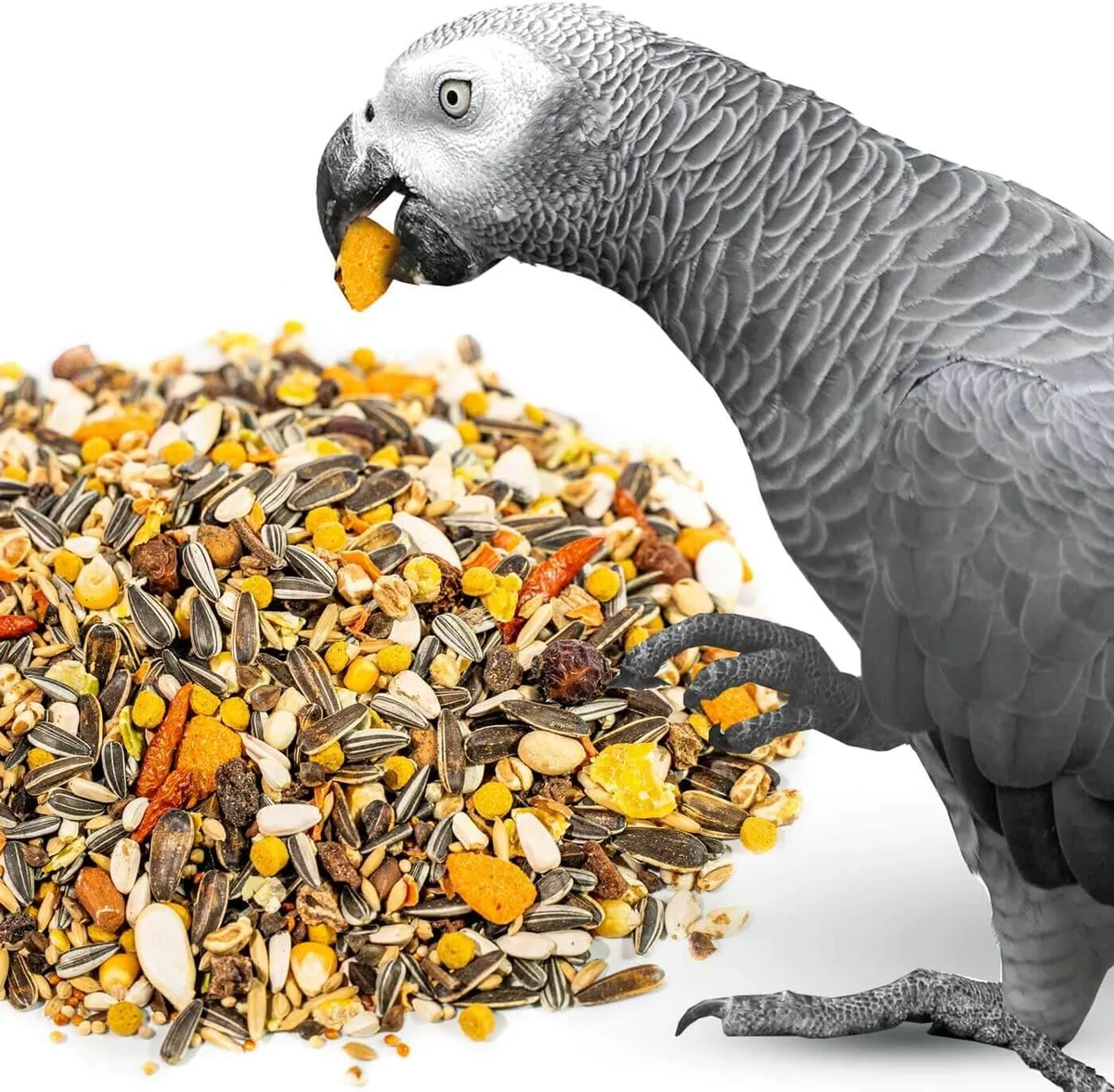
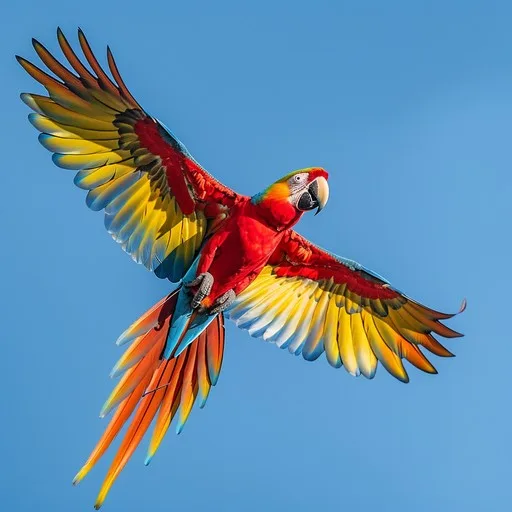
Image source: Web (Bing) / amazon.co.uk (Web image (fair-use with source credit))
However, pellets are just one part of the equation. Fresh, whole foods should make up a significant portion of their diet, often around 20-30%. This includes a variety of dark leafy greens, colorful vegetables like bell peppers and carrots, and a small amount of fruit.
These additions provide essential vitamins, minerals, and fiber that pellets alone may not fully cover. Your parrot will likely graze on these throughout the day, so having them available is important.
What Influences How Much Your Parrot Eats
Several factors play a role in how much your African grey will actually consume each day. It's not a one-size-fits-all scenario, and paying attention to these variables will help you fine-tune their feeding schedule.
- Age and Life Stage: Baby birds, naturally, require more calories for growth and development than mature adults. Similarly, birds that are molting or breeding might have increased nutritional demands. Older parrots may have slower metabolisms and require slightly less food.
- Activity Level: An African grey that spends hours flying around the house, engaging in training, or playing with toys will burn considerably more calories than a bird that mostly perches and observes. A more active bird will generally eat more to fuel their energetic lifestyle.
- Metabolism and Health: Just like humans, some parrots have a naturally faster metabolism, meaning they burn through calories quicker. Underlying health conditions can also affect appetite and nutrient absorption. If your bird is recovering from an illness, their caloric needs might increase, or they might need more easily digestible foods. Your avian veterinarian can provide guidance on specific health-related dietary adjustments.
- Environmental Factors: Temperature and daylight hours can subtly influence a parrot's metabolism and appetite. During shorter, colder days, some birds may naturally eat a bit more to maintain body heat, while longer, warmer days might lead to slightly reduced food intake.
Common Parrot Feeding Mistakes to Sidestep
When it comes to feeding African greys, a few common slip-ups can impact their health. Being aware of these pitfalls can help you avoid them and ensure your parrot thrives.
- Over-reliance on Seed Mixes: While seeds can be a treat, they are often high in fat and lack essential vitamins and minerals. A diet that's too seed-heavy can lead to obesity, liver issues, and nutritional deficiencies. They also encourage picky eating, as birds may selectively eat the high-fat seeds and leave behind healthier components.
- Ignoring Fresh Foods: Many owners stick to commercial bird foods and overlook the critical importance of fresh fruits and vegetables. These provide vital hydration, fiber, and a broad spectrum of nutrients that are crucial for overall well-being. A lack of variety can lead to boredom and health problems.
- Inconsistent Feeding Times: Parrots thrive on routine. Feeding them at irregular times can cause stress and affect their digestive system. Establishing a consistent schedule for meals and snacks helps them feel secure and aids digestion.
- Assuming Portion Size is Static: Thinking that 1/4 cup is always the right amount, regardless of other factors, is a mistake. As discussed, a bird's needs change. Not adjusting food quantity based on age, activity, or health can lead to malnourishment or obesity.
- Offering Unsafe Foods: Some common human foods are toxic to parrots, such as avocado, chocolate, and onions. It's vital to know what's safe and what's not to prevent accidental poisoning. Always research any new food item before offering it to your bird.
Gauging Your Parrot's Diet: Weight and Observation
The best way to tell if your African grey is eating the right amount is through consistent observation and, ideally, regular weight monitoring. No two parrots are exactly alike, so a fixed measurement isn't always the best indicator of their individual needs.
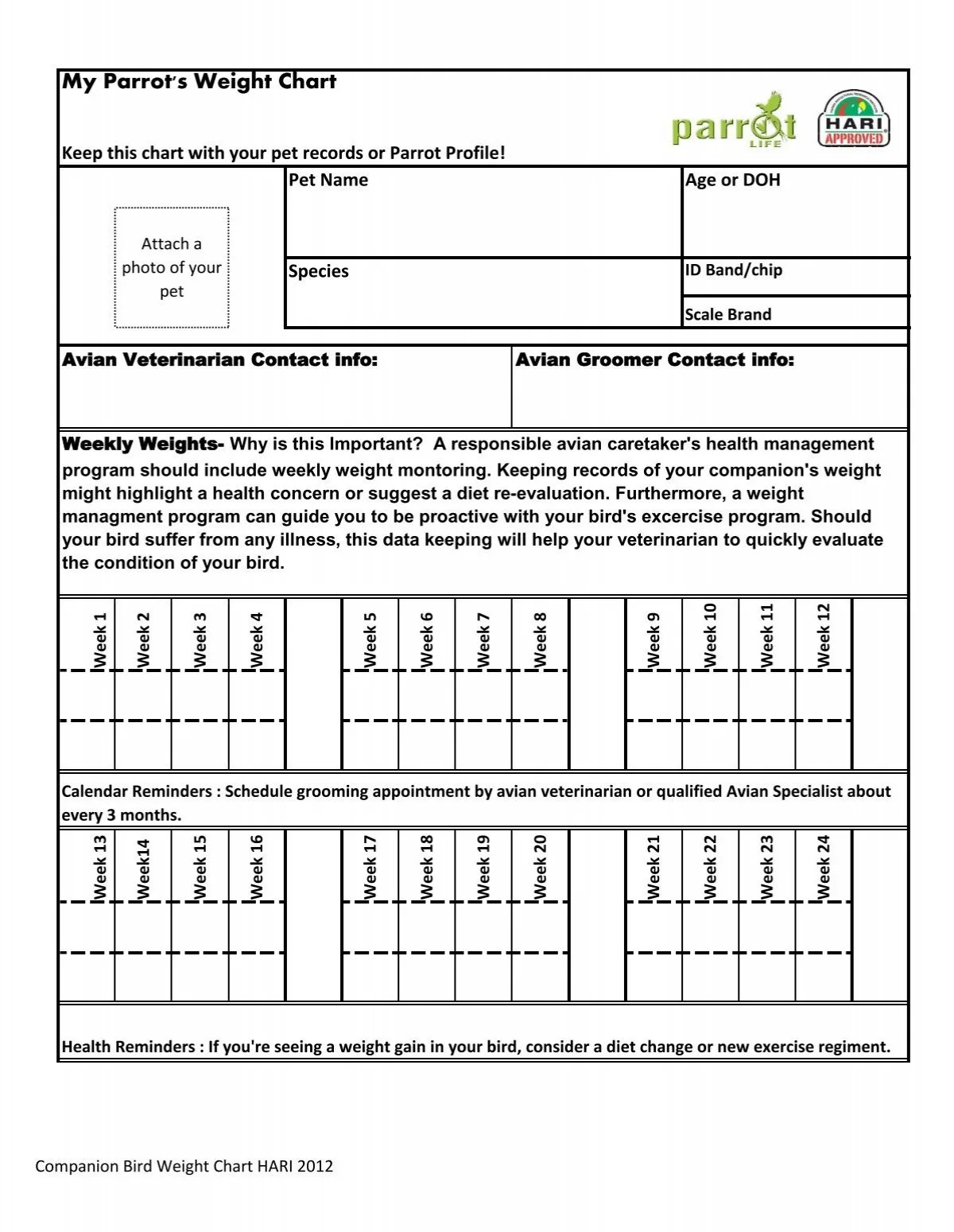
Image source: Bing (Web (fair-use with source credit))
Weight Monitoring:
For the most accurate assessment, you'll want to weigh your parrot regularly. A small, accurate kitchen scale can be used for this purpose. Weighing your bird weekly, at the same time of day and ideally before they've eaten their morning meal, establishes a baseline.
Any significant weight loss or gain, typically more than 5-10% over a short period, warrants a call to your avian veterinarian. This practice is recommended by many avian health organizations as a primary indicator of health.
Observational Clues:
Beyond the scale, pay attention to your parrot's general demeanor and physical condition.
- Body Condition: Can you feel your parrot's keel bone (the bony ridge along their chest) easily? If it's very prominent, they might be underweight. If it's covered by a thick layer of fat, they could be overweight. A healthy parrot's keel bone should be easily palpable but not sharp.
- Feather Quality: Healthy feathers are usually smooth, sleek, and brightly colored. Dull, ruffled, or plucked feathers can sometimes be a sign of dietary imbalance or stress, which can be linked to nutrition.
- Energy Levels and Behavior: Is your parrot alert, active, and engaged, or are they lethargic, sleepy, and withdrawn? A sudden change in energy levels can indicate a problem, including inadequate nutrition.
- Droppings: Healthy parrot droppings typically consist of three parts: a dark, solid fecal portion; a white or greenish urate portion; and a clear liquid urine portion. Changes in the color, consistency, or amount of droppings can signal digestive issues often related to diet.
Expert Tips for Feeding Your African Grey
As you fine-tune your African grey's diet, keep these expert-backed tips in mind. They're designed to ensure a balanced, healthy, and engaging feeding experience for your intelligent companion.
- Establish a Routine: Parrots thrive on predictability. Offer their main meal (pellets) at roughly the same time each morning. Fresh fruits and vegetables can be offered in the mid-morning or afternoon. This consistency helps regulate their digestion and can reduce stress.
- Introduce New Foods Gradually: If you're trying to get your parrot to eat more vegetables or a different type of pellet, do it slowly. Mix a small amount of the new food with their favorites. Over time, you can increase the proportion of the new item. This method is often recommended in avian nutrition guides to prevent food aversions.
- Variety is Key: Don't stick to the same few fruits and veggies. Offer a wide range of colors and textures to ensure a broad spectrum of nutrients. Think dark leafy greens (kale, spinach in moderation), orange and yellow vegetables (carrots, sweet potatoes, bell peppers), and a small amount of various fruits (berries, apples, melon). For example, according to avian nutrition resources, offering a rainbow of vegetables ensures a wider intake of phytochemicals.
- Presentation Matters: How you offer food can impact your parrot's willingness to eat it. Some birds prefer food chopped into small pieces, others larger chunks. You can also try different methods like shredding veggies, offering them whole, or even lightly steaming them (ensure they're cooled completely before serving). Hanging food items can also encourage foraging behavior.
- Limit High-Fat Treats: Seeds, nuts, and fatty human snacks should be given sparingly, if at all. They can quickly lead to obesity and associated health problems like fatty liver disease. If you use seeds for training, measure them carefully and ensure they are part of a balanced diet, not the primary food source.
- Be Patient with Pellets: If your parrot isn't already on a pellet diet, transitioning can take time and patience. Don't force it. Use positive reinforcement, introduce them gradually, and consult your avian veterinarian for strategies tailored to your bird. Some sources suggest mixing a small amount of highly palatable, crushed pellets with their current food as a starting point.
When to Consult an Avian Vet About Diet
While this guide offers general advice, your African grey's health is ultimately in your hands, and that includes knowing when to seek professional help. An avian veterinarian is your most valuable resource for personalized dietary recommendations.
Don't hesitate to schedule a visit if you notice any drastic changes in your parrot's eating habits or overall condition. For example, if your bird suddenly stops eating or shows a significant decrease in appetite, this could signal a serious health issue. Conversely, a ravenous appetite that leads to rapid weight gain might also be a cause for concern, potentially indicating metabolic problems or an imbalance in their diet.
Regular check-ups are also a great time to discuss nutrition. Your vet can perform a physical examination, assess your bird's body condition score, and offer specific advice based on your parrot's age, breed, and any existing health concerns. They can also help you interpret weight fluctuations and recommend appropriate dietary adjustments, ensuring your African grey receives optimal nutrition throughout its life.
Consulting an avian vet aligns with best practices for avian health, as recommended by veterinary associations.
Frequently Asked Questions About African Grey Food
How much water does an African grey need daily?
An African grey parrot needs constant access to fresh, clean water. While there isn't a precise daily measurement like with food, they can drink between 1/4 to 1/2 cup or more per day, depending on their diet and environment. Ensure their water dish is cleaned and refilled daily.
Can I feed my African grey table scraps?
It's generally best to avoid feeding table scraps to your African grey. Many human foods are too high in salt, sugar, or fat, and some can be toxic. Focus on a balanced diet of high-quality pellets and fresh, parrot-safe fruits and vegetables.
What is the best type of pellet for an African grey?
Look for high-quality, species-appropriate pellets formulated for large parrots. These should be a primary part of their diet. Brands that focus on natural ingredients and a balanced nutrient profile are usually a good choice.
Always consult your avian vet for specific brand recommendations that suit your bird.
How do I introduce new foods to a picky African grey?
Introducing new foods requires patience. Offer a small amount of the new item alongside familiar favorites. Try different preparations: chopped, mashed, whole, or lightly steamed.
Sometimes, simply leaving a new food in the cage for a few days without pressure can lead to acceptance.
What are some toxic foods to avoid for African greys?
Several common foods are dangerous for parrots. These include avocado, chocolate, caffeine, alcohol, onions, garlic, pits and seeds from fruits (like apple seeds), and macadamia nuts. Always double-check if a food is safe before offering it to your bird.