Bird Habitats
Bird habitats are spaces designed to give birds food, water, shelter, and nesting sites. Whether that's a suburban backyard, a rural field edge, or a small patio, the principles are the same. In our research, properties that combine native plants, water features, and predator-managed nest boxes attract significantly more species than yards relying on feeders alone.
Research published by University of Delaware shows a single baby bird can eat up to 14 caterpillars per hour during nesting season. That means your habitat has to support insects first, not just birds. As of 2026, bird habitat landscaping has shifted hard toward native plant species, because native plants host four times more caterpillars than ornamental varieties.
Here's how to get it right for your situation.
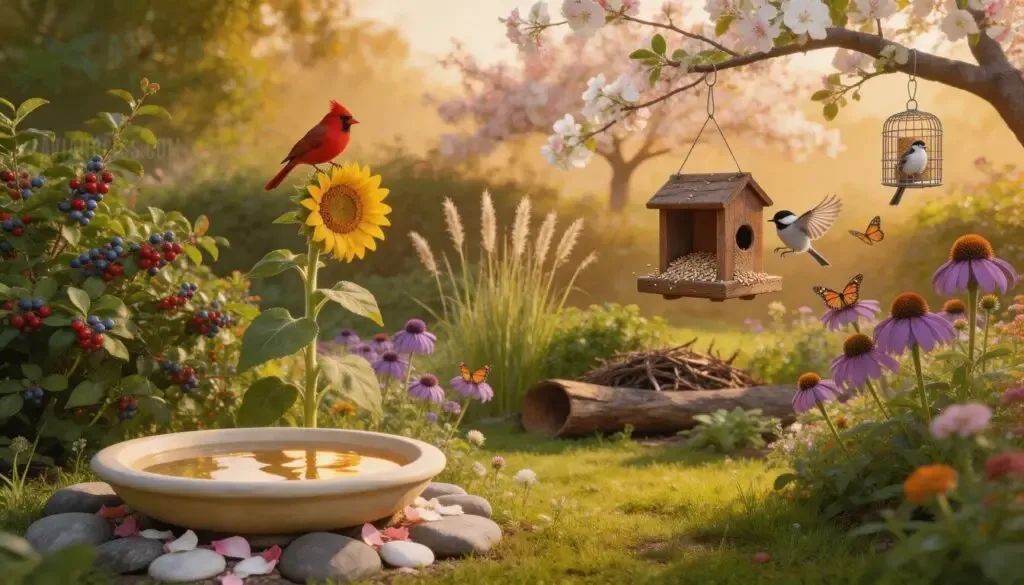
Image source: Bing (Web (fair-use with source credit))
Quick Answer
Bird habitats provide birds with food, water, shelter, and safe nesting sites. They rely on native plants, water features, and predator-proof structures. A well-built habitat supports insects first, because birds eat insects.
Even small yards can support multiple species with the right elements.
Why Most Bird Habitat Efforts Fail (And What Actually Works)
The most common mistake we see in habitat landscaping is the same one. People plant pretty things and hope birds show up. Ornamental shrubs like privet, bush honeysuckle, and most big-box nursery varieties look nice but host almost no native insects.
Without insects, birds have nothing to feed their young, so they go elsewhere. The fix isn't complicated, but it does require a shift in thinking. Your habitat doesn't need to look perfect.
It needs to work ecologically.
Research from USDA indicates native plantings support four to ten times more herbivorous insect species than non-natives. That insect biomass is what turns your yard into a habitat instead of a decoration.
A second failure mode is isolation. A single bird bath or a few feeders won't sustain birds if there's no cover and no food beyond what you scatter. Habitat works when the pieces connect.
Cover, food, water, and nesting sites all need to exist close together.
The Four Condition Variables That Change Everything About Your Habitat Plan
Before you buy a single plant or build a single nest box, four conditions will determine everything that follows. If you skip this step, you'll waste money on species that won't survive or boxes that go unused.
1. USDA Hardiness Zone. This is your non-negotiable starting point. Plant species that can't survive your zone's temperature extremes won't establish.
The USDA Plant Hardiness Zone Map, updated in 2024, divides the U.S. into zones 1 through 13 based on average annual minimum winter temperatures.
2. Sun Exposure. How much direct sunlight does your site get? Full sun supports prairie and meadow species.
Full shade supports woodland understory plants. Match your plants to the light you actually have.
3. Existing Vegetation. What's already there? Mature trees are a huge advantage.
Bare lawn means you're starting from scratch. Existing native shrubs are an asset you can build on.
4. Predator Presence. Cats, raccoons, and European house sparrows will determine what you can safely offer. Predator management isn't optional.
It's part of the habitat design.
Decision Branches: What to Build Based on Your Property Type
Once you know your four conditions, your property type narrows the options further. Here's where your situation lands and what to prioritize.
Branch 1: Small Suburban or Urban Yard (Under ¼ Acre)
If your yard is small, you're working in tight quarters. Focus on vertical layering. A single native tree like an eastern redbud or serviceberry, a dense shrub, ground cover plants, and a drip-source birdbath will outperform a wide but shallow setup.
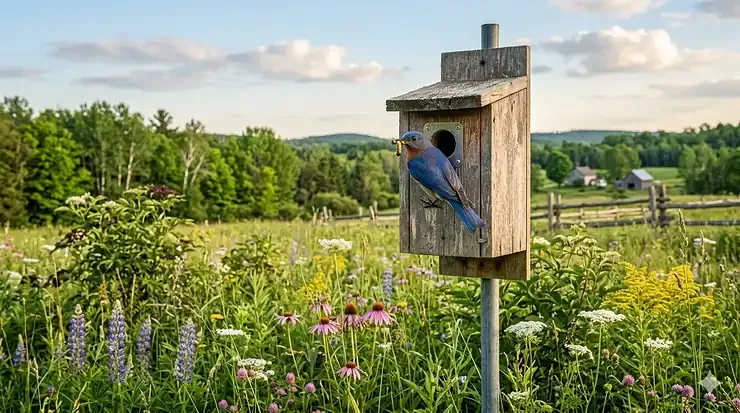
Image source: Bing (Web (fair-use with source credit))
Nest boxes work here too. Bluebird boxes on poles with baffles function in yards as small as 2,000 square feet, provided there's open sky nearby for bluebirds to hunt in.
Branch 2: Suburban Yard with Existing Trees and Shrubbery
This is the easiest starting point. You've got canopy and you've got some structure. If those trees are non-native, consider adding native understory shrubs underneath.
If they're native, you're already ahead.
Add a brush pile at the base. Add a water feature in partial shade. Half the infrastructure is already there.
Branch 3: Rural Property or Acreage
Now you can think bigger. Hedgerows along field edges. A bluebird trail with 20 or more boxes.
Barn owl boxes in outbuildings. Standing snags left in place where safe to do so.
Native grass meadow areas you mow once or twice a year instead of weekly make a massive difference. They support ground-nesting species and seed-producing insects.
Branch 4: Balcony, Patio, or Rental-Only Space
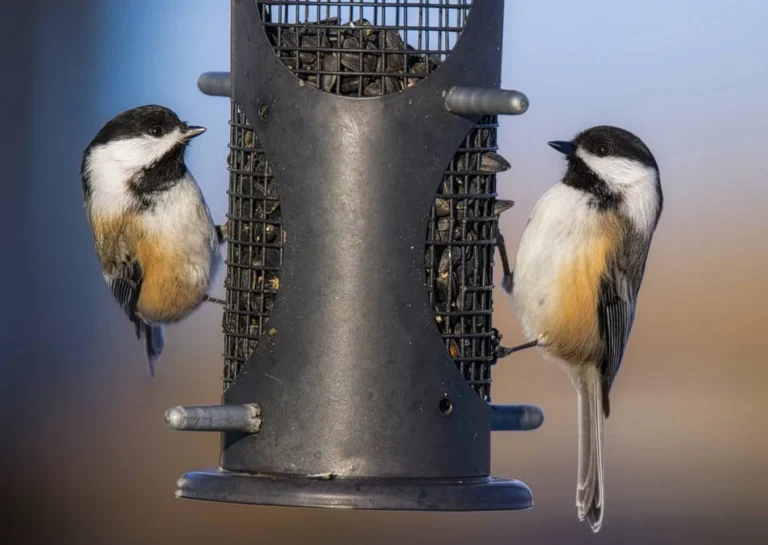
Container habitat works. Native plants in large pots, a shallow water dish on a shelf, and a hanging suet feeder will bring chickadees and wrens in close. You won't get the full habitat effect, but you'll support real birds, not just window gulls.
Step-by-Step Workflow: Building Your Bird Habitat in the Right Order
The order matters. Plant first, then build. If you install nest boxes before your food plants are established, you'll attract nothing.
| Step | Action | Timing |
|---|---|---|
| 1 | Assess site: sun, soil, zone, predators | Before planting |
| 2 | Source native plants from local nurseries | Early spring or fall |
| 3 | Plant in dense clusters, not spaced rows | Planting season |
| 4 | Install water feature (bath, drip, or pond) | After planting |
| 5 | Mount nest boxes with predator guards | Before breeding season (March) |
| 6 | Set up feeders only after habitat is in place | Year-round |
| 7 | Monitor and log bird visits monthly | Ongoing |
Native plant establishment takes two to three growing seasons before the habitat fully functions. That's normal. Don't give up in year one when the birds haven't shown up yet.
Plant density is key. Think wild, not landscaped. Clumps of native shrubs and grasses beat evenly spaced ornamental rows every time.
The Cornell Lab of Ornithology publishes excellent free resources on nest box placement and maintenance that every habitat builder should reference.
Mistakes to Avoid (The Ones That Kill Your Habitat Before It Works)
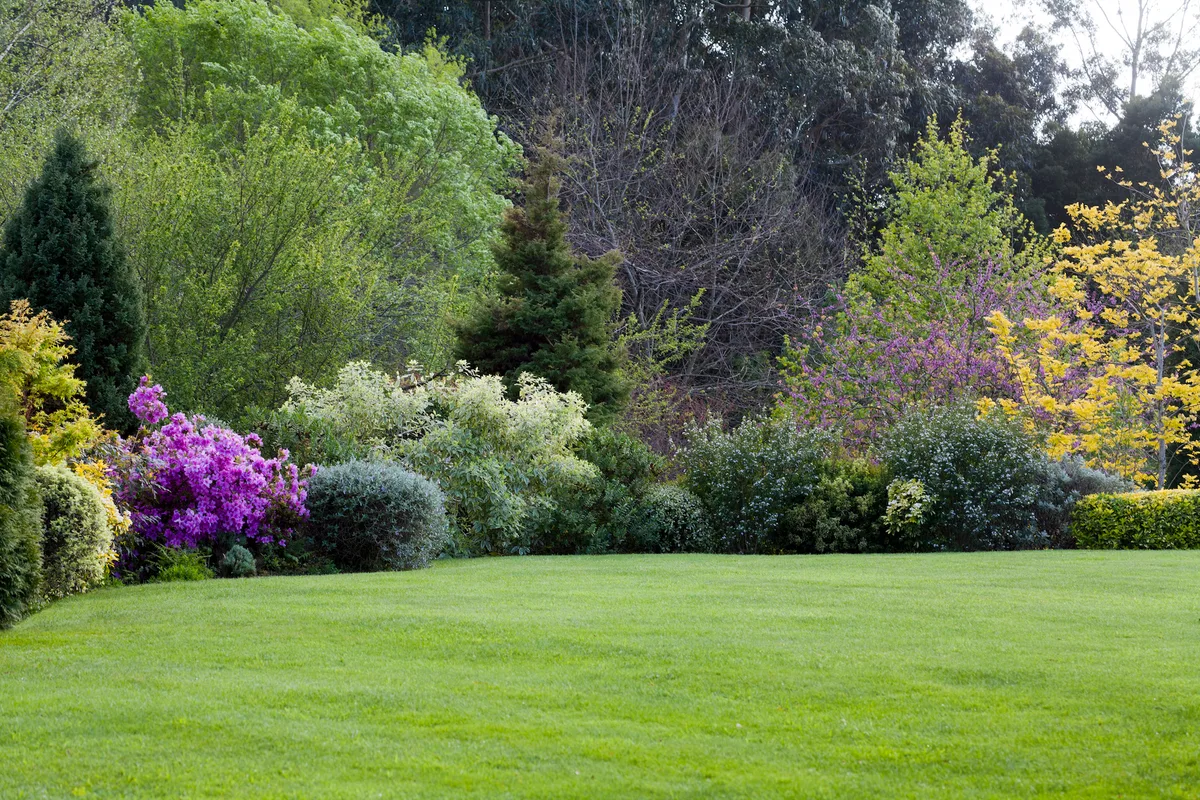
Image source: Bing (Web (fair-use with source credit))
The biggest mistake: treating habitat like decoration. Pretty plants aren't habitat plants. If a shrub doesn't host native insects or produce native berries, it doesn't belong in your habitat plan.
- Planting non-native ornamentals instead of native species. Non-native plants host almost no native caterpillars. Baby birds need those caterpillars.
- Spacing plants in neat rows. Habitat plants need to form dense clusters. Sparse rows create no usable cover.
- Ignoring predator guards on nest boxes. Raccoons clean out unguarded boxes. Install metal baffles on every pole-mounted box.
- Overfeeding birds. Feeders without habitat backup create dependency. Birds should come for insects and native berries first.
- Cleaning bird baths too rarely. Standing water breeds mosquitoes and spreads avian disease. Change it every one to three days in warm months.
- Removing dead trees and brush. Snags and brush piles are prime habitat for cavity nesters and ground-feeding species.
- Using pesticides. Every spray you apply kills the insect food supply your habitat is supposed to support.
As of 2026, state Cooperative Extension services publish free native plant lists tailored to your exact county. Use them. Guesswork kills habitats faster than any single mistake.
Long-Term Habitat Maintenance and Seasonal Optimization
Habitat doesn't work on autopilot. Once your native plants are in, the maintenance cycle is simple, but skipping it has real consequences.
Spring (March to May). Clean out every nest box before nesting season starts. Remove old nesting material, check entrance holes for damage, and confirm predator guards are intact. Do this before the first bluebirds scout in late winter.
Summer (June to August). Keep water sources clean. Check plant health for any invasives creeping in. Privet and autumn olive will try to take over if you're not watching.
Pull them when you spot them.
Fall (September to November). Leave standing seed heads on native perennials instead of cutting everything back to bare ground. Goldfinches, sparrows, and juncos feed on those seeds through winter. Cut back only what's disease-affected.
Winter (December to February). Keep birdbaths thawed if possible. Install window decals to prevent collisions if your habitat draws birds near glass. Brush piles do double duty as winter shelter for wrens and chickadees.
The National Wildlife Federation's backyard habitat certification program offers seasonal checklists that match this cycle. They're free and region-specific.
Frequently Asked Questions
How long does it take for a bird habitat to start attracting species?
Expect the first visitors within weeks of adding water and feeders. But a functioning habitat, one that supports breeding birds, takes two to three growing seasons. Native plants need time to establish root systems.
That's when insect populations follow.
What's the difference between a bird feeder and a bird habitat?
A feeder offers supplemental food. A habitat provides food, water, shelter, and nesting sites in an integrated ecosystem. Feeders help.
They just don't substitute for the food web that habitat plants create.
Do I need a lot of space to build a bird habitat?
No. Even a 2,000 square foot yard can support a meaningful habitat if you use vertical layering. A native tree, a dense shrub, ground cover, and a water source are enough to get started.
Should I leave my lawn mowed in a habitat zone?
If you're running a native grass meadow area, mow once or twice a year and leave the rest unmowed. For the rest of the habitat, reduce mowing frequency and leave grass patches at 12 inches or more during nesting season.
What's the most important element of a bird habitat?
Water. Research consistently shows that accessible, clean water sources are the single biggest driver of bird visitation to a property, even more than food or nesting sites. Add water first if you're adding anything at all.
Can non-native plants ever work in a bird habitat?
Only if they produce something useful, like berries or seeds that birds eat. Most ornamental non-natives don't. When in doubt, native species host more insects and support more breeding birds than anything else in your yard.
Your Habitat Decision Guide: Choosing the Right Path for Your Situation
Here's how to pick your starting point based on what you're working with. These aren't rankings. They're starting lines.
| Your Situation | Start With This | Add Later |
|---|---|---|
| Small yard, no trees | Native shrub cluster + birdbath | Nest box on pole with baffle |
| Suburban, existing trees | Understory native shrubs + brush pile | Water feature + suet feeder |
| Rural acreage | Bluebird trail + native meadow patches | Hedgerow + barn owl box |
| Balcony or rental space | Container native plants + water dish | Hanging feeder + small nest box |
| HOA-restricted yard | Native ground cover + hidden water source | Container pollinator plants on patio |
The pattern is consistent. Water goes in first, then plants that support insects, then nesting structures. If you can only do one thing this year, install a water source and plant three native shrubs in a cluster.
That's a working start.
For guidance specific to your region, your state's Cooperative Extension service maintains updated native plant lists and habitat design guides. They're free, county-level, and far more reliable than generic plant advice. Check the USDA Natural Resources Conservation Service site to find your local office.