Can Herons Swim
You're curious if herons can swim, and that's a really common question for anyone who spends time watching these majestic birds. While they spend most of their time standing in shallow water, you've probably wondered what happens if they need to cross a deeper patch or get away in a hurry.

Image source: Bing (Web (fair-use with source credit))
Here's the honest truth: herons can swim, but it’s not their preferred method of getting around. They are built as exceptional waders, with long legs perfectly suited for navigating marshes and shallows. The U.S.
Fish and Wildlife Service, for example, consistently categorizes herons primarily as wading birds, highlighting their specialized adaptations for standing and hunting in shallow aquatic environments.
Quick Answer
Herons can swim when necessary, using their legs to paddle and sometimes their wings for propulsion. However, swimming is not their primary mode of locomotion; they are fundamentally waders designed for standing and stalking in shallow water. They will swim to cross deeper areas or escape immediate danger, but they are not built for sustained swimming like ducks or geese.
Heron Swimming: How and When It Happens
So, how do these long-legged birds actually move through the water if they need to? It's a less common sight than their elegant wading, but definitely happens. When a heron needs to cover distance in water that's too deep for comfortable stepping, it'll engage its legs in a paddling motion.
This looks a lot like a doggy paddle, with the legs moving alternately to push water backward and propel the bird forward.
Wing and Leg Action in the Water
While the legs do the main work of paddling, herons will often use their wings in conjunction. These aren't graceful, sustained wingbeats like in flight. Instead, it's usually a more frantic, intermittent flapping to help with buoyancy and provide an extra push.
Imagine trying to swim without fully extending your arms; you might use them for balance and occasional strokes. Herons do something similar, using their broad wings to help them stay afloat and gain momentum. It’s a survival tactic, not a leisurely pursuit.
The Role of Flight vs. Swimming
It's crucial to understand that flight is a heron's first line of defense and primary long-distance travel method. If a heron feels threatened, it will almost always try to fly away first. Swimming becomes an option when flying isn't feasible or effective.
This might be because it's too close to a predator to get airborne, or if it needs to cross a large, unbroken expanse of water. Think of swimming as a fallback strategy, a useful skill in their repertoire, but far from their specialty.
Why Herons Aren't Built for Swimming (Mostly)
If herons can swim, why don't we see them doing it more often? The simple answer is that their entire physical design is geared towards a different lifestyle. They are masters of the shallows, not the open water.
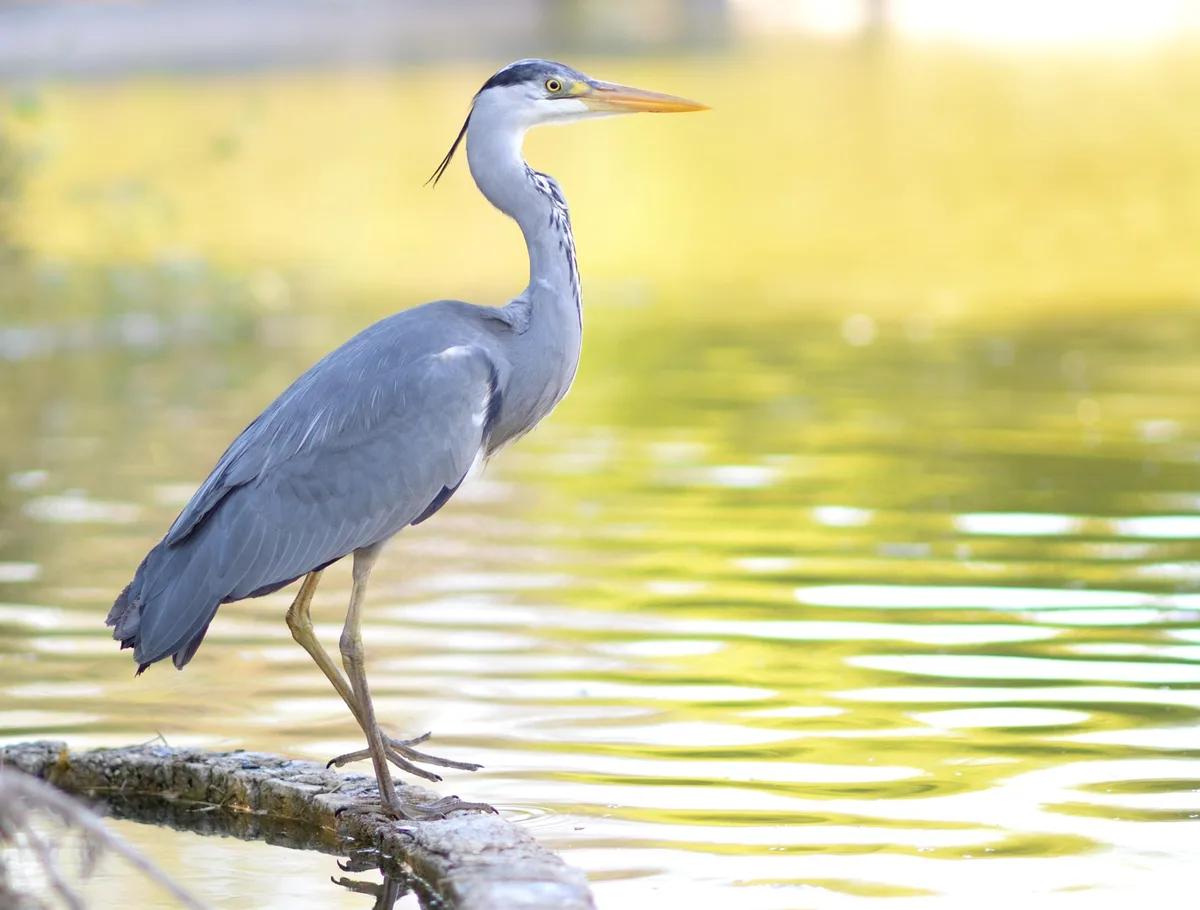
Image source: Bing (Web (fair-use with source credit))
Their long, slender legs, which are so effective for wading and stalking prey, are not ideal for efficient swimming. Unlike ducks with their webbed feet and streamlined bodies, herons have unwebbed toes and a more upright posture that makes sustained swimming a bit cumbersome.
Wading: Their Primary Expertise
Herons are renowned for their patience and skill as waders. Their long legs allow them to stand in water up to their bellies, keeping their bodies dry and their eyesight above the surface. This specialized adaptation allows them to hunt effectively for fish, amphibians, insects, and small mammals that live in or near the water.
Their height gives them a reach advantage, and their keen vision spots prey from a distance. This is their natural hunting ground and how they conserve energy most effectively.
Limitations of Heron Anatomy for Swimming
The anatomy that makes a heron an exceptional wader also limits its swimming capabilities. Their legs are long and thin, not broad and webbed like those of true aquatic swimmers such as ducks or geese. These unwebbed feet provide grip on slippery surfaces but don't offer the surface area needed to efficiently paddle through water.
Furthermore, their body shape is more upright and less streamlined than waterbirds designed for diving and swimming, making them less hydrodynamically efficient. They can propel themselves, yes, but it's more of a functional necessity than an effortless movement.
Real-World Heron Encounters in Water
While we usually picture herons standing statue-still in a marsh, there are specific situations where you might actually witness them swimming. These moments are less about leisure and more about necessity, reflecting their adaptable survival instincts. Observing these instances provides valuable insight into their behavior.
Crossing Waterways Safely
Imagine a heron that needs to get to a new feeding spot across a creek or a small lake. If the water is too deep to walk through comfortably, or if the banks are steep and difficult to navigate, swimming becomes a logical option. A heron might launch itself into the water and paddle across, using its wings for balance and perhaps a few thrusts to gain speed.
This is often a purposeful movement, a calculated decision to reach a desired location efficiently, rather than a random dip.
Escaping Predators: A Quick Paddle
Predators like foxes, coyotes, or even larger birds of prey can pose a threat to herons. If a heron is caught on the ground and cannot take flight immediately, or if it's startled near a body of water, a quick swim can be its escape route. In these moments, the swimming might appear frantic or awkward, driven by adrenaline.
The bird's primary goal is to get away, and it will use whatever means necessary, including paddling furiously to reach cover on the opposite bank or deeper water where the predator might have difficulty pursuing.
Common Misconceptions About Herons and Water
Because herons are so strongly associated with aquatic environments, it's easy for people to assume they are as comfortable in the water as ducks or swans. This leads to a few common misunderstandings about their capabilities and natural behaviors.
Confusing Wading with Swimming
The most frequent misconception is mistaking their deliberate wading for swimming. When a heron stands in water, it's usually hunting. It might move slowly, probe with its beak, or stand perfectly still for long periods.
This controlled, purposeful movement in shallow water is often perceived as swimming by onlookers who aren't familiar with bird behavior. The key difference is intent and depth; wading is active hunting in shallow areas, while swimming is locomotion through deeper water.
Overestimating Their Aquatic Prowess
Because they live near water and spend so much time in it, people often assume herons are excellent swimmers. While they possess the ability, this is a misjudgment of their primary skill set. Unlike waterfowl specifically evolved for swimming, herons are specialists in a different niche.
Their bodies are not optimized for buoyancy or speed in open water. Attributing swimming prowess to them is like expecting a marathon runner to excel at competitive swimming; both are athletic, but the physical demands and training are entirely different.
Expert Tips for Observing Heron Behavior
When you're out watching herons, remember they are wild animals with specific needs and behaviors. Understanding these can help you appreciate them more and avoid disturbing them. It's not about "using" them, but about observing their natural world respectfully.
Recognizing Different Water Movements
Pay attention to how a heron is moving in the water. Is it standing still, slowly probing with its beak, or systematically stepping through the shallows? This is wading, their primary hunting strategy.
If it’s moving more rapidly, with its legs paddling and wings occasionally flapping to propel itself forward through deeper water, that’s swimming. Recognizing these distinct movements helps you understand what the bird is trying to accomplish at that moment.
Respecting Their Natural Habitat
It's vital to give herons plenty of space. Approaching too closely can stress them, even if they don't immediately fly away. This stress can disrupt their feeding or resting patterns.
Maintain a significant distance, use binoculars or a zoom lens for observation, and avoid making sudden noises or movements. Remember that their natural habitat is their home, and we are visitors. Disturbing them can have consequences for their well-being.
Frequently Asked Questions About Herons and Swimming
Do herons swim often?
Herons do not swim often. Swimming is a secondary behavior used when necessary, such as to cross deeper water or escape threats, rather than their primary method of locomotion.
Are herons good swimmers?
Herons are functional swimmers, meaning they can propel themselves through water, but they are not considered good swimmers in the way ducks or geese are. Their anatomy is better suited for wading.
Can herons swim underwater?
No, herons cannot swim underwater. They are air-breathing birds and must keep their heads above water to breathe. Their swimming is exclusively on the surface.
What kind of feet do herons have for swimming?
Herons have unwebbed toes, which are effective for gripping muddy or slippery surfaces when wading but are not efficient for paddling in water compared to the webbed feet of dedicated swimming birds.
Is it harmful to see a heron swimming?
It is not inherently harmful to see a heron swimming, but it usually indicates a situation of necessity or urgency for the bird, such as crossing a difficult water body or escaping danger. It's a sign of their adaptability.