Why Do Parrots Chew Everything
Ever feel like your parrot has a personal vendetta against your furniture, your remote control, or even your houseplants? It's a common, and often frustrating, experience for parrot owners. But trust me, it's usually not about spite.
Chewing is a totally natural, and incredibly important, behavior for our feathered friends.
Think of it like this: for a parrot, chewing isn't just a hobby; it's a way of life. It’s how they explore the world, stay healthy, and just generally be a parrot. So, instead of trying to stop it altogether (which is basically impossible and unfair to them!), the real goal is to understand why they're chewing and then redirect that energy in a way that works for both of you.
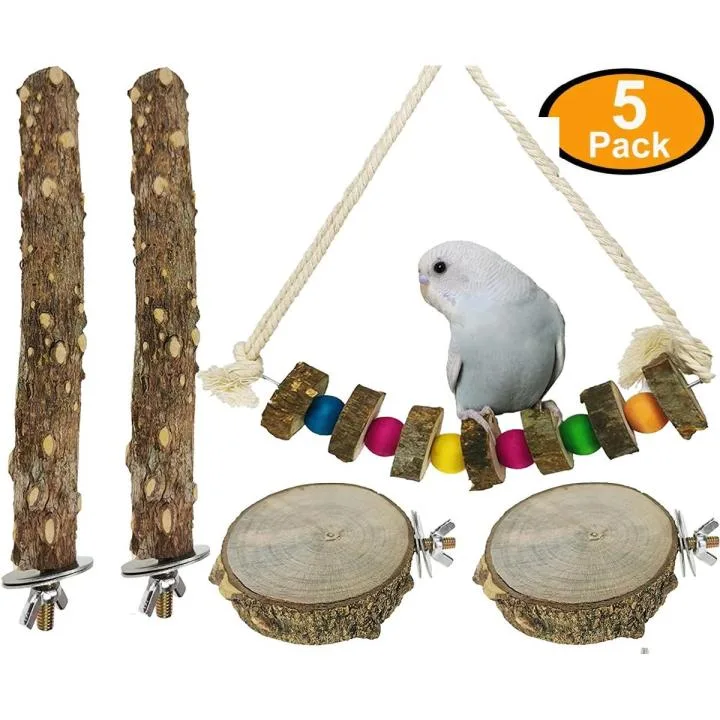
Image source: Bing (Web (fair-use with source credit))
Quick Answer: Parrot Chewing is Natural Exploration and Beak Maintenance
Parrots chew to explore their world, maintain healthy beaks, relieve boredom, and communicate. Chewing is an innate instinct for parrots, serving vital functions from physical health to mental stimulation. As a natural behavior, it requires understanding and redirection rather than suppression.
The Many Reasons Behind Parrot Chewing
Parrots are complex creatures, and their chewing habits are driven by a combination of instinct, environment, and individual needs. It’s more than just a simple destructive act; it’s a fundamental part of their existence. Understanding these underlying reasons is the first step in managing this behavior effectively.
Why Parrots Chew: Beyond Just Boredom
While boredom is definitely a major player, it’s not the only reason your parrot might be enthusiastically dismantling your belongings. Parrot chewing is deeply ingrained in their natural behaviors. In our research, we've identified several key drivers, all tied to their instinctual needs and how they interact with their environment.
Many of these reasons are crucial for their well-being, a principle echoed in avian behavior studies.
Chewing as Parrot Communication and Exploration
For a parrot, a beak is like a highly versatile tool used for everything from climbing and eating to manipulating objects. Chewing is their primary method of exploring new textures, tastes, and materials in their environment. It's how they gather information about the world around them.
- Sensory Input: They use their beaks to feel the texture of wood, paper, or fabric, which provides valuable sensory feedback.
- Problem-Solving: Chewing can be a way for them to investigate an object, figuring out its properties and how it might be used or manipulated.
Is It Boredom, Hormones, or Something Else?
Determining the precise trigger for chewing often requires observing your parrot's environment and routine. A parrot’s behavior can shift significantly based on several factors, and chewing is a common outlet for various internal states. Understanding these variables is key to figuring out a tailored solution.
- Environmental Factors: Changes in their cage setup, new toys, or even the introduction of new people or pets can influence chewing.
- Physiological Factors: As parrots mature, hormonal shifts can also affect their behavior, sometimes leading to increased chewing activity related to nesting instincts or territoriality. According to avian behavior resources, these hormonal cycles are a normal part of a parrot's life.
Creating a Parrot-Approved Chew Toy Paradise
The most effective way to manage destructive chewing is to provide your parrot with an abundance of appropriate, engaging, and safe chew toys. Think of it as giving them a designated chewing zone that satisfies their natural urges. This redirection is far more successful than trying to stop the behavior outright.

Image source: Bing (Web (fair-use with source credit))
Toy Selection: Textures, Safety, and Stimulation
The variety of toys you offer is crucial. Parrots need a range of materials to satisfy different chewing needs and keep their interest piqued.
- Wood: Natural branches, balsa wood, and pine blocks are excellent for satisfying a strong chewing urge.
- Cardboard and Paper: These are softer options that are easily destroyed, offering a quick chew satisfaction.
- Natural Fibers: Woven palm leaves, sisal rope, and other natural fibers provide a different texture and can be knotted or unraveled.
- Puzzle Toys: Toys that require a parrot to manipulate them to get a treat or reward offer significant mental stimulation, which can reduce chewing on inappropriate items out of boredom.
Manufacturer specifications for many bird toys emphasize safety, ensuring materials are non-toxic and free from small, ingestible parts.
Rotating Toys to Keep Interest High
Just like with children, a parrot can quickly grow bored with the same old toys. Regularly rotating their toy selection is essential for sustained engagement.
- Introduce New Toys Weekly: Swap out a few toys every week to keep their environment fresh and exciting.
- Observe Preferences: Pay attention to which types of toys your parrot engages with most. This can give you clues about their preferred textures and chewing styles.
- "Retired" Toys: Don't be afraid to remove toys that are completely destroyed or no longer interesting. This makes the "new" toys more exciting when they reappear later.
This practice aligns with principles of environmental enrichment designed to prevent behavioral issues in captive animals, a topic extensively covered by zoological and avian behavior associations.
Managing Your Parrot's Chewing Habits
Understanding why your parrot chews is one piece of the puzzle; the next is actively managing that behavior. This involves both providing the right outlets and making your home a safer, less tempting environment for their beaks. It's a proactive approach that minimizes frustration for everyone involved.
Parrot-Proofing Your Home: Protecting Your Valuables
Not everything in your home is a safe or appropriate chew item for a parrot. To protect your belongings and, more importantly, your bird's safety, it’s crucial to "parrot-proof" accessible areas. This means making a conscious effort to remove or secure potential hazards and temptations.

Image source: Bing (Web (fair-use with source credit))
- Electrical Cords: These are a major hazard, as chewing them can lead to electrocution. Use cord covers or keep them completely out of reach.
- Toxic Plants: Many common houseplants are toxic to birds. Research your plants and remove any that are dangerous, or keep them in areas your parrot cannot access.
- Small Objects: Anything small enough to be swallowed can pose a choking hazard. Secure small decorative items or keep them out of reach.
- Valuable Furniture: If your parrot has a favorite piece of furniture to gnaw on, consider covering it with a washable throw or placing a playstand nearby.
This proactive approach to home safety for pets is a common recommendation from veterinary health organizations focused on animal welfare.
Redirecting Chewing: What to Do in the Moment
When you catch your parrot chewing on something they shouldn't, the key is to intervene calmly and redirect their attention. Avoid yelling or punishing, as this can create fear and anxiety, potentially worsening the behavior.
- Immediate Intervention: As soon as you notice inappropriate chewing, gently interrupt them.
- Offer an Alternative: Have an appropriate chew toy readily available. Hold it out to them and encourage them to take it.
- Positive Reinforcement: When they start chewing the toy, offer praise and maybe a small, healthy treat. This teaches them what is acceptable to chew.
This redirection strategy is a cornerstone of positive reinforcement training for animals, often detailed in guides from animal behaviorist associations.
Enrichment Activities to Combat Destructive Chewing
Beyond toys, a mentally stimulated parrot is less likely to engage in destructive chewing out of boredom or frustration. Enrichment activities tap into their natural intelligence and instincts.
- Foraging: Hide food or treats in puzzle toys or around their cage for them to "forage" for. This mimics their natural behavior and provides a rewarding challenge.
- Training: Engaging in basic training sessions, like teaching them to step up or fetch a small object, is excellent mental exercise.
- Social Interaction: Simply spending quality time with your parrot, talking to them, and letting them be part of your activities can significantly reduce feelings of isolation or boredom.
These enrichment strategies are widely recommended by institutions focusing on animal welfare and behavior, aiming to improve the quality of life for captive animals.
Mistakes Parrot Owners Make with Chewing
Understanding your parrot's chewing behavior is vital, but it's easy to fall into common traps. These mistakes can lead to continued destruction, frustration, and potentially impact your parrot's well-being. Recognizing them is the first step toward correction.
Overlooking Natural Instincts
The biggest mistake is treating chewing as purely a behavioral problem that needs to be "fixed" by stopping it entirely. Parrots have a biological need to chew; their beaks grow continuously and require wear. Denying them this outlet can lead to overgrown beaks, frustration, and redirected, more problematic behaviors.
- Beak Health: A parrot's beak can grow up to 1/4 inch per month, similar to how human fingernails grow. Without adequate chewing, it can become overgrown, leading to difficulty eating or even injury.
- Instinctual Drive: Chewing is as natural to a parrot as foraging or preening. Suppressing it goes against their fundamental nature.
Underestimating Toy Variety
Simply providing one or two basic chew toys isn't enough for most parrots. They need a diverse selection to keep them engaged and to satisfy different chewing preferences. A parrot might enjoy shredding soft paper one day and gnawing on hard wood the next.
Offering a limited range can lead them to seek out other, less desirable items.
- Material Diversity: Ensure you offer toys made of wood, cardboard, paper, natural fibers, and even bird-safe plastics.
- Activity Level: Mix in foraging toys that dispense treats and puzzle toys that require problem-solving, alongside simple shreddable items.
Neglecting Supervision
Allowing parrots unsupervised free-roam time without a parrot-proofed environment or appropriate toys nearby is a recipe for disaster. This is when your prized possessions and their safety are most at risk. Supervision allows you to intervene when they go for something inappropriate and redirect them to a suitable toy.
- Real-Time Redirection: When you see them approaching something off-limits, you can calmly offer them a toy, reinforcing good behavior.
- Safety Check: Unsupervised time increases the risk of accidental ingestion of toxic substances or injury from chewing electrical items.
Your Decision Guide: What Your Parrot's Chewing Means
Figuring out why your parrot chews everything is like putting together a puzzle. Each piece of information helps you make the best decisions for their happiness and your home. By following a logical approach, you can pinpoint the cause and implement the right solutions.
If your parrot chews aggressively on everything in sight:
- Consider if they have enough appropriate chew toys. If not, increase variety and frequency of toy rotation.
- Assess their daily enrichment. Are they getting enough mental stimulation through foraging, training, or social interaction? If not, incorporate more activities.
If chewing seems focused on specific items (e.g., wires, furniture):
- Immediately parrot-proof the area. Secure wires, cover furniture, or restrict access.
- Provide a more appealing alternative. Offer a highly desirable toy just as they start to chew the forbidden item.
If chewing is sudden or seems excessive and is accompanied by other changes (e.g., lethargy, loss of appetite):
- Consult an avian veterinarian. This could indicate an underlying health issue or significant stress.
By systematically evaluating these possibilities, you can move from confusion to clear action, ensuring your parrot's needs are met while protecting your home.
Parrot Chewing: Frequently Asked Questions
Why does my parrot chew my furniture?
Parrots chew furniture because it offers varied textures and can be satisfying to dismantle. It's often a sign of boredom or a lack of appropriate chew toys. Providing plenty of safe, bird-friendly chew toys and bird-proofing your furniture can redirect this behavior.
Is it normal for a parrot to chew wood?
Yes, chewing wood is a completely normal and healthy behavior for parrots. It helps maintain their beak's health by wearing it down as it grows, and it satisfies their instinctual need to chew. Ensure the wood is from safe, untreated sources.
How can I stop my parrot from destroying my belongings?
You can't completely stop a parrot from chewing, but you can manage it by providing ample safe chew toys and enrichment activities. Parrot-proofing your home is also essential. Redirecting their chewing to appropriate items with positive reinforcement is more effective than punishment.
What kinds of toys are best for parrots that chew a lot?
Parrots that chew a lot benefit from a variety of durable, safe chew toys. Look for options made from wood, natural fibers, cardboard, and paper. Puzzle toys that require manipulation and offer rewards are excellent for mental stimulation and can decrease chewing on inappropriate items.
Always ensure toys are appropriately sized and free from small parts that could be ingested.