Why Do Robins Tilt Their Heads
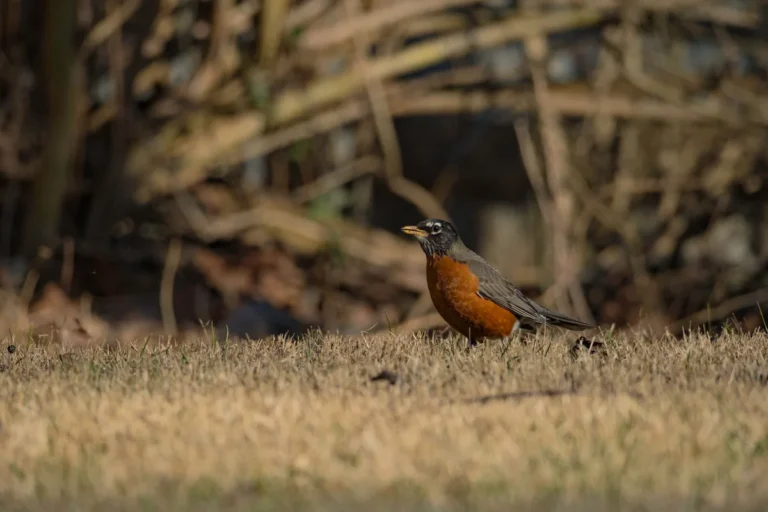
You've seen it: that quick, almost quizzical tilt of a robin's head, often when it's pausing in the grass. It looks so curious, like it's trying to get a better look at something. While this behavior is undeniably charming, it's actually a sophisticated survival mechanism.
There's a science behind this common bird behavior, deeply rooted in how robins perceive their world. In our research, we've found that this head-tilting is a key part of their strategy for locating food, especially the hidden earthworms and insects that make up a significant portion of their diet. As of 2026, understanding these avian adaptations provides a fascinating glimpse into animal intelligence and sensory perception.
Quick Answer
Robins tilt their heads to improve their ability to see and hear. Their eye placement limits depth perception, so tilting helps them pinpoint prey. It also adjusts their ear openings to better locate faint sounds from creatures underground.
This quick adjustment maximizes their chances of a successful hunt.
The Seeing and Hearing Advantage of a Head Tilt
Robins, like many birds, have developed a unique set of adaptations to thrive in their environment. The head tilt isn't just for show; it's a critical tool in their daily survival. It directly impacts their ability to gather vital information about their surroundings, primarily concerning potential meals.
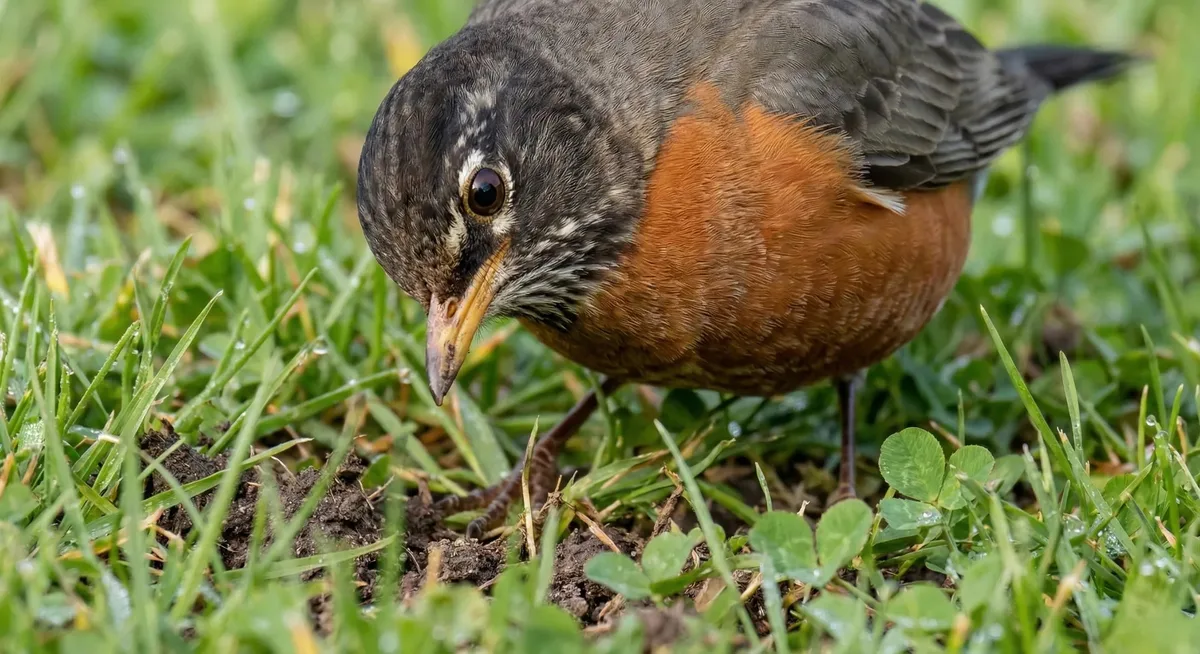
Image source: Bing (Web (fair-use with source credit))
Sharpening Vision to Spot Prey
Birds have eyes positioned on the sides of their heads, granting them a wide field of vision. This is excellent for spotting predators approaching from any direction, a crucial survival trait. However, this lateral eye placement means they don't have the same focused, binocular vision that humans possess.
To compensate, a robin will tilt its head. This simple movement allows it to adjust the angle of its eyes, which can help in several ways. It can improve their depth perception, allowing them to better judge distances to small prey items.
It also helps them to see around their own beak, which can sometimes obstruct their direct line of sight to something right in front of them. This precise adjustment is key for successful hunting.
Tuning In to Faint Sounds
Beyond vision, hearing plays an equally important role in a robin's foraging success. The subtle rustling of an earthworm just beneath the soil surface, or the scuttling of insect larvae, can be incredibly faint. Birds' ears are often covered by feathers, which can muffle sounds.
When a robin tilts its head, it's not just about vision; it's also about sound localization. By shifting its head, the bird can adjust the position of its ear openings relative to the sound source. This allows it to better pinpoint the direction and intensity of those faint underground noises.
Think of it as a natural way to amplify and focus on specific auditory cues, much like you might cup your hand behind your ear to catch a quiet conversation.
How a Robin's Eyes and Ears Work Together
The interplay between a robin's vision and hearing is what makes its head tilt so effective. It's a coordinated effort between two sensory systems to overcome inherent limitations and enhance its hunting capabilities. This isn't a random act but a finely tuned behavior honed over millennia.
Understanding Bird Vision
The structure of a bird's eye is optimized for different needs than ours. Most birds, including robins, have eyes that are large relative to their head size, and they are positioned more to the sides of their skulls. This configuration provides a nearly 360-degree field of view, making it difficult for predators to surprise them.
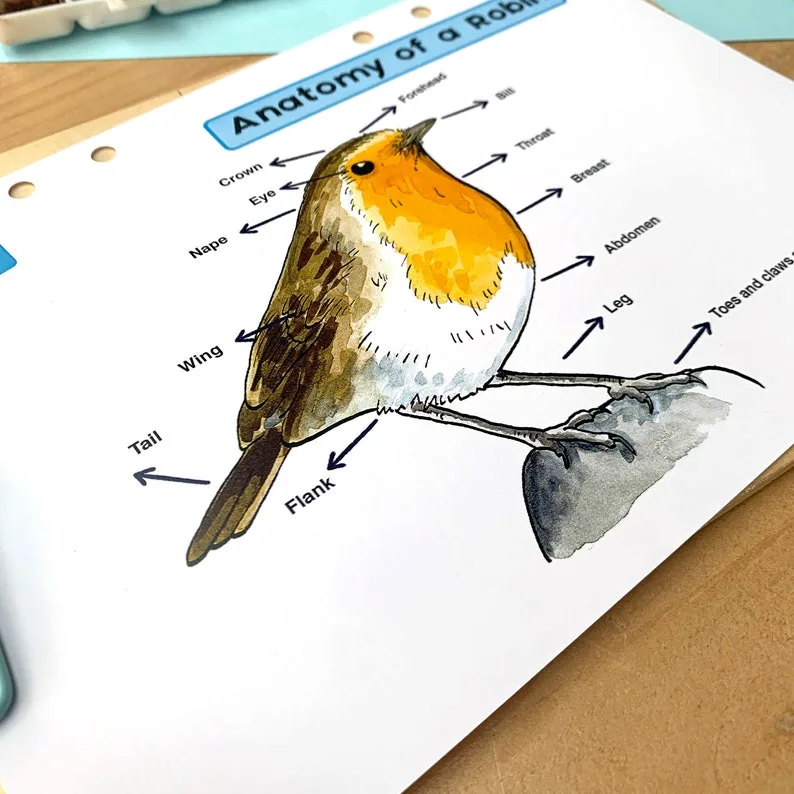
Image source: Bing (Web (fair-use with source credit))
However, this wide peripheral vision comes at the cost of overlap between the visual fields of the two eyes. While some birds have excellent binocular vision for tasks like diving or catching insects in flight, ground-foraging birds like robins rely on this head-tilting maneuver to gain better depth perception. This adjustment allows them to accurately assess distances, which is vital for striking at a moving target beneath the surface.
The Role of Hearing in Hunting
While vision helps them scan their environment, hearing often provides the precise cue for a robin to investigate a specific spot. Earthworms and many insect larvae move through the soil, creating subtle vibrations and sounds. These sounds, though often inaudible to humans, are picked up by a robin's sensitive hearing.
The feathers covering a robin's ear openings can act as a partial sound barrier. By tilting its head, the bird can alter how these feathers and its skull interact with incoming sound waves. This allows it to better isolate the direction and distance of the sound, effectively creating a "sound map" of its immediate surroundings.
This auditory targeting is critical for striking accurately at prey that can't be seen.
When Do Robins Tilt Their Heads?
The behavior of head-tilting in robins is most frequently observed during their active foraging periods. It's a clear indicator that the bird is engaged in the critical task of finding its next meal. Understanding the context of these tilts can offer a deeper appreciation for their daily lives.
Foraging for Earthworms
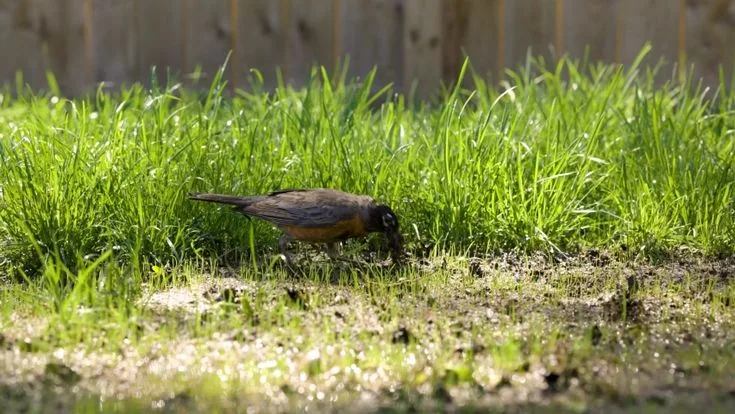
Robins are well-known for their diet, which prominently features earthworms. These invertebrates are found in the soil, and their presence isn't always obvious from above. When a robin is out on the lawn or in a garden, it's often on the lookout for the tell-tale signs of worm activity.
A robin might be walking along, pause, and then tilt its head. This pause is deliberate. It's trying to detect the subtle sounds of a worm moving through the soil or the faint vibrations it creates.
If it hears or feels something promising, the head tilt helps it refine the location. After a successful auditory or tactile assessment, the robin might freeze momentarily before making a swift peck into the ground to extract its prize.
Listening for Hidden Insects
While earthworms are a favorite, robins also supplement their diet with a variety of insects, grubs, and other small invertebrates. Many of these creatures also live in or just under the surface of the soil, or within leaf litter. Their movements can also create faint sounds that a robin can detect.
Image source: Bing (Web (fair-use with source credit))
Similar to hunting worms, the head tilt is employed when a robin suspects there might be prey nearby but can't clearly see it. This could be a beetle larva burrowing through the topsoil or an insect nymph hidden in dense grass. The tilt helps the robin triangulate the sound, allowing it to focus its attention and direct its beak with precision to uncover the hidden meal.
This sensory focus is a hallmark of effective natural predators.
Common Mistakes When Observing Robins
As observers, we sometimes fall into predictable patterns of interpretation when watching wildlife. When it comes to robins and their head tilts, there are a few common misconceptions that can lead us astray. Understanding these mistakes helps us appreciate the actual behavior more accurately.
One of the most frequent misinterpretations is that the head tilt is purely an expression of curiosity or cuteness, without a functional purpose. While robins are indeed curious birds, this specific posture is far more than just an emotional display. It's a problem-solving behavior, directly linked to their sensory input.
Another mistake is assuming the bird is solely relying on its vision. While visual cues are important, the auditory component is often the primary driver for the head tilt, especially when hunting underground prey. We might see a robin pause and tilt its head, and assume it's "looking" for something, when in fact, it's often "listening" intently.
Failing to acknowledge the significance of their hearing can lead to an incomplete understanding of the behavior's purpose.
Expert Tips on Robin Behavior
Understanding the nuances of robin behavior can enrich your appreciation for these common garden visitors. Based on ornithological research, here are a few key insights that go beyond the surface-level observations. These tips are designed to help you better interpret what you're seeing.
- Context is Key: Always observe the robin's surroundings and its actions. Is it in a grassy area? Is it near dense foliage? Is it actively pecking at the ground? These contextual clues, combined with the head tilt, will paint a clearer picture of its intent.
- Listen with Them (Figuratively): Try to imagine what subtle sounds might be present that you can't hear. The rustle of an insect, the movement of a worm, these are the signals that often trigger the tilt. This mental exercise helps shift your focus from just what you see to what the bird might be perceiving.
- Patience Pays Off: Robins often freeze for a moment before and after a head tilt. Resist the urge to move or make noise, as this can startle them and disrupt their foraging. Observing these pauses allows you to see the complete sequence of their actions, from detection to capture.
- Recognize the Strike: A successful head tilt often precedes a quick, decisive peck into the ground. This "strike" is the culmination of their sensory effort and confirms that the tilt was effective in locating prey. Witnessing this is a direct confirmation of the behavior's purpose.
Frequently Asked Questions About Robin Head Tilts
Why do robins tilt their heads when they walk?
Robins tilt their heads primarily to improve their ability to hear and see. Their eye placement limits binocular vision, so tilting helps them pinpoint prey and assess distances. It also adjusts their ear openings to better locate faint sounds from creatures underground.
Is a robin tilting its head because it's curious?
While they can be curious, the head tilt is usually a functional behavior related to foraging. It's a sensory adjustment to gain better auditory or visual information about potential food sources, rather than just a simple expression of curiosity.
Do all birds tilt their heads?
Many birds tilt their heads, but the specific reasons can vary depending on the species. For ground-foraging birds like robins, it's strongly linked to detecting prey. Some birds might do it to get a better look at unfamiliar objects or to improve their hearing in different environments.
Can robins hear sounds we can't?
Robins have sensitive hearing, capable of detecting subtle sounds like the movement of earthworms or insects underground. While they may not hear frequencies far beyond our range, they are exceptionally good at localizing faint sounds from their immediate environment, a skill amplified by the head tilt.