Why Are Macaws so Colorful
Ever find yourself staring at a macaw, completely mesmerized by its brilliant plumage? You're not alone. Their dazzling colors aren't just pretty to look at; they're a result of fascinating biology and physics working together.
We've dug into the science to break down exactly what makes these birds nature's most vibrant masterpieces.
The vibrant hues on a macaw are a complex interplay of pigments, feather structure, and diet. For instance, the intensity of their reds and yellows can often be traced back to dietary carotenoid intake, with specific levels of these pigments being crucial for certain species. Understanding these elements reveals the deep biological and evolutionary reasons behind their stunning appearance.
Quick Answer
Macaws are so colorful because their feathers contain specialized pigments and intricate microscopic structures. Pigments like melanins and carotenoids provide foundational colors, while the physical arrangement of feather barbules scatters light to produce brilliant blues and greens. Their diet directly influences the richness of carotenoid-based colors, and these vibrant displays serve crucial roles in communication and survival within their environments.
The Science Behind Those Stunning Macaw Colors
Why Do Macaws Look Like a Rainbow Exploded?
It's a question that sparks wonder: why are macaws so colorful? It seems almost excessive, doesn't it? Like nature went on a vibrant spree.
But beneath those breathtaking displays lies a sophisticated biological system. Their colors aren't just random; they're a direct result of specific pigments and the incredibly complex architecture of their feathers. This intricate combination allows them to produce hues that range from the deepest blues and greens to the most fiery reds and yellows.
This visual spectacle plays a vital role in their lives, from attracting mates to warning off predators. Their coloration is a key adaptation that helps them thrive in their natural habitats. We'll explore the pigments responsible and the feather science that makes these birds so uniquely spectacular.
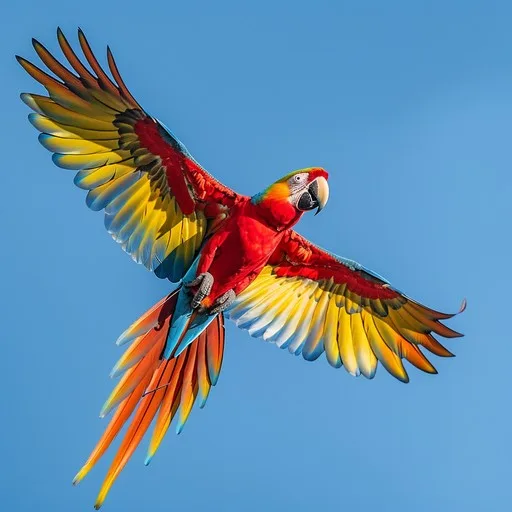
Image source: Web (Bing) / fity.club (Web image (fair-use with source credit))
Pigments: The Paintbox in Their Feathers
The foundation of a macaw's color comes down to pigments, which are essentially colored compounds that absorb certain wavelengths of light and reflect others. Think of them as the actual paint molecules that give feathers their base hues. Macaws, like many birds, utilize two primary categories of pigments to achieve their incredible spectrum of colors.
Melanins: The Darker Side of Their Palette
Melanins are the workhorses of avian pigmentation. These are dark pigments, responsible for blacks, browns, grays, and even some muted yellowish tones. They are produced within the bird's own body, through a complex biochemical process.
- Durability: Melanin pigments are known for their stability and resistance to fading from sunlight. This means that the darker colors on a macaw, like the black or dark gray markings often found on their wings or faces, are quite durable.
- Structural Support: Beyond just color, melanin can also affect the physical properties of feathers, making them stronger and more resistant to wear and tear.
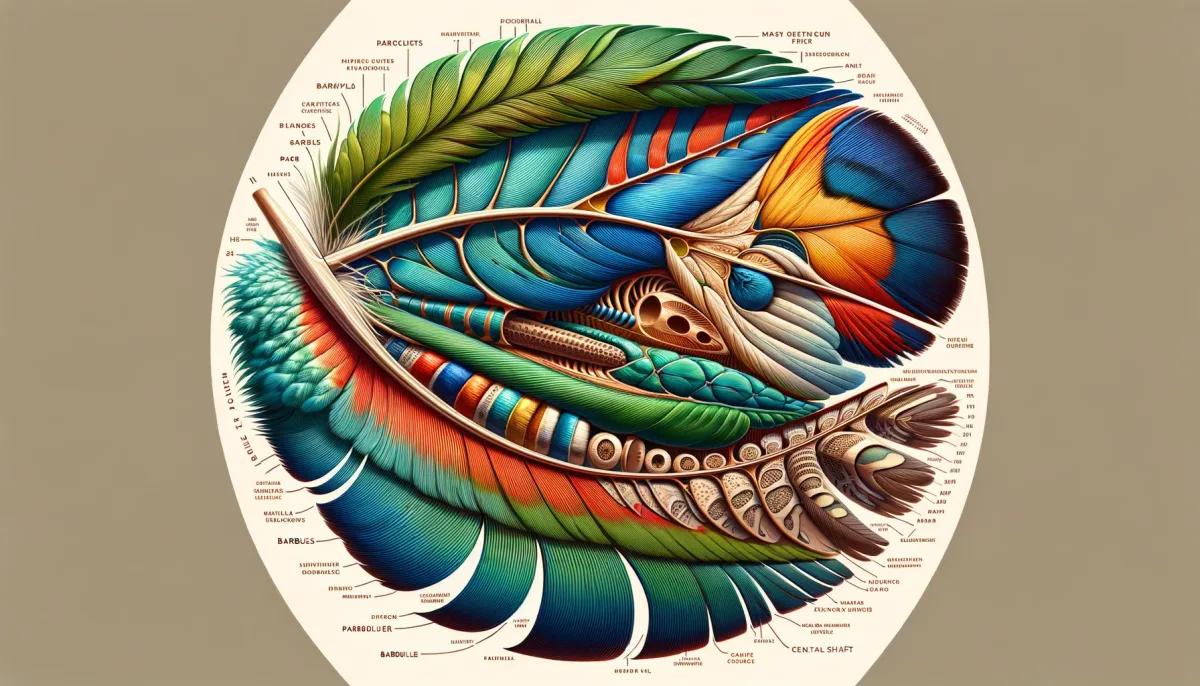
Image source: Bing (Web (fair-use with source credit))
Carotenoids: Nature's Brightener from Food
This is where the real vibrancy comes in. Carotenoids are a group of pigments that birds cannot produce themselves. They must obtain them directly from their diet, primarily from fruits, vegetables, seeds, and flowers.
- Dietary Dependence: The more carotenoid-rich foods a macaw eats, the more brilliant its yellow, orange, and red plumage can become. If a macaw's diet is lacking in these specific nutrients, its colors will be duller. This makes their plumage a direct indicator of their health and access to resources.
- Variety of Colors: Different types of carotenoids produce different colors. For example, lutein and zeaxanthin are common carotenoids that contribute to yellow and orange hues, while others can produce reds.
Feather Structure: Where Light Gets Tricky
While pigments provide the base colors, some of the most stunning and iridescent hues on a macaw aren't solely from pigments. Instead, they arise from the way light interacts with the physical, microscopic structure of the feathers themselves. This is known as structural coloration, and it's responsible for those electric blues and vibrant greens that seem to glow.
How Microscopic Details Create Blue and Green
Macaw feathers, like all bird feathers, are made up of a central shaft with barbs branching off, and then smaller barbules branching off those barbs. It's the arrangement and size of these microscopic barbules that create structural colors.
- Light Scattering: When light hits these finely tuned structures, it scatters in specific ways. Certain wavelengths of light are reflected more strongly, while others are absorbed or pass through.
- The Blue Effect: The brilliant blues seen on macaws are typically structural. The barbules are arranged to scatter shorter, blue wavelengths of light more effectively than other colors. This is similar to why the sky appears blue, light scattering in the atmosphere.
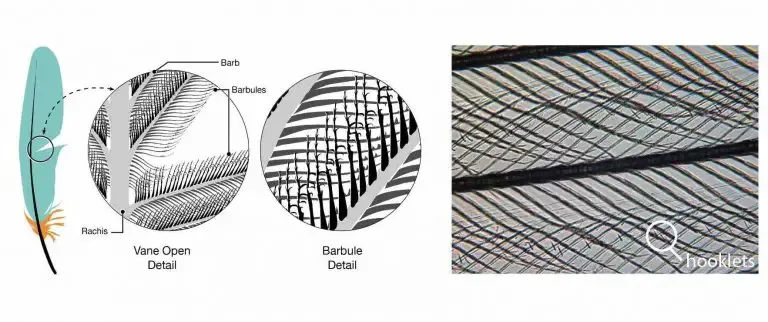
Image source: Bing (Web (fair-use with source credit))
The Magic of Light Scattering
This phenomenon of light scattering is crucial. It's not about a blue pigment being present; it's about the feather's physical design manipulating light. The specific angles and spacing of the feather's microscopic elements determine which colors are most visible to our eyes.
- Green Hues: Greens are often a combination of structural blue and yellow pigments. The feather structure might scatter blue light, and the underlying yellow pigment absorbs some of that blue while reflecting yellow. When the reflected yellow light mixes with the scattered blue light, we perceive green.
- Iridescence: In some birds, structural coloration can lead to iridescence, where colors shift and change depending on the viewing angle. While not as pronounced in all macaws as in some other bird species, the principles of light interaction are similar.
It's More Than Just Looking Good: The Purpose of Color
All this dazzling color isn't just for show; it serves critical evolutionary and survival functions for macaws. Their vibrant plumage is a key tool in their daily lives, impacting how they interact with their environment and each other.
Talking to Each Other: Communication and Recognition
Coloration acts as a visual language for macaws. The intensity and specific patterns of their feathers play a significant role in their social lives, especially during breeding seasons.
- Mate Attraction: Brighter, more vivid colors often signal a healthy, strong bird to potential mates. A macaw with a full, brilliant set of feathers is likely to be perceived as a more desirable partner, indicating good genes and a robust immune system.
- Species Identification: In the dense, visually complex environment of a rainforest, distinct color patterns help macaws quickly identify members of their own species. This is vital for flock cohesion and avoiding confusion with other bird species.
- Social Signaling: Different color patches on a macaw's body can also convey information about its status within a flock, its mood, or its intentions, helping to maintain social order.
Blending In: Camouflage in the Canopy
While their colors seem exceptionally bright to us, in the context of their native rainforest habitat, they can actually provide a surprising degree of camouflage. The vibrant, varied colors of the rainforest canopy, from lush green leaves and colorful fruits to bright flowers, can help break up the macaw's outline.
- Disruptive Coloration: The patches of red, blue, and yellow can blend into the dappled sunlight and varied colors of the foliage. This makes it harder for predators to spot them as they perch among the leaves and branches.
- Habitat Matching: The combination of colors can mimic the natural palette of their environment, making them less conspicuous to both predators and prey.
Standing Out: Warning Signals
In some cases, intense coloration can also serve as an honest signal of unpalatability or toxicity. While macaws aren't typically considered toxic, their striking appearance can act as a deterrent to potential predators.
- Aposematism: The bright colors can function as a form of aposematism, a warning signal that effectively says, "I am not an easy meal." Predators might learn to associate these vivid colors with a negative experience or simply a lack of nutritional reward, choosing to hunt less conspicuous prey instead.
How Diet Fuels Their Dazzling Hues
The connection between a macaw's diet and its stunning colors is incredibly direct, especially when it comes to those brilliant reds, oranges, and yellows. Unlike melanin pigments, which birds produce internally, carotenoids are entirely dependent on what the macaw eats. This means their diet is a literal building block for their most vibrant plumage.
Macaws are primarily frugivores and herbivores, with their diets consisting of fruits, nuts, seeds, flowers, and some insects. These plant-based foods are rich sources of carotenoid pigments. When a macaw consumes these carotenoids, they are absorbed into its bloodstream and then deposited into the developing feather follicles.
The more carotenoid-rich foods available and consumed, the more intensely these colors can manifest. For instance, research indicates that dietary carotenoid intake significantly correlates with plumage brightness in many bird species. This dependency highlights a crucial aspect of macaw health and vibrancy: a balanced and nutrient-rich diet is essential for maintaining their spectacular coloration, and variations in diet can lead to noticeable differences in color intensity between individuals and populations.
Common Misconceptions About Macaw Colors
Despite their vivid appearance, there are a few popular beliefs about macaw colors that aren't quite accurate. One common thought is that their colors are purely genetic, meaning a chick is born with its full spectrum already determined and unchangeable. While genetics do lay the groundwork for pigment production and feather structure, it's the dietary intake, particularly of carotenoids, that fine-tunes the intensity of reds, oranges, and yellows.
So, while genes dictate if a macaw can be red, its diet dictates how red it can become.
Another misconception is that structural colors, like the blues and greens, are actively produced by the bird. In reality, these colors are a physical phenomenon, a result of light interacting with the feather's architecture. The bird doesn't "make" blue light; its feathers are designed to reflect blue light.
This distinction is important because it shows how much environment and physical structure contribute to a macaw's appearance, not just internal biology.
How Diet Fuels Their Dazzling Hues
The connection between a macaw's diet and its stunning colors is incredibly direct, especially when it comes to those brilliant reds, oranges, and yellows. Unlike melanin pigments, which birds produce internally, carotenoids are entirely dependent on what the macaw eats. This means their diet is a literal building block for their most vibrant plumage.
Macaws are primarily frugivores and herbivores, with their diets consisting of fruits, nuts, seeds, flowers, and some insects. These plant-based foods are rich sources of carotenoid pigments. When a macaw consumes these carotenoids, they are absorbed into its bloodstream and then deposited into the developing feather follicles.
The more carotenoid-rich foods available and consumed, the more intensely these colors can manifest. For instance, research indicates that dietary carotenoid intake significantly correlates with plumage brightness in many bird species. This dependency highlights a crucial aspect of macaw health and vibrancy: a balanced and nutrient-rich diet is essential for maintaining their spectacular coloration, and variations in diet can lead to noticeable differences in color intensity between individuals and populations.
Common Misconceptions About Macaw Colors
Despite their vivid appearance, there are a few popular beliefs about macaw colors that aren't quite accurate. One common thought is that their colors are purely genetic, meaning a chick is born with its full spectrum already determined and unchangeable. While genetics do lay the groundwork for pigment production and feather structure, it's the dietary intake, particularly of carotenoids, that fine-tunes the intensity of reds, oranges, and yellows.
So, while genes dictate if a macaw can be red, its diet dictates how red it can become.
Another misconception is that structural colors, like the blues and greens, are actively produced by the bird. In reality, these colors are a physical phenomenon, a result of light interacting with the feather's architecture. The bird doesn't "make" blue light; its feathers are designed to reflect blue light.
This distinction is important because it shows how much environment and physical structure contribute to a macaw's appearance, not just internal biology.
How Diet Fuels Their Dazzling Hues
The connection between a macaw's diet and its stunning colors is incredibly direct, especially when it comes to those brilliant reds, oranges, and yellows. Unlike melanin pigments, which birds produce internally, carotenoids are entirely dependent on what the macaw eats. This means their diet is a literal building block for their most vibrant plumage.
Macaws are primarily frugivores and herbivores, with their diets consisting of fruits, nuts, seeds, flowers, and some insects. These plant-based foods are rich sources of carotenoid pigments. When a macaw consumes these carotenoids, they are absorbed into its bloodstream and then deposited into the developing feather follicles.
The more carotenoid-rich foods available and consumed, the more intensely these colors can manifest. For instance, research indicates that dietary carotenoid intake significantly correlates with plumage brightness in many bird species. This dependency highlights a crucial aspect of macaw health and vibrancy: a balanced and nutrient-rich diet is essential for maintaining their spectacular coloration, and variations in diet can lead to noticeable differences in color intensity between individuals and populations.
Common Misconceptions About Macaw Colors
Despite their vivid appearance, there are a few popular beliefs about macaw colors that aren't quite accurate. One common thought is that their colors are purely genetic, meaning a chick is born with its full spectrum already determined and unchangeable. While genetics do lay the groundwork for pigment production and feather structure, it's the dietary intake, particularly of carotenoids, that fine-tunes the intensity of reds, oranges, and yellows.
So, while genes dictate if a macaw can be red, its diet dictates how red it can become.
Another misconception is that structural colors, like the blues and greens, are actively produced by the bird. In reality, these colors are a physical phenomenon, a result of light interacting with the feather's architecture. The bird doesn't "make" blue light; its feathers are designed to reflect blue light.
This distinction is important because it shows how much environment and physical structure contribute to a macaw's appearance, not just internal biology.
How Diet Fuels Their Dazzling Hues
The connection between a macaw's diet and its stunning colors is incredibly direct, especially when it comes to those brilliant reds, oranges, and yellows. Unlike melanin pigments, which birds produce internally, carotenoids are entirely dependent on what the macaw eats. This means their diet is a literal building block for their most vibrant plumage.
Macaws are primarily frugivores and herbivores, with their diets consisting of fruits, nuts, seeds, flowers, and some insects. These plant-based foods are rich sources of carotenoid pigments. When a macaw consumes these carotenoids, they are absorbed into its bloodstream and then deposited into the developing feather follicles.
The more carotenoid-rich foods available and consumed, the more intensely these colors can manifest. For instance, research indicates that dietary carotenoid intake significantly correlates with plumage brightness in many bird species. This dependency highlights a crucial aspect of macaw health and vibrancy: a balanced and nutrient-rich diet is essential for maintaining their spectacular coloration, and variations in diet can lead to noticeable differences in color intensity between individuals and populations.
Common Misconceptions About Macaw Colors
Despite their vivid appearance, there are a few popular beliefs about macaw colors that aren't quite accurate. One common thought is that their colors are purely genetic, meaning a chick is born with its full spectrum already determined and unchangeable. While genetics do lay the groundwork for pigment production and feather structure, it's the dietary intake, particularly of carotenoids, that fine-tunes the intensity of reds, oranges, and yellows.
So, while genes dictate if a macaw can be red, its diet dictates how red it can become.
Another misconception is that structural colors, like the blues and greens, are actively produced by the bird. In reality, these colors are a physical phenomenon, a result of light interacting with the feather's architecture. The bird doesn't "make" blue light; its feathers are designed to reflect blue light.
This distinction is important because it shows how much environment and physical structure contribute to a macaw's appearance, not just internal biology.