Why Do Cockatiels Bob Their Heads
Ever watched your cockatiel do that funny little head bob and wondered what on earth they’re trying to say? You're definitely not alone. It’s one of those quirky bird behaviors that can leave you scratching your head, but it’s usually a pretty clear signal from your feathered friend.
Understanding why do cockatiels bob their heads often comes down to observing their environment and their mood. In our research, we've found that these head bobs can stem from a surprising range of emotions and situations, from pure joy to simple anticipation.
Quick Answer
Cockatiels bob their heads to express happiness, excitement, and anticipation. They also do it to seek attention, show off, or respond to music and rhythm. It's a key part of their communication.
Is Your Cockatiel Head Bobbing? Let's Figure It Out.
When you're a cockatiel parent, you learn to read a lot of subtle cues. One of the most common and often charming is that little head bob. It’s that dip and lift, sometimes with a little sway, that makes you wonder what's going through their tiny bird brain.
Is it a sign of happiness? Are they asking for something? Or is it something else entirely?
We’re going to break down the most likely reasons for this behavior, helping you decode what your bird is trying to tell you. Think of it as learning a new language, where head bobbing is just one word in your bird’s vocabulary.
Understanding the Bob: What's Really Going On?
At its heart, a cockatiel’s head bob is a form of communication. It’s a visual signal, and like any good signal, its meaning can change depending on the context. Our research indicates that this behavior is a fundamental aspect of how they interact with their world and their flock, whether that flock is made up of other birds or you.
The good news is that, for the most part, head bobbing is a positive sign. It suggests your bird is engaged, comfortable, and expressing itself naturally. It’s not usually a cause for alarm, but rather an invitation to understand your bird a little better.
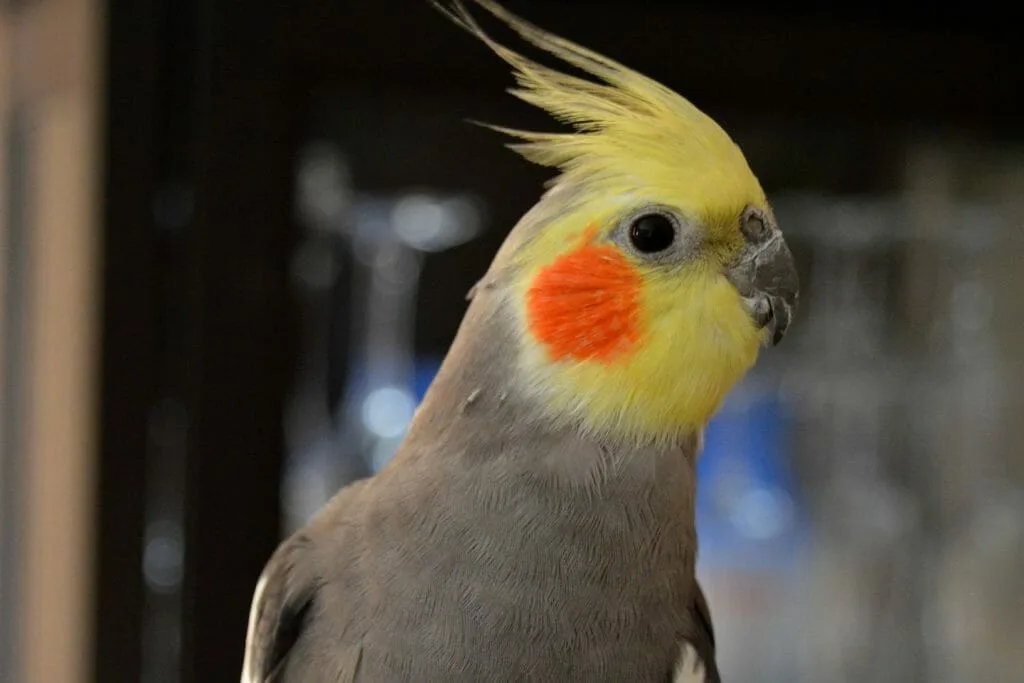
Image source: Web (Bing) / beautyofbirds.com (Web image (fair-use with source credit))
Music, Anticipation, and Pure Joy: Common Triggers
One of the most frequent reasons you’ll notice your cockatiel bobbing its head is in response to stimuli it finds enjoyable or exciting. If you’ve ever played music around your bird, you've probably seen this in action.
- Rhythm Enthusiasts: Cockatiels, like many birds, are drawn to rhythm. When they hear music, especially something with a strong beat, they often bob their heads in time with it. This is a sign of enjoyment and engagement with the sound. They’re feeling the vibe!
- Anticipation of Good Things: This is another huge one. If your bird sees you preparing their favorite food, reaching for a beloved treat, or knows it’s about to get some dedicated playtime, they’ll often start bobbing. It’s a vocalization, in a way, that says, "Yes! I know what’s coming, and I want it!" This learned association is very common.
- General Happiness: Sometimes, a cockatiel will bob its head simply because it's feeling good, content, and relaxed in its environment. It’s an outward expression of a positive inner state.
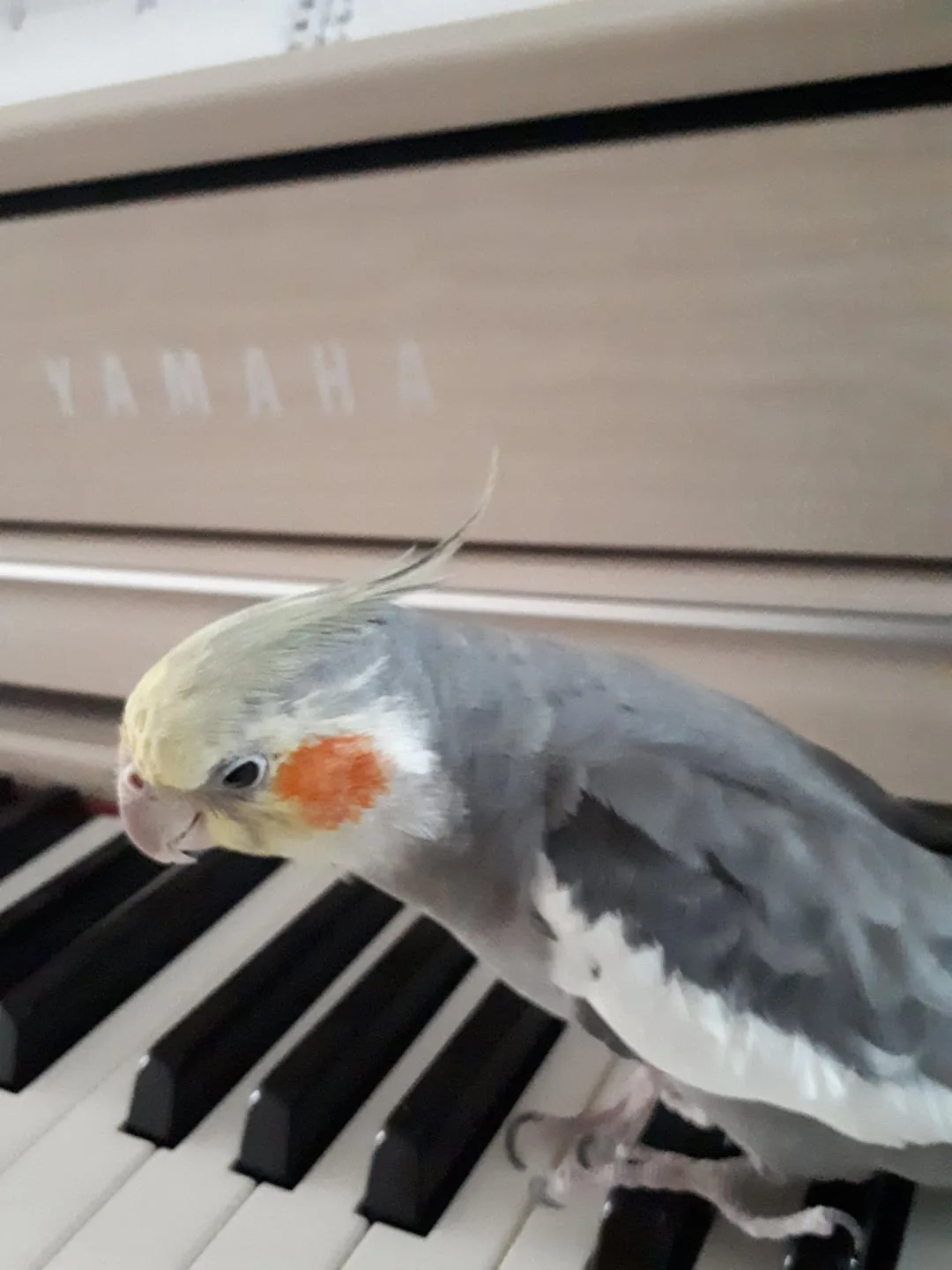
Image source: Bing (Web (fair-use with source credit))
Showing Off or Seeking Attention: The Social Bob
Cockatiels are smart, social creatures, and they’ve learned that certain behaviors get them noticed. Head bobbing can absolutely be a way for them to engage with you or show off their personality.
- Display Behavior: Particularly in young male cockatiels, head bobbing is often part of a display, similar to courtship rituals. They’re trying to impress their audience, which, in a pet setting, is usually you. It’s their way of saying, "Look at me! Aren't I handsome/pretty?"
- Requesting Interaction: If your cockatiel is bobbing its head while making eye contact with you, it’s often a direct plea for attention. They might want you to talk to them, offer a head scratch (if they enjoy that), or engage in some playtime. It’s their way of initiating social interaction.
When Bobbing Might Signal a Problem: Signs to Watch For
While the vast majority of head bobbing is perfectly normal and healthy, it’s wise to be aware of when this behavior might be a symptom of something less positive. We always advocate for observing your bird’s overall demeanor.
- Constant or Compulsive Bobbing: If the head bobbing is relentless, happens constantly without any apparent trigger, or seems almost involuntary, it could be a sign of stress or an underlying issue. This isn't just occasional happiness; it's an abnormal, persistent behavior.
- Combined with Other Distress Signals: Look for other indicators. Is the bobbing accompanied by lethargy, a loss of appetite, dull eyes, ruffled feathers that aren’t being preened, or signs of self-harm like feather picking? These, combined with excessive bobbing, warrant closer attention.
- Unusual Context: If your bird starts bobbing its head excessively during a time of known stress, such as a sudden loud noise, a change in routine, or the introduction of a new pet, it might be a stress response rather than a happy signal.
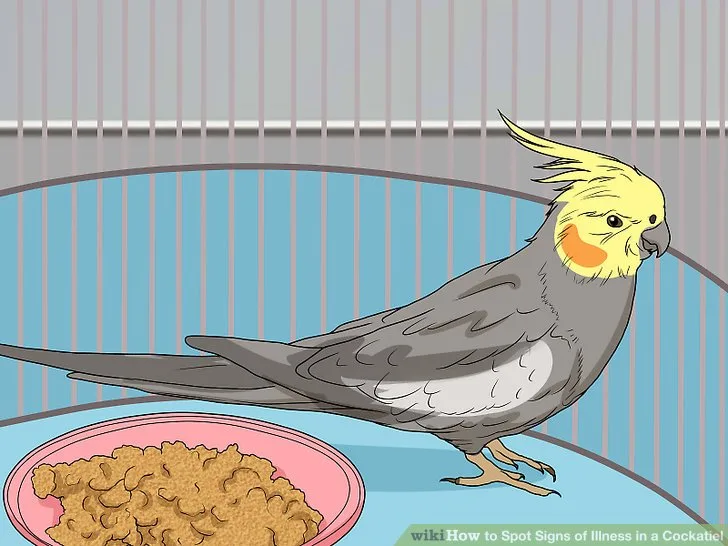
Image source: Web (Bing) / wikihow.com (Web image (fair-use with source credit))
How to Interpret Your Bird's Bobbing: A Practical Guide
Figuring out precisely what your cockatiel's head bob means involves looking at the bigger picture. It’s not just about the bob itself, but what’s happening around your bird and how they’re behaving overall. Think of it like putting together a puzzle.
Here’s a simple way to approach interpretation:
- What's Happening Around Them?
- Music or Singing: Likely enjoying the rhythm.
- You Approaching with Food/Treats: Anticipation, happiness.
- No Obvious Trigger: Could be general contentment, showing off, or seeking attention.
- Sudden Loud Noise/Stress: Potential stress response.
- What's Their Overall Body Language?
- Relaxed, Soft Chirps, Bright Eyes: Very likely happy and content.
- Puffed Up, Lethargic, Dull Eyes: Could indicate illness or stress, even if bobbing.
- Focused on You, Making Eye Contact: Probably seeking interaction or display.
- Is It a New Behavior?
- If your bird suddenly starts bobbing in a way that’s unusual for them, pay extra attention to their overall health and environment.
Avoiding Mistakes: What Not to Do When Your Bird Bobs
When your cockatiel bobs its head, it's easy to assume it always means the same thing. However, misinterpreting these signals can lead to overlooking potential issues or missing opportunities for bonding.
- Assuming it’s Always Happy: Don’t automatically assume every bob is a sign of pure bliss. While often true, remember it can also be a stress response or a bid for attention that needs a different kind of interaction.
- Ignoring Other Symptoms: Never isolate the head bob. If it's paired with signs of distress, like lethargy or feather plucking, you must investigate the underlying cause instead of just admiring the bob. The bob could be a distraction from something more serious.
- Over-Stimulating: If your bird is bobbing due to music, don't blast it at an uncomfortable volume for extended periods. Always be mindful of your bird's comfort levels. Similarly, if they bob for attention, ensure you're providing appropriate interaction, not just more noise or activity.
- Forcing Interaction: If your bird bobs its head at you, offering interaction is great. But if they seem anxious or are bobbing in a way that seems nervous, don't force a cuddle or play session. It's better to give them space and re-evaluate the situation.
Frequently Asked Questions About Cockatiel Head Bobbing
Why does my male cockatiel bob his head more than my female?
Male cockatiels often exhibit more pronounced head bobbing as part of their courtship and display behaviors, especially when seeking a mate or trying to impress their human flock. While females can bob, it's typically less frequent and less dramatic than in males.
Is head bobbing a sign of a sick cockatiel?
Head bobbing itself is usually a sign of a happy or engaged bird. However, if the bobbing is excessive, compulsive, or accompanied by other symptoms like lethargy, loss of appetite, or ruffled feathers, it could indicate illness or stress, and you should consult an avian vet.
My cockatiel bobs its head when it hears music. Is that normal?
Yes, this is very normal and a common sign that your cockatiel is enjoying the music and feeling the rhythm. Many birds respond positively to music by bobbing their heads or even dancing.
Should I encourage my cockatiel to bob its head?
It’s generally best to let your cockatiel initiate head bobbing. You can respond positively by talking to them, offering gentle praise, or providing a small treat if it seems they’re seeking it. Don't try to force them into the behavior, as that can create stress.
Can baby cockatiels bob their heads?
Yes, baby cockatiels, or 'chicks', will also exhibit head bobbing, often as a sign of begging for food from their parents or as an early display behavior. It's an innate part of their communication and social development from a young age.
Deciding What It Means: Your Bird's Bobbing Guide
Ultimately, understanding why your cockatiel bobs its head is about becoming a keen observer of your individual bird. It’s a beautiful example of how they communicate their internal state and interact with their surroundings. When you see that bob, take a moment to consider the circumstances.
Is there music playing? Are you about to offer a favorite seed? Is your bird looking directly at you with bright, curious eyes?
If the bobbing is accompanied by signs of comfort, engagement, or a clear positive stimulus, you can generally relax and appreciate your bird's expressive nature. However, if the bobbing seems constant, frantic, or is paired with any indicators of distress or illness, it's crucial to consult with an avian veterinarian. They can provide expert guidance and ensure your feathered companion is healthy and well.