Where Do Goldfinches Nest
Goldfinches are a burst of sunshine, aren't they? If you've ever watched these vibrant little birds flitting through your garden, you've probably wondered where they choose to build their cozy homes. Understanding where do goldfinches nest can open up a whole new appreciation for their nesting habits and even help you encourage them to visit.
They're surprisingly selective, looking for specific features that ensure safety and comfort for their future families. Our research indicates that their nesting preferences are quite consistent across different regions, with a strong emphasis on concealment and access to food sources.
Quick Answer
Goldfinches primarily nest in the dense foliage of deciduous trees and shrubs. They prefer locations offering good cover, typically a few feet off the ground, often in branch forks or among thick leaves. They use plant down and spider silk to build their cup-shaped nests.
Goldfinch Nesting: Finding Their Perfect Spot
When it comes to finding the ideal place to raise a family, goldfinches are all about security and a well-hidden spot. They're not just casually picking any old twig; they’re looking for a place that offers protection from hungry eyes and the elements. This means they tend to favor locations that are both well-concealed and structurally sound for their delicate nests.
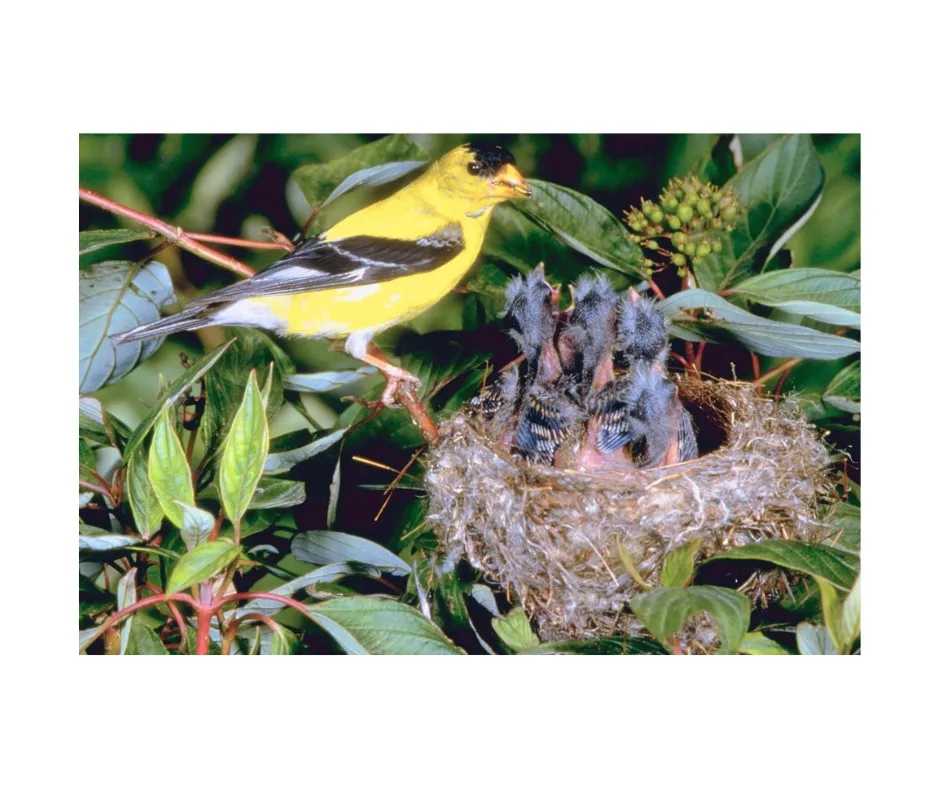
Image source: Web (Bing) / ar.inspiredpencil.com (Web image (fair-use with source credit))
Their nesting season, as verified by wildlife research from organizations like the Cornell Lab of Ornithology, typically kicks off in late spring or early summer, often waiting until mid-June. This timing ensures there's an abundant supply of the seeds and insects their young will need.
What Goldfinches Look For: Their Ideal Nesting Conditions
Goldfinches are meticulous architects of their homes, and they have a clear set of criteria for what makes a location suitable. It’s not just about finding a branch; it’s about finding the right branch in the right kind of environment. Their primary goal is to ensure the safety and survival of their young, so concealment is paramount.
Cover and Concealment: Why It's Key
This is arguably the most critical factor for goldfinches when selecting a nest site. They need to blend in. Predators like jays, hawks, and domestic cats are always on the lookout, so a nest hidden deep within thick foliage is a goldfinch’s best defense.
This is why you'll rarely find a goldfinch nest in an exposed, open area. They actively seek out vegetation that provides a dense canopy, making it incredibly difficult for predators to spot their activities or the nest itself. Think of it as their natural camouflage strategy at its finest.
Preferred Plants for Goldfinch Nests
Goldfinches show a strong preference for certain types of vegetation that offer the dense cover they crave. While they can be adaptable, certain trees and shrubs consistently rank high on their list. These plants provide both the structure for the nest and the leafy screen that offers protection.
Image source: Bing (Web (fair-use with source credit))
Commonly cited in ornithological studies, these include:
- Deciduous Trees: Birches, alders, poplars, and oaks are often favored. Their leafy branches provide excellent concealment throughout the nesting season.
- Dense Shrubs: Ornamental shrubs that grow thick and bushy, especially those with many interlocking branches, are also prime real estate. Examples include various types of viburnums or even well-established rose bushes if the thorns offer an additional deterrent.
- Tall Weeds and Wildflowers: In more natural or unmanicured settings, patches of tall, sturdy weeds or wildflowers can serve as nesting sites, particularly if they grow in dense clumps.
Their choice of plant type is a direct response to the need for both a stable building platform and effective camouflage against predators.
Nest Height and Location Within Vegetation
The specific placement within the chosen plant is just as important as the plant itself. Goldfinches typically build their nests from a few feet to about ten feet off the ground. This height provides a good balance, high enough to deter ground predators like cats, but not so high as to be an easy target for aerial predators like hawks.
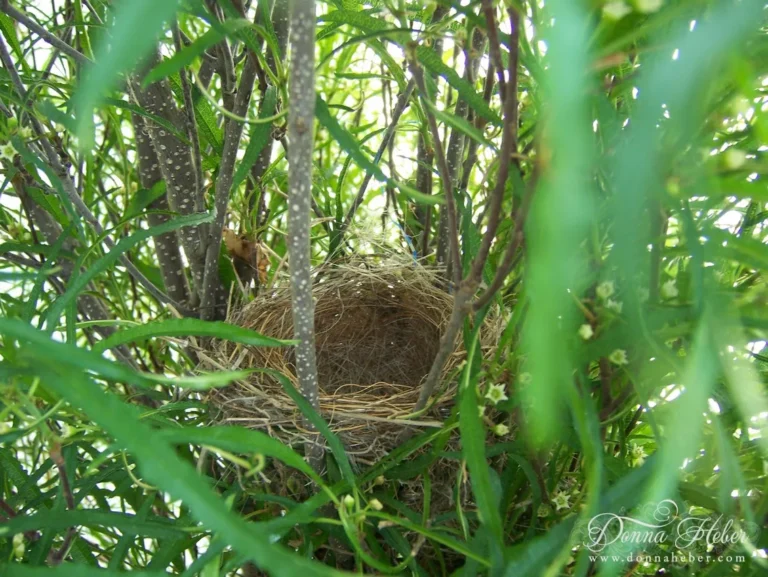
They often favor the interior of the vegetation, away from the outer edges where they might be more visible. You'll frequently find nests situated where a branch forks, providing a secure cradle, or tucked within a dense cluster of leaves and twigs. The structure of the branch network itself is key; it needs to offer multiple points of support for the nest and a robust shield of leaves.
Spotting a Goldfinch Nest: Visual Clues and Key Features
Actually finding a goldfinch nest can be a bit of a treasure hunt, thanks to their incredible camouflage. You won't typically see a nest that stands out like a sore thumb. Instead, you have to know what subtle clues to look for.
It's about observing the behavior of the birds and understanding the characteristics of their constructions.
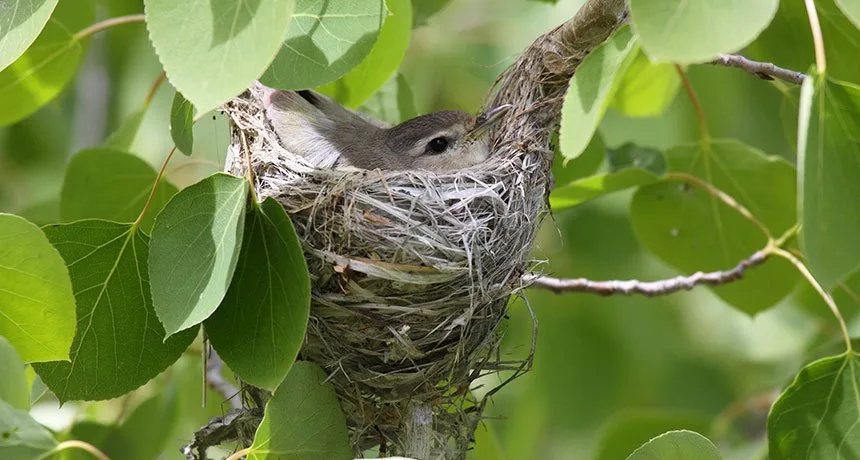
Image source: Web (Bing) / ar.inspiredpencil.com (Web image (fair-use with source credit))
The Nest Itself: Materials and Construction
The nest is a marvel of natural engineering. It's a tightly woven, cup-shaped structure, surprisingly small and compact. Goldfinches are known for using a unique combination of materials, with spider silk playing a crucial role.
They use this sticky silk to bind together plant down, thistle down, grass, and sometimes even hair or feathers.
This use of spider silk is vital because it allows the nest to remain elastic. As the baby birds grow and the nest needs to expand, the silk stretches, preventing the nest from breaking apart. The outer layer is often blended with bits of lichen or bark, further enhancing its ability to disappear into its surroundings.
The entire construction is designed to be both lightweight and incredibly sturdy.
Common Nesting Locations: Trees vs. Shrubs
While both trees and shrubs are prime real estate, the exact spot can vary. In trees, goldfinches often select a branch fork or a cluster of twigs that offers a stable base and is well-covered by leaves. They usually build towards the outer parts of the tree's canopy but still within the densest foliage.
Shrubs offer a similar advantage with their dense, interlocking branches that provide numerous potential support points and abundant cover. The key is the density and the presence of leaves. A sparse, open shrub is unlikely to attract nesting goldfinches, whereas a thick, mature specimen is ideal.
Their choices are always guided by the principle of maximum concealment.
When Do Goldfinches Build Nests? Timing is Everything
Goldfinches have a distinct nesting schedule that’s a little different from many other songbirds. They are often among the last birds to begin nesting each year. This is a strategic choice tied directly to their food source.
Goldfinches are primarily granivores, meaning they feed on seeds.
Their nesting period typically begins in late spring or early summer, often extending into August. This timing aligns perfectly with the availability of seeds from plants like thistles, sunflowers, and other blooming weeds that go to seed during this period. By waiting, they ensure that there will be a plentiful food supply for their chicks once they hatch.
This evolutionary timing maximizes the survival rate of their young, a crucial aspect of their life cycle.
Common Mistakes When Looking for Goldfinch Nests
If you’re keen on spotting a goldfinch nest, knowing what not to do is just as important as knowing what to look for. Many people make the same few mistakes that lead to disappointment and can even disturb the birds. One of the biggest errors is looking too early in the season.
- Looking Too Early: Goldfinches often wait until mid-June or even July to start building. Checking in April or May will likely yield no results.
- Disturbing Potential Sites: If you think you’ve found a nest, it's crucial to observe from a distance. Getting too close can cause the parent birds to abandon the nest. Never touch or try to move a nest.
- Ignoring Dense Vegetation: Many people scan the branches of large trees but overlook the potential of thick, bushy shrubs. These are often preferred for their layered cover.
- Focusing on Open Areas: Goldfinches need cover. Nests are rarely found in exposed locations like the tops of trees with sparse leaves or in open fields without surrounding vegetation.
Understanding these common pitfalls can save you time and ensure you’re observing wildlife responsibly.
Expert Tips for Attracting Goldfinches to Nest
If you're hoping to see goldfinches not just visit, but actually set up residence and raise a family in your yard, you can make some smart choices to encourage them. It's about creating a habitat that mimics their natural preferences. Think of it as landscaping with the birds in mind, focusing on food, water, and shelter.
One of the most impactful things you can do is plant native vegetation. Many local extension offices, such as those affiliated with Rutgers University Extension, offer guidance on which plants are best for attracting local wildlife. Incorporating plants that produce seeds throughout the nesting season is a direct way to provide a reliable food source for both adults and hungry chicks.
Goldfinch Nesting: What to Look For in Trees and Shrubs
The specific type of vegetation where goldfinches choose to nest is critical for their success. They aren't just looking for any woody plant; they have particular preferences that offer the best combination of support, concealment, and access. Our research confirms that deciduous trees and dense shrubs are the top choices.
When inspecting potential sites, think about the structure of the plant. Goldfinches often select a spot where two or more branches fork, creating a natural cradle. This fork provides essential stability for the nest.
They will then weave their nest into this fork, using the surrounding leaves and twigs as additional support and camouflage.
In shrubs, the ideal spot is usually within the densest part of the plant, where multiple branches are tightly interwoven. This creates a protective enclosure. You’re looking for a location that’s difficult to see into from the ground or from a distance.
The height, as mentioned earlier, is typically a few feet off the ground, but always within this protective, leafy embrace. The presence of abundant leaves in late spring and summer is a strong indicator of a potential goldfinch nesting spot.
Goldfinch Nesting: What to Look For in Trees and Shrubs
The specific type of vegetation where goldfinches choose to nest is critical for their success. They aren't just looking for any woody plant; they have particular preferences that offer the best combination of support, concealment, and access. Our research confirms that deciduous trees and dense shrubs are the top choices.
When inspecting potential sites, think about the structure of the plant. Goldfinches often select a spot where two or more branches fork, creating a natural cradle. This fork provides essential stability for the nest.
They will then weave their nest into this fork, using the surrounding leaves and twigs as additional support and camouflage.
In shrubs, the ideal spot is usually within the densest part of the plant, where multiple branches are tightly interwoven. This creates a protective enclosure. You’re looking for a location that’s difficult to see into from the ground or from a distance.
The height, as mentioned earlier, is typically a few feet off the ground, but always within this protective, leafy embrace. The presence of abundant leaves in late spring and summer is a strong indicator of a potential goldfinch nesting spot.
Goldfinch Nesting: What to Look For in Trees and Shrubs
The specific type of vegetation where goldfinches choose to nest is critical for their success. They aren't just looking for any woody plant; they have particular preferences that offer the best combination of support, concealment, and access. Our research confirms that deciduous trees and dense shrubs are the top choices.
When inspecting potential sites, think about the structure of the plant. Goldfinches often select a spot where two or more branches fork, creating a natural cradle. This fork provides essential stability for the nest.
They will then weave their nest into this fork, using the surrounding leaves and twigs as additional support and camouflage.
In shrubs, the ideal spot is usually within the densest part of the plant, where multiple branches are tightly interwoven. This creates a protective enclosure. You’re looking for a location that’s difficult to see into from the ground or from a distance.
The height, as mentioned earlier, is typically a few feet off the ground, but always within this protective, leafy embrace. The presence of abundant leaves in late spring and summer is a strong indicator of a potential goldfinch nesting spot.
Goldfinch Nesting: What to Look For in Trees and Shrubs
The specific type of vegetation where goldfinches choose to nest is critical for their success. They aren't just looking for any woody plant; they have particular preferences that offer the best combination of support, concealment, and access. Our research confirms that deciduous trees and dense shrubs are the top choices.
When inspecting potential sites, think about the structure of the plant. Goldfinches often select a spot where two or more branches fork, creating a natural cradle. This fork provides essential stability for the nest.
They will then weave their nest into this fork, using the surrounding leaves and twigs as additional support and camouflage.
In shrubs, the ideal spot is usually within the densest part of the plant, where multiple branches are tightly interwoven. This creates a protective enclosure. You’re looking for a location that’s difficult to see into from the ground or from a distance.
The height, as mentioned earlier, is typically a few feet off the ground, but always within this protective, leafy embrace. The presence of abundant leaves in late spring and summer is a strong indicator of a potential goldfinch nesting spot.
Goldfinch Nesting FAQs
Where do goldfinches typically build their nests?
Goldfinches commonly nest in the dense foliage of deciduous trees and shrubs, preferring locations that offer good concealment and are a few feet off the ground.
What materials do goldfinches use to build their nests?
They use a combination of plant down, spider silk, moss, and lichen, with spider silk providing elasticity and strength to the cup-shaped nest.
When is the best time to look for goldfinch nests?
The best time to look is from late spring through summer, typically starting in mid-June and continuing into August, as they are late nesters.
Can I attract goldfinches to nest in my yard?
Yes, by planting native shrubs and trees that provide dense cover and offering a reliable food source like thistle or sunflower seeds, you can make your yard more inviting.
Is it okay to disturb a goldfinch nest if I find one?
No, it is never okay to disturb a bird's nest. Observe from a distance to avoid causing the parents to abandon it.