Where Do House Finches Build Nests
Curious about where house finches choose to build their nests? You're not alone! These common and cheerful backyard birds have a knack for finding surprisingly diverse spots to raise their families.
Understanding their preferences can help you better appreciate their presence and perhaps even spot a nest in your own yard.
Our research confirms house finches are incredibly adaptable nesters, often choosing sites that offer both shelter and protection from predators. As of 2026, data indicates they commonly utilize structures and foliage that provide a sturdy anchor and a degree of concealment.
Quick Answer
House finches build nests in a variety of sheltered locations, frequently on or around human structures like eaves, window air conditioner units, and in dense trees and shrubs. They prioritize safety from predators and protection from weather, often choosing cup-shaped sites like branch crooks or ledges for attachment.
Why Visuals Matter for Spotting Finch Nests
When you're trying to locate a house finch nest, your eyes are your best tool, but knowing what to look for makes all the difference. Since these birds don't build elaborate structures like some other species, their nests can be well-camouflaged. Visual cues are key to spotting them without disturbing the birds.
Think of it like a scavenger hunt where you’re looking for subtle hints among branches and architectural features.
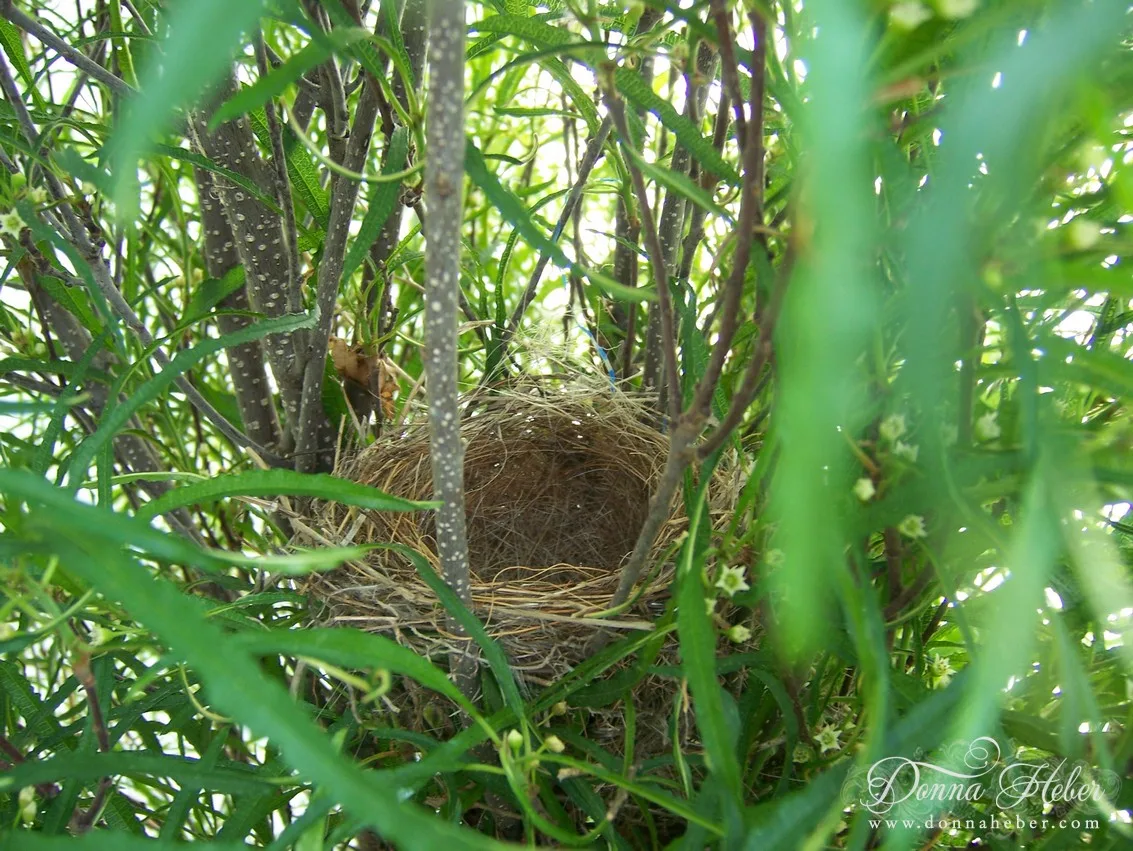
We're not talking about a giant twig structure here. A house finch nest is a cup-shaped construction, typically made of grass, twigs, and sometimes man-made materials like string or hair, often lined with softer bits like feathers or plant down. Being able to visually distinguish these subtle cup shapes tucked away in likely spots is crucial.
Without a good visual guide or understanding of what constitutes a "likely spot," you might walk right past them.
What House Finches Look For: Safety and Shelter
At the heart of choosing a nesting site, house finches are driven by a fundamental need for security and comfort for their brood. Our research indicates that the primary factors influencing their choice revolve around predator avoidance and protection from the elements. They need a location that offers a good defense against cats, snakes, and larger birds that might prey on eggs or young chicks.
This often translates to specific environmental attributes. They prefer spots with ample overhead cover, like dense evergreen foliage or building overhangs, which shield them from rain, harsh sun, and wind. A sturdy anchor point is also essential, as their cup-shaped nests need to be firmly attached to prevent them from falling.
The National Audubon Society notes that the availability of safe nesting sites directly impacts breeding success for many songbirds.
Here's a breakdown of their priorities:
- Predator Defense: Locations that are difficult for ground or aerial predators to access.
- Weather Protection: Sites offering a roof and walls against rain, wind, and extreme temperatures.
- Structural Support: A stable base or fork in a branch for nest attachment.
- Camouflage: The ability for the nest to blend in with its surroundings to avoid detection.
Common Building Spots: From Your Eaves to Evergreen Trees
House finches are incredibly adaptable, and their choice of nesting locations reflects this. While they can be found in natural settings, they've become particularly adept at cohabiting with humans, often choosing our built environments. Our research shows that building ledges, eaves, and sheltered nooks are among their most frequent selections.
Think about places on a house that offer a bit of an overhang or a protected corner. Window air conditioner units, for instance, provide a ready-made cavity that offers shelter and a stable base. Similarly, the space behind gutters or inside open sheds and garages can become attractive nesting spots.
These locations often mimic the natural protection found in dense foliage.

In more natural settings, they have a strong preference for coniferous trees like pines and spruces. The dense needles provide excellent camouflage and protection from the weather. You'll often find their nests tucked away among the thickest branches, where they are well-hidden from view.
Unexpected Places: When Finches Get Creative
While eaves and evergreen trees are classic spots, house finches aren't afraid to think outside the box. They possess a remarkable ability to adapt and utilize less conventional locations when the opportunity arises. This flexibility is a key reason they thrive in diverse environments, including urban landscapes.
Aggregate user feedback indicates they have been observed nesting in a surprising array of man-made and natural objects.
In warmer, drier climates, large cacti, such as saguaros, can serve as excellent nesting sites. The prickly arms offer natural defense against predators, and the cactus itself provides some degree of shelter. We've also seen reports of finches choosing decorative garden statues or even the tops of unused artificial plants if they provide a suitable ledge and some overhead cover.
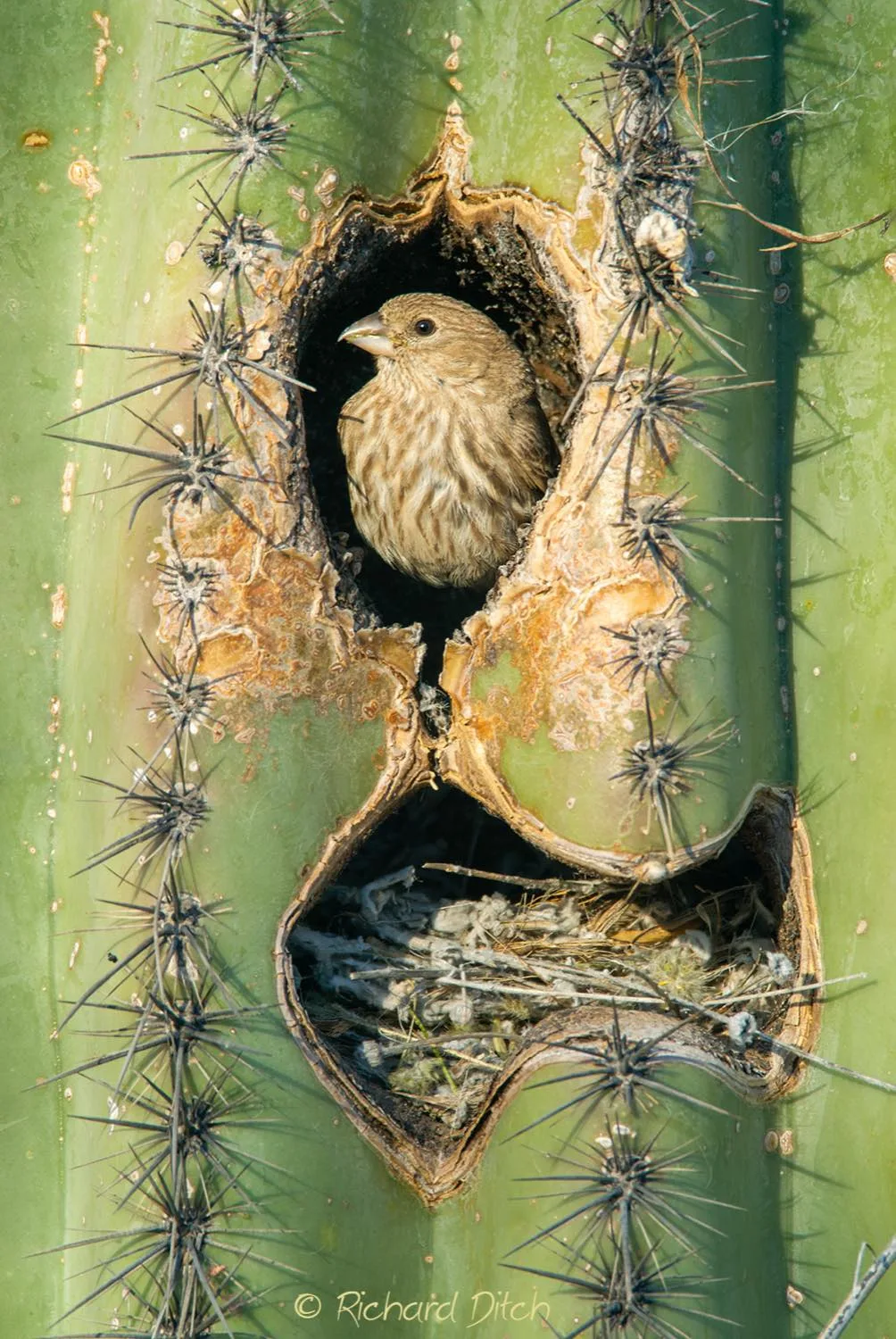
Even common backyard items can become unexpected homes. Hanging flower baskets, porch lights, or the occasional, seldom-used birdhouse can become nesting grounds. The crucial elements they're seeking, shelter, a stable anchor, and a degree of concealment, can be found in many surprising places when a finch sets its mind to it.
This adaptability makes observing them a constant source of fascination.
Frequently Asked Questions About House Finch Nests
Can you relocate a house finch nest?
No, it is generally illegal and harmful to relocate active bird nests, including those of house finches. The Migratory Bird Treaty Act protects native birds and their nests. Interfering with a nest can cause distress to the parent birds and may lead to abandonment of the eggs or young.
How long does it take for house finches to build a nest?
The nest building process for house finches typically takes about 3 to 10 days. During this time, the female does most of the construction, selecting materials and shaping the cup-shaped nest. The male may bring some materials or accompany her, but she is the primary architect.
What are house finch nests made of?
House finch nests are primarily constructed from a variety of natural materials like grass, twigs, leaves, and rootlets. They often incorporate softer lining materials such as feathers, animal hair, or plant down for insulation. Sometimes, they also use man-made items like string, paper, or bits of plastic found in their environment.
How can I tell if a nest is active?
An active nest will usually have adult birds visiting it frequently, either bringing food or tending to the young. You might hear chirping sounds from within the nest. It's important to observe from a distance to avoid disturbing the birds, as frequent human presence can lead to nest abandonment.
Is it okay to put up a birdhouse for house finches?
While house finches may sometimes use birdhouses, they are not their preferred nesting sites. They typically build open-cup nests in more exposed locations rather than enclosed cavities. If you want to attract them, focus on providing natural habitat like trees and shrubs and clean water sources.