Bird Characteristics
Identifying common bird characteristics helps you distinguish these animals from other vertebrate groups in nature. While flight is the most famous trait, it is not the only feature that defines the class Aves.
Biological research confirms that every bird possesses feathers, a beak, and a specialized respiratory system. These traits allow them to thrive in diverse environments across the globe, from freezing arctic tundras to equatorial rainforests. As of 2026, scientific classification emphasizes these anatomical markers to differentiate birds from their closest reptilian ancestors.

Image source: Bing (Web (fair-use with source credit))
Quick Answer
Bird characteristics include feathers and a toothless, keratinized beak. They lay hard-shelled eggs to reproduce on land. Their skeletons contain lightweight, hollow, pneumatic bones.
They possess a high metabolic rate for flight.
Why Field Marks Are Your Best Friend for Birding
If you want to identify a bird in the wild, you need to rely on field marks rather than general silhouettes. Field marks are specific visual features that help separate one species from another. You should focus on physical patterns that remain visible even when the bird is in motion.
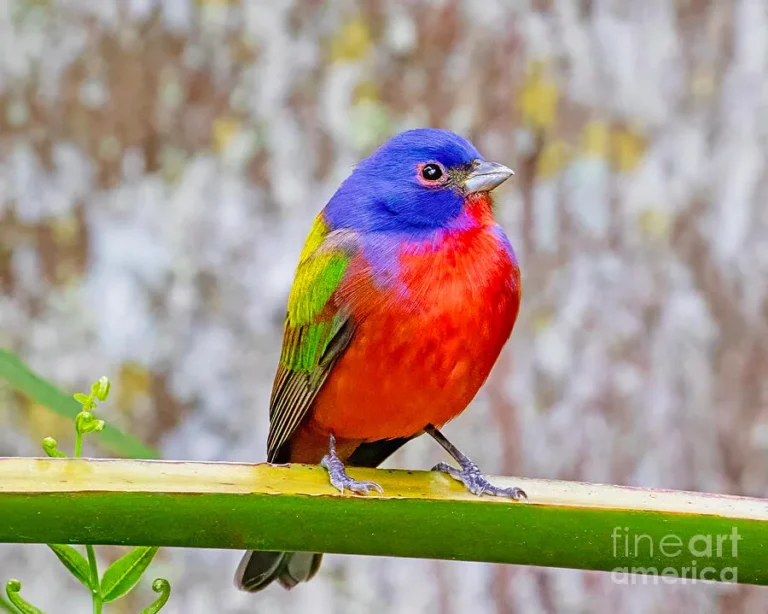
Most enthusiasts begin by observing the plumage, which refers to the bird’s total feather coverage. Look for unique color patches on the wings, the presence of an eye ring, or distinct streaks on the chest. These details often shift depending on the bird's age or the time of year.
Behavioral traits also act as key field marks. You might notice a bird bobbing its tail, walking on the ground, or clinging to the side of a tree trunk. Combining these movements with visual observations provides a much clearer picture than looking at color alone.
The Essential Anatomy of Every Bird
To understand why birds function the way they do, you must look at their core anatomy. Every bird features a unique skeleton designed to minimize weight while maximizing durability. The most critical component is the keel, which is a massive ridge on the breastbone.
This keel provides a large surface area for the attachment of the heavy pectoral muscles needed for flight. The furcula, commonly called the wishbone, also acts as a spring-like structure during the wing stroke. These internal frames are what allow birds to handle the forces of takeoff and landing.
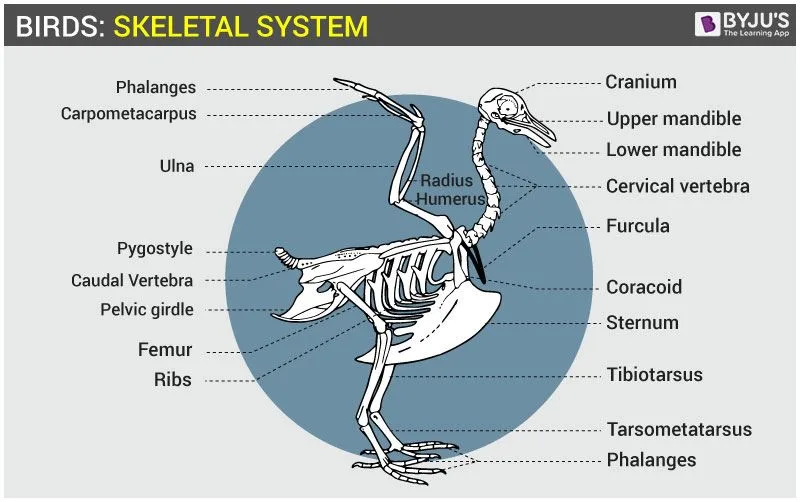
Image source: Bing (Web (fair-use with source credit))
| Feature | Anatomical Purpose |
|---|---|
| Furcula | Acts as a spring during flight. |
| Keeled Sternum | Anchors the primary flight muscles. |
| Rhamphotheca | The horny sheath covering the beak. |
| Nictitating Membrane | A clear third eyelid for protection. |
Decoding Flight: How Wings and Skeletons Define Function
Flight efficiency depends on the shape of the wing, which scientists measure using a metric called aspect ratio. High-aspect-ratio wings are long and narrow, perfect for soaring over long distances. In contrast, low-aspect-ratio wings are short and rounded, allowing for quick, sudden bursts of speed.
The respiratory system is another marvel of evolution. Birds use a system of air sacs that keep air flowing in one direction through the lungs. According to research from the Cornell Lab of Ornithology, this allows birds to extract oxygen during both inhalation and exhalation.
This constant supply of oxygen is vital for the high energy demands of powered flight.
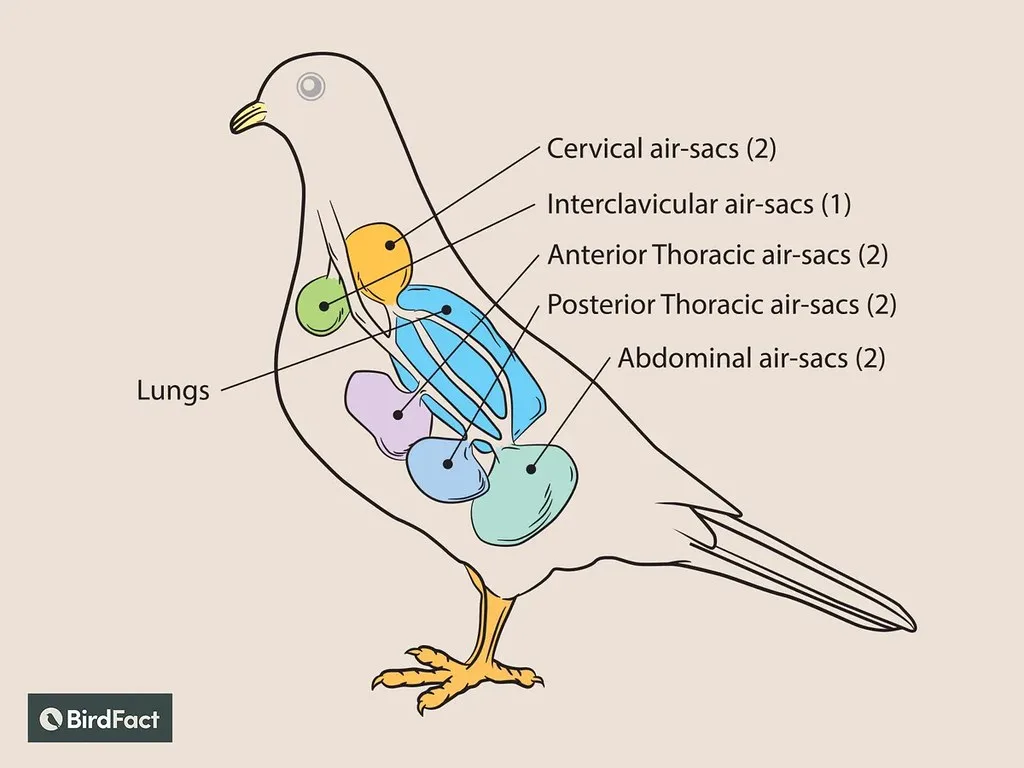
Image source: Bing (Web (fair-use with source credit))
Beyond Feathers: Understanding Niche Adaptations and Beak Types
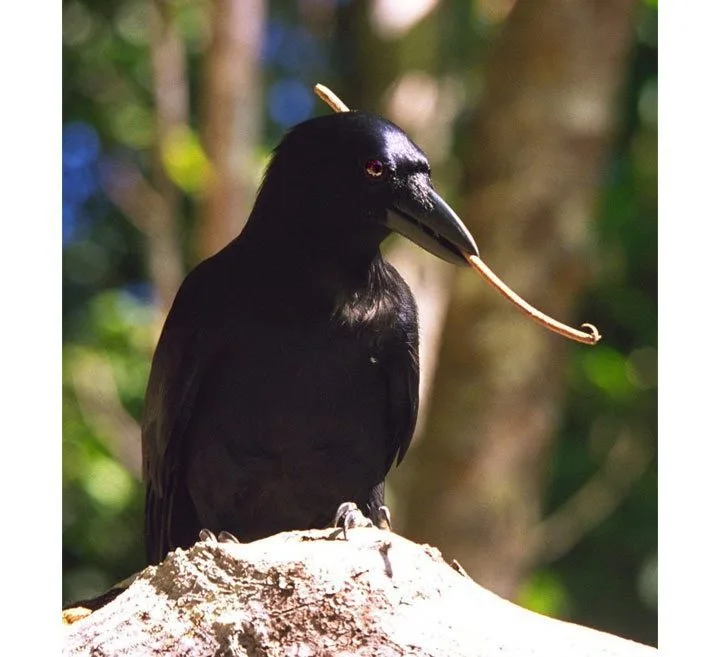
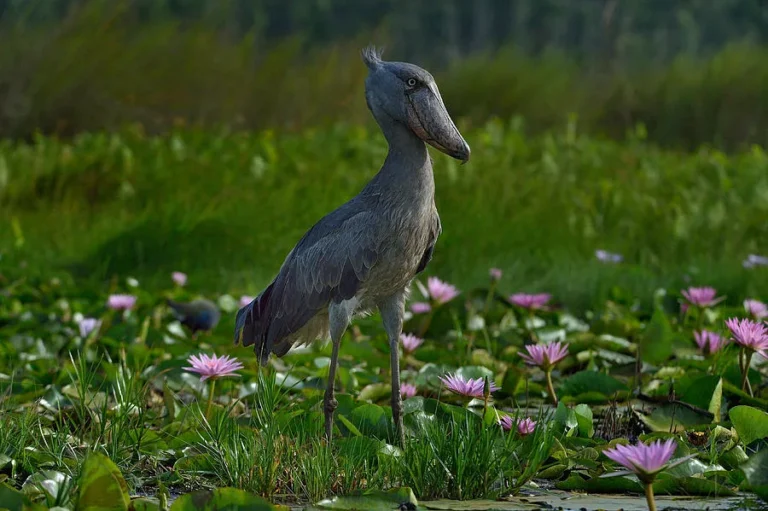
A bird's beak is its most versatile tool. Because birds lack teeth for chewing, they rely on the shape and strength of their beak to process food. Evolution has tailored these beaks to specific environmental niches, such as crushing seeds, probing flowers for nectar, or tearing through tough hides.
- Cracker Beaks: Short and thick, perfect for seeds.
- Probe Beaks: Long and thin, used for reaching deep into flowers.
- Hooked Beaks: Sharp and curved, designed to tear meat from prey.
- Spatulate Beaks: Broad and flat, used for filtering small particles from water.
Feet also reveal how a bird spends its time. A bird with webbed feet is clearly built for the water, while one with long, slender toes is likely adapted for walking through tall grass. Always look at the entire body to understand how the bird survives in its specific habitat.
Visual Workflow: A Step-by-Step Guide to Identifying Birds in the Wild
If you want to identify an unknown bird, follow a consistent observation workflow to avoid guessing. Start by ignoring the color and focus on the overall size and shape of the bird. Is it larger than a robin or smaller than a sparrow?
Next, observe the beak and feet. These features are the most reliable indicators of the bird's diet and preferred environment. Once you have a general idea of the bird's category, zoom in on the specific field marks like wing bars or tail patterns.
- Size and Shape: Note the general profile and proportions.
- Beak and Feet: Determine the primary food source and movement style.
- Color Patterns: Check for patches, stripes, or bars on the wings.
- Behavior: Watch how the bird interacts with its surroundings.
- Habitat: Identify where the bird is, a forest, a wetland, or a field.
Common Misconceptions and Identification Pitfalls
Many beginners mistakenly assume that all birds found in their backyard must be adults. You might see a dull-colored bird and conclude it is a unique species when it is actually just a juvenile. Young birds often lack the vibrant, complex plumage of their parents, which can lead to significant confusion during identification.
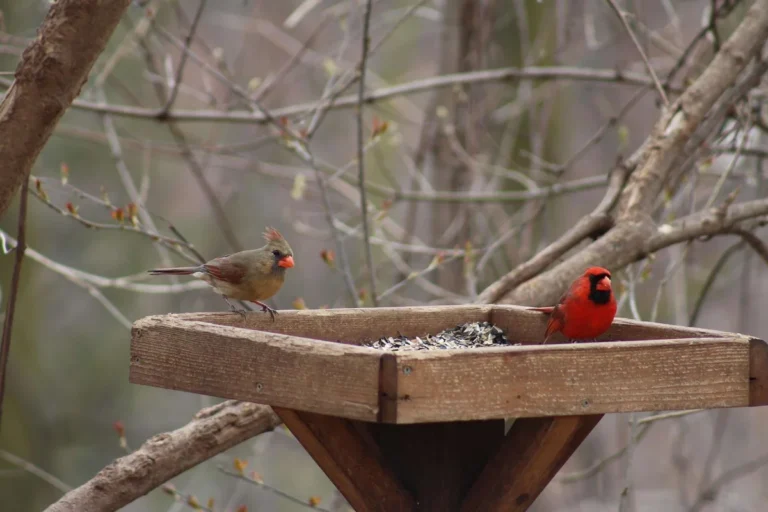
Sexual dimorphism poses another challenge for new birders. In many species, males display bright colors and intricate patterns to attract mates, while females remain drab to stay hidden while nesting. If you only study the male plumage, you will struggle to identify the female of the same species.
Finally, never rely on a single feature like a beak color or a wing bar. Birds molt their feathers throughout the year, meaning their appearance changes seasonally. Always consider the bird’s context, such as its location, the time of year, and the specific behavior you are witnessing.
| Pitfall | Why It Happens | How to Avoid It |
|---|---|---|
| Juvenile Plumage | Young birds look different than adults. | Use a field guide to check both phases. |
| Sexual Dimorphism | Males and females look totally different. | Study photos of both genders. |
| Seasonal Molt | Colors fade or change with the seasons. | Check the current date against migration data. |
Frequently Asked Questions About Bird Characteristics
Do all birds fly?
No, several species are flightless by design. Penguins, ostriches, and emus have evolved to occupy specific niches that do not require flight. They still retain core traits like feathers, beaks, and hard-shelled eggs.
Why do some birds have different beak shapes?
Beak shapes are evolutionary adaptations for specific food sources. A slender beak allows a bird to probe into narrow crevices, while a thick, powerful beak is necessary for cracking hard seeds or shells. These physical traits directly dictate where a bird can live and what it can eat.
How do birds stay warm in winter?
Birds use their feathers as an efficient insulation system. They can trap air within the structure of their down feathers, which creates a warm layer against their skin. They may also fluff up their plumage to increase this insulating space when temperatures drop.
What is the purpose of the third eyelid?
The third eyelid, or nictitating membrane, acts as a protective shield for the eye. It is translucent, allowing the bird to see even while the membrane is closed. This feature is especially useful when the bird is flying, diving, or foraging in dense vegetation.
Can I identify a bird just by its song?
Vocalizations are a powerful tool, but they should be used alongside visual confirmation. Many birds have complex songs that change depending on whether they are claiming territory or attracting a mate. Use audio recordings in conjunction with physical field marks for the most accurate identification.