Why Are House Finches Red
Ever found yourself watching a flock of birds and noticed the vibrant splash of red on a male house finch? You're not alone. Many of us wonder why these particular birds boast such striking coloration.
The answer isn't just about good looks; it's deeply tied to their health and diet.
The intensity and distribution of red on a male house finch can tell you a lot about his well-being. Per observations from ornithological studies, it serves as a key indicator of his nutritional status and overall fitness. It’s a natural signal, plain and simple.
Quick Answer
House finches are red because of carotenoids consumed from their diet. These pigments, found in plants like seeds and berries, are metabolized by the male finch and deposited in his feathers, creating the red coloration. A brighter, more extensive red typically signifies a healthier bird with better access to nutritious food.
A Quick Look: The Red Comes From Their Food
Let’s get straight to it: the brilliant red you see on a male house finch isn't from his genes alone. It's a direct result of what he eats. Specifically, it comes from plant-based pigments called carotenoids.
These are natural compounds found in a wide variety of fruits, vegetables, and seeds. When a house finch ingests these foods, his body processes the carotenoids and converts them into the red and reddish-orange hues that color his plumage, particularly on his head, breast, and rump. The more carotenoid-rich food he has access to and consumes, the more vibrant his red feathers will be.

Image source: Bing (Web (fair-use with source credit))
The Science of Red: Carotenoids and Your Finch's Diet
The vivid red on male house finches is a classic example of how diet directly impacts physical appearance in the animal kingdom. This coloration is a learned trait, a biological expression of nutritional intake rather than an inherent pigment.
What Are Carotenoids?
Carotenoids are a class of natural pigments produced by plants, algae, and some bacteria. They play a vital role in photosynthesis and also act as antioxidants. For birds like the house finch, certain carotenoids, when metabolized, are responsible for producing yellow, orange, and red colors in their feathers, skin, and beaks.
These pigments are essential for the bird's visual display but cannot be synthesized by the bird's own body; they must be obtained through their food.
How Birds Process Pigments
When a male house finch consumes seeds, fruits, and other plant matter containing carotenoids, his digestive system breaks them down. Specialized enzymes within his liver then convert specific carotenoids into the pigments that will eventually be deposited in the growing feather follicles. This conversion process is crucial.
Not all carotenoids are the same, and the bird's ability to effectively convert them into vibrant red pigments is a key factor in his coloration. As per research published by the Cornell Lab of Ornithology, the efficiency of this metabolic pathway directly influences the intensity and shade of red displayed.
What the Red Really Means for a Finch
That splash of red on a male house finch is more than just decoration; it's a powerful communication tool. It speaks volumes about his health, his resourcefulness, and his status within his social group.
A Signal for Mates
For female house finches, the brightness and extent of a male's red plumage act as a significant cue in mate selection. A male with a deeply saturated red, covering his head, breast, and rump, signals that he is in excellent health and has been successful in finding abundant, nutritious food sources. This suggests he will be a capable provider for a mate and potential offspring.
This trait is a prime example of sexual selection at play, where desirable physical characteristics, driven by health, increase reproductive success.
A Sign of Good Health
Beyond attracting a mate, the red coloration serves as an honest indicator of a male house finch's overall well-being. If a finch is struggling with illness, parasites, or malnutrition, his body will divert resources away from non-essential functions, such as producing vibrant feather pigments. Consequently, a dull or patchy red coloration can suggest that the bird is not in optimal condition.
This makes the red plumage a reliable visual cue for other finches, both males and females, to assess an individual's fitness and competitiveness.
What Different Reds Tell Us
Not all red house finches look the same, and these variations are highly informative. The subtle differences in the shade and distribution of red on a male finch can offer clues about his recent diet and his individual biology.
Vibrant vs. Dull: What's the Difference?
A deeply saturated, bright red typically indicates a finch that has consistently consumed a diet rich in carotenoid-producing plants. Think of it like a well-fed athlete versus someone who's been struggling to find good meals. The vibrant male is likely getting plenty of essential nutrients.
On the other hand, a duller, more orangey, or even streaky red can suggest a less optimal diet, perhaps during a period of food scarcity or if the available food sources are lower in carotenoids. The red may also appear less intense if the bird has recently molted, and his new feathers are still developing their full pigment.
Factors Affecting Red Intensity
Several factors can influence how red a male house finch appears. The primary driver, as we've discussed, is diet. If a bird's food supply shifts, so too can its feather color.
For example, during dry seasons when certain berries or greens are scarce, a finch's red might fade. The act of molting, which typically happens once a year after the breeding season, also plays a role. New feathers grow in reflecting the bird's current health and diet at the time of molt.
Additionally, genetic variations among individual finches can lead to slight differences in their ability to metabolize carotenoids and produce pigment, meaning some birds naturally display more intense colors than others, even with similar diets.
How to Encourage Bright Finch Colors
If you're observing house finches in your yard and want to see the most vibrant reds, providing the right food sources can make a difference. While you can't directly control wild birds, you can create an environment that attracts them and offers the nutrients they need. This is less about "making" them red and more about supporting their natural processes.
Providing the Right Food Sources
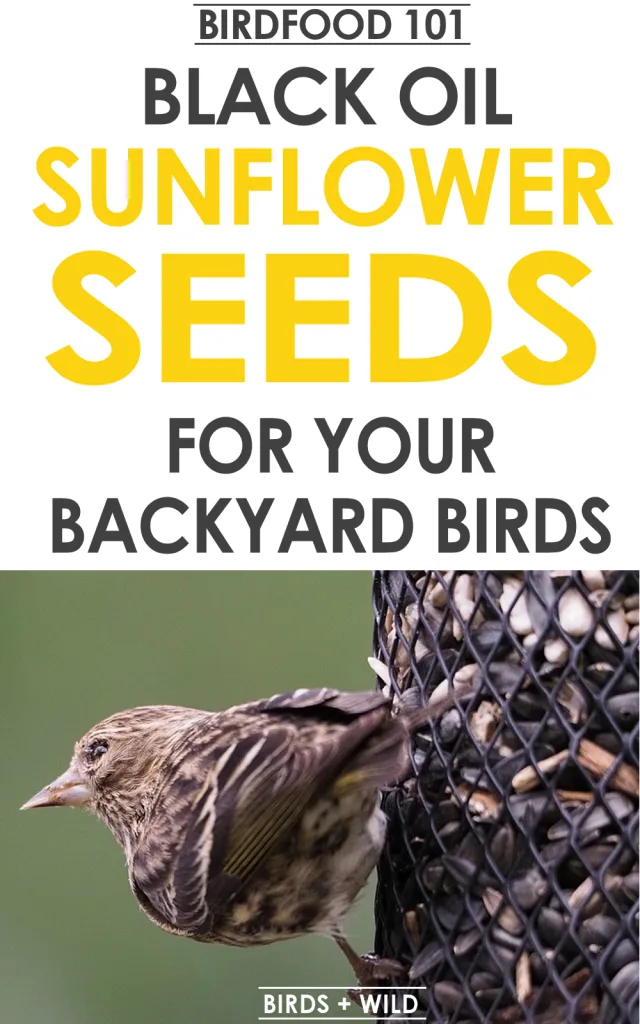
To encourage bright coloration, focus on offering seeds and other foods known to be rich in carotenoids. Thistle seed (nyjer seed) is a favorite for finches and a good source of these pigments. Offering a variety of fruits and even some dark leafy greens can also contribute to their dietary intake.
If you're using bird feeders, ensure they are clean and regularly stocked with high-quality food. For instance, a study in avian nutrition indicated that a diet primarily consisting of niger seed and sunflowers can promote better feather quality and coloration in seed-eating birds.
What to Avoid
It's also important to be mindful of what you don't offer. Processed foods or items with artificial colors are not beneficial and can even be harmful to birds. While it’s tempting to offer human food, stick to natural seeds, grains, and fruits.
Overly processed foods lack the essential nutrients that support pigment production and overall health. A balanced, natural diet is the most effective way to support a finch's ability to develop its characteristic red plumage.
Can Finch Color Indicate Health Problems?
Yes, a finch's color can indeed be an indicator of health problems, though it's not the only symptom to watch for. A sudden dulling of the red, or patchy areas where color should be vibrant, can signal an underlying issue that needs attention.
When to Be Concerned
If you notice a male house finch that was previously bright red now looks faded, or if the color is uneven and patchy, it could mean he's dealing with something more serious than just a dietary lapse. Illness, parasites, or stress can all deplete the body's resources, diverting them away from pigment production. For example, internal parasites can interfere with nutrient absorption, meaning even if a finch eats carotenoid-rich food, his body might not be able to process them effectively.
Similarly, a bird recovering from injury or illness might show duller plumage during its convalescence.
Observing Other Signs
It's crucial to look for other symptoms alongside color changes. Lethargy, ruffled feathers when the bird isn't trying to stay warm, unusual droppings, or difficulty flying are all more direct signs of sickness. If you observe these combined with a noticeable change in a finch's red coloration, it suggests a health concern.
In such cases, it's best to observe from a distance and avoid disturbing the bird, allowing it to recover naturally or seek help from local wildlife rehabilitation if the situation appears critical.
Common Visual Mistakes When Observing Finch Color
When you're out birdwatching or just looking at finches in your backyard, it's easy to misinterpret what their colors are telling you. Getting a few things right can help you understand their health and behavior better.
One common mistake is assuming all red means the same thing. A male house finch's red might range from a deep crimson to a brighter orange-red, and this variation is normal and depends heavily on his diet and genetics. Another error is not considering the timing.
A bird that looks a bit duller might have just molted, and his new feathers haven't fully developed their peak color yet. Or, you might see a finch with brown streaking mixed with red, which is typical for females and younger males still developing their adult plumage. It's important to look at the whole picture, not just one patch of color.
Expert Insights on Finch Plumage

Image source: Web (Bing) / petdemy.com (Web image (fair-use with source credit))
Bird coloration is a fascinating field, and the house finch provides a clear example of how diet and signaling intertwine. Ornithologists emphasize that plumage color in many species, including the house finch, is an honest signal of individual quality. This means that the traits displayed are difficult to fake and genuinely reflect the individual's condition.
Research from institutions like the Cornell Lab of Ornithology highlights that carotenoid-based coloration is particularly reliable because acquiring these pigments requires foraging success. A bird that can consistently find and consume carotenoid-rich foods is likely healthy, skilled at finding food, and not burdened by illness or parasites. This makes the red plumage a critical factor in mate choice and social dominance within finch populations.
Experts also note that environmental factors, such as the availability of specific food sources in a given region, can lead to regional variations in average finch coloration. As of 2026, ongoing studies continue to explore the genetic basis for carotenoid metabolism efficiency in various bird species.
Frequently Asked Questions About House Finch Color
Why is only the male house finch red?
Female house finches are typically brown and streaky because they lack the vibrant red coloration of males. This difference is primarily due to sexual selection, where males evolve brighter colors to attract mates, while females maintain a more camouflaged appearance to protect themselves and their nests from predators.
Does diet affect female house finch color?
While females don't display bright red, their brown and streaky plumage can still show subtle variations influenced by diet. However, the effect is far less pronounced than in males, and camouflage is a more critical survival factor for females.
Can house finches change their red color?
Yes, their red color can change. The intensity and shade are influenced by their current diet and health. When a finch molts its feathers, the new plumage will reflect its nutritional status and the carotenoids available at that time.
Are there other birds that get color from their diet?
Absolutely. Many bird species, including flamingos, parrots, and some songbirds, derive their colors from carotenoids obtained through their diet, illustrating a widespread biological mechanism for coloration in the avian world.