How Long Do Parrots Live
When you ask how long do parrots live, you are looking at a commitment that often spans generations. These birds are not temporary companions but long-term family members that require significant daily attention.
Many parrot species live between 20 and 80 years when provided with optimal care. As of 2026, data from avian research shows that life expectancy is heavily influenced by species, diet, and regular medical interventions.
Quick Answer
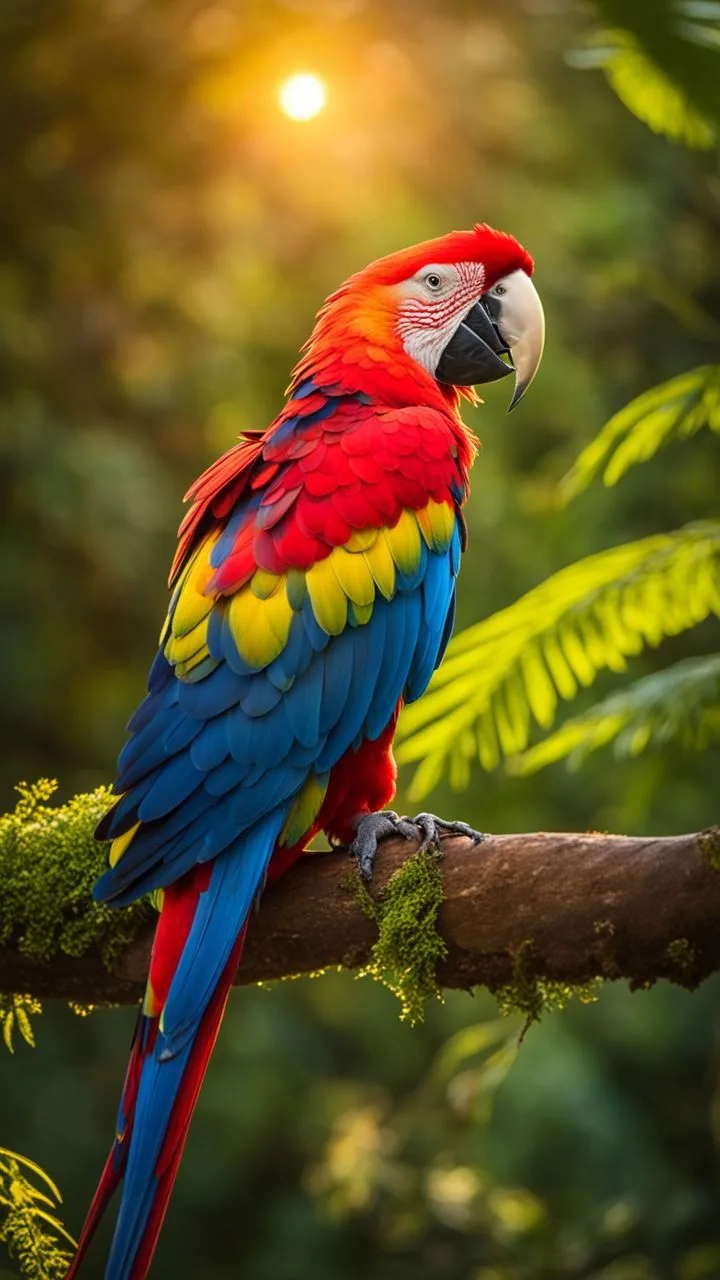
Most parrots live between 20 and 80 years. Tiny species like budgies live 5 to 15 years. Large macaws often exceed 50 years.
Longevity depends on diet and veterinary care. You must plan for their entire lifespan.
The Reality of Parrot Lifespans: It’s Not Just a Number
A common misconception is that all parrots share a similar life expectancy. The reality is that the lifespan varies drastically depending on the biological classification of the bird.
Small species like budgies have high metabolic rates and shorter natural lives. Larger birds like cockatoos and macaws have slow biological clocks and can easily outlive their human owners.
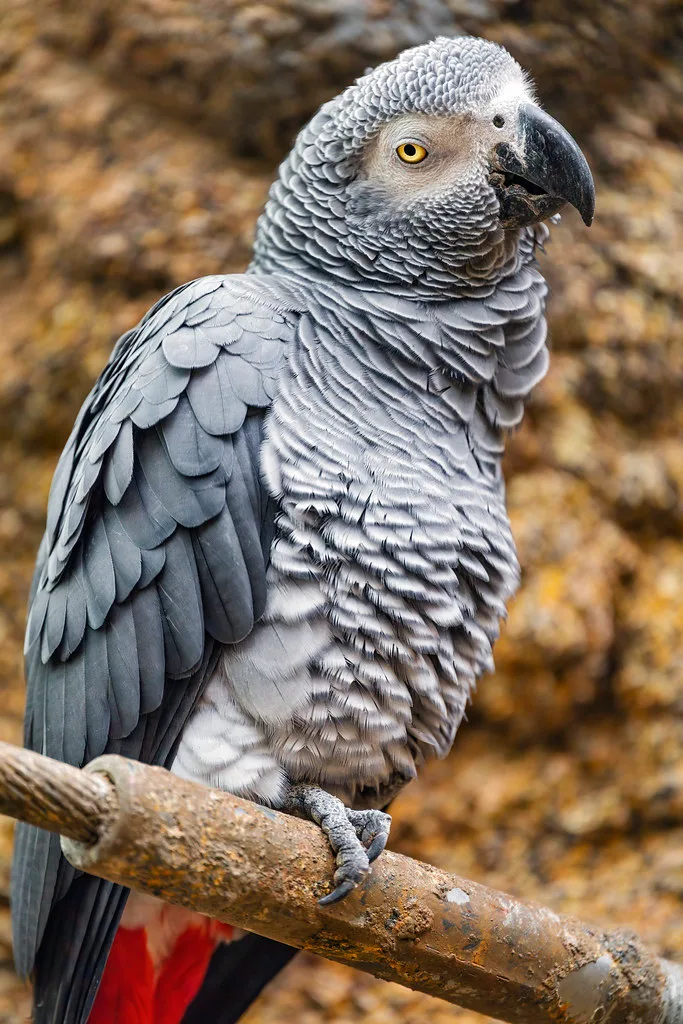
When you bring a bird home, you are entering a multi-decade contract. If you adopt a young African Grey, you might be responsible for that bird until you are in your seventies or eighties. You must have a clear plan for who will care for the bird if your own circumstances change.
Many birds are rehomed because owners do not realize how long their pet will actually be around. Planning for the bird's future is as essential as buying its first cage.
Why Species Determines Your Decades-Long Commitment
Size is the most reliable predictor of how long a parrot will live. Small birds are high-energy animals with rapid metabolisms, while larger birds live at a slower, more deliberate pace.
The following table breaks down typical lifespans for popular pet parrots. These estimates assume the bird receives high-quality husbandry throughout its life.
| Parrot Species | Typical Lifespan |
|---|---|
| Budgie (Parakeet) | 5–15 Years |
| Cockatiel | 15–25 Years |
| Conure | 20–30+ Years |
| African Grey | 40–60+ Years |
| Amazon Parrot | 40–60+ Years |
| Macaw | 50–80+ Years |
These numbers act as a baseline for your research. If you are looking for a pet that fits a shorter timeline, a smaller species is a logical choice. If you want a companion for life, the larger parrots are legendary for their longevity and emotional depth.
The Biology of Longevity: What Actually Drives a Long Life
Longevity in parrots is not just about genetics. It is about how the bird interacts with its captive environment. A healthy bird is one that can engage its natural instincts for flight, foraging, and social interaction.
Diet is the primary driver of physical health. Many common health issues in parrots arise from nutritional deficiencies caused by seed-only diets, which are often high in fat but low in essential vitamins.
Mental stimulation is the second pillar of longevity. Parrots are highly intelligent and require complex environments to avoid stress. If a bird is kept in a small cage with no toys or interaction, its physical health often declines alongside its mental well-being.
Research from the Association of Avian Veterinarians emphasizes that environmental enrichment is just as important as medicine. A stimulated bird is a bird that continues to engage with the world, which is a vital marker of long-term health.
Common Health Hurdles That Cut Lives Short
Birds are masters of hiding their illnesses to protect themselves from predators. By the time you notice a bird acting sick, it is often in the later stages of a disease.
Respiratory issues are particularly common because parrots have highly sensitive lungs. Household dangers like non-stick cookware (PTFE), scented candles, and aerosol sprays can cause fatal reactions.
Infectious diseases such as Psittacosis are also a concern in shared environments. These bacterial infections can pass from birds to humans, making hygiene and regular testing crucial for safety.
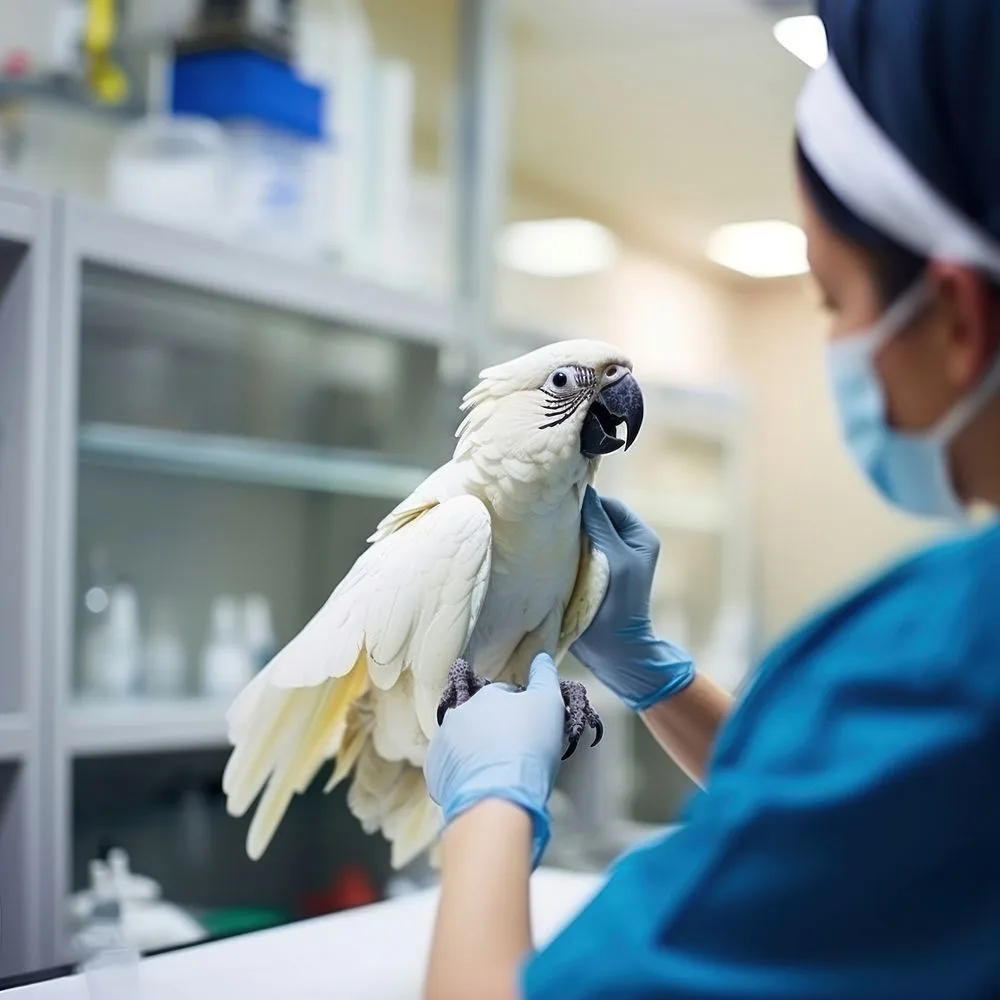
You must establish a relationship with a certified avian veterinarian early. Routine exams allow the vet to establish a "normal" baseline for your bird's blood work and weight. When a change occurs, you have data to compare against.
Planning for the Future: Estate Planning and Lifetime Care
Because many parrots will outlive their owners, you have a responsibility to designate a successor. This is not a task to leave for the last minute.
Discuss the bird's needs with family or friends who are willing to take over. Ensure these people have the skills to handle the bird, as parrots often form strong bonds with only one or two primary people.
If you cannot find a personal successor, research reputable avian sanctuaries or rescue organizations in your area. Many of these groups require legal documentation or a financial trust to be established to ensure the bird is cared for after you are gone.
Treat your bird like any other significant dependent in your estate planning. A written care plan, including details on diet, favorite toys, and medical history, is a massive help to whoever steps in later.
Essential Husbandry: The Daily Routine for a Long-Lived Companion
Consistent, high-quality care is the single biggest factor in reaching the upper limits of a parrot's natural lifespan. You should view husbandry as a non-negotiable part of your daily schedule.
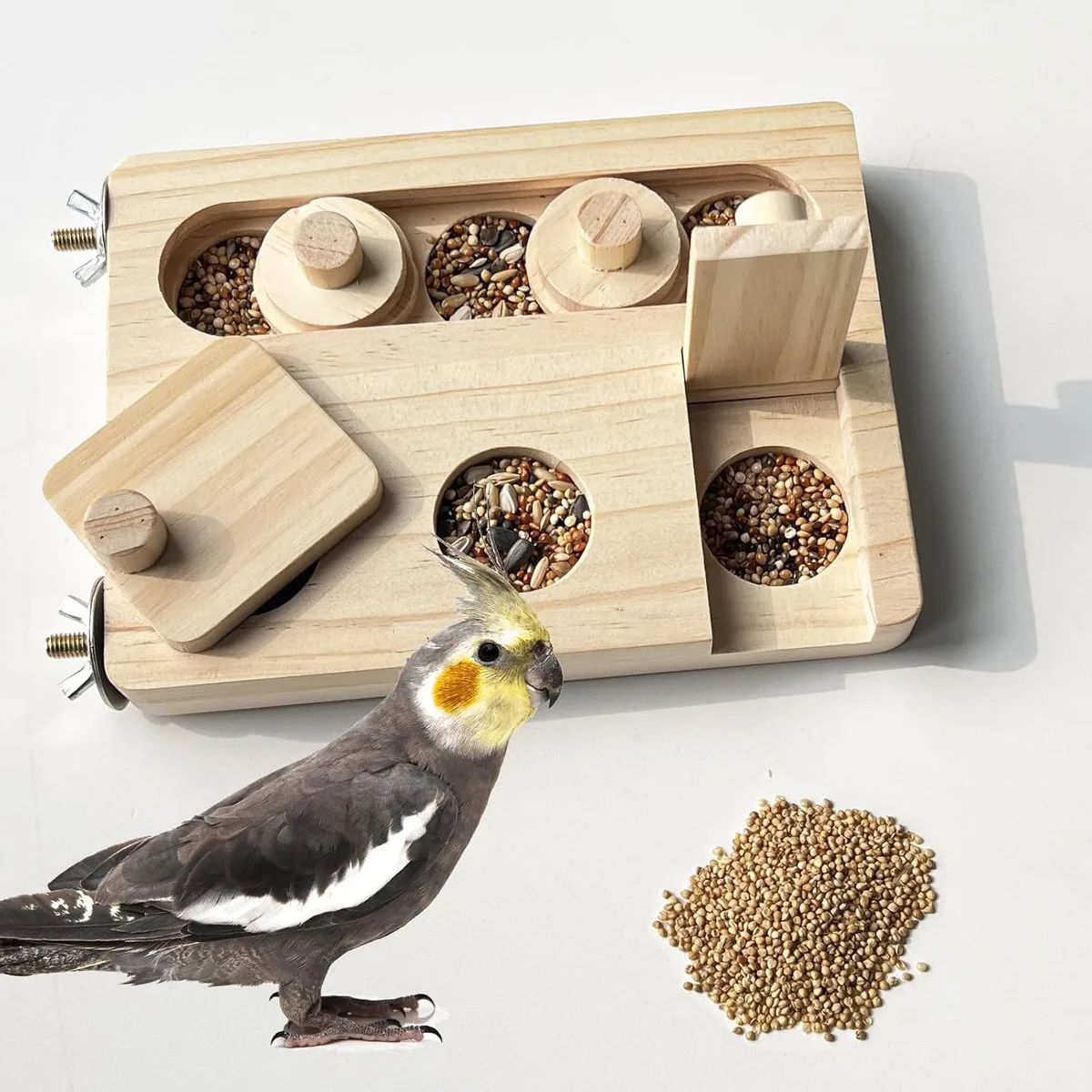
Dietary variety is the foundation of this routine. Replace a seed-heavy diet with high-quality, species-specific pellets as your primary food source. Supplement this with fresh, bird-safe vegetables like kale, peppers, and carrots.
Avoid sugary fruits and fatty nuts, reserving them only for occasional training rewards.
Enrichment keeps your bird mentally sharp and prevents stress-induced behaviors like feather destruction. You should rotate toys weekly so the environment feels new and challenging. Incorporate foraging opportunities by hiding small pieces of food inside toys or cardboard boxes.
This forces the bird to work for its meal, mirroring their natural behavior in the wild.
Cleaning is equally important to prevent the buildup of bacteria and mold. Scrub food and water bowls daily with hot water and mild detergent. Deep-clean the cage weekly to remove dust, dander, and dried droppings.
A sanitary environment is the easiest way to avoid common avian infections.
Frequently Asked Questions
Can I determine how long my specific parrot will live?
You cannot know the exact date, but you can estimate based on species and health. Keep detailed records of your bird's weight and behavior. These numbers act as a baseline for future medical comparisons.
Consistent care and regular checkups provide the best chance at reaching the maximum life expectancy.
Does a larger parrot always live longer than a small one?
In general, yes. Larger species like Macaws have much slower metabolic rates, allowing them to live for many decades. Smaller species like budgies operate on a faster biological clock.
Always research the specific life cycle of the species you plan to bring home.
How can I tell if my parrot is aging too quickly?
Watch for changes in physical activity, muscle tone, and feather quality. An aging bird may become less active or lose interest in toys it once enjoyed. If you notice signs of weakness or lethargy, contact your avian veterinarian.
Early intervention is the primary way to manage age-related health declines.
Are there environmental factors that shorten a parrot's life?
Yes, many common household items are toxic to birds. Avoid non-stick (PTFE) cookware, scented candles, and harsh chemical cleaners. These items release particles that cause rapid respiratory failure in parrots.
Maintaining a clean and smoke-free environment is critical for their long-term health.