Why Do Parrots Talk
Parrots have a unique biological drive to mimic sounds, which explains why do parrots talk when they are kept as pets. In the wild, this behavior is a survival tool used to identify and bond with their specific social flock.
As of 2026, research into avian ethology confirms that this mimicry relies on specialized neural structures. Parrots possess a vocal learning system that is more complex than most other bird species, allowing them to replicate human speech patterns with high accuracy.
Quick Answer
Parrots talk to strengthen social bonds within their flock. They mimic sounds to fit into their human family environment. This behavior is a form of social survival.
Parrots also use mimicry to seek attention from their caregivers. It is a natural byproduct of their high intelligence.
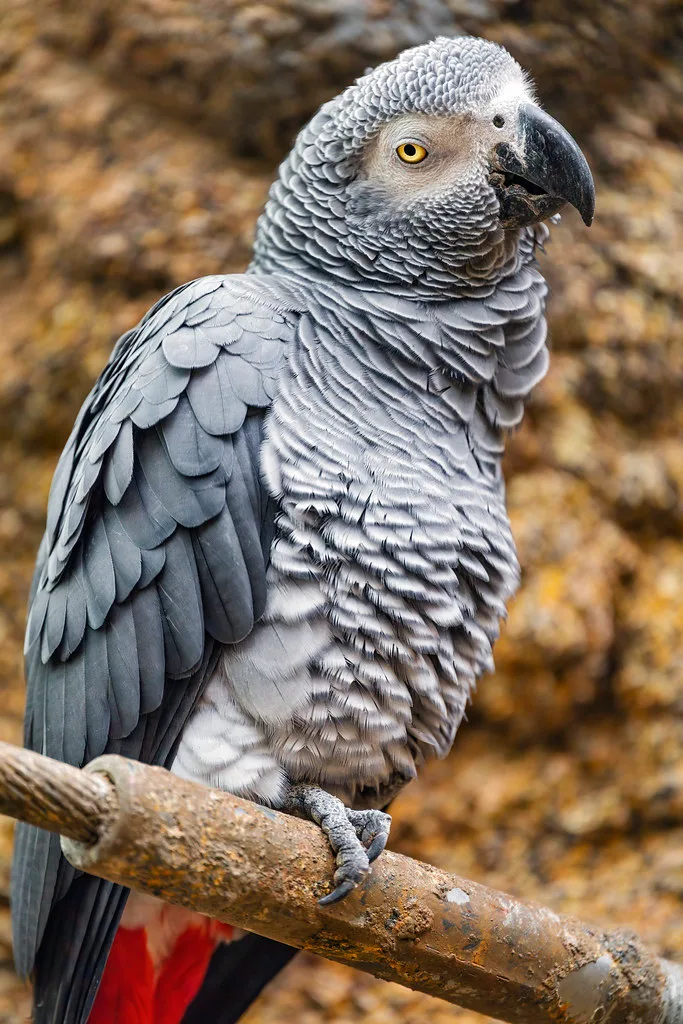
Image source: Web (Bing) / flickr.com (Web image (fair-use with source credit))
The Biological Reality Behind Parrot Vocalization
Parrots do not talk because they have a human-like understanding of language. They talk because they are biologically equipped to process and replicate complex auditory signals. Unlike most animals, parrots use a specialized vocal organ known as the syrinx.
The syrinx is located at the base of the trachea. It functions differently than a human larynx. It allows birds to produce two distinct sounds simultaneously.
This unique anatomy gives them the range to mimic everything from human words to the mechanical hum of a refrigerator.

Image source: Web (Bing) / qaqooking.wiki (Web image (fair-use with source credit))
According to research from the University of California, Davis, these birds use their vocalizations to maintain contact with flock members. In your home, the bird treats you as a surrogate flock. Mimicking your voice is their way of saying they belong to your group.
It is not just noise. It is an active attempt to participate in your daily life.
How the Avian Brain Masters Human Speech
The capacity for speech is driven by specific brain structures that separate parrots from other birds. Experts refer to these as core and shell regions within the nidopallium. This area is the center for higher-order cognitive processing and vocal learning.
These neural pathways allow the bird to record, store, and playback auditory data with precision. While a dog can learn to respond to commands, it lacks the neural shell structure necessary to reproduce the sound of the word "sit." Parrots, however, are neurologically wired to treat sound as a puzzle to be solved and repeated.

Image source: Bing (Web (fair-use with source credit))
This brain development means they are constantly scanning their environment for new sounds. They analyze the frequency and rhythm of the noises around them. If a sound is significant to the flock, the brain tags it for reproduction.
This is why parrots often learn words associated with high-emotion events, like arrivals or mealtimes.
Why Your Parrot Mimics Your Specific Sounds
Parrots rarely pick sounds at random. They prioritize noises that get results. If you cheer or look at your bird whenever they make a specific sound, you have provided a clear reward.
The bird learns that the sound is a functional tool.
The following table outlines why certain sounds are more likely to be mimicked:
| Sound Type | Why It Happens | Example |
|---|---|---|
| Interaction | Requests for attention | "Hello" or calling a name |
| Excitement | High-energy environment | Whistling or laughter |
| Routine | Predictable daily events | Microwave beeps or doorbells |
The bird is essentially performing a cost-benefit analysis of sound. They store a library of noises that have worked in the past. If you stop reacting to a specific phrase, the bird may eventually stop using it.
They optimize their vocal library to remain relevant within the household.
Identifying When Mimicry Becomes Communication
We often wonder if the bird understands the meaning of the words. For most species, talking is a form of situational association rather than true linguistic communication. The bird associates the sound "Goodbye" with the act of you leaving the house.
However, some parrots exhibit referential communication. This occurs when a bird uses a label to request a specific item. An African Grey might say "nut" because it wants a treat, not just because it heard you say the word.
This is a higher form of cognitive function.
It is important to watch for body language cues. A bird that talks while puffing its feathers or bobbing its head is often seeking engagement. They are using their learned sounds as a social bridge.
It is their way of inviting you to interact, play, or feed them.
Common Pitfalls: Why We Misinterpret Talking Birds
A major mistake owners make is anthropomorphism. This is the tendency to project human feelings onto the bird. We assume that because the bird says "I love you," it shares our complex understanding of affection.
In reality, the bird is mimicking a sound it associates with a positive interaction.
Another frequent error is unintentional reinforcement of negative behaviors. If your bird mimics a smoke alarm or a swear word, it is usually because it saw a big reaction from you. Even scolding the bird serves as a reward.
The bird feels the intensity of your focus and identifies the sound as powerful.
- Avoid overreacting. Stay calm when your bird mimics something you dislike.
- Silence is a tool. Ignoring an unwanted sound is often the most effective training method.
- Monitor your speech. Be aware of what you say near the cage. Parrots are constant observers.
If you are concerned about your bird’s development, consult with an avian veterinarian or a certified behaviorist. You can find guidance on bird health and behavior through the USDA Animal and Plant Health Inspection Service. They provide resources on maintaining the health and welfare of captive exotic animals.
Proven Methods for Managing Your Bird’s Vocal Development
You can guide your parrot’s vocalization by using consistent, positive reinforcement. Focus on the sounds you want to hear. If you want the bird to say "Good morning," say that phrase specifically when you uncover the cage each day.
The bird learns through repetition and routine. Be patient, as some species take weeks or months to master a new sound. It helps to keep training sessions short and upbeat.
If the bird seems bored or begins to drift off, end the session and try again later.
Using a clear, consistent tone helps the bird identify the sounds you are teaching. Avoid changing your inflection drastically, as this confuses the learning process. If you notice your bird picking up sounds you didn't teach, it is usually because those sounds are loud, rhythmic, or connected to an emotional reaction from you.
| Training Tactic | Best Use Case | Benefit |
|---|---|---|
| Simple Repetition | Initial sound acquisition | Builds foundational vocabulary |
| Context Pairing | Linking words to actions | Enhances situational awareness |
| Active Listening | Building trust with the bird | Reduces unnecessary screeching |
If you encounter persistent unwanted noise, re-evaluate the environment. Loud noises like television static or background music can cause a bird to mimic disruptive sounds. Create a calmer space if you notice a spike in chaotic vocalizations.
Frequently Asked Questions About Parrot Talking
Why do some parrots talk and others do not?
Vocal mimicry is a learned skill that varies by species and individual personality. While African Greys and Amazons are known for high vocal output, even within these species, some birds are naturally quieter. It often depends on the bird’s social drive and the level of engagement they receive from their human flock.
Can parrots lose their ability to talk?
Yes, a parrot may stop mimicking if it no longer receives reinforcement for the behavior. If a bird says a word and receives no attention, it may drop that word from its active vocabulary. Changes in environment or social stress can also cause a bird to go through a period of vocal silence.
Does the age of the bird affect learning?
Younger birds often show a higher aptitude for absorbing new sounds. Their brains are in a developmental phase that prioritizes learning and integration. However, older parrots can still learn new phrases, though it often requires more time and consistent, positive reinforcement to establish the new vocal patterns.
How do I stop my parrot from mimicking swear words?
The most effective way to stop an unwanted sound is to provide zero reaction. When your bird says something you dislike, do not laugh, scold, or even make eye contact. If you provide any form of attention, you are rewarding the bird for the sound.
Over time, the bird will prioritize sounds that actually yield a response.
Is it normal for my parrot to whistle instead of talk?
Yes, whistling is a natural behavior for many parrot species and is often easier for them than mimicking human speech. Whistles rely on tone and frequency rather than complex consonant and vowel articulation. Many owners find that their birds transition from whistling to speech as they develop a deeper connection with their human caregivers.