Parrot Behavior
Understanding parrot behavior is the most critical factor in ensuring your bird thrives in a domestic setting. Because these animals are not fully domesticated, they respond to the world through instincts shaped by generations of life in the wild.
Parrot behavior shifts based on their social environment and their individual developmental stage. As of 2026, experts at the Association of Avian Veterinarians emphasize that behavioral health depends on meeting both physical and complex psychological needs.
Image source: Web (Bing) / petsuppliesunlimited.com (Web image (fair-use with source credit))
Quick Answer
Parrot behavior reflects complex wild instincts. Their actions communicate safety and stress. Body posture signals specific emotional states.
Owners must interpret these signs accurately. Proper training builds long-term trust.
Why Parrot Behavior Isn’t Just "Personality"
People often describe their birds as grumpy or stubborn, but these labels ignore the biological reality of the bird. Your parrot operates on a set of survival protocols that trigger specific reactions to environmental stimuli.
If a bird screams, they aren't trying to be difficult. They are performing a contact call to ensure their flock is nearby and secure. When you ignore this biological function, the bird only increases the volume to get a response.
View these actions as communication rather than defiance. Every interaction is a data point for your bird to assess if their needs are being met. Consistent, predictable responses from you provide the security they require to remain calm.
Deciphering the Language of Avian Body Posture
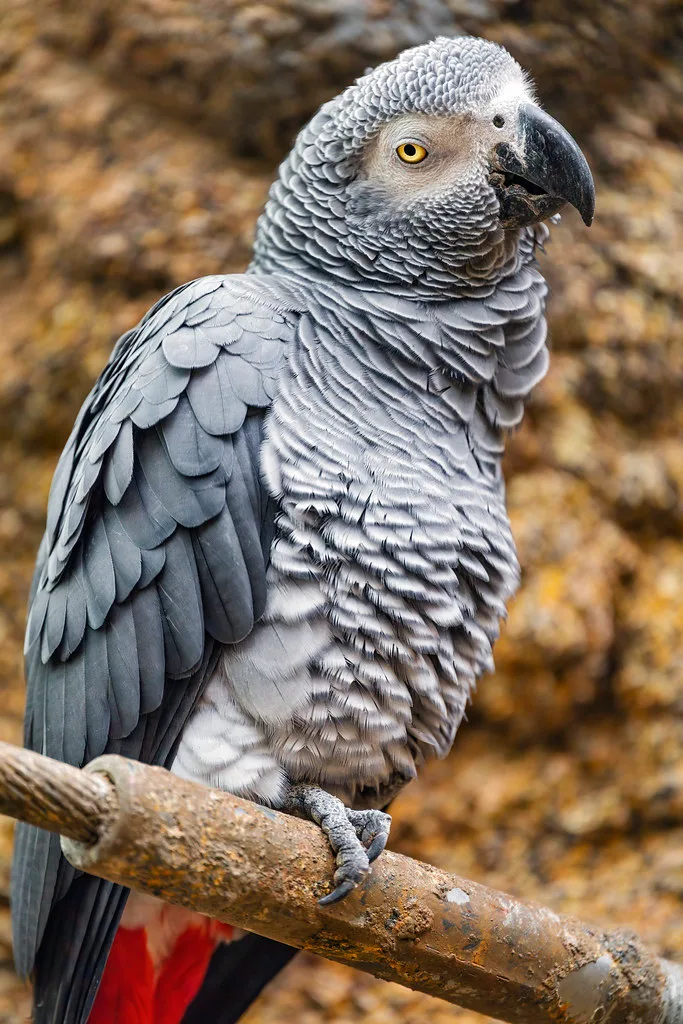
Parrots use subtle shifts in their physical appearance to signal their internal state long before they make a sound. You must learn to read these signs to prevent bites or stress-related outcomes.
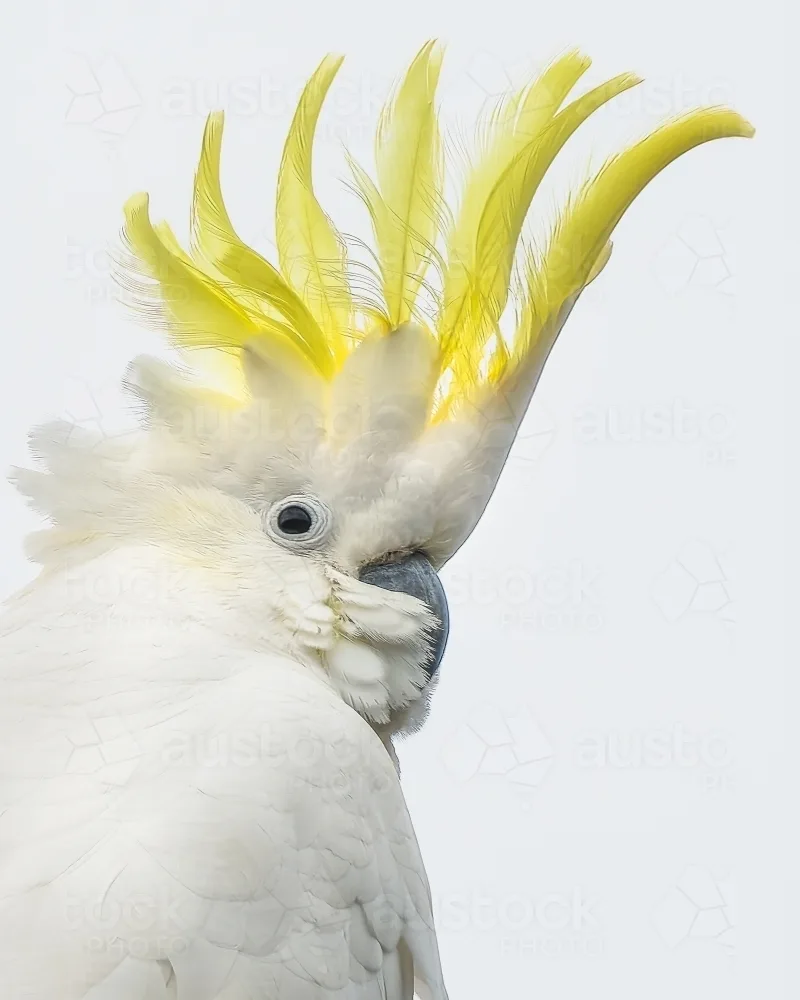
Image source: Web (Bing) / avianbliss.com (Web image (fair-use with source credit))
Watch for eye pinning, which occurs when a bird rapidly dilates and constricts their pupils. This usually indicates high arousal or intense focus. It is not always aggressive, but it does mean the bird is currently stimulated.
- Fluffed head feathers: Generally a sign of a relaxed, content bird.
- Sleeked feathers: The bird is tense, alert, or potentially defensive.
- Tail fanning: Often a warning signal that the bird feels threatened.
- Leaning forward: An indicator of readiness to bite or flee.
If you see these signs, back away immediately to give the bird space. Pushing past these boundaries creates mistrust. It often leads to the bird feeling they must escalate to biting to be heard.
Identifying High-Risk Behavioral Triggers
Most problematic behaviors stem from unintentional reinforcement. If you rush to your bird the moment they scream, you are rewarding the noise with your presence. The behavior continues because it works.
Hormonal cycles also play a massive role in shifting temperaments. During breeding seasons, parrots may become territorial, aggressive, or possessive of their favorite human. This is a physiological response, not a change in their personality.
Common Triggers for Aggression
- Reach-in anxiety: Reaching into the cage can trigger a territorial defense response.
- Environmental noise: High-frequency sounds or sudden movements can cause alarm.
- Physical touch: Petting the wings, back, or tail can trigger reproductive behaviors.
- Inconsistent rules: Lack of a clear routine confuses the bird and increases anxiety.
Avoid petting your bird anywhere except the head or neck. Touching the body mimics the behavior of a mate, which confuses the bird and often results in frustration-based biting.
Establishing Healthy Flock Dynamics and Boundaries
You are a member of your bird's flock, but you are not another bird. Your role is to provide stability and guidance. Parrots respect clear, consistent boundaries because they provide a sense of order.
Establish a firm routine for morning and evening activities. Parrots thrive when they know exactly when the day begins and ends. Use a dedicated space or cage cover to ensure 10 to 12 hours of uninterrupted darkness every night.
| Strategy | Goal | Benefit |
|---|---|---|
| Morning Routine | Set the day's tempo | Reduces separation anxiety |
| Clear Boundaries | Prevent territoriality | Decreases biting incidents |
| Consistent Cues | Build trust | Improves bird cooperation |
If the bird acts out, remain neutral. Don't yell or show frustration, as this only increases the excitement of the moment. Simply step away or provide a time-out by moving the bird to a quiet area until they settle down.
Transforming Instincts into Positive Foraging Habits
In the wild, parrots spend most of their waking hours foraging. This means searching for and processing food. When we feed them from a bowl, we remove their job, which leads to boredom and destruction.
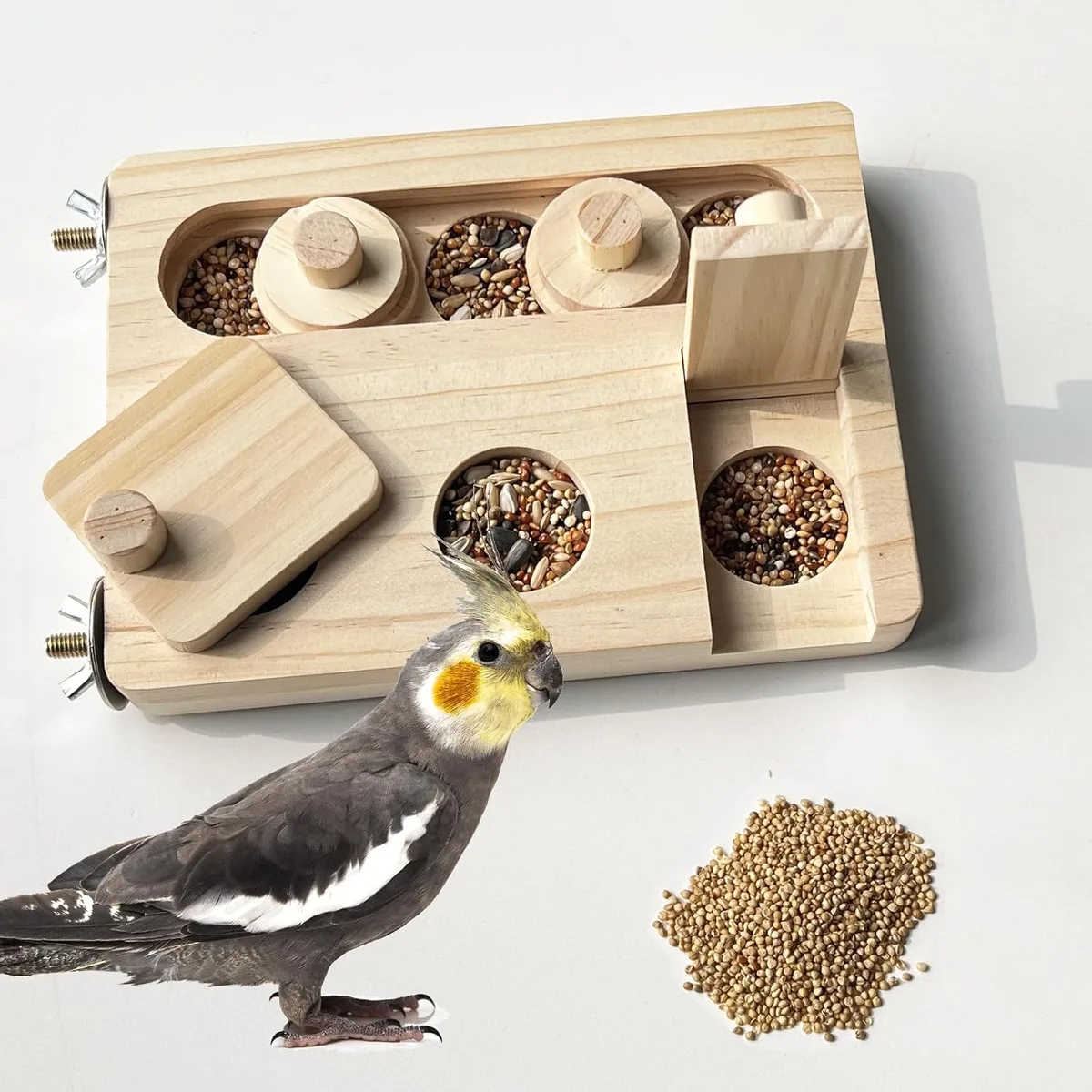
Image source: Web (Bing) / amazon.com.au (Web image (fair-use with source credit))
Encourage natural behaviors by making your bird work for their food. You can use simple tools like cardboard boxes, paper bags, or specialized foraging toys. The goal is to keep their minds engaged throughout the day.
Tips for Foraging Success
- Start with easy puzzles, like wrapping a treat in a piece of paper.
- Rotate the toys frequently to keep the environment interesting.
- Hide food in different spots inside the cage to encourage movement.
- Observe how they interact with items before introducing complex puzzles.
Providing these outlets helps prevent common issues like feather destructive behavior or chronic screaming. A busy, mentally satisfied parrot is much less likely to develop behavioral problems in the home.
When to Consult an Avian Professional
Seek professional help when you notice a sudden, unexplained shift in your parrot’s standard behavior. Birds are experts at hiding illness, so what looks like a mood swing is often a physical health issue.
A certified behavior consultant or an avian-specialized veterinarian can identify medical root causes that might not be obvious to you. They use clinical observation and environmental assessment to rule out stressors like pain, nutritional deficiencies, or hormonal imbalances.
- Self-mutilation: Any chewing or plucking of feathers requires an immediate vet visit.
- Persistent lethargy: A bird that stops moving, playing, or eating normally is likely ill.
- Social withdrawal: A sudden change from a social bird to an isolated one is a red flag.
- Uncontrolled aggression: If you cannot identify a trigger, you need an expert to help re-evaluate the home environment.
Do not wait for these issues to resolve themselves. Prompt intervention prevents long-term physical damage and psychological trauma. Reach out to organizations like the Association of Avian Veterinarians to find a qualified practitioner in your area.
Frequently Asked Questions About Parrot Conduct
Why does my parrot scream when I leave the room?
Screaming is usually a contact call meant to ensure the flock is safe. Your bird feels vulnerable when they cannot see you. Respond with a calm, consistent whistle or a short verbal cue to let them know you are nearby.
Avoid scolding them, as this only reinforces the noise as a way to get your attention.
How can I stop my parrot from biting?
Biting is a defensive response to a perceived threat or ignored boundaries. Identify the triggers by tracking when the behavior happens, such as during cleaning or when the bird is tired. Give the bird personal space and avoid reaching into their cage without a clear, gentle invitation.
Training through positive reinforcement helps build the trust needed to stop biting.
Is it normal for my bird to puff up their feathers?
Puffing feathers can mean relaxation, but it also signals illness or feeling cold. If your bird is relaxed and eyes are bright, they are likely content. If they appear hunched, stay at the bottom of the cage, or have discharge around the nostrils, treat it as a medical emergency and contact your vet.
How much sleep does a parrot need each night?
Parrots require 10 to 12 hours of uninterrupted, dark, and quiet sleep to remain healthy. Lack of sleep leads to irritability, poor immune function, and increased hormonal aggression. Provide a dedicated sleep cage or a sturdy cover for their current enclosure to block out light and noise.
Why does my bird chew on everything?
Chewing is an essential, hard-wired instinct for parrots to explore their environment and maintain beak health. Redirect this energy toward safe, destructible items like cardboard, paper, or soft, untreated wood blocks. Providing these appropriate outlets prevents them from destroying your furniture or baseboards.