Conure Facts
If you are searching for conure facts, you need to understand that these birds are long-lived, high-energy, and deeply social companions. They are not low-maintenance pets, but rather intelligent flock members that require significant daily interaction to thrive.
As of 2026, experts classify these parrots as long-term commitments that can live anywhere from 15 to 30 years depending on the species and care. Understanding their specific behavioral, nutritional, and environmental needs is the first step in ensuring they lead a healthy life in your home.
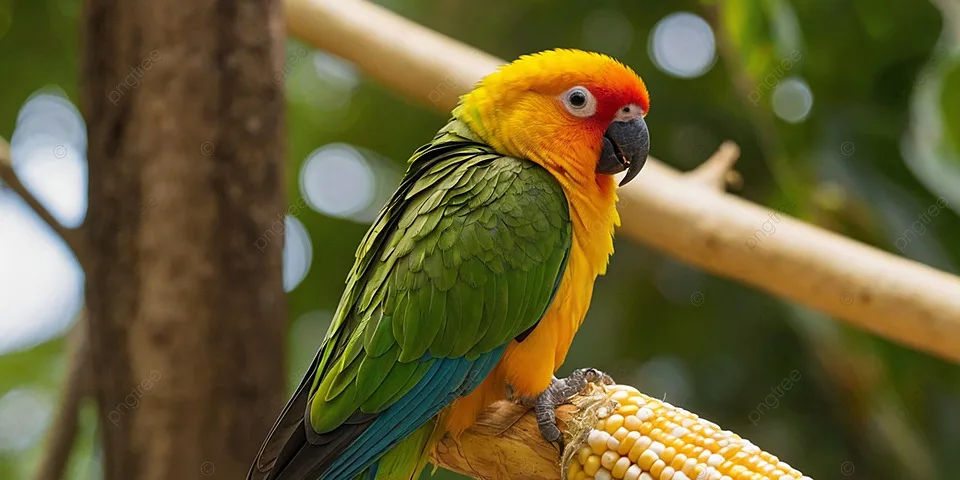
Image source: Bing (Web (fair-use with source credit))
Quick Answer
Conures are highly social and intelligent parrots. They require daily human interaction for mental well-being. Most species live between 15 and 30 years.
Their diet must be primarily high-quality pellets. These birds can be very loud at times. Proper avian veterinary care is essential for their health.
Understanding the Real Commitment of Conure Ownership
Bringing a conure home is a decision that impacts your daily life for decades. Unlike smaller pets, these parrots possess complex social needs that mimic the dynamics of a wild flock. They view their human owners as their primary flock, meaning they crave proximity and constant feedback.
If you are away for the majority of the day, a conure may develop severe behavioral issues. Boredom quickly turns into destructive chewing or chronic feather plucking. You must be prepared to integrate them into your routine, whether that means letting them hang out on a play stand while you cook or spending quiet time together in the evening.
This commitment is a financial and emotional one. Beyond the initial cost of the bird, you must account for specialized avian veterinary bills, which are often higher than those for cats or dogs. You also need to plan for their care during vacations or unexpected life changes.
The Biological Reality: Intelligence, Noise, and Social Needs
Conures are known for their high intelligence, which makes them great at learning tricks but also expert at finding trouble. They possess the mental capacity to solve multi-step puzzles to reach their food. If you do not provide this mental stimulation, they will find their own, usually by dismantling your furniture or cage accessories.
Noise is perhaps the most significant reality check for new owners. These birds are vocal creatures. While individual personalities vary, you should expect loud, piercing calls at dawn and dusk.
This is a natural behavior used to communicate with the flock. It is not something you can train out of them, so you must be comfortable with the volume levels of your chosen species.
| Species | Typical Noise Level | Social Temperament |
|---|---|---|
| Green-Cheeked | Moderate | Affectionate |
| Sun Conure | Very High | Bold and Demanding |
| Jenday Conure | High | Playful and Clingy |
Setting Up for Success: Essential Husbandry and Nutrition
A healthy diet is the foundation of long-term avian wellness. Many owners make the mistake of relying on seed mixes, which are often too high in fat and low in essential nutrients. Per the Association of Avian Veterinarians, a balanced diet should consist primarily of formulated pellets, supplemented with a variety of fresh vegetables and occasional fruits.
The cage setup is equally important for their physical health. Your bird needs enough room to fully spread its wings and move between perches. We recommend a cage with horizontal bars to encourage climbing, which helps maintain their leg muscle strength.

Image source: Web (Bing) / shopee.ph (Web image (fair-use with source credit))
- Pellets: Should make up 70% to 80% of their total daily intake.
- Vegetables: Offer dark, leafy greens and crunchy carrots daily.
- Water: Must be replaced twice daily to ensure it remains clean.
- Perches: Provide varying textures and diameters to prevent foot sores.
Managing the Environment: Safety Hazards and Toxic Exposures
Your home is likely filled with invisible hazards that can be fatal to a small parrot. Conures have highly efficient respiratory systems, making them incredibly sensitive to airborne toxins. The most common culprit is polytetrafluoroethylene (PTFE), the chemical used in non-stick cookware.
When a non-stick pan is overheated, it releases fumes that can kill a bird in minutes. You must replace all non-stick pans with stainless steel or cast iron. Additionally, you should avoid using scented candles, aerosol sprays, air fresheners, and harsh cleaning chemicals in the same room as your bird.
Check your home for these common dangers:
- Drafts: Keep cages away from windows or air conditioning vents.
- Electrical Cords: Conures are natural chewers and may find power cables irresistible.
- Human Foods: Avoid avocados, chocolate, caffeine, and alcohol, as these are toxic to parrots.
- Other Pets: Never leave a conure unsupervised with dogs or cats, as their predator-prey dynamic is a constant risk.
Long-Term Maintenance: Health Tracking and Behavioral Enrichment
Maintaining a healthy bird requires proactive observation. Conures are masters at hiding illness until they are very sick, a survival trait from the wild. You should perform a daily check of your bird’s droppings, appetite, and energy levels.
If you notice a sudden change in their stool color or a drop in activity, consult your avian vet immediately.
Mental enrichment is just as vital as physical health. Foraging is a natural instinct, so you should make your bird work for its food rather than providing it all in a bowl. Use foraging toys that require the bird to slide, lift, or chew through objects to get to their treat.
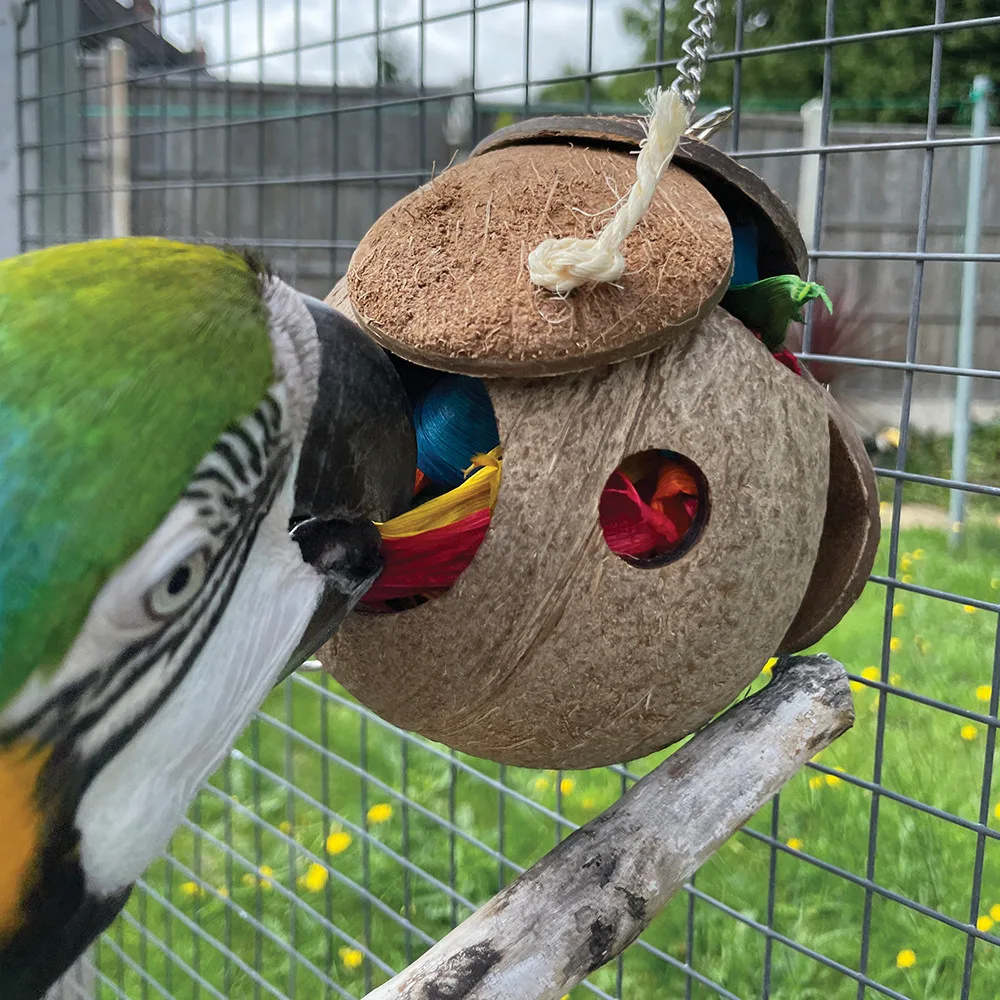
Image source: Web (Bing) / northernparrots.com (Web image (fair-use with source credit))
- Rotation: Swap out toys weekly to prevent boredom.
- Training: Spend 15 minutes a day on target training to build trust.
- Sleep: Ensure your bird gets 10 to 12 hours of uninterrupted sleep in a dark, quiet area.
- Grooming: Provide a shallow bowl of water for regular bathing, or use a gentle misting spray.
Establishing a Relationship: Training, Socialization, and Flock Dynamics
Building a bond with a conure takes time, patience, and a consistent routine. These parrots are naturally inquisitive, but they can be skittish if introduced to new environments too quickly. Start by spending time near the cage without forcing interaction.
Let the bird observe you and become accustomed to your presence before attempting any physical contact.
Positive reinforcement is the most effective way to train your bird. Use high-value treats, such as a small sunflower seed or a piece of millet, to reward calm behavior or simple commands. Clicker training is a highly effective method for teaching behaviors like "step up" or "target," which help make handling the bird during cage cleaning or medical exams much easier.
Consistency is key to maintaining your position in the flock. If you allow your bird to become overly dependent on one person, it may develop aggressive tendencies toward others. Rotate family members during feeding and play sessions to ensure the bird remains socialized.
Avoid using punishment or yelling, as these behaviors damage trust and often increase loud vocalizations rather than stopping them.
Frequently Asked Questions
Why does my conure bite when I try to touch it?
Biting is rarely just aggression. It is often a signal that your bird feels threatened, overwhelmed, or hormonal. Analyze the situation to see if you missed subtle body language cues like pinned eyes, puffed feathers, or a lowered head.
How do I know if my bird is sick?
Look for changes in routine. A bird that spends all day puffed up, sleeps more than usual, or shows a decrease in appetite is likely unwell. Always keep the contact information for an avian-certified veterinarian in an accessible location for emergencies.
Can conures learn to talk?
Most conures are capable of mimicking sounds, whistles, and occasionally a few words. They generally prefer making natural bird sounds over repeating human speech. Do not expect your bird to become a conversationalist, as their vocalizations serve different social purposes.
Should I cover the cage at night?
A cover helps provide a sense of security and creates a consistent dark environment. This mimics their natural cycle and helps prevent hormonal surges. Ensure the cover is breathable and keep the cage in a quiet part of the house during sleep hours.
How often should I take my conure to the vet?
Even if your bird appears perfectly healthy, an annual wellness exam is recommended. Birds mask illness well, so physical exams and blood work are the only ways to catch internal issues early. Consistent vet checkups often extend a parrot's lifespan significantly.