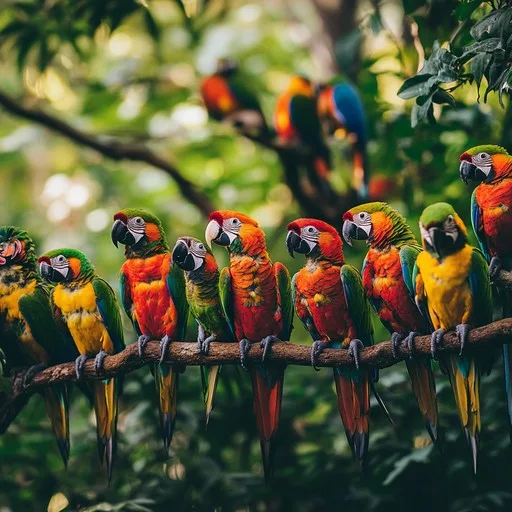
African Grey Parrot Facts
Living with an African grey parrot provides a look into one of the most brilliant minds in the animal kingdom. These birds are known for their cognitive depth and their ability to mirror human speech with startling accuracy.
Understanding the core African grey parrot facts is the first step toward a healthy partnership. They live for decades and require specialized care to avoid common behavioral or health issues.
Quick Answer
African grey parrots are highly intelligent, long-lived social birds. They require consistent mental stimulation and complex, daily enrichment. These parrots need a specialized diet containing calcium and vitamins.
They form deep bonds with owners over their fifty-year lifespan. Proper care prevents common issues like feather destructive behavior.
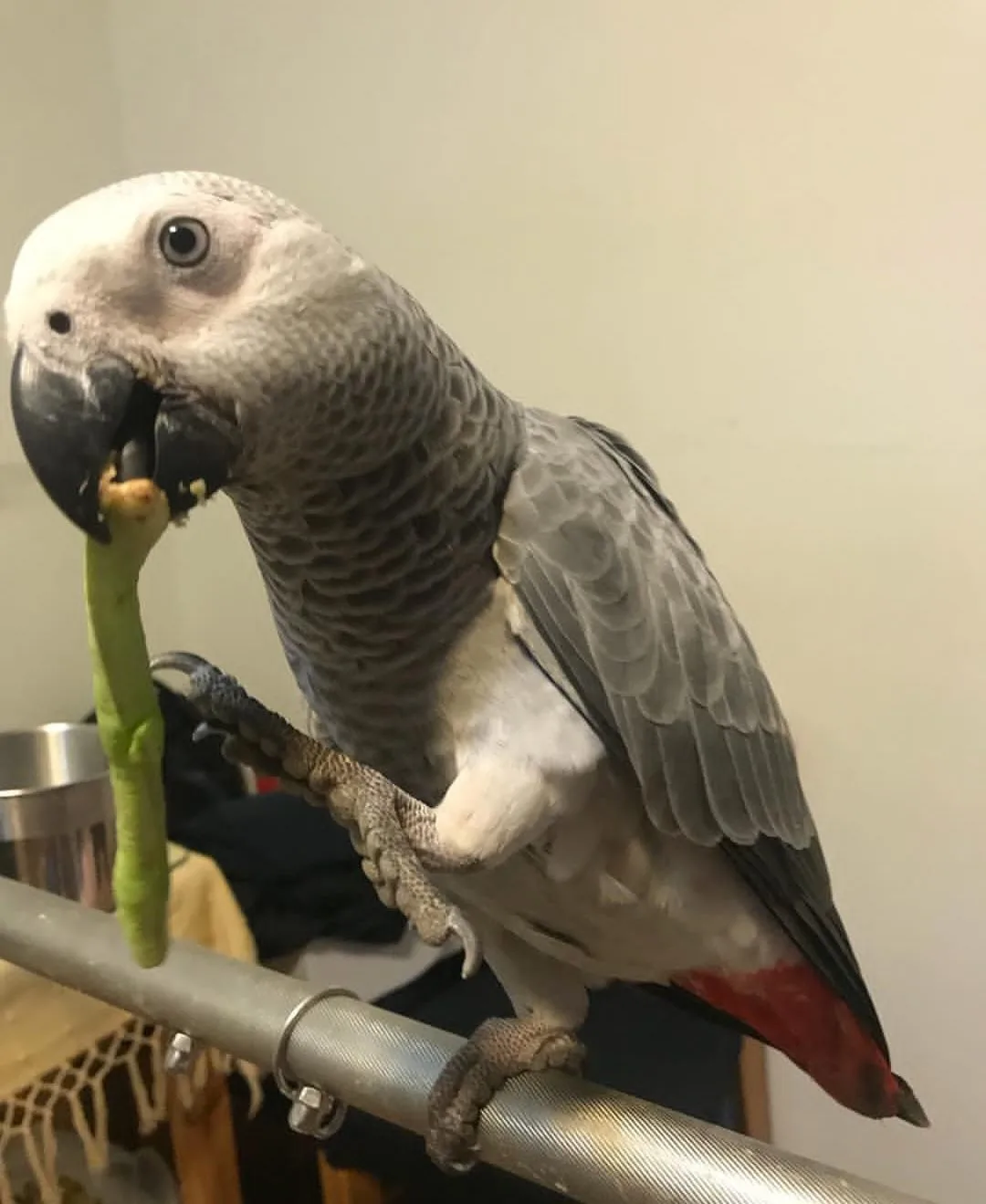
Image source: Web (Bing) / exoticglobalparrotsfarm.com (Web image (fair-use with source credit))
Understanding the High-Stakes Reality of African Grey Ownership
Owning an African grey is a life-changing commitment that spans generations. Because these birds can live between forty and sixty years, you are essentially adopting a companion that stays with you for your entire adult life. They don't just exist in a cage, they participate in your daily routine.
This high level of intelligence means they process information similarly to a toddler. They observe your reactions, learn your schedule, and react to the emotional tone of the household. If you’re looking for a low-maintenance pet, these parrots are not the right fit.
They thrive on social interaction and constant feedback from their human flock. When they don't get enough attention, they often develop loud vocalizations or destructive habits to cope. Real-world experience shows that potential owners must prepare for a significant time investment.
Essential Biological Facts and Species Distinctions
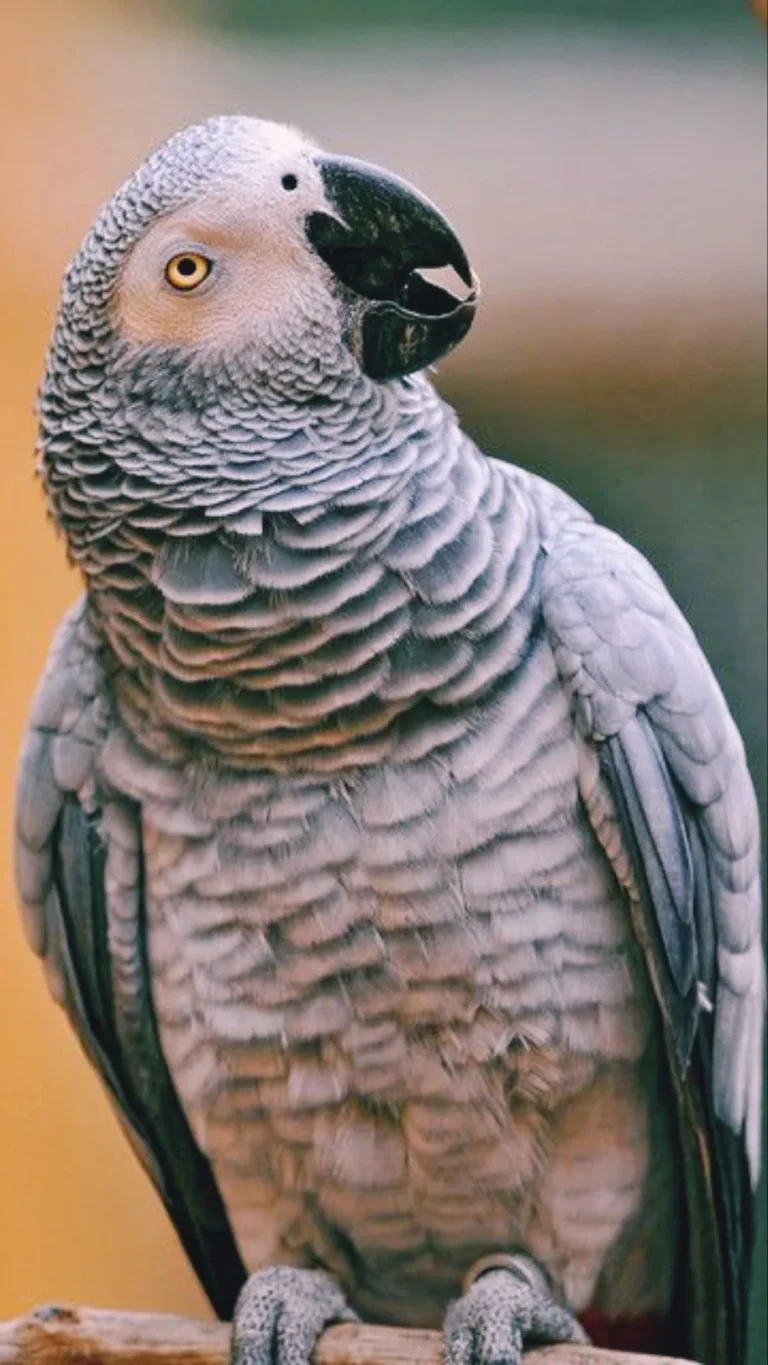
There are two primary subspecies within the African grey group. The Congo African Grey is larger, lighter gray, and features a bright red tail. The Timneh African Grey is slightly smaller, darker in color, and possesses a maroon-colored tail.
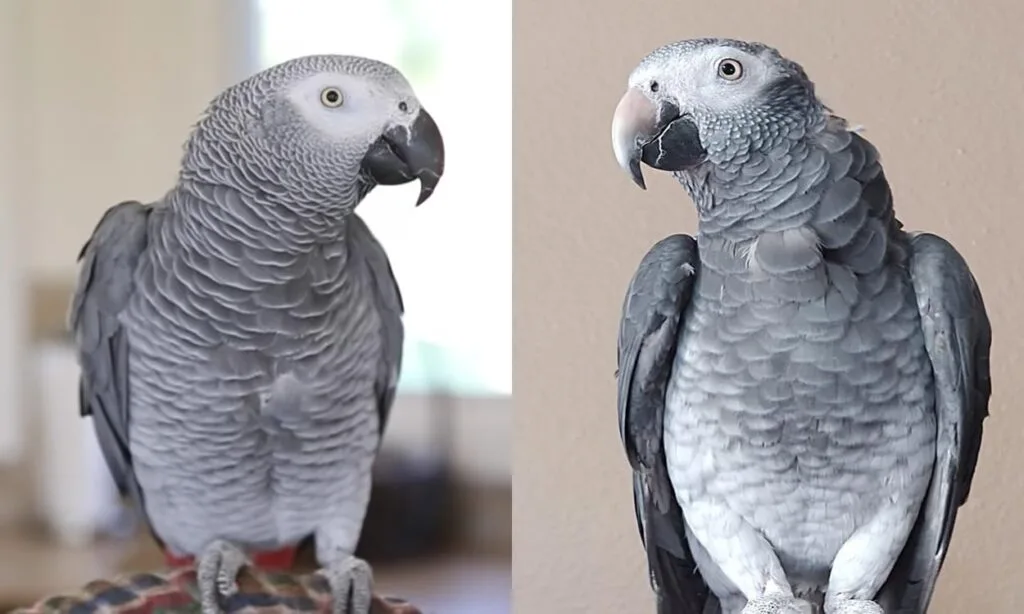
Image source: Web (Bing) / storage.googleapis.com (Web image (fair-use with source credit))
Research indicates that the Timneh subspecies is often perceived as having a slightly more adaptable temperament. However, both species possess similar cognitive capabilities and high social requirements. Their physical anatomy is built for climbing and manipulation, featuring zygodactyl feet that allow them to grasp items with incredible dexterity.
These birds also produce a fine, white powder down that helps maintain their feathers. If you suffer from allergies or sensitivities to bird dander, this is a factor to consider before adoption. Monitoring their health requires an understanding of their specific metabolic needs, particularly regarding calcium absorption.
| Feature | Congo African Grey | Timneh African Grey |
|---|---|---|
| Average Weight | 400g–600g | 275g–375g |
| Tail Color | Bright Red | Maroon/Dark Red |
| Disposition | Sensitive/Cautious | Adaptable/Active |
Real-World Risks: Why Safety and Environment Matter Most
The respiratory system of an African grey is incredibly efficient and equally fragile. They are highly susceptible to airborne toxins that other animals might ignore. This makes the home environment the most critical safety variable.
Non-stick cookware containing polytetrafluoroethylene (PTFE) is a major hazard in bird households. When these pans overheat, they release fumes that are frequently fatal to parrots within minutes. You must replace any non-stick kitchen tools with stainless steel, ceramic, or cast iron alternatives.
Household chemicals like aerosol sprays, scented candles, and essential oil diffusers also pose significant risks. According to the Association of Avian Veterinarians, owners should strictly control air quality to prevent respiratory distress. Keeping a clean, toxin-free space is not optional for these birds.
The Truth About Their Intelligence and Emotional Needs
African greys are famous for their ability to learn words and mimic household sounds. However, their intelligence goes far beyond simple mimicry. They can categorize objects by shape, color, and number, proving they understand the abstract concepts behind the sounds they make.
This mental capacity creates a genuine need for daily challenges. If you leave a bird in a cage without new puzzles, they will inevitably become bored. Boredom leads directly to psychological stress, which often manifests as feather-destructive behavior.
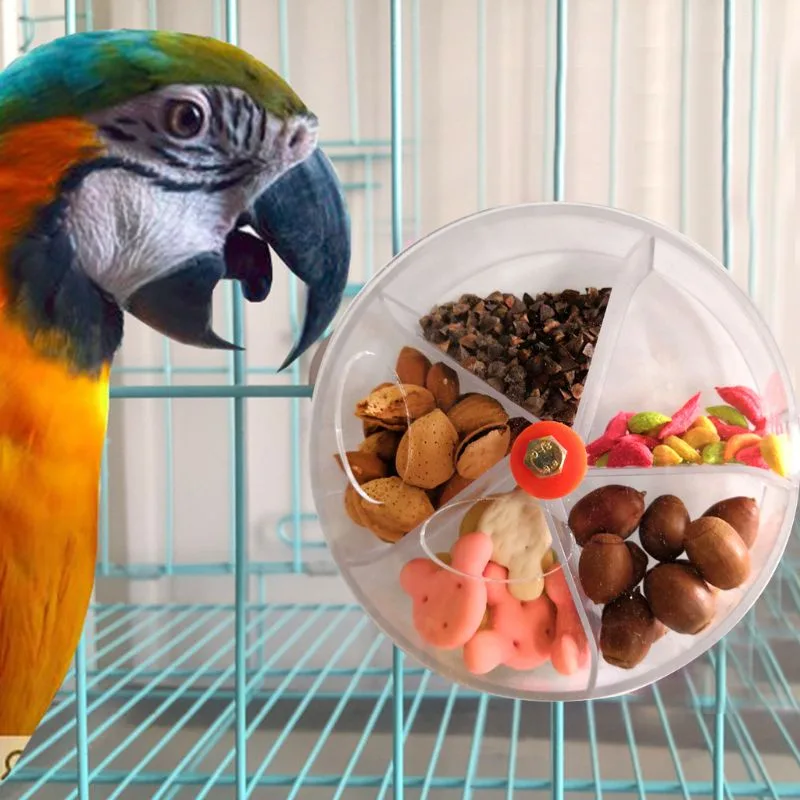
Image source: Web (Bing) / shopee.ph (Web image (fair-use with source credit))
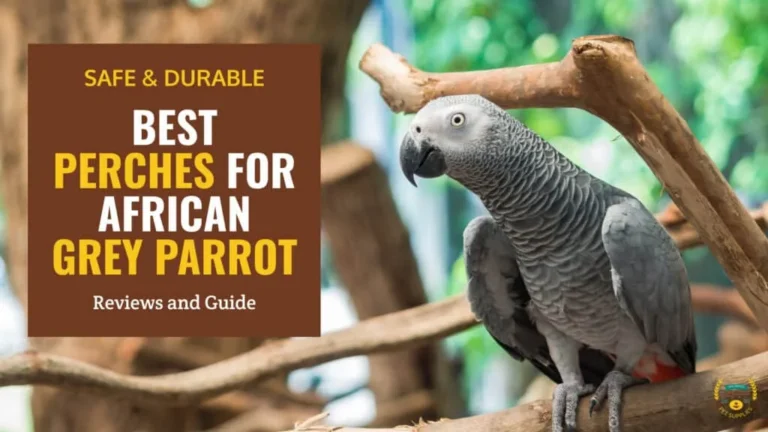
You can mitigate this by utilizing various foraging toys that force the bird to work for their food. This simulates the natural behavior of finding sustenance in the wild. Rotating these items weekly keeps the environment fresh and engaging for their curious minds.
Long-Term Maintenance: Diet, Health, and Daily Care
Providing a balanced diet is the cornerstone of preventing chronic illness in African greys. A seed-only diet is widely discouraged by avian experts because it is deficient in essential vitamins and minerals. Your bird needs a diet consisting primarily of high-quality formulated pellets, supplemented with fresh, leafy vegetables.
Calcium metabolism is a unique physiological hurdle for this species. They are prone to hypocalcemia, which can lead to seizures and weakened bones if the diet is inadequate. Talk to your veterinarian about the appropriate levels of calcium and vitamin D3 for your specific bird.
Consistent health maintenance also involves regular physical exercise. Allow for at least three to four hours of supervised, out-of-cage time every single day. This helps build muscle tone and prevents the stagnation that leads to obesity and behavioral regression.
- Establish a relationship with a board-certified avian veterinarian early.
- Monitor daily food intake to spot health declines early.
- Provide consistent, positive reinforcement training for good behavior.
- Keep a record of weight and dietary habits to share during check-ups.
Common Mistakes and How to Prevent Behavioral Issues
The most frequent mistake owners make is underestimating the social and intellectual drive of an African grey. These birds are not designed to sit in a cage for eight hours a day while you are at work. If they lack engagement, they will manufacture their own.
Many behavioral problems, such as feather plucking or repetitive screeching, are coping mechanisms for chronic boredom. You can prevent this by establishing a predictable yet varied daily schedule. Inconsistent routines cause anxiety in these birds, which triggers fear-based responses.
Avoid reinforcing negative attention-seeking behaviors. If your bird screams, avoid rushing over to scold them, as this provides the exact interaction they were seeking. Instead, wait for a quiet moment to approach and offer positive reinforcement for calm behavior.
Another common error is ignoring the signs of neophobia. African greys are naturally cautious of new items in their space. Always introduce new toys or cage changes slowly, giving the bird time to observe them from a distance before expecting them to interact.
- Never use punishment, as it destroys the trust required for the bond.
- Prioritize positive reinforcement training to teach desired behaviors.
- Keep the cage in a high-traffic area so they feel part of the flock.
- Ensure the bird receives 10 to 12 hours of uninterrupted sleep every night.
Frequently Asked Questions
Do African grey parrots talk right away?
No, these parrots typically begin speaking between one and two years of age. Some birds may talk earlier or later depending on individual personality. It requires consistent exposure to human speech in a social context.
They also mimic environmental sounds, like alarms or doorbells, before they master complex vocabulary.
How much space does an African grey need?
They require a large, sturdy cage that allows for full wing extension and movement. A minimum size of 36 inches wide by 24 inches deep is a common baseline for this species. More space is always better, as it provides room for toys, perches, and safe activity areas.
Ensure the bar spacing is between 3/4 and 1 inch to prevent injuries.
Can African greys live with other birds?
It is possible, but it requires significant caution and supervision. Many African greys prefer to be the primary focus of their human flock and may become territorial. Introduce other pets only after a long period of supervised, controlled interaction.
Never leave different species alone in the same cage, as size and temperament differences can lead to accidents.
What is the primary sign of an unhappy African grey?
The most clear sign of distress is feather-destructive behavior, such as picking or chewing. Other indicators include excessive screaming, pacing, or sudden aggression toward favorite humans. If you notice these changes, consult an avian veterinarian to rule out physical illness first.
Behavioral issues are often rooted in a lack of mental or social stimulation.
How do I bond with my African grey?
Bonding takes patience, consistency, and a deep respect for their personal space. Spend time sitting near their cage, reading aloud, or talking quietly without demanding their attention. Offer treats through the cage bars to create positive associations.
Never force contact, as these birds are sensitive and need to trust you on their own terms.