Indian Ringneck Parrot Facts
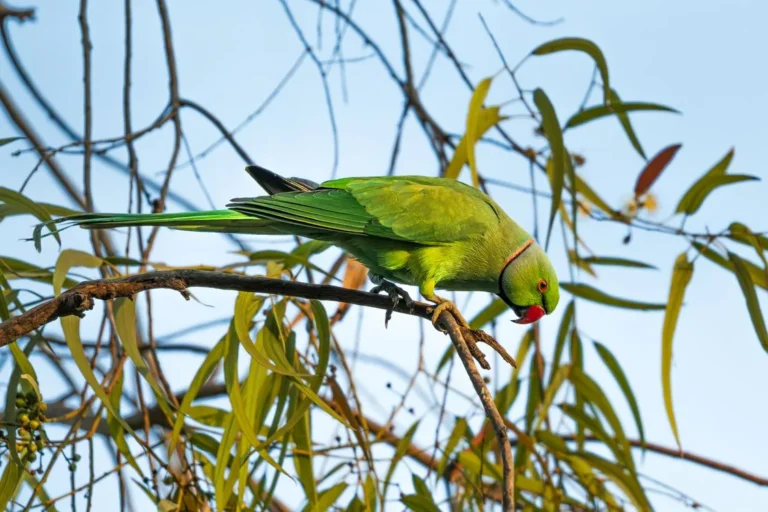
Indian ringneck parrot facts reveal a species that is as intellectually demanding as it is beautiful. These birds are known for their striking plumage and their impressive ability to mimic human speech. If you are considering adding one to your home, you must prepare for a long-term commitment that spans several decades.
Indian ringnecks typically live between 20 and 30 years in captivity with proper care. These parrots require significant daily interaction to remain mentally and physically healthy as of 2026. Understanding their unique social needs is the first step toward building a successful bond with your bird.
Quick Answer
Indian ringneck parrots are intelligent birds that mimic human speech well. They live 20 to 30 years with consistent care. These parrots require a large cage for daily movement.
Their diet must contain fresh vegetables and high-quality pellets. They often go through a challenging hormonal phase during puberty.
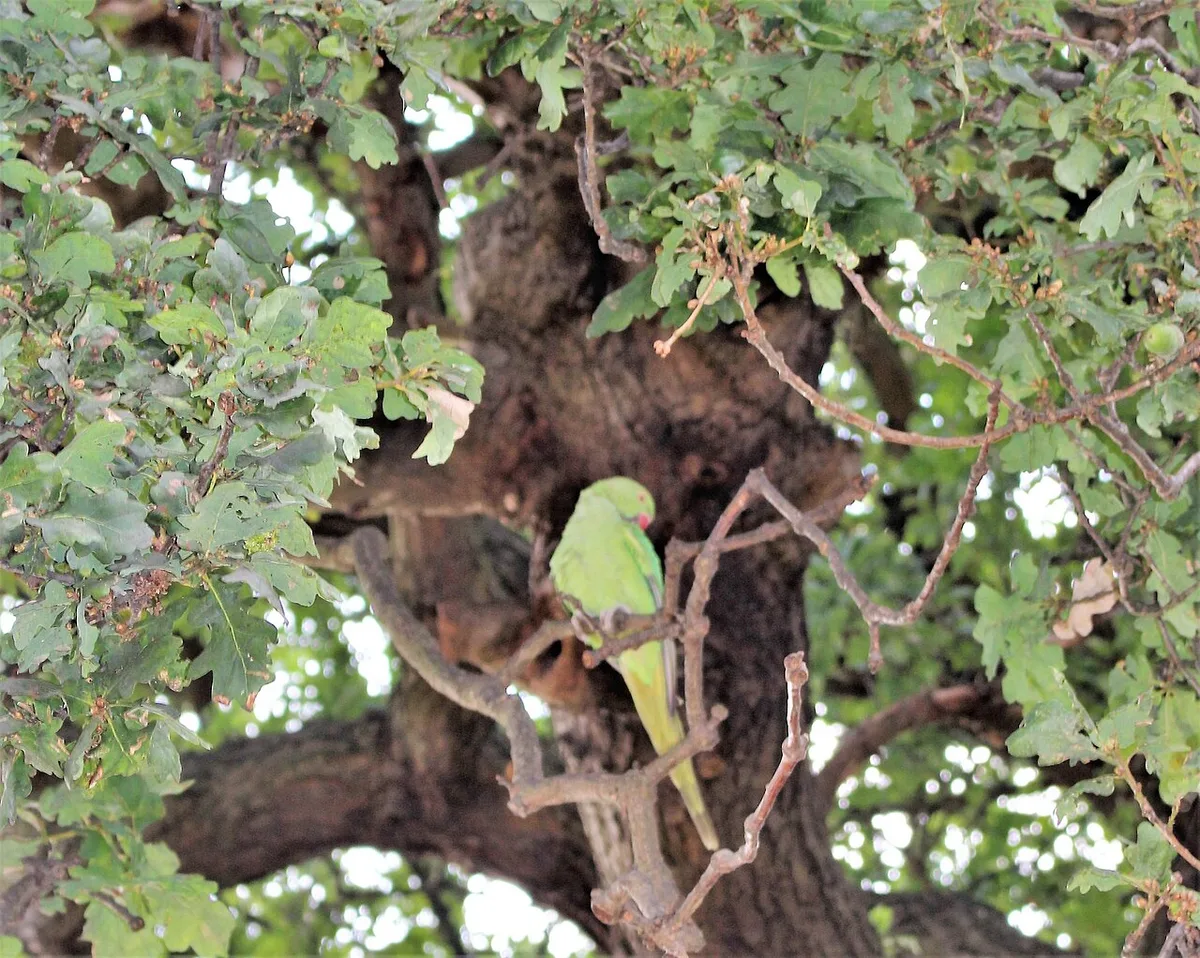
Image source: Wikimedia Commons / Emőke Dénes (CC BY-SA)
Understanding the Bluffing Phase: The Reality of Ringneck Puberty
The bluffing phase is a natural, temporary stage of development in young Indian ringneck parrots. It typically occurs between 4 and 12 months of age. You will notice your bird becoming more assertive, nippy, or vocal during this time.
Many new owners mistake this hormonal shift for aggression or a personality defect. This behavior is simply the bird testing its boundaries and asserting independence. You should maintain a calm, consistent routine rather than retreating or reacting with fear.
If you react by pulling your hand away quickly, you accidentally reinforce the biting behavior. Instead, offer a perch or a distraction to help the bird redirect its energy. Most parrots outgrow this phase within a few months if they receive stable, confident handling.
Key Developmental Stats and Long-Term Commitments
Caring for an Indian ringneck is a significant lifestyle adjustment because of their long lifespan. These birds rely on their human companions for structure and socialization throughout their entire lives. You must ensure you have the capacity for such a long-term responsibility.
| Metric | Typical Expectation |
|---|---|
| Lifespan | 20 to 30 years |
| Daily Out-of-Cage Time | 2 to 3 hours |
| Minimum Cage Size | 30 x 30 x 40 inches |
| Sexual Maturity | 1 to 2 years |
Their daily routine should include scheduled time for interaction and play. A lack of structure often leads to behavioral issues like feather plucking or excessive screaming. You can find guidance on avian health standards through the Association of Avian Veterinarians.
Mastering the Diet: Moving Beyond Seeds to Nutritional Health
A seed-only diet is one of the most common causes of preventable health issues in pet parrots. While seeds are calorie-dense, they lack the essential vitamins and minerals these birds need to thrive. Transitioning your bird to a balanced diet is a critical step for longevity.
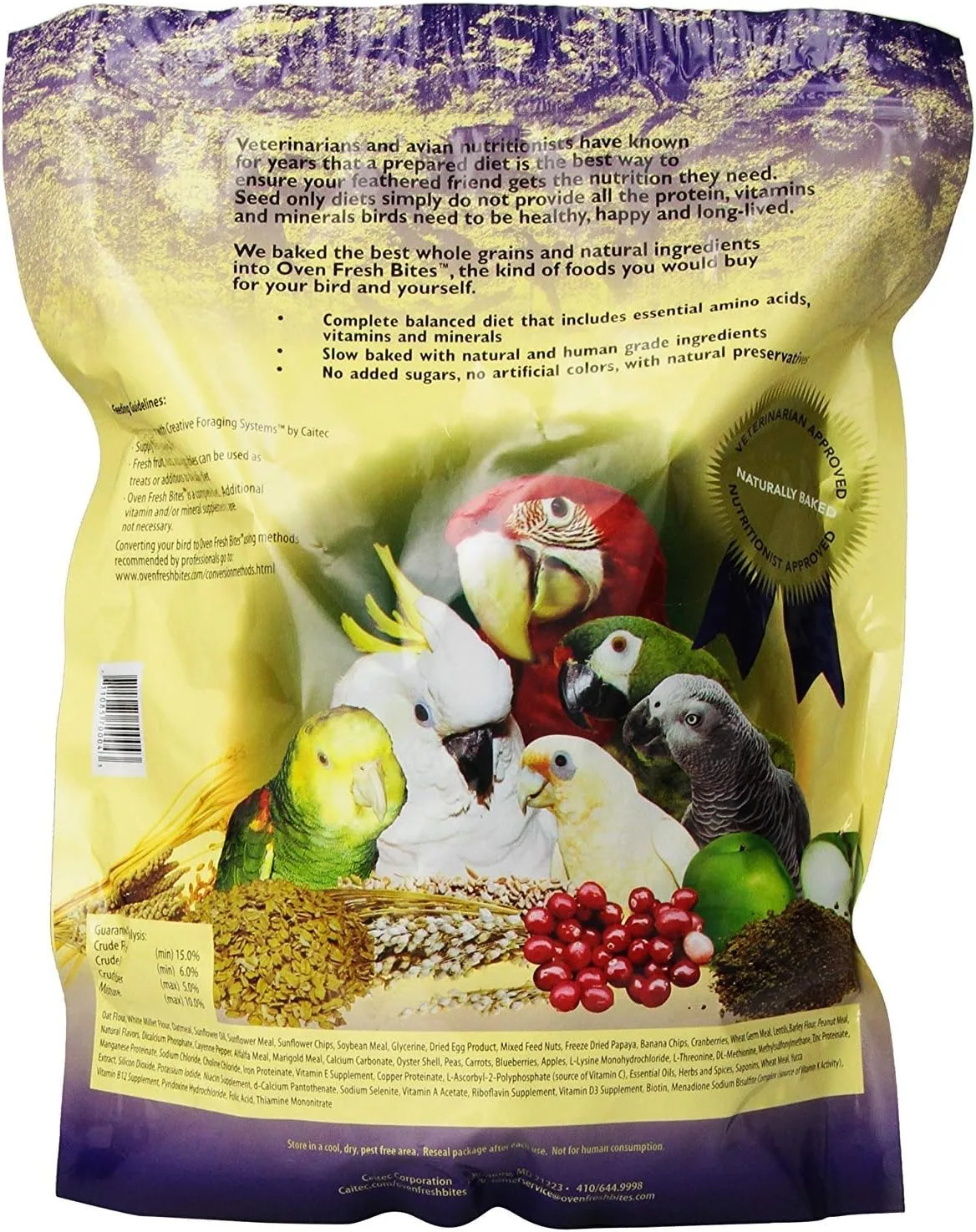
Image source: Web (Bing) / amazon.com (Web image (fair-use with source credit))
Your bird's nutritional foundation should rely on high-quality formulated pellets. You should supplement these with a variety of fresh, bird-safe vegetables daily. Seeds should be reserved as training treats or minor additions rather than the main meal.
- Pellets: 30 to 40 percent of total intake.
- Fresh Vegetables: 60 to 70 percent of total intake.
- Treats: Less than 5 percent, including seeds or nuts.
Monitor your bird for signs of weight loss or lethargy if you are changing their diet. Conversion should happen gradually over several weeks. Always consult an avian veterinarian before making major changes to the nutritional plan.
Essential Enrichment: How to Prevent Boredom and Screaming
Indian ringnecks are highly active in the wild, spending most of their time foraging for food. If you provide food in a simple bowl, you miss a major opportunity for mental engagement. Boredom is the primary driver of persistent, high-pitched screaming in this species.
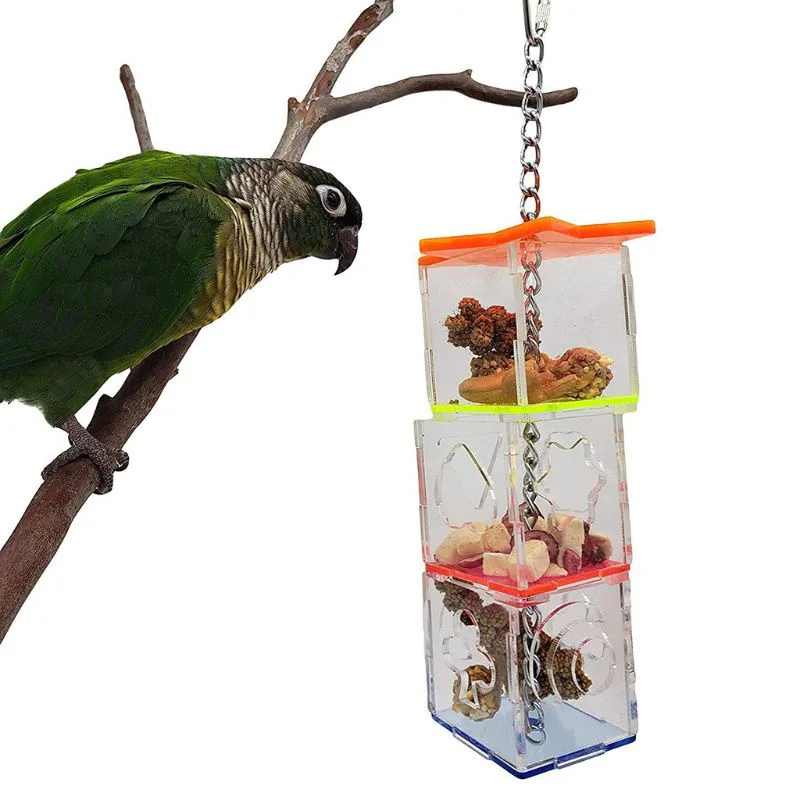
Image source: Bing (Web (fair-use with source credit))
Use foraging toys to force the bird to work for its meals throughout the day. You can hide treats inside paper or cardboard, which encourages natural problem-solving behaviors. When a bird is busy, it is less likely to engage in attention-seeking vocalizations.
Variety is the key to preventing toy fatigue where the bird loses interest in its surroundings. Rotate your selection of toys weekly to keep the environment stimulating. Ensure every toy is made from non-toxic materials that are safe for your bird to chew.
Creating a Safe Home Environment for Your Parrot
A parrot’s respiratory system is extremely sensitive to airborne toxins that we often ignore. Common household items can be fatal to birds within minutes or hours. You must audit your home environment to eliminate these hidden dangers before bringing a bird home.
- Non-stick Cookware: PTFE and PFOA fumes from overheated pans are toxic.
- Aerosols: Scented candles, air fresheners, and cleaning sprays cause respiratory distress.
- Human Foods: Avoid feeding avocado, chocolate, caffeine, or onion to your parrot.
- Plants: Keep common toxic houseplants like lilies or philodendrons out of reach.
Always use a HEPA air purifier in the room where your bird resides to help manage dust and dander. Ensure that all electrical cords are covered or hidden to prevent chewing incidents. A safe home environment is the foundation of a long and healthy life for your parrot.
Practical Training and Socialization Strategies
Training an Indian ringneck requires a focus on trust-building rather than forced obedience. These birds are highly intelligent, but they are also sensitive to pressure. You should use positive reinforcement, such as small treats or verbal praise, to reward desired behaviors.
Begin by teaching simple commands like "step up" or "target." Keep these sessions short, usually lasting about 5 to 10 minutes at a time. If the bird seems distracted or agitated, end the session early to keep the experience positive.
Socialization involves exposing your bird to different people, sounds, and environments in a controlled way. A well-socialized parrot is less likely to show fear-based aggression toward strangers. Consistency is the most important factor in your training routine.
Common Mistakes and How to Correct Them
The most frequent mistake owners make is responding to negative behaviors with immediate attention. If your bird screams and you rush over to shout or even to comfort them, you have rewarded the noise. Your bird now knows that screaming gets a reaction from you.
Another common error is failing to bird-proof the living area before letting your parrot out. Indian ringnecks have strong beaks and a natural curiosity that leads them to chew through electrical wires or baseboards. You should supervise all out-of-cage time to prevent accidents.
If your bird begins to nip, do not pull your hand back in a sudden motion. This often turns the interaction into a game for the bird. Instead, ignore the behavior briefly and provide a replacement item, like a shreddable wooden toy, to redirect their focus.
Frequently Asked Questions
Can Indian ringneck parrots live in apartments?
They can live in apartments, but you must be aware of their noise level. These birds have a sharp, high-pitched contact call that can travel through walls. You should check your building's rules and consider your neighbors before bringing one home.
How do I know if my parrot is male or female?
Male Indian ringnecks develop a distinctive neck ring as they reach sexual maturity, usually between 18 months and 3 years. Females do not develop this ring, although they may show a faint shadow in the same area. A DNA test is the only 100 percent accurate way to determine the sex before maturity.
Do these parrots need a companion of their own species?
While they can form strong bonds with humans, Indian ringnecks are flock animals by nature. Some owners find that their bird is happier with a partner, while others prefer a human-only social structure. If you add a second bird, they will require a separate introduction period to ensure they get along.
Why does my bird refuse to eat vegetables?
Many parrots are wary of new foods, a trait often called neophobia. You can encourage interest by chopping vegetables into small, bite-sized pieces and mixing them with their favorite treats. Consistency is key, so keep offering fresh options even if the bird ignores them at first.