Eclectus Parrot Facts
If you are looking for accurate Eclectus parrot facts to determine if this species is the right fit for your home, you have come to the right place. These birds are distinct from other common parrots due to their unique, high-fiber dietary needs and calm, observant personalities.
Understanding these specialized requirements is vital because improper care can quickly lead to severe health issues. As of 2026, experts agree that keeping these birds requires a significant, long-term commitment to fresh, whole-food nutrition.
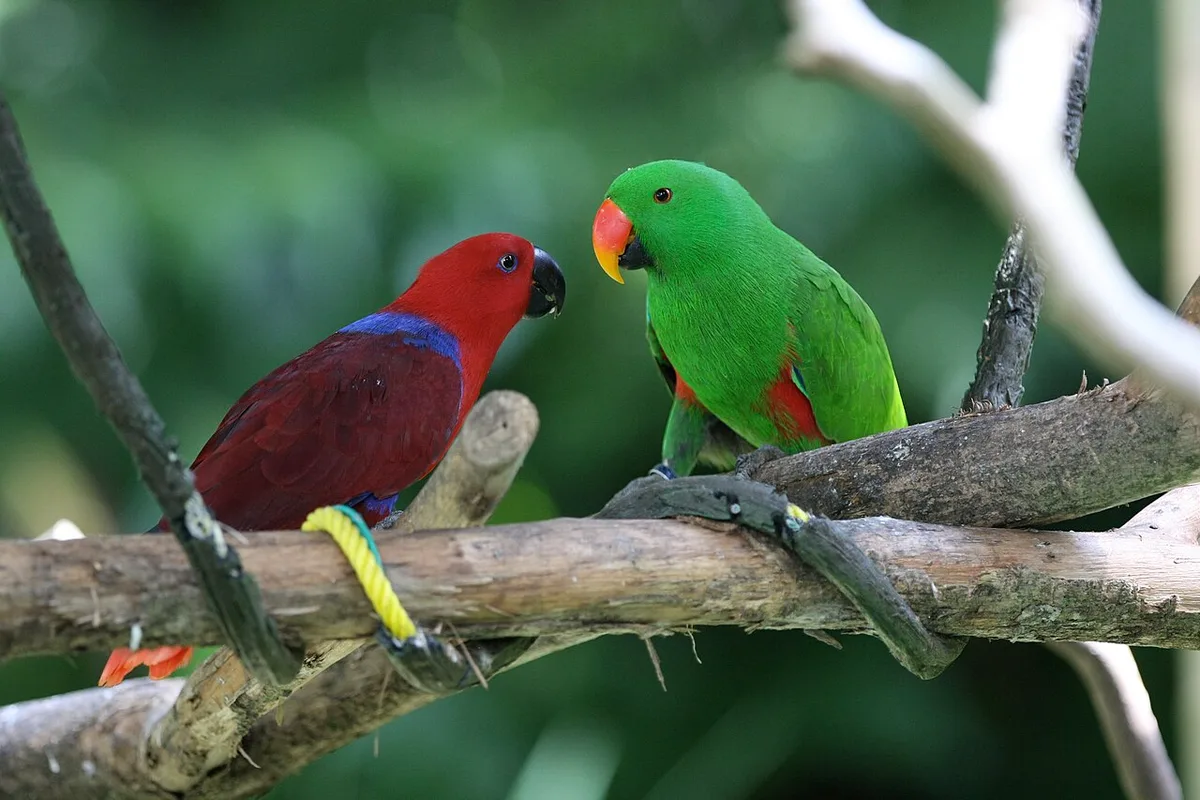
Image source: Wikimedia Commons / Shiny Things (CC BY)
Quick Answer
The Eclectus parrot is a highly intelligent, sexually dimorphic bird species. They require a diet rich in fresh vegetables, fruits, and sprouted seeds. Their digestive tracts are longer than those of most other parrots.
These birds are typically quiet, observant, and sensitive to environmental toxins. They live between 30 and 50 years in captivity.
The Biological Reality of Living with an Eclectus Parrot
Eclectus parrots are renowned for their striking appearance and intense sexual dimorphism. You can tell the males and females apart at a glance. Males display vibrant green feathers with blue and red accents.
Females feature deep red, maroon, and purple plumage. This isn't just a color difference. It is a biological marker of their evolution in the dense rainforests of the Solomon Islands and surrounding regions.
Their behavior is often described as thoughtful rather than energetic. Unlike high-energy species that demand constant physical play, an Eclectus is a watcher. They spend hours observing their surroundings.
They build deep bonds with their human guardians through proximity and quiet presence. If you want a bird that acts like a busy, hyperactive companion, this species may not align with your lifestyle.
They thrive in environments where they are treated as quiet family members. They communicate with soft, melodic vocalizations rather than the harsh, ear-piercing shrieks common in other parrot species. This makes them popular for owners who value a peaceful home.
However, you must respect their need for downtime and observation. They are not toys, and they do not appreciate being handled constantly.
Understanding Their Specialized Digestive Needs
The most critical Eclectus parrot fact is that they possess an unusually long digestive tract compared to other parrot species. This unique anatomy allows them to extract maximum nutrients from high-fiber, natural foods. If you feed them a diet heavy in processed, artificial pellets, you risk overloading their system.
This can lead to serious neurological and physical complications.
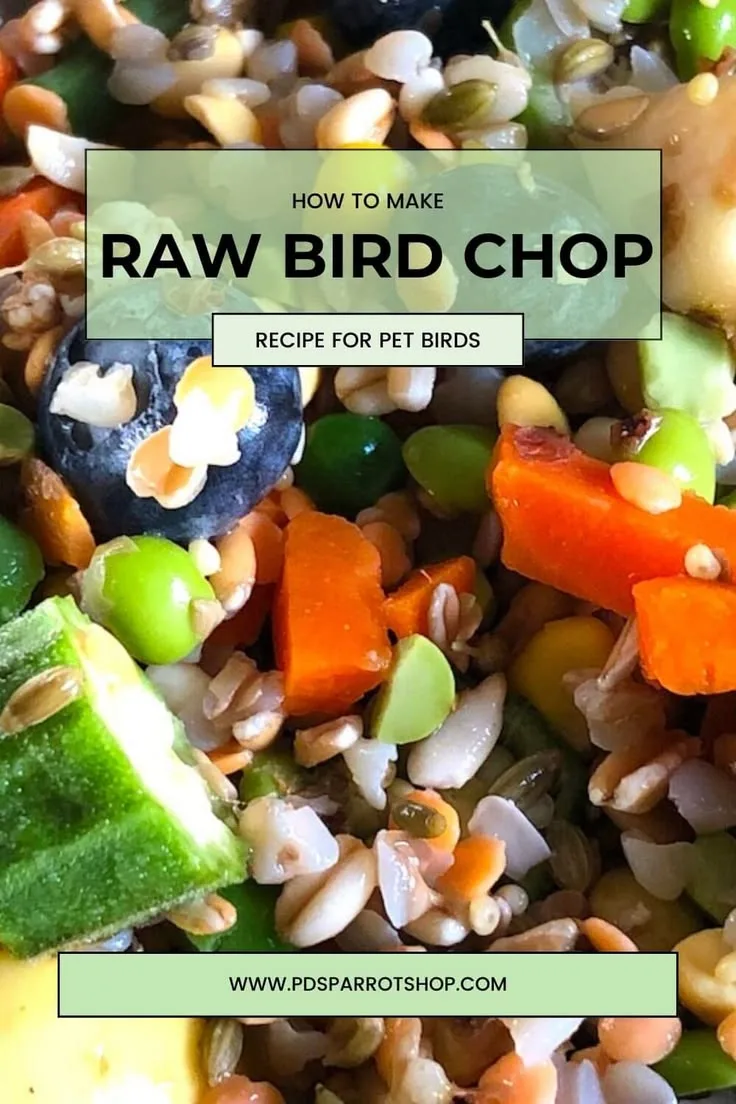
Image source: Web (Bing) / pinterest.com (Web image (fair-use with source credit))
A healthy daily diet relies heavily on fresh, fibrous produce. You should provide a varied mix of vegetables, fruits, and sprouted seeds. Many owners spend time daily preparing these meals from scratch.
It is an intensive process, but it is necessary for the bird to thrive. You can find detailed nutritional guidelines for exotic species through the Association of Avian Veterinarians.
Artificial vitamins and additives can be harmful to these birds. Over-supplementation often triggers a reaction known as toe-tapping. You might also notice wing-flipping or other repetitive physical movements if their nutrient intake is imbalanced.
These are clear signals that your bird is suffering from dietary toxicity. If you see these signs, you must immediately adjust the diet and contact a veterinarian.
Beyond the Beauty: Behavioral Expectations and Social Needs
Socialization is a primary pillar of Eclectus husbandry. While they aren't as needy as some cockatoos, they are intensely social creatures. They require daily interaction to remain mentally stable.
A lonely Eclectus can develop negative behaviors, including feather plucking or extreme lethargy. You must treat them as intelligent, sentient companions that require consistent structure.
Training is highly effective with this species because they are smart and observant. You can use positive reinforcement to build trust and teach basic commands. Keep training sessions short and focused.
If the bird seems overwhelmed or bored, stop the session. Their intelligence means they learn habits, both good and bad, very quickly.
Respect their autonomy. They are not always cuddly birds. You might find your Eclectus prefers to sit near you on a perch rather than on your hand.
This is a sign of trust and contentment, not rejection. If you can provide a stable, consistent environment, you will find that these birds are exceptionally loyal and fascinating to live with over the long term.
Setting Up a Safe and Enriching Environment
Your home must be bird-proofed to ensure the long-term safety of an Eclectus. These birds are extremely sensitive to chemicals and fumes. You should remove all non-stick cookware from your home before bringing your bird inside.
When these pans overheat, they release toxic fumes that can kill a parrot in minutes. This is a non-negotiable safety standard for all indoor bird keeping.
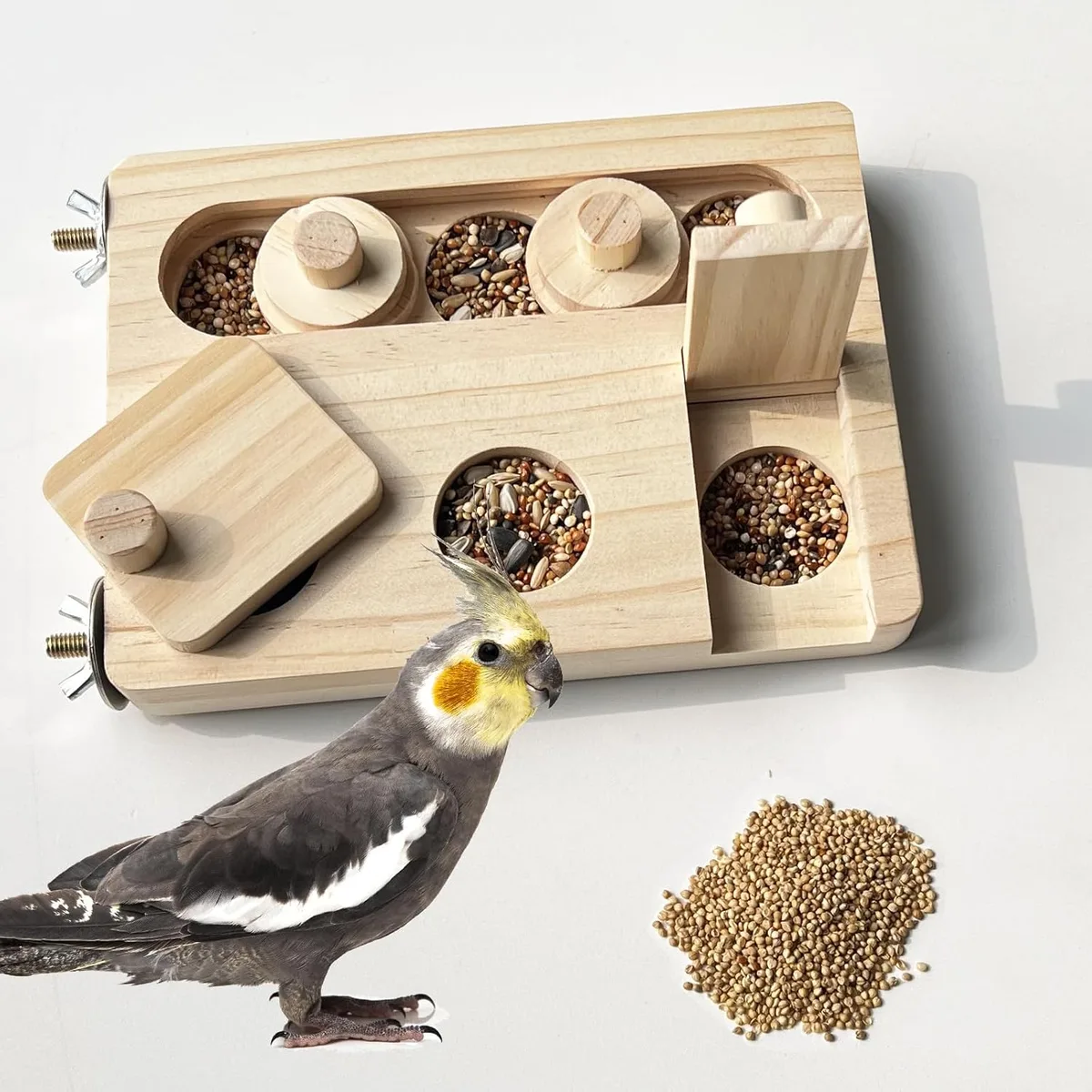
Image source: Web (Bing) / amazon.com.au (Web image (fair-use with source credit))
Beyond air quality, you need to provide significant cage space. An Eclectus needs room to move, climb, and stretch their wings fully. Your cage should be made of durable, non-toxic materials.
You should also offer plenty of foraging opportunities inside the cage. These birds use their minds to solve problems, so changing toys and hidden treat locations is essential for their mental health.
Use the following checklist to evaluate your living environment for a new bird:
- Remove non-stick cookware: Teflon and similar coatings are lethal.
- Eliminate aerosol cleaners: Strong chemicals and scented candles harm respiratory health.
- Secure electrical cords: Parrots are curious and will chew on wires.
- Provide perches of varying diameters: This keeps their feet healthy and prevents pressure sores.
Avoiding Critical Health and Nutritional Pitfalls
Many health issues in Eclectus parrots stem from common owner mistakes. The most frequent error is over-relying on seed-heavy or processed diets. Seeds are high in fat and low in the vital nutrients that this species requires.
If a bird eats only seeds, they quickly develop health problems ranging from fatty liver disease to vitamin deficiencies.
Another common mistake is failing to provide adequate humidity and hygiene. These birds originate from tropical environments, and they appreciate frequent bathing. If the air in your home is too dry, their feathers can become brittle and itchy.
You should ensure the cage remains scrupulously clean. Food waste rots quickly, and dirty bowls are a breeding ground for harmful bacteria.
Finally, do not underestimate the stress of a changing environment. These birds are creatures of habit. They handle stress poorly when their routine is disrupted.
If you are planning to travel or move, you need to prepare them weeks in advance. If you notice a sudden change in their behavior or droppings, seek professional medical advice immediately from a veterinarian who specializes in avian medicine.
Long-Term Commitment and Veterinary Requirements
Bringing an Eclectus parrot into your home is a decision that impacts the next 30 to 50 years of your life. This is a multi-decade commitment that requires stable finances, housing security, and the ability to provide specialized care. You must consider who will look after the bird if your own circumstances change.
These birds form deep, lifelong attachments to their primary caretakers.
Routine health monitoring is essential to detect sub-clinical issues before they become emergencies. You need a veterinarian who specifically understands avian anatomy and the nuances of the Eclectus digestive system. Standard dog or cat practitioners rarely have the tools or training to diagnose issues unique to exotic birds.
Schedule an annual wellness exam to monitor weight, organ health, and plumage quality.
Financial planning is often overlooked by potential bird owners. The costs of specialized food, large-scale cage maintenance, and regular diagnostic blood work add up over time. If a medical emergency arises, veterinary bills for avian specialty care can be significant.
Maintain an emergency fund specifically for your bird. Being prepared ensures you can provide the best possible care throughout their long lifespan.
Frequently Asked Questions About Eclectus Care
How much fresh food does an Eclectus need daily?
These parrots require a high volume of fresh, fiber-rich produce every day. You should aim for a diet consisting of approximately 70 percent fresh vegetables and fruits. The remaining portion should include high-quality sprouted seeds or legumes.
Feed them fresh portions twice daily to ensure nutritional density and prevent spoilage.
Do Eclectus parrots get along with other pets?
Eclectus parrots are generally solitary or pair-bonded birds that do not naturally seek interaction with other species. Keeping them in the same room as cats or dogs presents a major risk of injury. Even a friendly pet can accidentally hurt a bird during play.
Always supervise interactions or keep their living spaces strictly separated for safety.
Why does my bird make a clicking sound with its beak?
A soft clicking or grinding sound usually indicates that the bird is content and relaxed. Many parrots perform this behavior before settling down for a nap or while resting at night. If the clicking is accompanied by head shaking or frantic movements, it may signal stress.
Observe their body language to determine if the bird is truly comfortable.
Can I keep an Eclectus in an apartment?
You can successfully keep an Eclectus in an apartment if you manage their sound levels and space requirements. They are much quieter than many other parrot species, making them more suitable for shared walls. Ensure you have enough room for a large cage that allows for flight or heavy activity.
Always check your local building regulations regarding exotic pet ownership before committing.