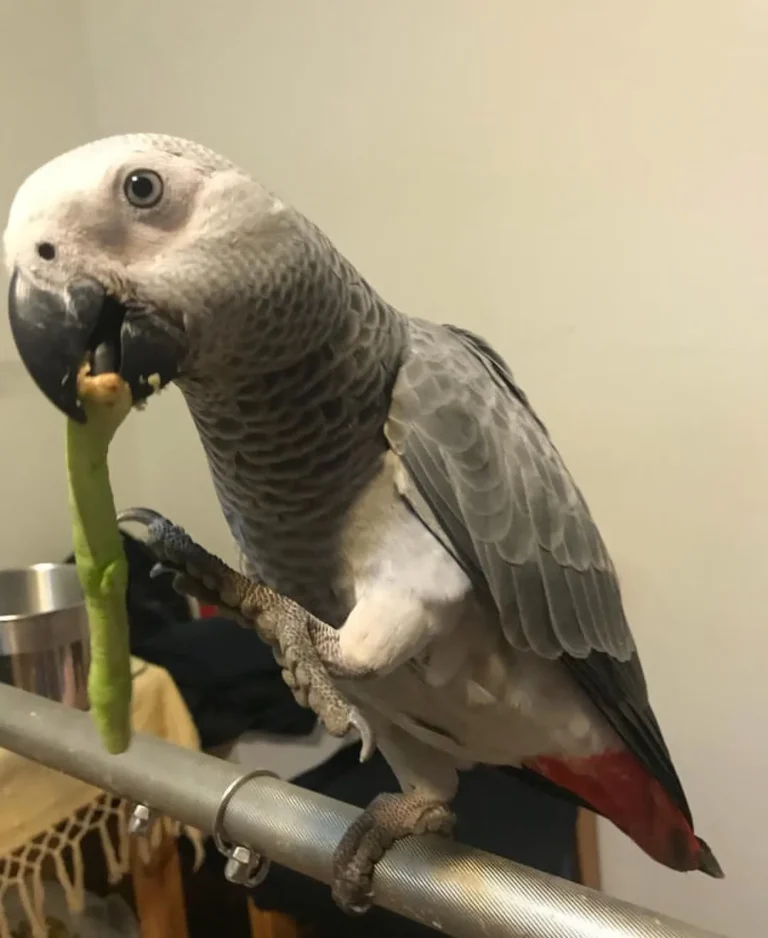
Parrot Vocalizations
Parrot vocalizations are the primary way these intelligent birds interact with their environment and their human flock. Understanding these sounds requires looking past the noise to identify the bird's specific needs and underlying emotional state.
Research as of 2026 suggests that parrots produce complex acoustic signals to maintain social bonds and warn of danger. These behaviors are deeply rooted in wild flock dynamics and translate directly into the domestic home environment.
Quick Answer
Parrot vocalizations include chirps, whistles, screeches, and mimicry. Each sound conveys specific information about the bird. Owners must monitor volume and repetition to interpret intent.
Vocalizations often signal social needs, stress, or excitement.
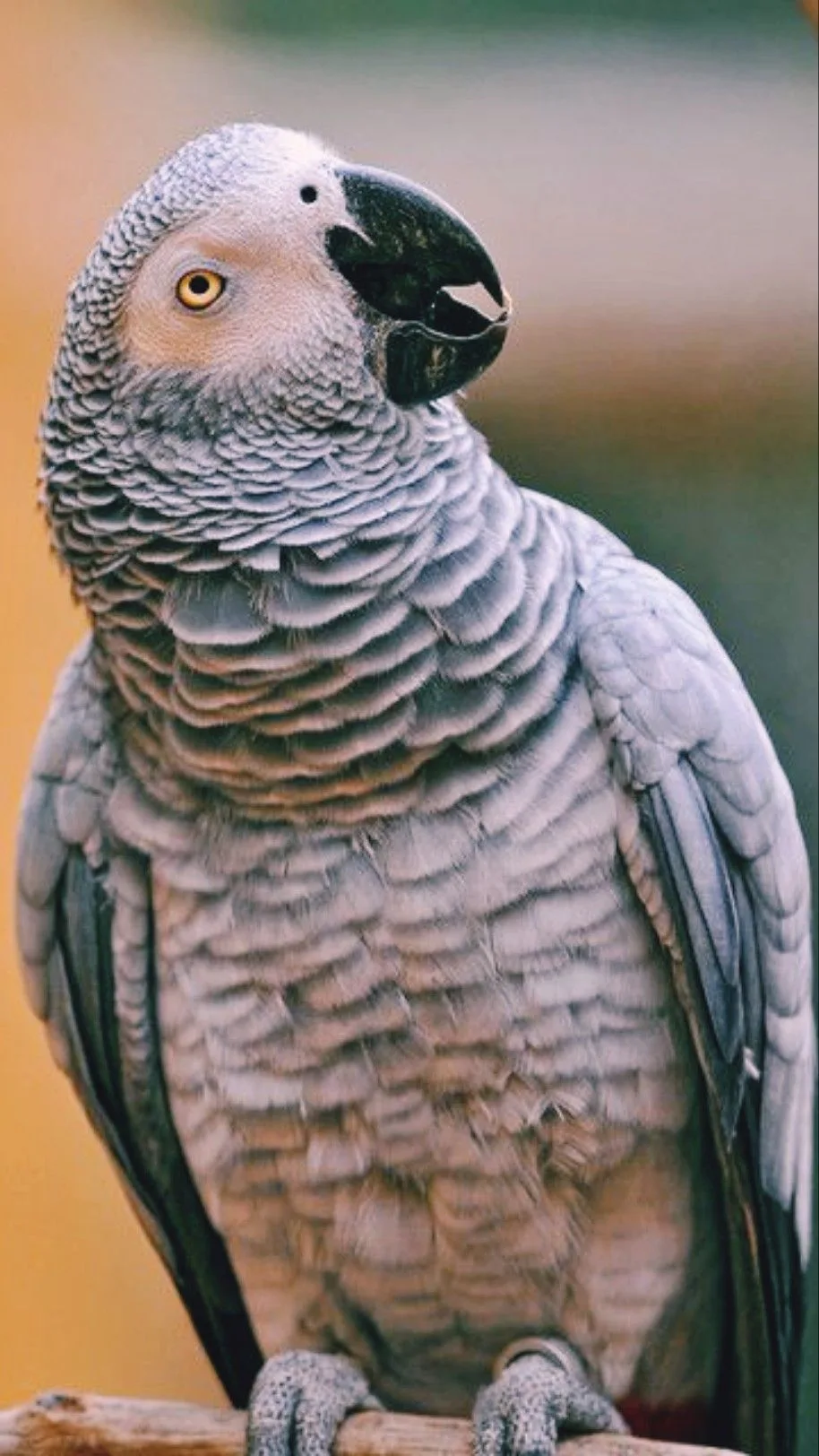
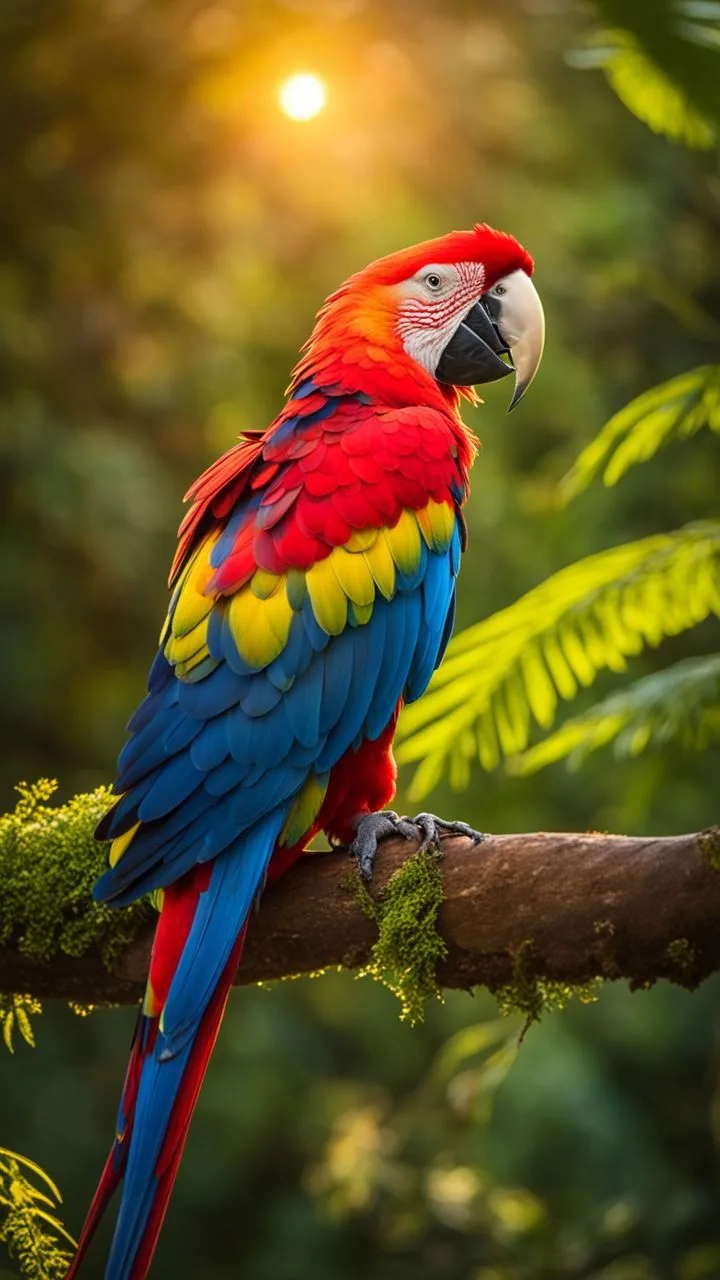
Image source: Web (Bing) / pinterest.com (Web image (fair-use with source credit))
The Why Behind the Noise: Understanding Parrot Communication
Parrots rely on vocal signals because they are highly social animals that prioritize group cohesion. In the wild, keeping track of flock members over long distances is a survival necessity.
When your bird calls out, they are often performing a contact call. This is a rhythmic, repetitive sound intended to locate you. They want to know you are nearby and safe.
Some sounds are involuntary, such as sudden squawks caused by a loud noise or a startling movement. These alarm calls signal immediate concern about the safety of their immediate surroundings.
Other vocalizations are learned behaviors. Parrots excel at mimicry and will adopt sounds from their environment, including household appliances or common phrases.
Mapping the Meaning: Your Situational Decision Tree
To translate sounds, you must map the vocalization against the current environment. If you are in the room, the sound may be a request for interaction or food.
If you are out of sight, the sound is likely a request for your presence. Use this workflow to determine the intent:
- Identify the location of the human flock.
- Observe the physical posture of the bird.
- Compare the sound intensity to the previous baseline.
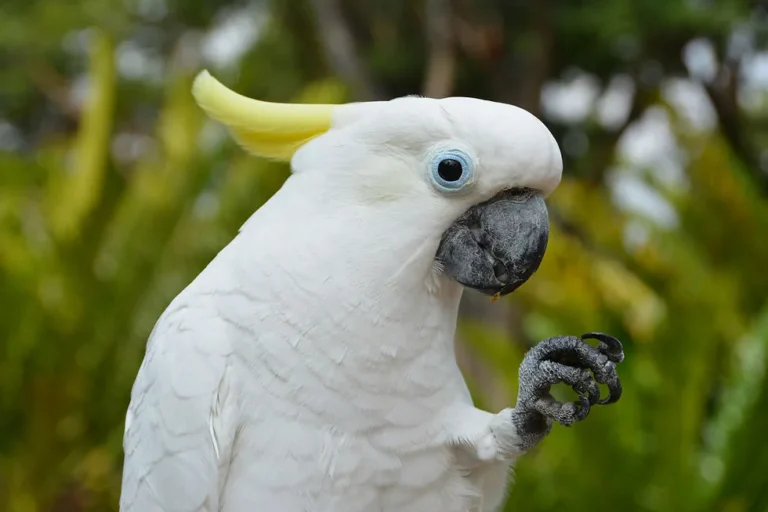
Image source: Bing (Web (fair-use with source credit))
When a bird is calm, vocalizations are usually soft and sporadic. If a bird is excited or distressed, the sounds become rapid and high-pitched.
Decoding Body Language and Acoustic Cues
Acoustic cues never exist in a vacuum. You must pair the sound with visual indicators to get an accurate reading of the bird's mood.
- Pinning Eyes: If the pupils rapidly dilate and constrict during a vocalization, the bird is highly focused or agitated.
- Crest Position: For cockatoos, a raised crest indicates surprise or intense interest.
- Feather Posture: Fluffed feathers combined with soft purring sounds usually signal extreme comfort.
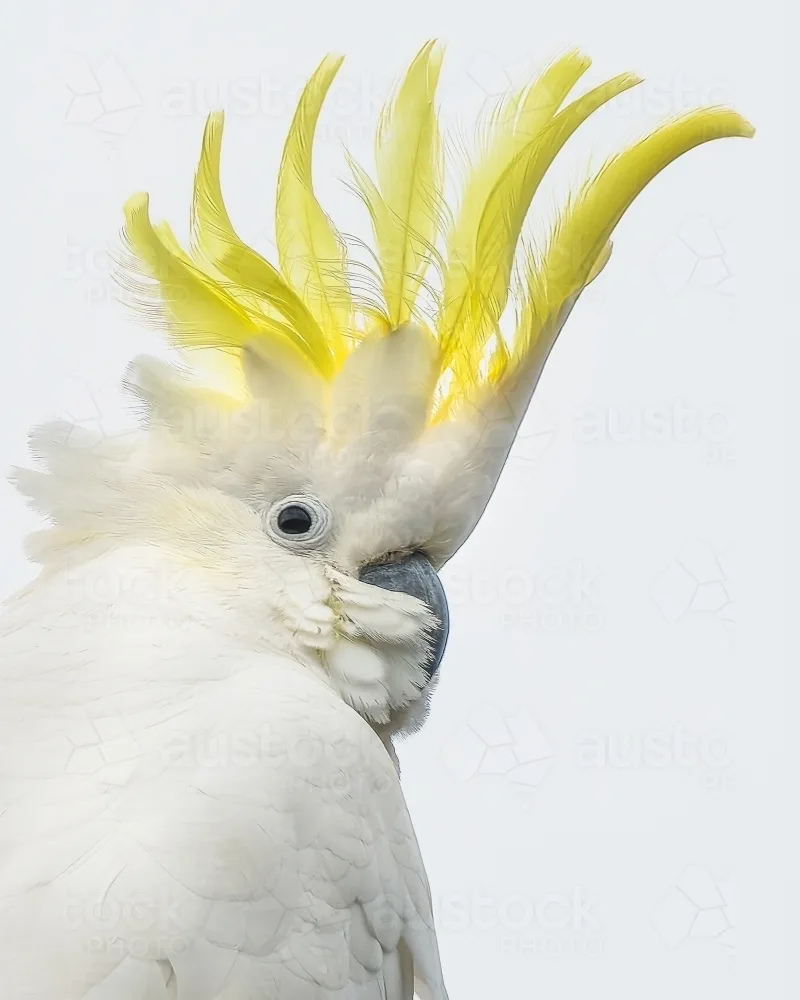
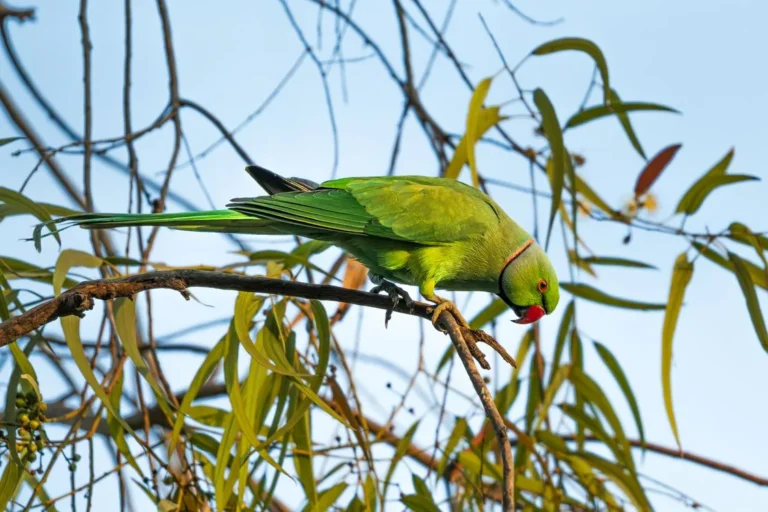
Image source: Web (Bing) / austockphoto.com.au (Web image (fair-use with source credit))
Per information from the Association of Avian Veterinarians, observing these physical markers prevents the misinterpretation of natural behaviors. A bird that appears stiff or aggressive while vocalizing may be defending territory.
Always check the bird's environment for stressors before reacting. A simple change in lighting or the presence of a new object can alter how a bird chooses to communicate.
Proven Strategies to Manage and Redirect Vocalizations
Managing noise starts with rewarding the behavior you want to see. This process is known as positive reinforcement.
Wait for a moment of quiet and offer a small, healthy treat or verbal praise. This teaches the bird that quiet behavior leads to a positive outcome.
If a bird screams, avoid rushing to the cage. Rushing provides the attention the bird is seeking, even if you are scolding them.
| Strategy | Goal | When to use |
|---|---|---|
| Reward Silence | Reinforce calm | During quiet play |
| Redirection | Change focus | When boredom starts |
| Ignore Demands | Stop reinforcement | When screaming for attention |
Redirection involves giving the bird a different task. Provide a complex foraging puzzle or a new wood chew toy to occupy their brain.
Common Mistakes That Reinforce Loud Behavior
The most frequent error is reacting to loud vocalizations with intensity. Even negative attention, such as yelling, acts as a reward for a vocal parrot.
Consistency is key to changing habits. If one family member yells back, the bird receives an inconsistent message. This makes the noise harder to extinguish.
Another mistake is failing to provide enough environmental stimulation. A bored bird is a loud bird.
- Insufficient foraging time.
- Lack of varied social interaction.
- Over-exposure to high-stimulation electronics.
If you find that the noise levels remain excessive despite training, consider your daily routine. Parrots require structured schedules to remain stable.
According to avian behavior research from institutions like the University of Georgia, birds that receive consistent enrichment cycles show lower rates of behavioral vocalization issues. Consistent routines give them the security they crave.
When Vocalizations Signal Medical or Behavioral Risks
Changes in sound frequency or intensity often act as an early warning for health concerns. If your bird suddenly becomes vocal in a way that feels out of character, consider it a potential indicator of physical discomfort.
Birds are masters at masking illness in the wild to avoid appearing like easy prey. A parrot that is suddenly lethargic or exhibiting persistent vocalizing that sounds like pained shrieking should be examined by an avian professional.
Check for these signs of underlying distress:
- Sudden changes in appetite or water consumption.
- Unusual discharge from the nares or eyes.
- Changes in droppings consistency or color.
- Excessive feather preening or self-mutilation.
If you suspect a medical issue, avoid waiting to see if it resolves on its own. Consult with a clinic certified by the Association of Avian Veterinarians. Early intervention is the most effective way to prevent long-term complications or severe health deterioration.
Expert Tips for Harmonious Flock Living
Living with a parrot requires accepting that noise is part of the experience. You can manage the volume and frequency by focusing on creating a stable, predictable environment for your bird.
Consistency in your daily schedule reduces stress-induced calling. Keep feeding times, sleep hours, and social interaction windows as regular as possible. Parrots appreciate knowing what to expect from their human flock.
- Use "flock calling" to check in with your bird when you leave the room. A brief whistle lets them know you are still there without encouraging screaming.
- Provide dark, quiet sleeping quarters to ensure at least 10 to 12 hours of rest per night.
- Rotate toys every few days to keep their interest high and prevent boredom.
Avoid rewarding high-intensity noise with frantic human movement. If you move quickly or shout, the bird interprets this as high-energy engagement. Stay calm and deliberate in your movements to signal that the home is a safe, quiet space.
Frequently Asked Questions
Why does my parrot scream when I leave the room?
This is a contact call designed to maintain group cohesion. Your parrot wants to know that you are safe and still nearby. Respond with a soft, calm whistle to acknowledge them without providing the intense attention that reinforces screaming.
Can I train my parrot to stop making noise?
You cannot stop a parrot from making noise, as vocalizing is an essential instinct. You can, however, train them to use different sounds or to vocalize during specific times. Focus on reinforcing soft, pleasant sounds with treats and ignore the repetitive, loud ones.
Is it normal for my bird to chatter at night?
Occasional low-volume chattering at night is usually a sign of contentment as the bird settles into sleep. If the vocalizations are loud, persistent, or accompanied by frantic movement, investigate for environmental stressors. A night light or a white noise machine can help soothe a bird that startles easily.
What should I do if my neighbors complain about the noise?
Start by identifying the specific triggers causing your bird to be loud during sensitive hours. Consider using sound-dampening panels in the room where the cage is located. Engaging in intensive training and providing more foraging enrichment can also help lower overall volume.
How do I know if my bird is vocalizing due to hormones?
Hormonal vocalizations are often seasonal and tied to specific times of the year. You might notice an increase in head bobbing, regurgitation behaviors, or territoriality alongside the noise. Consult your veterinarian for safe, non-invasive ways to manage hormonal surges through light cycle and diet adjustments.