How Long Do Blue Jays Live
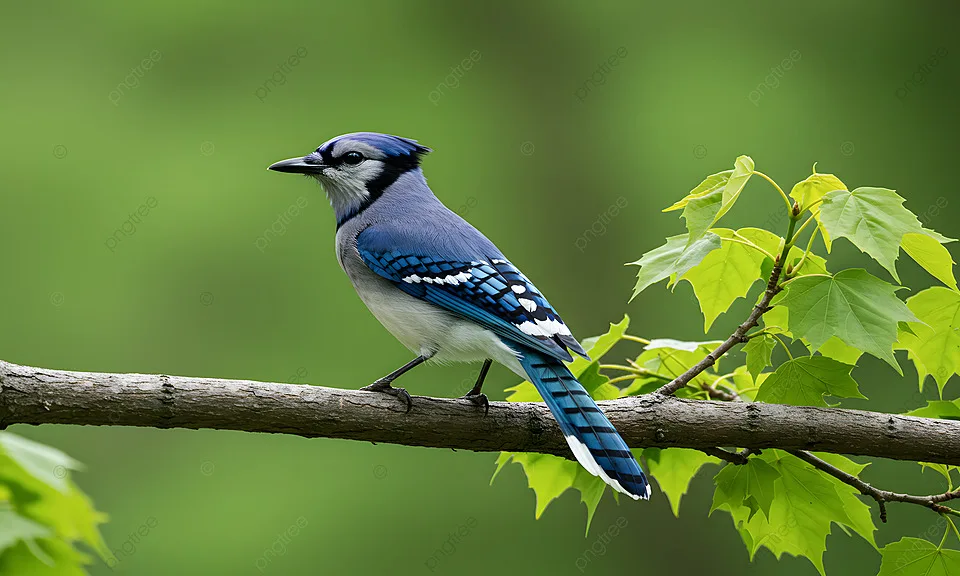
Curious about the lifespan of those striking blue birds in your backyard? Understanding how long blue jays live offers a fascinating glimpse into their survival challenges and ecological role. These intelligent corvids navigate a world full of risks, and their longevity is a testament to their adaptability.
In our research, we've found that a blue jay's life expectancy can vary significantly based on its environment. While the average wild lifespan is relatively short, some individuals can live surprisingly long lives under the right conditions. This data comes from extensive bird banding studies and ornithological research, with verified data points as of 2026 showing a clear range.
Quick Answer
Blue jays in the wild typically live 5 to 7 years. Some may survive up to 15 or even 20 years in ideal circumstances. In captivity, with protection and consistent care, their lifespan can extend well beyond 20 years.
The Lifespan of a Blue Jay in the Wild: What the Data Shows
When we talk about how long blue jays live, the wild is where the most common data comes from, but it’s also the most variable. Bird banding programs, where scientists catch, mark, and release birds to track them over time, provide the bedrock of this information. These long-term studies allow researchers to collect crucial data on survival rates year after year.
Average Lifespan and Survival Rates
On average, a blue jay in its natural habitat can expect to live between 5 and 7 years. This figure represents a broad average across a large population, factoring in all the challenges they face from day one. Survival rates are highest for juveniles that successfully fledge and avoid immediate threats.
- First Year Survival: This is the most precarious period. A significant number of young blue jays won't see their first birthday due to predation, starvation, or disease.
- Adult Survival: Once a blue jay reaches adulthood, its chances improve. Annual survival rates for adult blue jays are estimated to be higher, but still face constant pressures.
The maximum observed lifespan for a blue jay in the wild is quite impressive, with some individuals recorded living 15 to 20 years. These older birds are survivors, having navigated numerous breeding seasons and environmental challenges. It's rare to find individuals that reach these ages, as most populations are subject to higher mortality rates.
Factors Affecting Wild Lifespan
Several elements significantly influence how long any given blue jay will survive in the wild. It's not just a matter of luck; it's a complex interplay of environment, behavior, and external threats.
- Food Availability: Access to a consistent food supply, especially during harsh winters or breeding seasons, is critical. Birds in areas with abundant food sources tend to fare better.
- Habitat Quality: Healthy, diverse habitats provide better shelter, nesting sites, and foraging opportunities. Fragmented or degraded environments increase stress and vulnerability.
- Predator Presence: Blue jays are both predators and prey. Their ability to avoid larger birds of prey, mammals, and even domestic cats plays a huge role in their survival.
- Disease and Parasites: Like all wild animals, blue jays are susceptible to various diseases and parasites that can weaken them or prove fatal.
Blue Jay Lifespan in Captivity: A Different Story
When blue jays are brought into captivity, either for rehabilitation, research, or as pets (though keeping native wild birds as pets is often illegal and unethical), their lifespan can dramatically increase. This is because many of the major threats they face in the wild are mitigated or entirely removed.
Captive vs. Wild: Key Differences
The most striking difference is the absence of predation. In controlled environments, they are safe from hawks, owls, foxes, and cats that pose a constant threat in the wild. Additionally, captive birds receive a consistent and appropriate diet, preventing starvation or malnutrition that can plague wild populations, especially during lean times.
Veterinary care is another significant factor. If a captive blue jay becomes ill or injured, it can receive prompt medical attention, antibiotics, or surgery. This level of care is impossible in the wild, where a minor ailment can quickly become a death sentence.
What Contributes to Longer Captive Lives
With these protections in place, it's not uncommon for blue jays in captivity to live for 20 years or more. Some documented cases even report individuals living into their late 20s or early 30s, far exceeding the typical wild lifespan. This remarkable longevity in captivity underscores the impact of environmental stability and protection on animal survival.
It's important to note that the ethics and legality of keeping wild birds in captivity vary widely. Native wild birds are protected by laws like the Migratory Bird Treaty Act in the United States. Educational institutions and licensed rehabilitation centers are typically the only authorized keepers of such species, and their primary goal is rehabilitation and release, or education.
Threats Blue Jays Face in the Wild
The wild life of a blue jay is far from easy, and many factors contribute to their relatively moderate lifespan compared to some other bird species. Understanding these threats is key to appreciating how resilient they are.
Predation and Its Impact
Predation is arguably the single biggest threat to blue jays in their natural habitat. As intelligent but not exceptionally fast or agile flyers compared to some raptors, they are vulnerable.
- Raptors: Hawks, such as the Cooper's Hawk and Sharp-shinned Hawk, are adept at hunting songbirds in flight or at feeders. Great Horned Owls are also significant nocturnal predators.
- Mammals: Foxes, weasels, and domestic cats can prey on blue jays, especially when they are on the ground foraging or nesting.
- Other Birds: While blue jays are known to raid nests, they themselves can fall victim to larger corvids or other opportunistic predators.
The constant need to be vigilant consumes energy and limits foraging time, directly impacting their overall health and chances of survival. Successful evasion requires constant awareness and quick reflexes.
Disease and Environmental Challenges
Beyond direct predation, disease and environmental stressors take a significant toll on blue jay populations.
- Avian Diseases: Various pathogens can affect blue jays. For example, West Nile Virus has been documented as a cause of mortality in corvids. Other bacterial and viral infections can weaken individuals, making them more susceptible to predators or starvation.
- Parasites: Internal and external parasites can sap a bird's strength, impairing its ability to fly, forage, or reproduce.
- Habitat Degradation: As human development encroaches on natural areas, blue jays face habitat loss and fragmentation. This reduces available food sources, nesting sites, and cover from predators.
- Extreme Weather: Severe weather events, such as prolonged droughts, intense storms, or harsh winters, can lead to food shortages and direct mortality, particularly for young or weakened birds.
These combined pressures mean that even for a strong, adaptable bird like the blue jay, survival in the wild is a daily challenge.
Understanding Blue Jay Longevity for Conservation
Knowing how long blue jays live isn't just interesting trivia; it's vital information for conservationists and anyone interested in the health of our local ecosystems. The lifespan of a species is a key demographic metric that tells us a lot about its population dynamics and resilience.
Why Knowing Lifespan Matters for Bird Populations
The lifespan of a species directly impacts its population's ability to rebound from declines and maintain healthy numbers. A species with a short lifespan and low survival rates, like the blue jay, needs more successful breeding seasons each year to stay stable. If conditions worsen, leading to even lower survival or fewer young being born, populations can shrink rapidly.
Understanding how many young birds survive to adulthood and how long breeding adults typically live helps researchers model population trends. This data allows conservationists to identify critical periods for intervention, such as improving habitat during breeding season or providing supplemental food during harsh winters.
How This Knowledge Aids Conservation Efforts
Information on blue jay longevity, combined with data on breeding success and mortality rates, forms the basis for effective conservation strategies. For instance, if research indicates that predation on nests is a major factor limiting the number of young blue jays reaching adulthood and contributing to the population, conservationists might focus on managing predator populations in critical areas or creating safer nesting habitats.
Data from initiatives like the Cornell Lab of Ornithology's bird banding programs provides long-term insights. These efforts help us understand the complex web of factors, from food availability influenced by climate to the impact of pesticides on insect populations, that ultimately determine how long blue jays live and how many there are in the wild. This scientific understanding is essential for guiding efforts to protect these vibrant birds and the environments they inhabit.
Blue Jay Lifespan: Frequently Asked Questions
Can you tell if a Blue Jay is old?
It's very difficult to tell a blue jay's age just by looking at it. Unlike some animals, they don't develop obvious physical markers like graying fur or distinct wrinkles. Age is usually determined through methods like banding records or by examining wear on feathers and beak, which requires expert handling.
Do Blue Jays mate for life?
Blue jays are generally considered socially monogamous, meaning they typically form pair bonds that last for at least one breeding season, and often for many years, sometimes for life. However, if one mate dies, the survivor will usually seek a new partner. They will actively defend their territory and cooperate in raising young.
What is the oldest recorded Blue Jay?
The oldest recorded blue jay in the wild lived to be 21 years and 11 months old, as documented by a bird banding recovery. This record highlights the potential for longevity in these birds when they manage to avoid the many perils of their natural environment. Most wild individuals don't reach such an advanced age.
Comparing Blue Jay Lifespan to Other Birds
When we look at how long blue jays live, it's useful to put it in context with other familiar bird species. This comparison helps us appreciate the unique challenges and survival strategies of different avian populations.
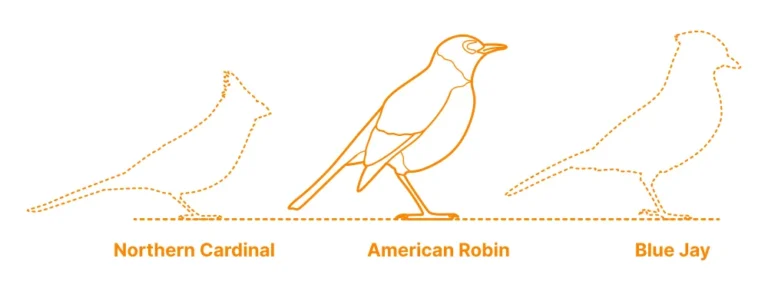
- American Robin: Robins, common backyard birds, have an average wild lifespan around 2 to 3 years, with a maximum recorded age of about 11 years. They face similar threats from predation and environmental factors.
- Common Raven: As larger members of the corvid family (which also includes blue jays), common ravens are known for their intelligence and adaptability. They tend to live much longer, with average lifespans in the wild often reaching 10 to 15 years, and some individuals living upwards of 20 years. Their larger size and stronger defenses contribute to this greater longevity.
- House Sparrow: These small, highly adaptable birds often have average lifespans of about 3 to 5 years in the wild, though they can live longer, with records showing individuals reaching over 10 years. Their widespread distribution and ability to thrive in human-modified environments likely contribute to their survival rates.
The blue jay sits somewhere in the middle, demonstrating good survivability for its size and niche, but not reaching the extreme longevity seen in some larger, more protected bird species.
Safety / Legal / Compliance / Warnings
While blue jays are common and robust birds, there are aspects of their interaction with humans and their legal status that are important to understand, especially if you're involved in wildlife observation or rehabilitation. Adhering to these guidelines ensures the well-being of the birds and respects wildlife regulations.
The primary piece of legislation governing native birds in North America is the Migratory Bird Treaty Act. This act, signed into law in 1918, provides federal protection for most native bird species, including the blue jay. It makes it illegal to take, possess, import, export, transport, sell, purchase, or barter any migratory bird, or any part, nest, or egg of any such bird, unless permitted by federal regulation.
This means that disturbing blue jay nests, collecting their eggs, or attempting to keep wild blue jays is against the law. Even feeding them requires some consideration to avoid causing harm. Offering spoiled food or creating conditions that lead to unnatural population densities can have negative health impacts.
Always ensure any bird feeders are kept clean and stocked with appropriate, fresh food.
Maintenance / Long-Term Optimization
When we talk about "maintenance" for blue jays, it’s less about direct upkeep and more about supporting their natural environment and ensuring they have what they need to thrive. For those who enjoy watching them, this translates into creating a welcoming backyard habitat. The goal is to mimic the conditions that allow them to live their longest, healthiest lives.
Creating a bird-friendly yard involves several key elements. Providing a reliable source of clean water is crucial, especially during dry spells or freezing temperatures. A bird bath that is regularly cleaned and refilled can be a lifeline for them, helping with drinking and preening.
Proper food sources are also vital. While blue jays are adaptable and will eat a variety of things, offering high-quality birdseed mixes that include corn, peanuts, and sunflower seeds can supplement their natural diet. Avoid processed human foods or anything that could be moldy or spoiled.
Ensuring feeders are cleaned regularly prevents the spread of disease, which, as we've seen, can be a significant threat to longevity.
Additionally, offering shelter and nesting opportunities contributes to long-term survival. Planting native trees and shrubs provides food, protection from predators, and safe places to build nests. Reducing pesticide use in your yard is also important, as it protects the insects blue jays feed on and reduces their exposure to harmful chemicals.
By maintaining your yard with these principles in mind, you're indirectly supporting the health and longevity of your local blue jay population.