Beautiful Birds
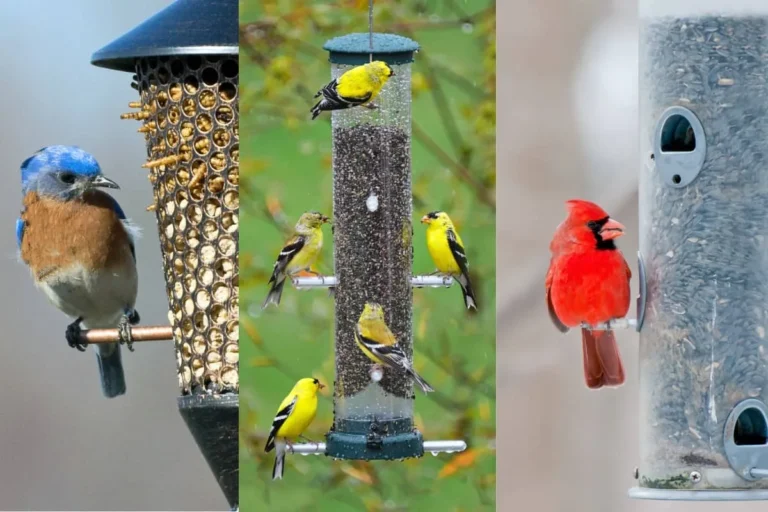
You don’t have to travel to remote corners of the globe to encounter some of the most beautiful birds in nature. Many stunning species live right in your backyard, though they are often ignored because they seem common.
If you know how to look, you’ll find that color and life are present in almost every environment. As of 2026, experts at the Cornell Lab of Ornithology emphasize that bird diversity is often hidden in plain sight. Learning to recognize these visitors starts with a shift in focus toward your own local ecosystem.
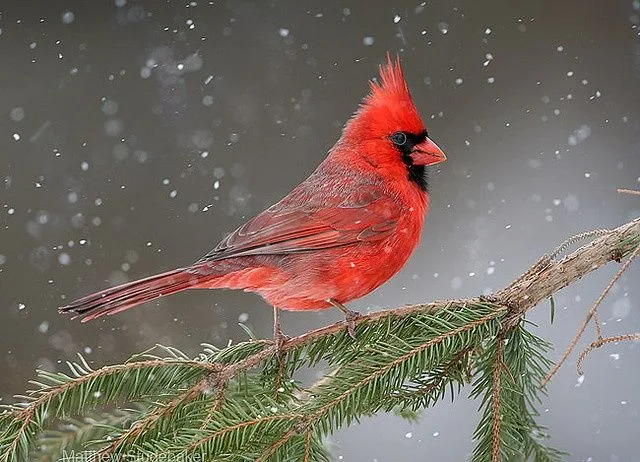
Image source: Bing (Web (fair-use with source credit))
Quick Answer
Beautiful birds are avian species noted for their striking plumage or unique markings. These birds exist in almost every local climate and geographic region. Color variety often results from seasonal molting or specific mating displays.
You can find them by observing light, movement, and specific bird behaviors. High-quality binoculars help you identify these subtle, natural details.
Why We Overlook the Beauty in Our Own Backyards
We often suffer from observer bias when it comes to the wildlife around us. We tend to ignore the birds we see every day, assuming that beauty is reserved for rare or exotic species. In reality, a common Northern Cardinal displays a shade of red that rivals many tropical birds.
Familiarity breeds a lack of attention. When you see the same sparrow or finch on your feeder daily, your brain stops processing their visual details. You eventually stop seeing them entirely.
To break this habit, try looking at a bird as if you’ve never seen it before. Focus on the texture of its feathers or the specific way it interacts with its environment. You will quickly realize that the beauty is there, provided you are willing to slow down and pay attention to it.
The Art of Seeing: Visual Cues for Bird Identification
Identifying birds involves more than just looking for a splash of color. You must train your eye to look for specific visual markers that separate one species from another. Start by noticing the overall shape and size of the bird, which is often called the jizz by experienced observers.
Beyond shape, pay close attention to field marks. These are distinct patterns that make a bird easy to name. Look for wing bars, eye rings, or streaks on the breast.
These markings are often subtle, but they become clear once you know what to look for.
| Feature | Observation Tip |
|---|---|
| Plumage | Note the primary colors and any hidden flashes. |
| Movement | Does it hop, walk, or hover in the air? |
| Beak Shape | A thick beak usually means a seed eater. |
| Habitat | Is it on the ground or in the canopy? |
Light also plays a massive role in how we perceive color. A bird’s feathers might look dull in the shade but will shine with iridescence when it steps into direct sunlight. Try to position yourself so the sun is behind you, which provides the best view of the bird’s true colors.
Essential Tools for Capturing and Studying Avian Detail
You do not need professional-grade equipment to start a rewarding birding practice. A solid, reliable pair of binoculars is the most important tool you can own. According to [U.S.
Fish and Wildlife Service](https://www.fws.gov) guidelines for wildlife observation, choosing the right magnification is key.
An 8×42 pair is widely considered the gold standard for beginners. The 8 refers to the magnification, while the 42 indicates the diameter of the objective lens in millimeters. This size offers a bright, clear image while being light enough to hold steady for long periods.
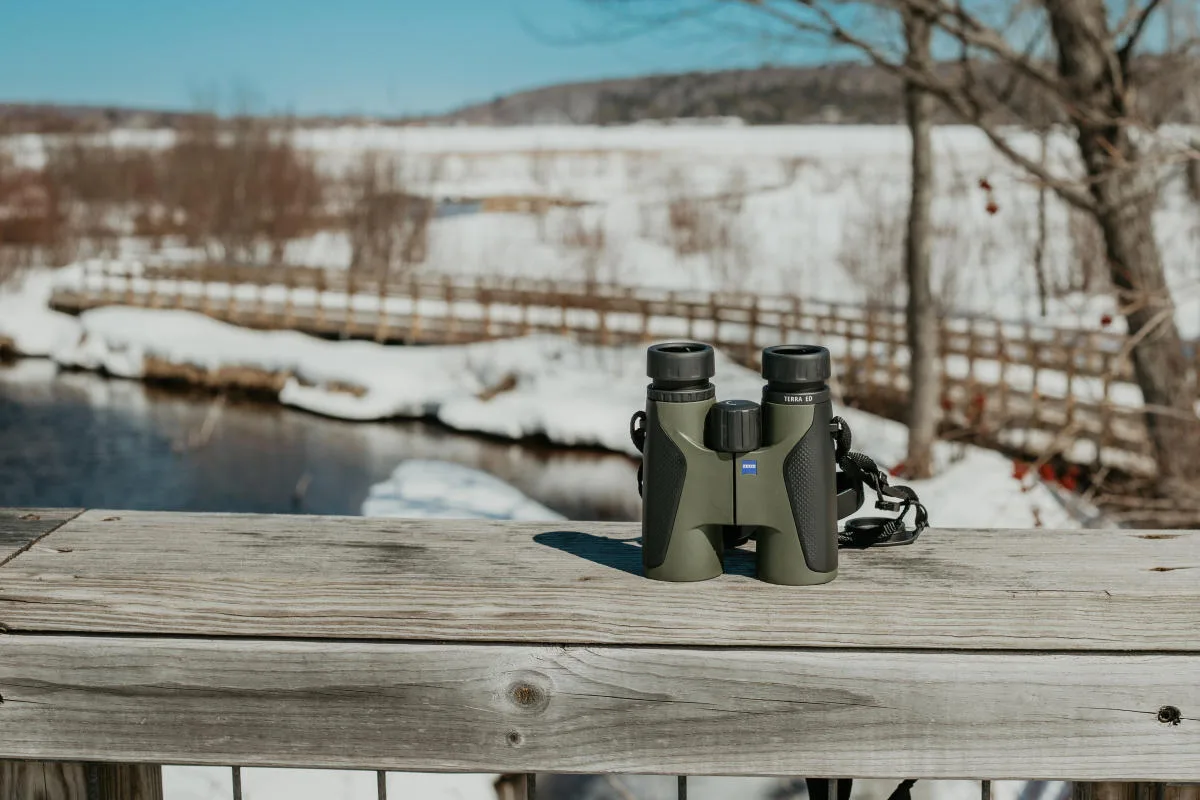
Image source: Bing (Web (fair-use with source credit))
Beyond optics, a field guide is an essential reference. Whether you prefer a physical book or a digital app, ensure it contains clear illustrations of both male and female versions of local birds. Many species show sexual dimorphism, meaning the males and females look different, which can confuse beginners.
Creating a Habitat That Invites Color to Your Window
If you want to see more beautiful birds, you need to turn your yard into a sanctuary. Birds prioritize environments that provide food, water, and shelter. Native plants are the most effective way to attract local species because these plants provide the specific seeds and insects birds evolved to eat.
Consider adding a water feature, such as a bird bath or a shallow dish. Clean, moving water is a powerful magnet for birds of all types, including those that don't visit feeders. Place your water feature in a spot where you can view it from inside your home without disturbing the birds.
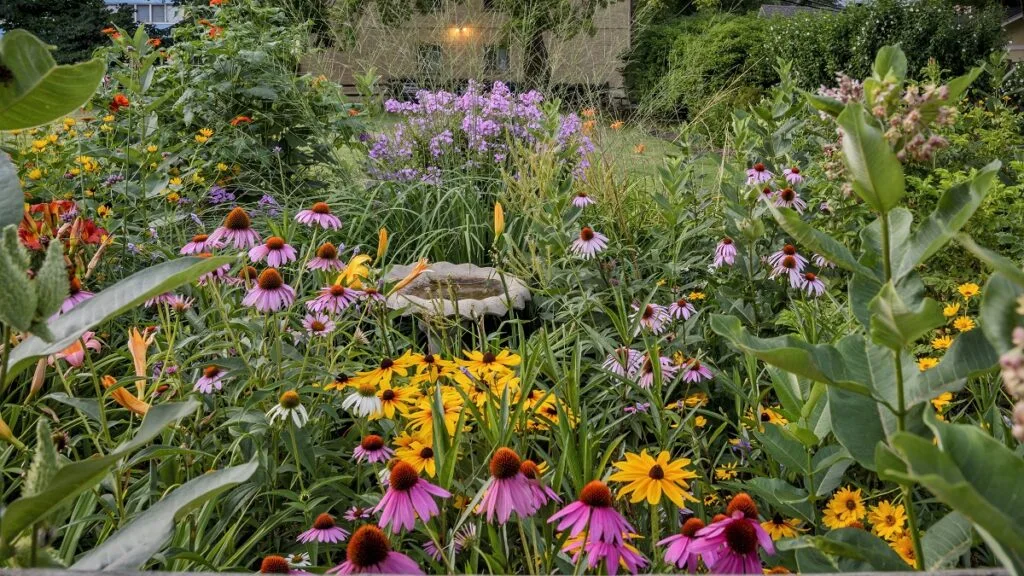
Image source: Bing (Web (fair-use with source credit))
Avoid using chemical pesticides in your garden. These chemicals destroy the insect population that many birds rely on for protein. A healthy, pesticide-free yard acts as a natural buffet.
By providing a safe space, you turn your home into a reliable stop on the local migratory flyway.
Avoiding Common Mistakes That Obscure Bird Behavior
The most common mistake beginners make is moving too quickly or making too much noise. Birds are hyper-aware of their surroundings and will hide if they feel threatened. When you approach a feeding area, move slowly and keep your profile low to avoid startling the birds.
Another error is ignoring the common birds. Many people feel they have nothing to see because they only see house finches or starlings. If you take the time to watch these birds, you will notice complex social behaviors that are just as fascinating as those of rare species.
Finally, resist the urge to feed birds bread. Bread offers little nutrition and can cause health issues for some species. Stick to high-quality black oil sunflower seeds or specialized suet cakes, which provide the energy birds actually need to thrive.
Consistency is the secret to a high-traffic backyard feeder.
Building Your "Life List": A Process for Tracking Sightings
A life list is a simple record of every bird species you have positively identified in the wild. This practice helps you track your progress over time while sharpening your observation skills. You can maintain this list in a small pocket notebook, a dedicated spreadsheet, or through digital platforms like eBird, which syncs your sightings with global scientific databases.
Start by recording the date, time, and specific location for every new entry. Be as precise as possible, noting the weather conditions or the bird’s behavior at the moment you spotted it. These details make your list more meaningful when you look back on it years later.
| Tracking Method | Best For | Benefit |
|---|---|---|
| Paper Journal | Tactile learners | Allows for sketches and notes. |
| Digital Spreadsheet | Analytical users | Easier to filter by date or location. |
| Birding Apps | Active observers | Syncs with GPS and scientific databases. |
Do not feel pressured to count only rare birds. The beauty of a life list is that it captures the story of your local environment. Over time, you’ll notice patterns in when certain species arrive or depart, turning your hobby into a deeper understanding of regional ecology.
Frequently Asked Questions About Local Birding
How do I know if I have correctly identified a bird?
You can confirm identification by comparing your notes against multiple sources, such as official state wildlife guides. Look for a combination of size, beak shape, and primary colors rather than relying on a single feature. If you remain unsure, clear photographs can help you compare details with local experts or verified databases.
What should I do if a bird hits my window?
If a bird hits a window and is stunned, place it in a small, ventilated cardboard box in a quiet, dark place. Keep the box away from pets and children for at least one hour to allow the bird to recover. If the bird cannot fly away after an hour, contact your local wildlife rehabilitation center for further instructions.
Why do some birds disappear in the winter?
Many birds migrate to warmer climates to find food when local resources become scarce or frozen. While some species stay year-round, others travel thousands of miles following established migratory flyways to survive the colder months. You can support the year-round residents by providing high-energy foods like suet and black oil sunflower seeds.
Do bird feeders attract invasive species?
Feeders can attract non-native species, which may compete with local birds for resources. To discourage invasive birds, use feeders with smaller ports that specifically cater to native songbirds. If you notice invasive species dominating your yard, stop feeding for a few days to disrupt the pattern and encourage them to move on.