Most Unusual Birds
Nature often ignores the standard blueprint when it comes to avian design. Some of the most unusual birds appear to defy basic biological norms through strange feeding habits, prehistoric physical traits, or extreme environmental adaptations.
These species show us that survival is rarely about being pretty or conventional. As of 2026, research into specialized niches continues to reveal how these creatures master challenging ecosystems through unique morphological structures.
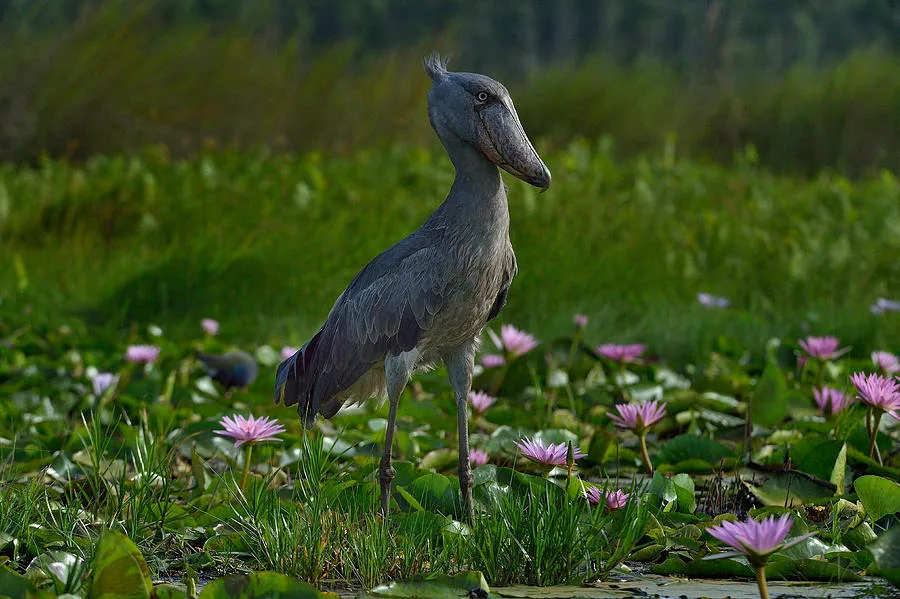
Image source: Bing (Web (fair-use with source credit))
Quick Answer
The most unusual birds are defined by extreme, specialized evolutionary traits. They often feature bizarre physical adaptations like wing claws or oversized beaks. These birds occupy narrow ecological niches in remote environments.
They prioritize survival mechanics over standard flight or foraging methods. Many display behaviors that appear prehistoric to modern human observers.
Why We Categorize Certain Birds as "Unusual"
We label birds as unusual when they deviate sharply from the typical songbird or raptor model we see in our neighborhoods. Humans tend to classify animals based on how closely they fit our expectations for movement, song, and appearance.
When a bird features a hooked, shoe-shaped beak or produces sounds like a clattering machine gun, it naturally strikes us as odd. However, this is simply our way of processing extreme evolutionary departures.
These birds aren't just weird for the sake of being different. Every strange feature serves a specific survival function. We define these creatures by their divergence from the common avian template.
Anatomy of the Extraordinary: How Evolution Favors the Strange
Evolution does not strive for beauty. It strives for efficient energy usage and successful reproduction within a specific habitat. When an environment offers a unique, untapped food source, birds that adapt to exploit it have a massive advantage.
Take the Hoatzin. It has developed a specialized crop that acts like a fermentation vat. This allows it to break down tough, fibrous leaves that other birds simply cannot digest.
This digestive system is so efficient that the bird actually emits a distinct odor. It’s an evolutionary trade-off, prioritizing nutritional access over a pleasant scent.
The following table breaks down common unusual traits and their biological purposes.
| Trait | Target Species | Functional Purpose |
|---|---|---|
| Wing Claws | Hoatzin (chicks) | Climbing branches to escape aquatic predators. |
| Echolocation | Oilbird | Navigating pitch-black cave systems for foraging. |
| Clog-shaped bill | Shoebill Stork | Capturing and holding large, slippery prey. |
Decoding the Visual Quirks of Prehistoric-Looking Birds
Many of these birds look like living fossils. The Shoebill Stork, for example, possesses a face that many observers compare to a swamp-dwelling monster.
Its massive, shoe-shaped bill isn't just for show. It acts as a precise tool for snatching lungfish from oxygen-poor, murky waters where vision is largely useless.
If you were to look at a cross-section of these birds, you would see how their skeletons have adjusted over millennia. Their necks, skulls, and even their feet have morphed to support their specific lifestyles.
This isn't an accident. It is the result of long-term environmental pressure shaping their physical structure to ensure the species continues to exist.
The Functional Advantage Behind Bizarre Beaks and Claws
A bird's beak is its most important tool. It’s the primary way they interact with their environment and secure energy. Unusual beak shapes, like those found on the Shoebill, are masterclasses in functional design.
The sharp, hook-like tip of a Shoebill's beak prevents its prey from sliding out of its grip. This allows the bird to maintain a motionless, patient hunting stance for hours at a time.
Meanwhile, the Hoatzin's wing claws are a fascinating relic. Most birds lose these appendages shortly after hatching, but the Hoatzin keeps them long enough to survive the dangerous, predator-heavy days of early life.
- Energy Efficiency: These birds spend only as much energy as needed to secure their specific food source.
- Reduced Competition: By eating things others won't, they avoid the competitive struggle for insects or seeds.
- Survival Rates: Specialized traits allow them to thrive where generalist birds would starve.
According to research from the Cornell Lab of Ornithology, birds that evolve extreme specializations often exhibit higher site fidelity. This means they are masters of their specific, if often small, geographic range.
Navigating Field Observations: How to Spot and Appreciate Rare Adaptations
Observing these birds requires patience and, often, a trek into deep wilderness. You aren't going to see an Oilbird in your backyard. They prefer the safety and darkness of deep cave systems.
If you do head out, focus on the environment first. If you’re in the Amazon Basin, look for the unique signs of bird activity near riparian forests.
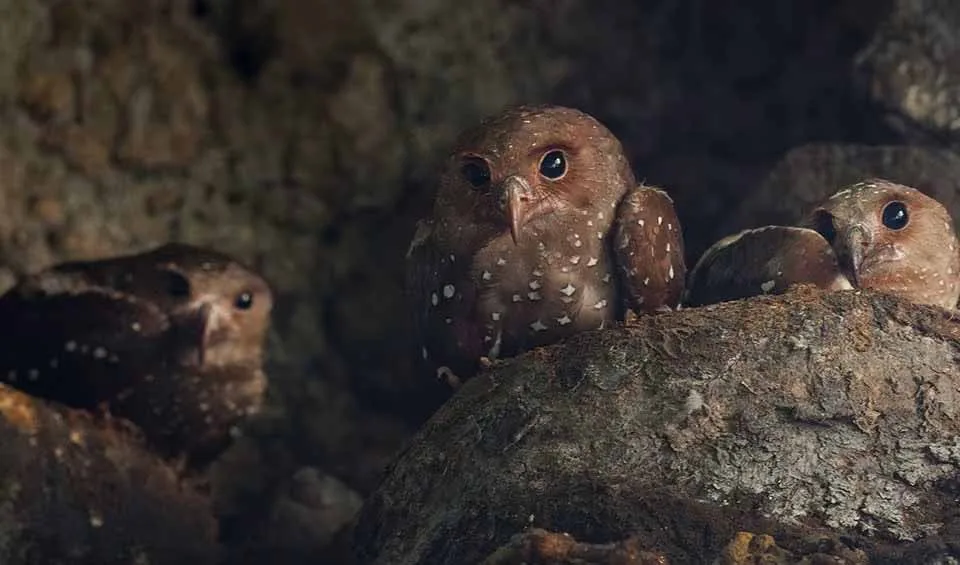
Image source: Bing (Web (fair-use with source credit))
When you finally spot one, look for the why behind the behavior. Don't just watch the bird. Watch how it interacts with its specific surroundings.
- Patience is key: These birds don't move constantly. They often wait for the perfect moment to hunt or forage.
- Look for behavioral triggers: Does the bird start moving when the sun hits a certain angle?
- Stay quiet: These animals are often hypersensitive to sound, especially those living in dense or cavernous environments.
Observing these creatures is about understanding their unique rhythm. Respect the habitat they depend on, as many of these odd birds have very narrow environmental requirements.
Protecting the Most Unusual Avian Species
These birds are often vulnerable because they live in such specific, isolated habitats. When their environment changes, they have nowhere else to go. Many of these species are listed as threatened or near-threatened by the IUCN Red List.
Conservation efforts focus on protecting the specific ecosystems that support their unique life cycles. For example, the Hoatzin relies entirely on stable, flooded forests in the Amazon. If these forests are cleared, the bird loses its only food source and nesting ground.
- Habitat Preservation: Creating protected corridors ensures these birds can move safely between feeding and nesting sites.
- Minimizing Human Disturbance: Ecotourism must follow strict guidelines to prevent scaring birds away from critical breeding zones.
- Pollution Control: Because many of these birds eat aquatic vegetation or fish, they are highly sensitive to water quality.
Research indicates that habitat fragmentation is the single biggest threat to species with narrow ecological requirements. By keeping their forest and wetland homes intact, we protect the entire community of life that depends on those complex ecosystems.
Frequently Asked Questions About Unique Avian Biology
Are these unusual birds dangerous to humans?
No, they generally aren't. While a Shoebill Stork has a massive beak capable of handling large prey, they aren't aggressive toward humans. They are typically shy and prefer to keep their distance in the wild.
Why do some birds have such strange physical features?
They have evolved these traits to exploit food sources that other birds cannot access. A strange shape usually indicates a highly efficient tool for survival. Evolution favors the shape that works best for the specific environment.
Can I keep any of these birds as pets?
No, it's illegal and physically impossible to keep most of these species as pets. They require very specific, wild environments to survive. Most are protected by international law and cannot be traded or kept in private captivity.
How do researchers find these rare birds?
Scientists use bio-acoustic monitoring and remote tracking to locate them without disturbing their habitats. Because many of these birds live in dense or dark environments, listening for specific vocalizations or beak-clattering is often more effective than sight.
Are these birds closely related to dinosaurs?
Yes, they share direct ancestral links to prehistoric lineages, much like all modern birds. However, species like the Hoatzin retain primitive characteristics that make those connections much more visible to our modern eyes.