Where Do Cardinals Build Nests
Ever looked out your window and spotted that brilliant flash of red, wondering just where those cardinals make their homes? Understanding where do cardinals build nests is key to appreciating these beautiful birds and their nesting habits. They’re pretty savvy about picking secure, comfortable spots for their families.
Cardinals generally prefer locations that offer excellent camouflage and protection from predators. Based on research and observations, these birds typically build their nests at a moderate height, often between 5 to 15 feet off the ground, favoring dense vegetation. This preference ensures both security for their young and proximity to essential resources.
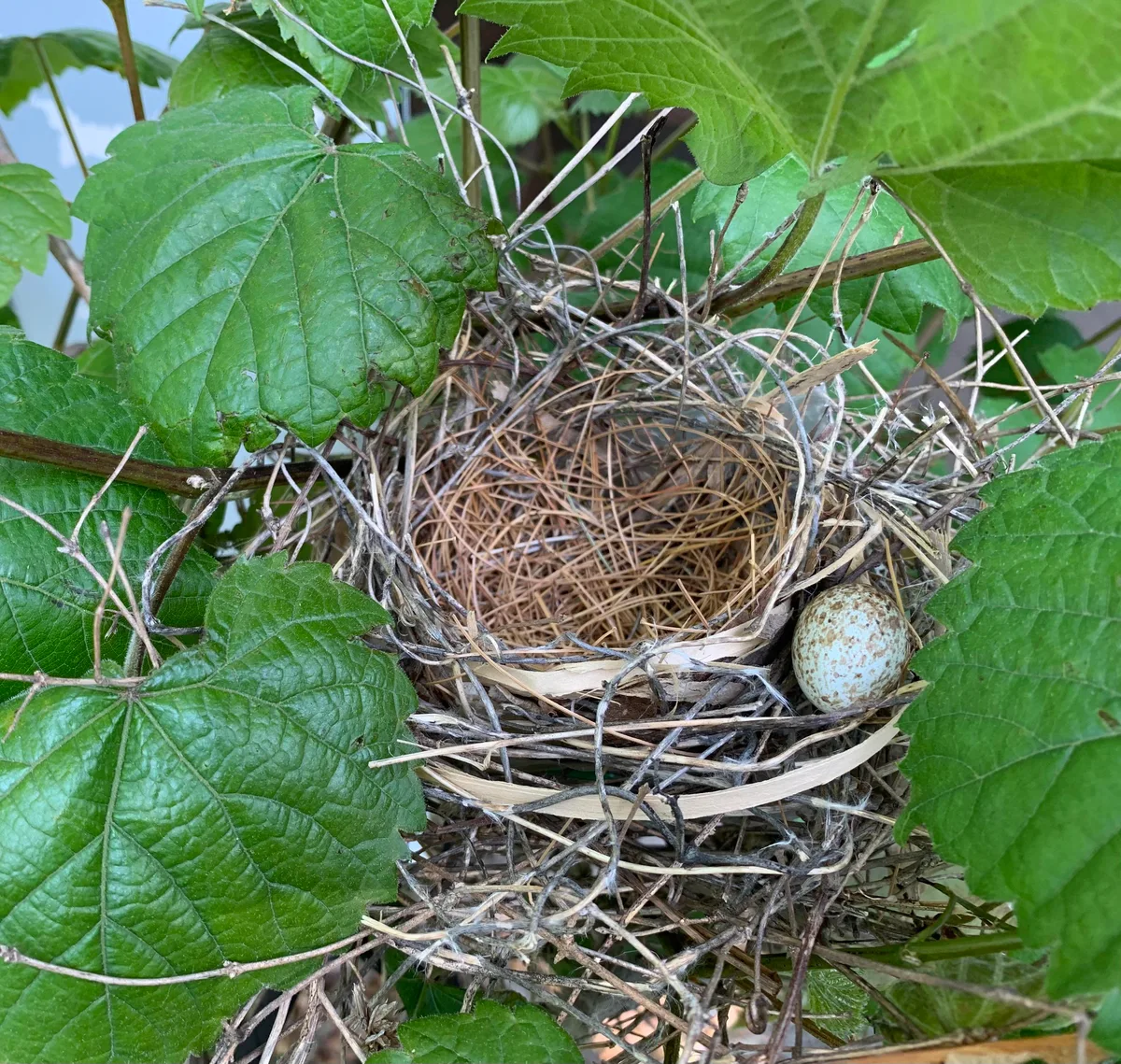
Image source: Web (Bing) / reddit.com (Web image (fair-use with source credit))
Quick Answer
Cardinals build nests in dense shrubs, bushes, trees, and vines, prioritizing heavy cover for concealment. They favor sturdy branches at moderate heights, typically 5 to 15 feet up, seeking locations that offer both security from predators and access to food and water.
What Cardinals Look For in a Safe Spot
When a cardinal decides it's time to start a family, they're essentially looking for a well-protected, stable haven. It's not just about finding any branch; it's about finding the right kind of spot that ticks several important boxes for raising their young safely.
Cover is Key
This is arguably the most critical factor for a nesting cardinal. They need to be hidden, plain and simple. Thick foliage acts like a natural camouflage, shielding the nest from the sharp eyes of predators like hawks, owls, cats, and even squirrels.
A well-hidden nest is a safe nest, dramatically increasing the chances of their eggs hatching and their young surviving.
Sturdy Support
A nest, even a well-built one, needs a strong foundation. Cardinals look for branches that are robust enough to hold the weight of the nest itself, plus the eggs and the growing nestlings. They won't build on flimsy, thin twigs that could snap under pressure or sway too much in the wind.
The support needs to feel solid and reliable for the entire nesting period, which can last several weeks.
Proximity to Essentials
Just like us, cardinals prefer a convenient location. This means a good nesting spot will ideally be near sources of food and water. Their diet primarily consists of seeds, fruits, and insects, so a location close to berry-producing shrubs or areas where insects are plentiful is a big plus.
Being near a reliable water source for drinking and bathing is also a significant factor in choosing a nesting site.
Prime Cardinal Nesting Locations: Visualize These Spots
Knowing what cardinals look for helps us pinpoint where we're most likely to find their nests. They aren't usually building in wide-open spaces or on solitary, exposed branches. Instead, they seek out that secure, cluttered, and well-supported environment we've discussed.
Dense Shrubs and Bushes
This is a top choice for many cardinals. Think about those overgrown, leafy shrubs or compact bushes you see in yards, parks, or along hedgerows. Cardinals love to tuck their nests deep within the thickest part of these plants.

Image source: Web (Bing) / pexels.com (Web image (fair-use with source credit))
Often, they'll opt for thorny varieties like roses or hawthorns, which offer an extra layer of defense against predators. The dense growth provides excellent concealment, making the nest incredibly hard to spot from a distance.
Overgrown Vines
Vines, especially those that have grown wild and tangled, create a fantastic nesting environment. Whether they're climbing fences, trellises, arbors, or even the sides of buildings, the intricate network of stems and leaves offers numerous hiding places. Cardinals can weave their nests securely into this dense, natural lattice, benefiting from the multiple layers of cover provided.
Young Trees and Clusters
A cluster of young trees or saplings growing close together can also be an attractive nesting site. The close proximity of multiple trunks and branches creates a naturally dense environment. Cardinals might build in the fork of a branch or within the thick growth near the base of these young trees, benefiting from the combined cover.
Evergreen Trees
Evergreens, such as junipers, spruces, and pines, are especially popular, particularly in regions where deciduous trees lose their leaves in winter. The year-round presence of dense needles or foliage provides consistent, reliable cover. Cardinals can effectively camouflage their nests within the thick branches of these trees, offering protection no matter the season.
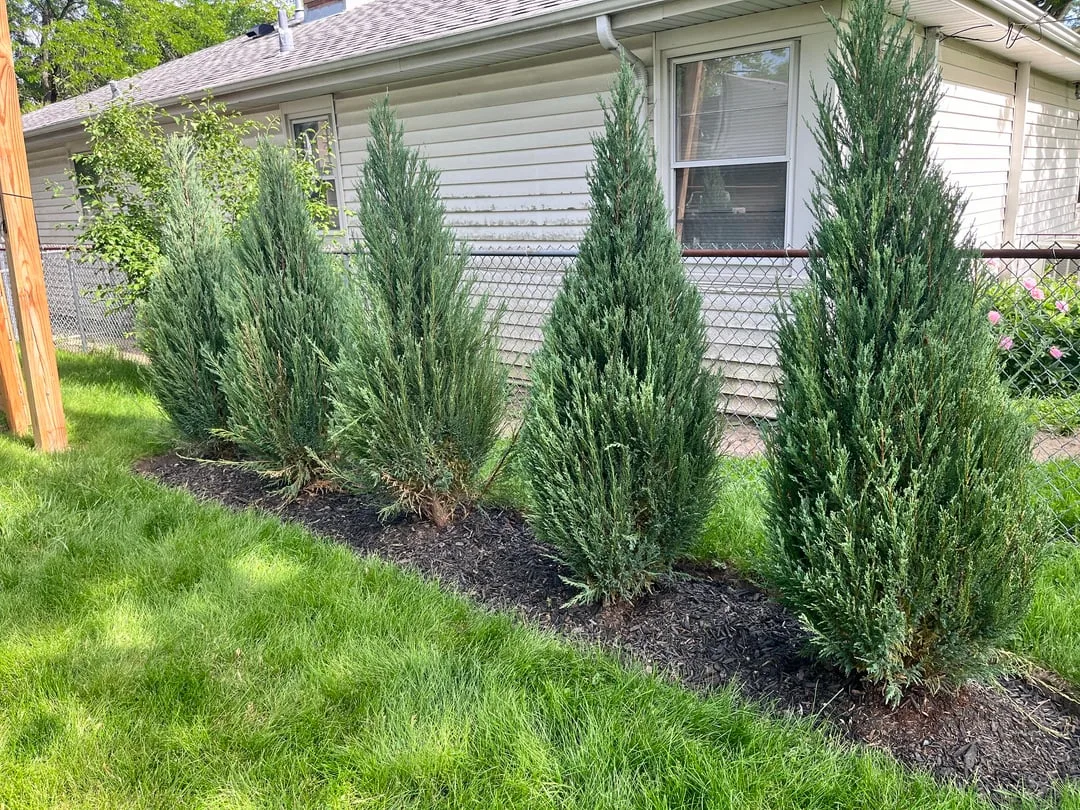
Image source: Web (Bing) / reddit.com (Web image (fair-use with source credit))
What the Cardinal Nest Itself Looks Like
When you finally spot a cardinal nest, you'll notice it's a sturdy, cup-shaped structure. Cardinals are skilled builders, using a variety of natural materials they gather from their surroundings. The exterior is typically constructed from twigs, grass stems, bark strips, and sometimes even pieces of plant roots.
They then line the interior with finer materials, like soft grasses, plant fibers, or even animal hair, creating a smooth, comfortable cup for the eggs and chicks. These nests are usually quite substantial, measuring about 3-4 inches in diameter, designed to hold 3-5 eggs.
Tips for Spotting a Cardinal Nest Respectfully
If you're hoping to observe a cardinal nest in its natural habitat, the key is to be patient and, most importantly, respectful. Nesting season for cardinals generally spans from spring through summer, so that's your prime viewing time. They are often quite secretive about their nest locations once established.
If you see a cardinal carrying nesting materials like grass or twigs, it's a strong clue that a nest is nearby. However, avoid actively searching or disturbing the area if you suspect a nest's presence. If you do find a nest, maintain a significant distance to avoid causing stress or alerting predators.
According to the Migratory Bird Treaty Act, harming or disturbing nests, eggs, or young birds is prohibited, so observation should always be from afar.
Frequently Asked Questions About Cardinal Nests
Where in a tree do cardinals usually build their nests?
Cardinals typically build nests in the dense foliage of trees or shrubs, often in the fork of a branch or well-hidden among leaves and twigs. They prefer moderate heights, usually between 5 to 15 feet off the ground, ensuring concealment and safety.
Can cardinals build nests in man-made structures?
Yes, while less common, cardinals have been known to build nests in sheltered spots on man-made structures, such as on top of light fixtures, in hanging planters, or even in undisturbed corners of sheds or garages, provided there is enough cover and stability.
How long does it take for a cardinal nest to be built?
The construction of a cardinal nest is a relatively quick process, typically taking about 3 to 6 days to complete. Both the male and female participate in building, though the female often does the bulk of the work on the final structure.