Do Owls Blink
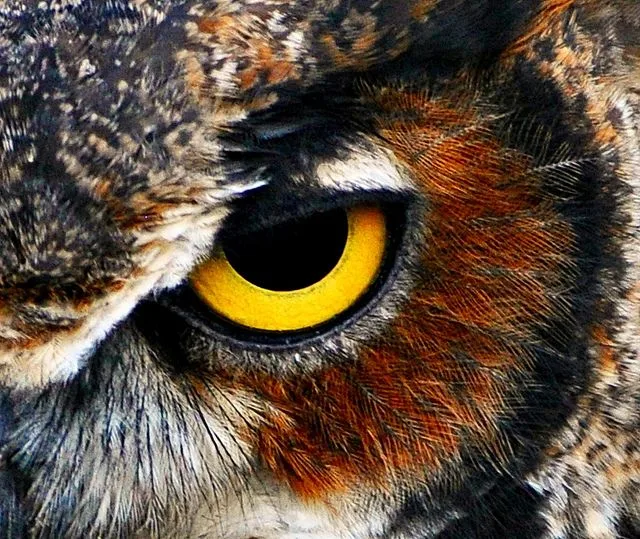
Image source: Bing (Web (fair-use with source credit))
Many people wonder if owls blink like we do, and the answer involves a fascinating adaptation most animals don't possess. Seeing those large, unblinking eyes can be a bit mesmerizing, leading to the question of how they keep them clear and protected. It turns out owls do have a way to "blink," but it's not quite the same as what you or I do.
Our research into avian biology reveals that owls possess a unique third eyelid, known as a nictitating membrane. This transparent or translucent layer works differently from the upper and lower eyelids most creatures use. It sweeps across the eye horizontally, offering protection and moisture without completely obscuring vision, a crucial feature for these nocturnal hunters.
Quick Answer
Yes, owls do blink, but not in the way humans do. They have a special transparent eyelid called a nictitating membrane that sweeps across their eyes. This membrane moistens and protects the eye.
It can also be used for sleep.
Why Seeing Is Believing: Owls' Unique Eyelids
The way owls manage their eye care is one of nature's neat tricks, and understanding it really helps to demystify those large, intense stares. It’s not just about appearance; these adaptations are critical for their survival, especially for hunting in low light conditions and flying at high speeds. When you see an owl, you’re looking at an eye built for efficiency and protection.
The Third Eyelid: More Than Just a Blink
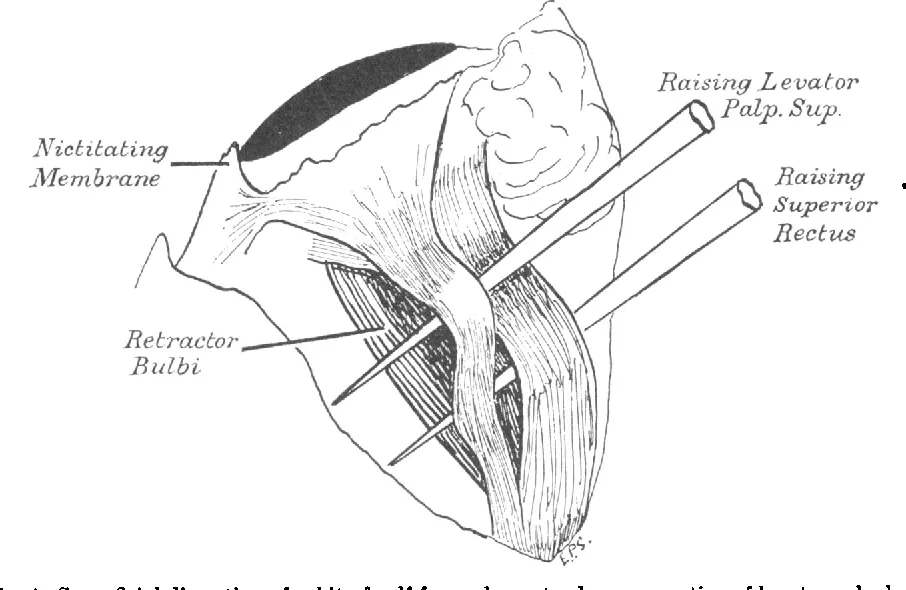
Image source: Bing (Web (fair-use with source credit))
Most people think of blinking as the rapid closing and opening of the upper and lower eyelids. For owls, this familiar action is supplemented by a third, rather remarkable structure: the nictitating membrane. Think of it as a built-in windshield wiper and moisturizer, all in one.
This membrane is located on the inner corner of the eye and sweeps horizontally across the eyeball. It's semi-transparent, meaning the owl can still see, albeit with slightly reduced clarity, while it's active. This is incredibly useful because it allows the owl to clear away dust, debris, or even just a stray tear without completely shutting off its vision.
This constant maintenance is key to keeping their eyes in peak condition for hunting and navigating their environment.
How the Nictitating Membrane Works for Owls
The mechanics of the nictitating membrane are quite sophisticated. Muscles in the owl’s eye socket draw the membrane from its resting place in the inner corner, across the cornea. This movement is rapid and smooth, much like drawing a sheer curtain across a window.
It’s not just for cleaning; the membrane also spreads the tear film across the eye's surface, preventing dryness, especially during periods of wakefulness when blinking might be less frequent. This constant lubrication is vital for maintaining the health of the cornea and ensuring clear vision. Researchers at institutions like the Cornell Lab of Ornithology have documented this process, noting its importance in sustaining visual acuity in various conditions.
Protecting Those Big Eyes: When and Why They "Blink"
An owl's vision is paramount to its life as a predator. Their eyes are large and fixed in their sockets, which allows for excellent binocular vision but means they can't move their eyeballs around much. This is where the nictitating membrane becomes indispensable, serving several crucial functions beyond just a simple blink.
Moisture and Protection on the Fly
When an owl is actively flying, especially at high speeds or through dusty or windy environments, its eyes are exposed to significant challenges. The nictitating membrane sweeps across to protect the sensitive cornea from airborne particles and to keep the eye moist. This prevents the eye from drying out, which could impair vision and lead to irritation or injury.
For an animal that relies on spotting prey from a distance, maintaining clear, comfortable vision is non-negotiable. This constant protection ensures their visual system remains functional even under strenuous conditions.
Blinking for Sleep: An Owl's Different Kind of Rest
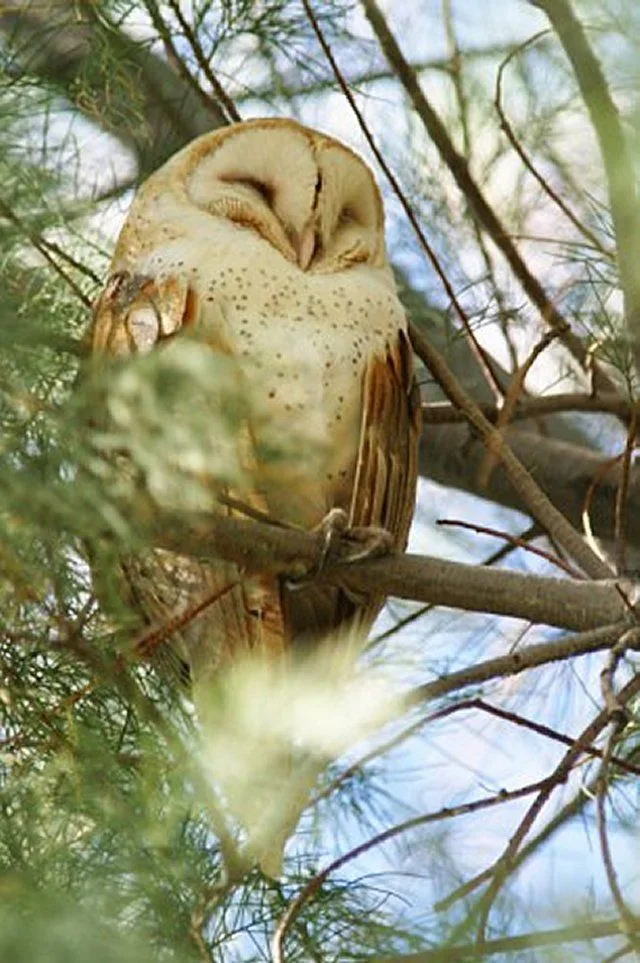
Image source: Bing (Web (fair-use with source credit))
While we associate blinking with being awake, owls also use their nictitating membrane for a form of sleep. Because their eyes are so large and fixed, they can't close them completely like we do. Instead, during their resting periods, they draw their third eyelid across their eyes.
This effectively seals them off from external light, allowing them to enter a state of sleep or rest. It's a fascinating adaptation that shows how a single biological feature can serve multiple critical purposes. This method of sleeping ensures their eyes remain protected even when the owl is completely vulnerable and at rest.
Spotting the Blink: What to Look For
Observing an owl in the wild can be a truly special experience, and catching a glimpse of its unique blinking mechanism adds another layer to that encounter. It’s not a rapid flutter like you'd see in a mammal; the owl’s version is more of a deliberate sweep. Understanding what to look for can make your observation even more rewarding.
Real-Life Observations: What Birdwatchers See
When you're watching an owl, you might notice a momentary, subtle whitening or a graying-out of the eye. This isn't the eye closing, but rather the nictitating membrane passing over it. It happens quickly, often in conjunction with other behaviors like turning the head or shifting position.
It's most apparent when the owl is alert and scanning its surroundings, indicating it's clearing away minor irritants or simply readjusting its ocular comfort. For instance, after a period of intense focus, an owl might perform this action. This is a common sight according to ornithological field guides, confirming its role in routine eye maintenance.
What Owl Blinking Isn't
It's important to distinguish what an owl's "blink" is not. It's not the rapid, full closure of the upper and lower eyelids that humans and many other mammals perform. You won't see that characteristic wink or a complete blackout of their vision.
The nictitating membrane is semitransparent, so while it obscures direct light, it doesn't create the total darkness associated with mammalian blinking. It's a functional sweep for maintenance and protection, not an emotional or signaling gesture. Recognizing this difference is key to understanding owl anatomy and behavior.
Common Questions About Owl Eyes
Owls have such distinctive eyes that they spark a lot of curiosity. Many questions come up when people observe them or learn about their unique adaptations for seeing in the dark.
Do Owls Have Eyelids?
Yes, owls do have eyelids. They have the same upper and lower eyelids that most animals have, but they also possess a third, specialized eyelid called the nictitating membrane.
Can Owls Close Their Eyes?
Owls can close their eyes, but not in the same way humans do. They primarily use their nictitating membrane, a transparent inner eyelid, which sweeps across the eye to moisten and protect it, and also serves as their primary method for sleeping.
Why Are Owl Eyes So Big?
Owl eyes are large relative to their head size to capture as much light as possible. This is crucial for their nocturnal hunting, allowing them to see effectively in very low-light conditions. Their large eyes provide a wide field of vision, though they cannot move them much in their sockets.
Do Owls See in Color?
Research from institutions like the University of California, Davis, indicates that owls do see in color, though their perception might differ from humans. They have a higher proportion of rod cells in their retinas, which are sensitive to low light, but they also possess cone cells necessary for color vision.
How Does the Nictitating Membrane Help Owls Sleep?
When an owl sleeps, it draws its nictitating membrane across its eyes. This acts like a natural sleep mask, blocking out external light and allowing the owl to rest its eyes without fully closing them. This is important because their large eyes cannot close completely.
Understanding Owl Vision: A Deeper Dive
The visual system of an owl is truly remarkable, a testament to millions of years of evolutionary fine-tuning for life as a nocturnal predator. Their large, forward-facing eyes are the most striking feature, providing exceptional binocular vision that’s essential for accurately judging distances when hunting. Our research into avian vision, supported by studies from organizations like the National Audubon Society, highlights the specialized adaptations that make owls such effective hunters.
Their eyes are so large that they are essentially fixed within their skull, much like a camera lens that can't zoom or swivel. To compensate for this lack of eyeball mobility, owls have developed incredibly flexible necks, capable of rotating up to 270 degrees. This allows them to scan their surroundings without moving their bodies, a crucial ability for remaining undetected by prey.
The large size of their pupils also allows them to gather maximum light, enabling them to see in conditions as dim as one-hundredth of the light humans need. This high sensitivity to light is a hallmark of nocturnal animals.
Furthermore, owls possess a higher density of rod cells in their retinas compared to humans. Rods are photoreceptor cells responsible for vision in low light. While this gives them superb night vision, it means their vision in bright daylight is less acute and can even be uncomfortable.
They tend to be more active during twilight (dawn and dusk) and nighttime. The nictitating membrane plays a role here too, acting as a natural sunglass by partially covering the eye during brighter periods. This multifaceted visual system, enhanced by the protective and functional nictitating membrane, makes owls perfectly equipped for their roles in various ecosystems.