Where Do Snowy Owls Migrate
Ever wondered about those stunning snowy owls? You know, the ones that look like they just stepped off a movie set, with their brilliant white plumage and piercing yellow eyes. They’re not just stuck in the Arctic all year round, though.
They do move, and understanding where they go, and more importantly, why, is pretty fascinating.
Think of it like this: the Arctic is their summer buffet and breeding ground. It's packed with lemmings and other small critters that are perfect for raising a family. But when winter hits, things get a bit tougher up north.
Snow covers the ground, making it harder to find food, and the days get super short.
Quick Answer
Snowy owls migrate south following food availability, especially lemmings, during winter. They primarily move to Canada and the northern United States. Their movements aren't fixed routes but depend on prey cycles, often leading to southward "irruptions" in abundant breeding years.
Understanding Snowy Owl Migration: It's Not What You Think
When we talk about animal migration, we often picture a predictable, clockwork journey. Birds fly the same routes year after year, often covering thousands of miles. But snowy owls, Bubo scandiacus, play by slightly different rules.
Their travel patterns are less about a fixed destination and more about following opportunity, particularly when it comes to their food supply. Our research indicates their range is highly dynamic.
Their Arctic home provides a bounty of food during the summer months. This is crucial for successful breeding. However, the harsh conditions of winter, including deep snow and limited daylight, make hunting more challenging.
This environmental pressure is a primary driver for their southward movements, a behavior that fascinates ornithologists and birdwatchers alike.
Why Visuals Matter for Snowy Owl Movements
When you're trying to understand something as complex and widespread as animal migration, a map can often say more than words alone. For snowy owls, this is especially true. Their movements aren't always confined to clear, defined lines you might see for other species.
Instead, they can cover vast areas, and these areas can shift from one year to the next.
Visuals like distribution maps or charts showing seasonal ranges help us grasp the sheer scale and variability of where these birds end up. They show us the general zones they inhabit during different times of the year. Without these visual aids, describing their migratory behavior would be a lot more confusing.
Tracking Their Wanderings: What Maps Show Us
If you look at maps detailing snowy owl movements, you'll notice a few key things. Primarily, they show a strong connection to the Arctic tundra for breeding. Then, as winter approaches, the maps indicate a significant shift southward.
This isn't a uniform movement; it’s more of a broad expansion into areas with more accessible food.
These maps typically highlight two main areas for wintering:
- Southern Canada: Large portions of the country become wintering grounds.
- Northern United States: Areas bordering Canada, and sometimes extending further south, are frequently occupied.
It's important to remember that these are generalized areas. The exact locations and density of snowy owls can vary greatly year by year, influenced heavily by food availability. Official wildlife agencies, like those within the U.S.
Department of the Interior, often compile and share these types of distribution data based on extensive field research.
The "Irruption" Factor: When They Head South
This is where snowy owl migration gets really interesting, and a bit unpredictable. It's not simply a case of them heading south for warmth. A key factor in their southward journeys is something scientists call an "irruption."
An irruption happens when the populations of their primary prey, particularly lemmings, skyrocket in the Arctic. This food boom allows snowy owls to produce larger broods and raise more chicks. With more young owls reaching adulthood, and a superabundance of food in their home territories, these young birds, especially, tend to wander further afield in search of new hunting grounds when winter sets in.
It’s a direct consequence of a successful breeding season.
The size of the lemming population in a given year is a critical indicator of whether a significant irruption will occur. If lemmings are scarce, fewer owls will breed successfully, and therefore, fewer owls will venture far south. Conversely, a massive lemming year can lead to large numbers of snowy owls appearing in unexpected places.
This phenomenon is a primary driver for their presence in the northern United States during winter.
Key Areas Where Snowy Owls Spend Winter
So, where do these magnificent birds actually end up when they leave the Arctic tundra? Their wintering grounds aren't a single, fixed location, but rather a range that expands and contracts based on environmental conditions.
- Canada: You'll find snowy owls across much of southern Canada during the winter. From the Atlantic provinces to British Columbia, they establish territories where food is available.
- Northern United States: This region is a significant wintering area, especially during irruption years. Think of states like North Dakota, Montana, Michigan, and New York as common spots. They often favor open landscapes that mimic their Arctic environment, such as agricultural fields, prairies, and coastlines.
In exceptionally good lemming years, their range can extend even further south, with occasional sightings reported in more central parts of the United States. However, these occurrences are much rarer and are typically associated with massive irruption events. The National Audubon Society's bird count data, for instance, often highlights these unusual wintering patterns.
What Drives Their Migrations? Food is King
The primary engine behind snowy owl migration isn't a fixed schedule or a desire for warmer climates, but a direct response to food availability. Up in the Arctic, their diet is heavily reliant on small mammals, most notably lemmings. When the lemming population booms, as it often does following favorable breeding conditions for the rodents, snowy owls thrive.
This abundance of prey allows them to breed more successfully and raise larger families. When winter arrives, these increased populations mean that even the vast Arctic can become a competitive hunting ground. If the lemming numbers are high, it fuels the irruption phenomenon, pushing more owls, especially younger ones, southward in search of equally plentiful hunting opportunities.
Conversely, if lemming populations crash, fewer owls will breed, and their southward movements will be less pronounced or entirely absent.
Seeing Snowy Owls: Tips for Observation
Spotting a snowy owl is a treat, and knowing where to look can significantly increase your chances. Because their wintering grounds are often in open, expansive habitats, they can be seen perched in conspicuous locations. Keep an eye out in wide-open fields, agricultural lands, salt marshes, and even airports or dunes along coastlines.
These birds are often diurnal, meaning they are active during the day, unlike many other owl species. This increases your opportunities to see them. They tend to favor elevated perches to survey their surroundings for prey.
Look for them sitting on fence posts, hay bales, power poles, or even the ground in open areas. Patience is key; sometimes they remain in one spot for extended periods, waiting for the perfect moment to hunt.
Where to Look: Habitat Clues
When you're out birding, remember that snowy owls prefer habitats that mimic their tundra environment. This means large, open spaces with short vegetation are ideal.
- Farmland: Fields recently harvested or those with low cover are prime hunting spots.
- Coastal Areas: Dunes, salt marshes, and open beaches can attract them, especially if there's a good rodent population.
- Prairies and Grasslands: These vast, open landscapes provide excellent visibility for hunting.
- Airports: The mowed fields around airports can inadvertently create attractive habitats for small rodents, drawing in snowy owls.
What to Look For: Identifying a Snowy Owl
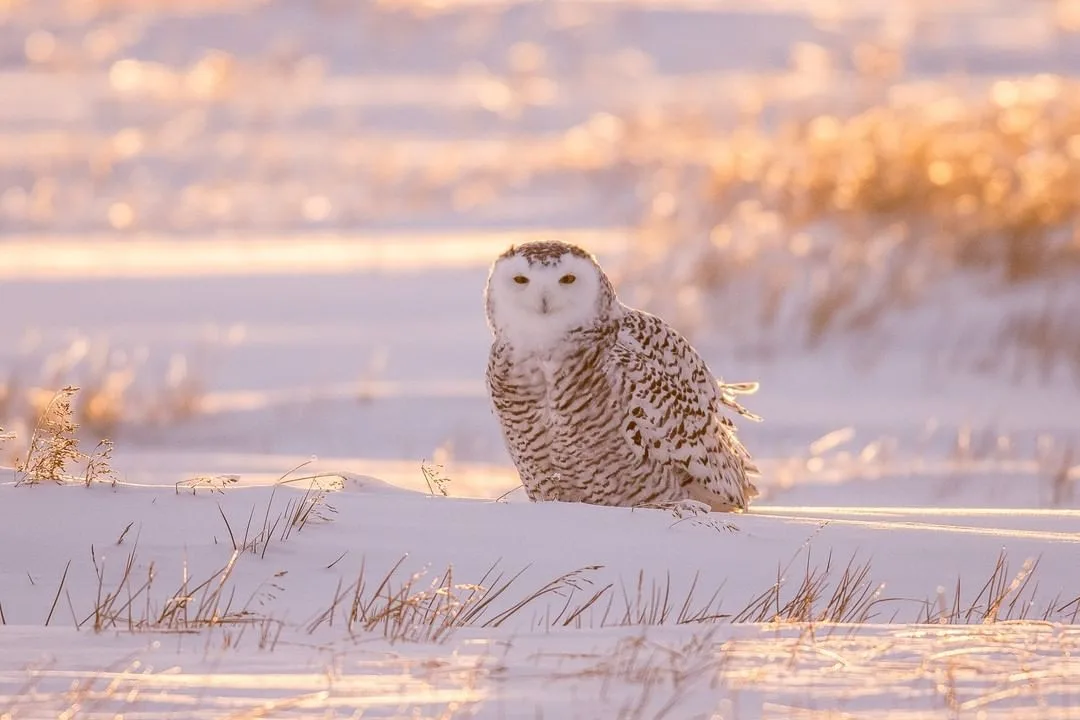
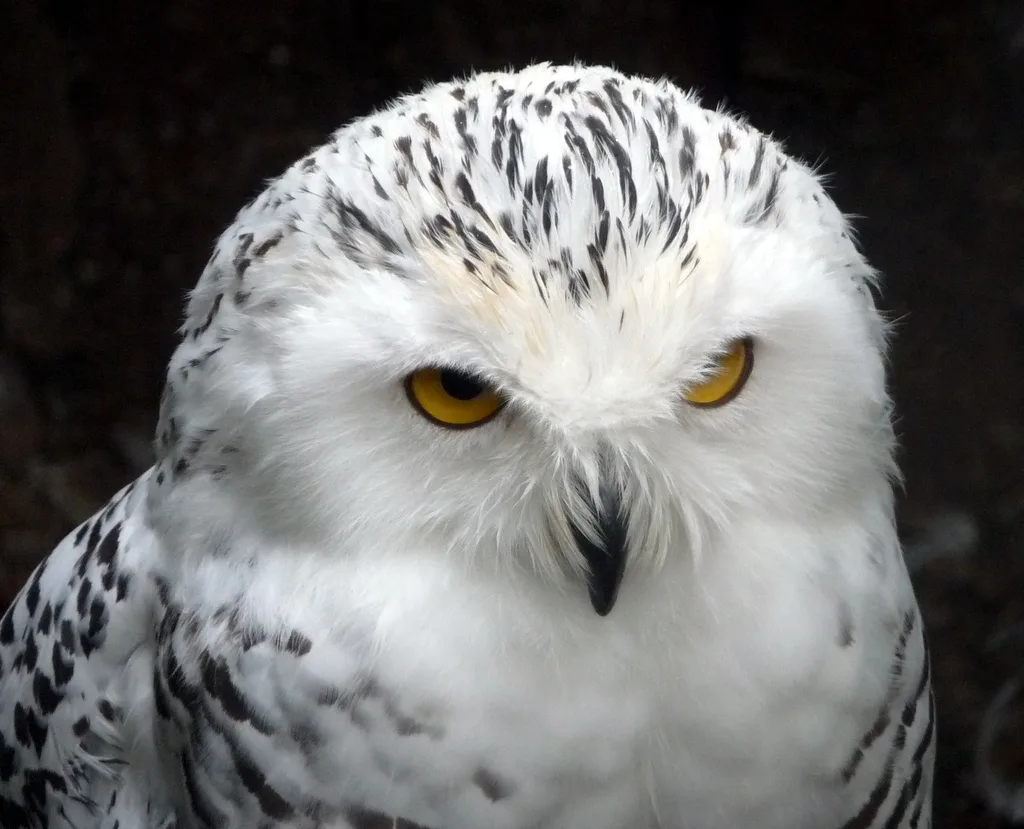
Snowy owls are unmistakable. Adults are predominantly white, with males often being pure white and females and younger birds showing varying amounts of dark barring or spotting. Their large size, typically 20-28 inches long with a wingspan of 4.5 to 5 feet, makes them quite noticeable.
Their piercing yellow eyes are also a distinguishing feature.
Snowy Owl Migration: Common Misconceptions to Avoid
It's easy to fall into common traps when thinking about how animals, especially birds, move across the landscape. With snowy owls, a few misconceptions often pop up. The idea that they migrate solely to escape the cold is one of them.
While winter is a factor, it's not the primary driver; their survival is much more closely tied to food availability.
Another common misunderstanding is that they follow very precise, established routes like many songbirds. Snowy owl movements are far more fluid and opportunistic. Think of it less as a pre-planned road trip and more as an ongoing search for a good meal.
Their range can shift significantly from one year to the next, making predictions less certain than for other migratory species.
Frequently Asked Questions About Snowy Owl Travel
Do snowy owls migrate every year?
Not all snowy owls migrate every year. Their decision to move south is heavily dependent on the food supply in their Arctic breeding grounds. In years with abundant prey, many owls may remain further north, while in leaner years, irruptions southward are more common, especially among younger birds.
How far south do snowy owls typically travel?
Typically, snowy owls spend their winters across southern Canada and the northern United States. This includes regions like the Great Plains, the Great Lakes area, and the northeastern coastal states. While rare, they have been sighted even further south during years with exceptionally large irruptions.
Can you tell a young snowy owl from an adult by its migration pattern?
Younger snowy owls are generally more prone to wandering and undertaking longer southward migrations, especially during irruption years. Adult owls may undertake shorter movements or stay closer to their breeding territories if food remains somewhat available. Their plumage also differs, with younger owls showing more dark markings than pure white adults.