Why Do Swans Hiss
You've likely seen them, those elegant white birds gliding across the water, looking like living sculptures. But sometimes, that graceful facade breaks, and a swan lets out a startling hiss. It’s a moment that makes you pause and wonder, "What's going on there?"
That hiss is their way of communicating, a clear signal they're uncomfortable or feel threatened. It's not random aggression; it's a deliberate warning. As of 2026, ornithological research continues to highlight these vocalizations as crucial elements in avian social dynamics.
Understanding these signals helps us enjoy wildlife responsibly and avoid unwanted encounters.
Quick Answer: Swans Hiss to Warn You Off
Swans hiss primarily as a defensive warning. They use this sound to signal discomfort, territorial claims, or a perceived threat. It’s their way of saying, "Stay back," before escalating their response.
Core Explanation: What That Hiss Really Means
At its heart, a swan's hiss is a form of communication, specifically a defensive vocalization. Think of it as a clear "hands off" sign from the animal kingdom. Swans, particularly Mute Swans (Cygnus olor), employ this sound to deter anything they perceive as a potential danger or an unwelcome intrusion into their personal space.
It’s a signal that precedes more aggressive actions, giving the perceived threat an opportunity to retreat.
Research from various avian behavior studies consistently points to hissing as a primary warning mechanism. It's not usually aimed at being overtly aggressive from the outset, but rather serves as an early indicator of the swan's escalating stress levels. They aren't trying to pick a fight; they are trying to prevent one by clearly stating their boundaries.
This behavior is observed across many species of waterfowl, though the specific nuances of the vocalization can vary.
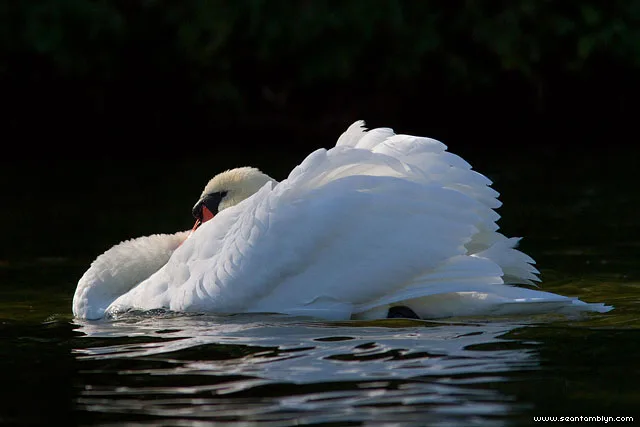
Image source: Bing (Web (fair-use with source credit))
Features & Attributes: The Mechanics of a Swan's Warning
The hiss itself is produced by the swan forcing air from its lungs through its syrinx, the avian equivalent of a larynx. This structure, located at the base of the trachea, allows for a range of vocalizations. When a swan hisses, it’s a specific expulsion of air that creates a sibilant, breathy sound.
This vocalization is often accompanied by distinct body language.
- Neck Posture: Swans typically lower their necks, often arching it into an 'S' shape, and extend it forward. This posture makes them appear larger and more intimidating.
- Wing Position: They may slightly raise their wings, exposing the darker secondary feathers, which adds to their visual threat display.
- Eye Contact: The swan will often fix its gaze directly on the perceived threat, signaling its awareness and intent.
These physical cues, combined with the hiss, create a unified warning system. It’s an efficient way for the swan to communicate its displeasure and potential for further action without expending too much energy. The sound itself is designed to be sharp and attention-grabbing, effectively conveying a sense of urgency and warning.
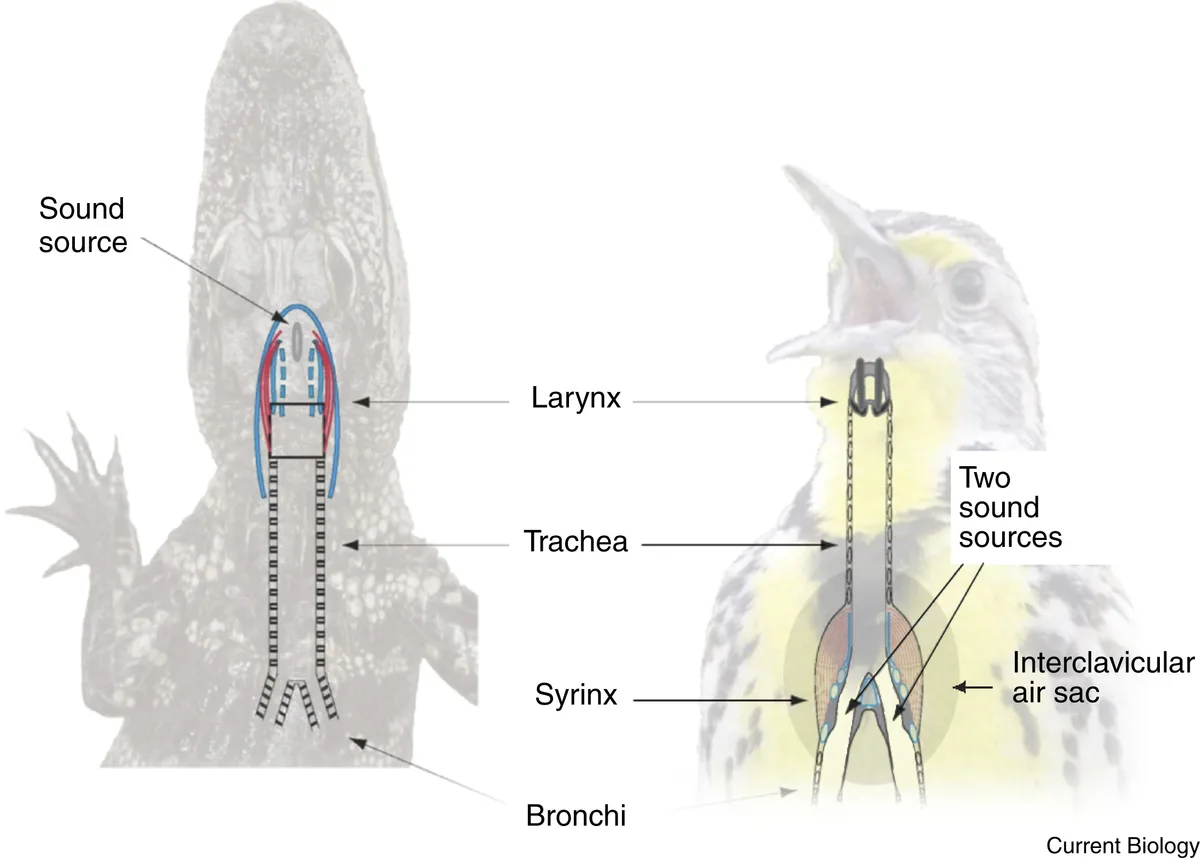
Image source: Bing (Web (fair-use with source credit))
Real Scenarios: When You're Most Likely to Hear a Hiss
You’re most likely to hear a swan hiss in situations where its comfort or safety is compromised. These aren't random outbursts; they are direct responses to specific environmental triggers.
- Territorial Defense: Swans can be very protective of their chosen feeding grounds or nesting sites. If you get too close to an area they consider "theirs," especially during nesting season, a hiss is a common warning. This territoriality is a key aspect of their survival strategy.
- Protecting Cygnets: Parent swans are fiercely protective of their young. If they perceive any threat, real or imagined, to their cygnets, they will hiss aggressively. This is one of the most common times to witness intense hissing and potential further defensive actions.
- Feeling Cornered or Trapped: If a swan feels it has no easy escape route, or if it’s approached too quickly or aggressively, it may hiss as a preemptive strike to ward off the perceived danger. This can happen on land or in water.
- Disruption of Routine: Any significant disruption to their usual activities, such as loud noises or unusual activity nearby, can cause stress leading to hissing. They prefer a predictable and calm environment.
Problems to Avoid: Mistakes When Interacting with Swans
Despite their serene appearance, swans can be powerful birds, and misunderstanding their signals can lead to unpleasant encounters. Most problems arise from humans not respecting their boundaries or misinterpreting their communication.
- Getting Too Close: This is the number one mistake. People often want to get a good photo or simply observe up close, but this invades the swan’s personal space. A general rule from wildlife experts is to maintain a distance of at least 25 feet (about 7.6 meters) from any waterfowl, and often more for swans, especially during nesting season.
- Feeding Swans: While it seems like a friendly gesture, feeding swans can cause them to become habituated to human presence. This can lead them to approach people more readily, increasing the chances of a defensive hiss or even a bite. It also disrupts their natural diet and can lead to health problems.
- Approaching Cygnets: Tourists and locals alike are often drawn to the adorable cygnets. However, getting close to them is a direct challenge to the parent swans, who will react defensively. It's best to admire them from a significant distance.
- Making Sudden Movements or Loud Noises: Swans are sensitive to their environment. Sudden movements or loud noises near them can startle them, triggering a defensive hiss or flight response.

Image source: Web (Bing) / pxhere.com (Web image (fair-use with source credit))
Expert Tips: How to Be a Good Swan Neighbor
Living alongside wildlife means understanding and respecting their space and behaviors. When it comes to swans, a little knowledge goes a long way in ensuring peaceful coexistence. Here’s what seasoned observers and wildlife conservationists recommend.
- Observe from a Distance: Always give swans plenty of room. Think of it as enjoying a wild animal in its natural habitat from a safe and respectful viewing point. Binoculars can be great for getting a closer look without disturbing them.
- Never Block Their Path: Be mindful of their movement, whether they are on water or land. Avoid walking directly between a swan and its intended destination, or between a parent and its cygnets.
- Leash Pets: If you're walking a dog in an area where swans are present, keep your dog on a leash and under control. Dogs can often be perceived as predators by waterfowl.
- Report Distress: If you see a swan that appears injured, entangled, or in distress, do not try to rescue it yourself. Contact your local wildlife rescue organization or animal control. They have the training and equipment to handle such situations safely and effectively.
- Educate Others: Share what you know about swan behavior with friends and family, especially children. Teaching respect for wildlife from a young age is crucial for their well-being and ours.
Following these simple guidelines helps ensure that swans can live their lives undisturbed and that we can continue to enjoy their presence in our natural environments without causing them stress or danger.