Why Can Owls Fly Silently
Ever found yourself amazed by how an owl seems to appear out of nowhere, gliding through the night without a sound? It's a marvel of nature that has puzzled and fascinated people for centuries. The answer to why can owls fly silently isn't magic, but a brilliant combination of specialized feather design and wing structure.
These adaptations aren't just for show; they are crucial for survival. As of 2026, ongoing research continues to refine our understanding of avian aerodynamics. The silent flight allows owls to be highly effective nocturnal predators, essential for both hunting and evading notice.
Quick Answer
Owls fly silently because their feathers have unique adaptations. These include soft, comb-like fringes on the leading edges, a velvety texture on the wing surfaces, and stiff trailing edges. These features break up air turbulence and absorb sound, allowing for near-silent flight.
Why Feather Design is Key to Stealth
The most significant reason owls achieve silent flight lies within the intricate design of their feathers. Think of it like comparing a race car’s sleek tires to a knobby off-road tire; the texture and shape make all the difference in how they interact with the world. For owls, this interaction is with the air.
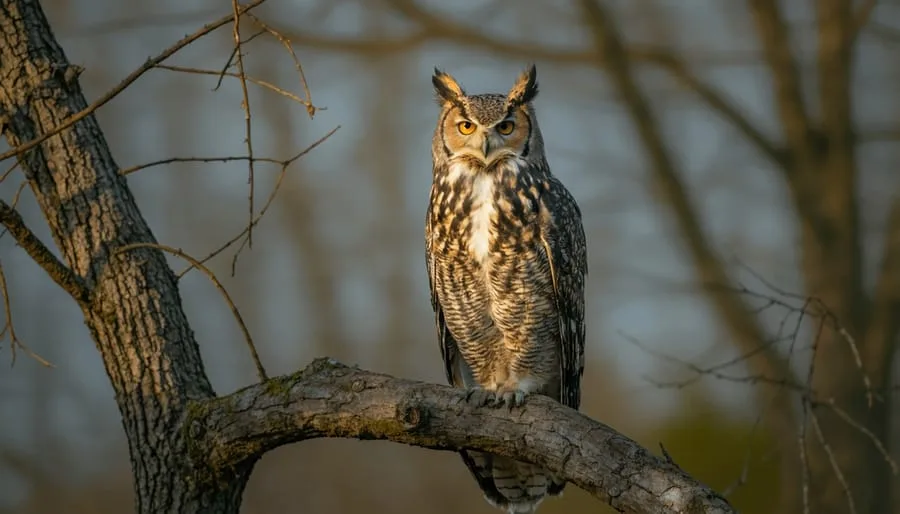
Image source: Bing (Web (fair-use with source credit))
Leading Edge Fringes: Breaking Up the Air
The feathers at the very front of an owl's wings, known as the leading edges, possess a remarkable characteristic: they are fringed. This fringe isn't a solid edge but rather a series of soft, comb-like projections. When the owl’s wings cut through the air, these fringes work to break up the smooth, continuous airflow.
Instead of creating a sharp "whoosh" sound that would alert prey, the fringes diffuse the air pressure. This process significantly reduces the aerodynamic noise generated by the wing in motion.
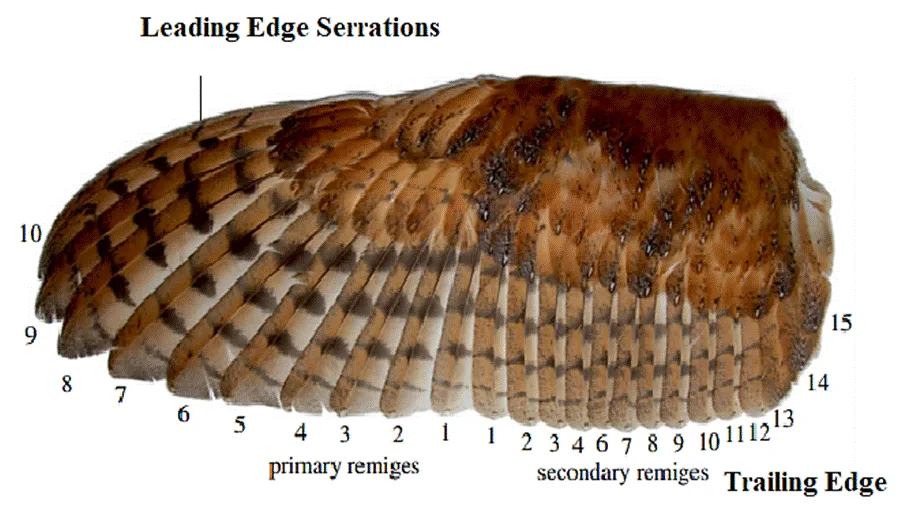
Image source: Bing (Web (fair-use with source credit))
Velvety Texture: Absorbing Sound and Turbulence
Beyond the fringe, the entire surface of an owl’s flight feathers is covered in a soft, downy fuzz. This velvety texture acts like a sound dampener. As air flows over the wings, this soft layer absorbs much of the residual turbulence and noise that might otherwise be created.
It’s a bit like the difference between the sound of a car driving on a paved road versus one on a thick, plush carpet. The carpet absorbs the impact and sound, and the owl's feathers do something similar for the air.
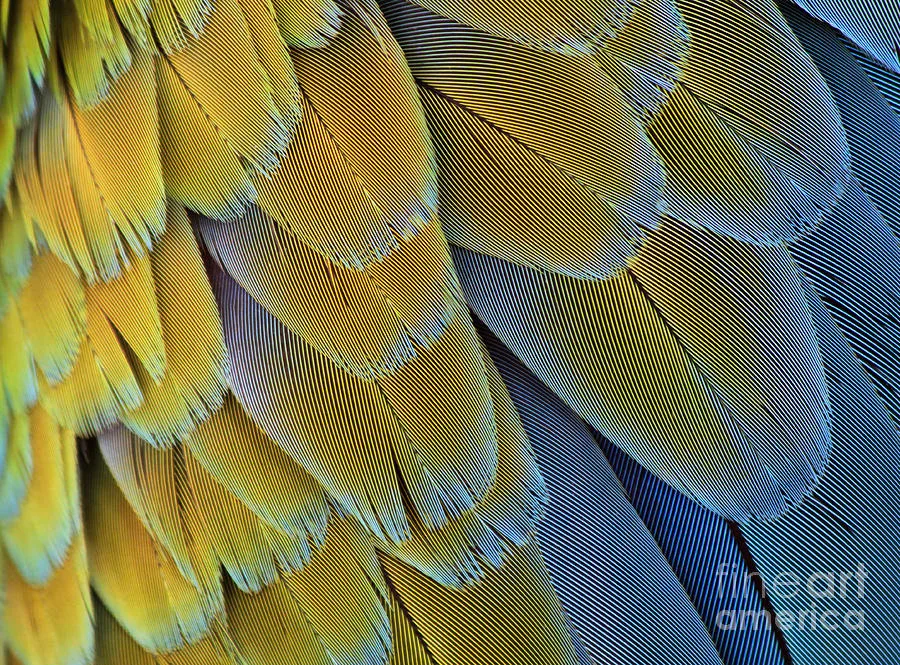
Image source: Bing (Web (fair-use with source credit))
Stiff Trailing Edges: Power Without Noise
While much of an owl's feather structure is geared towards silence, the trailing edges of their wings are typically more rigid. This stiffness is important for providing the necessary support and structure for efficient flight and propulsion. However, the overall design ensures that even with these stiffer sections, the noise generated is minimal, as the preceding soft feathers have already done the bulk of the sound reduction work.
This careful balance allows for powerful wingbeats without the typical sonic disruptions found in other birds.
How Wing Shape Contributes to Silence
While feathers are the primary noise-canceling technology, the overall shape and proportions of an owl's wings are also finely tuned for silent movement. These aren't just random shapes; they are the result of millions of years of evolution favoring stealthy hunters.
Broad Wingspans and Slow Flight
Owls generally have a very broad wingspan relative to their body size. This characteristic allows them to generate significant lift with slower wingbeats. Instead of flapping rapidly and forcefully, they can glide or use slow, deliberate wing movements to stay airborne.
This slower, more controlled flight naturally creates less air disturbance. Less disturbance means less noise, making it easier for them to approach prey undetected. It’s akin to moving through a room slowly and carefully versus barging in noisily.
Rounded Wingtips and Reduced Vortices
Many owl species also have rounded wingtips, a detail that further contributes to their quiet flight. As air flows over a wing, small whirlpools of air, known as wingtip vortices, can form at the tips. These vortices are a source of aerodynamic noise.
By having rounded wingtips, owls can help to minimize the formation and intensity of these vortices. This reduction in air disturbance at the wingtip translates directly to a quieter flight, crucial for a predator that relies on surprise.
The Evolutionary Advantage: Why Silence Matters for Owls
For an owl, silent flight isn't just a cool party trick; it's a fundamental survival mechanism. This specialization gives them a distinct edge in their natural environment, directly impacting their ability to hunt and live another day.
Stealth Hunting and Prey Escape
The primary benefit of silent flight for owls is undeniably their effectiveness as hunters. Their prey, often small mammals like rodents, have acute hearing. A noisy approach would send these potential meals scattering before the owl could even get close.
The owl's ability to swoop down unheard allows it to get within striking distance unnoticed, significantly increasing its hunting success rate. It’s the ultimate advantage in the ongoing evolutionary race between predator and prey.
Survival in Nocturnal Environments
Beyond hunting, silent flight also plays a role in an owl's overall survival. In the darkness of night, sound can be a giveaway. While owls are apex predators in their niche, they can also become prey for larger animals or even other owls.
Moving quietly helps them avoid detection by potential threats. It allows them to navigate their territory with less risk of being discovered by something that might see them as a meal or a competitor.
Common Misconceptions About Owl Flight
Despite the scientific explanations, a few common ideas about owl flight aren't quite right. People often assume their feathers are just "softer" than other birds', but that's an oversimplification. The true innovation lies in the specific types of feather structures and their strategic placement on the wing.
Another misconception is that owls never make noise; while they are incredibly silent flyers, they can produce calls and hoots for communication, which are entirely different from the sounds of flight.
Expert Insights on Avian Aerodynamics
Research from institutions like the National Science Foundation supports the understanding that specialized feather structures are the primary mechanism for silent flight in owls. Studies focusing on the microstructure of owl feathers, particularly the comb-like fringes and the downy vanes, reveal how they interact with airflow to reduce turbulence and dampen sound waves. This scientific consensus highlights the evolutionary precision that allows these birds to master aerial stealth.
For more on the physics of bird flight, resources from university aerospace engineering departments often provide detailed analyses of wing aerodynamics.
Frequently Asked Questions About Silent Flight
How do owls produce sound if they can fly silently?
Owls produce sounds like hoots and screeches for communication, such as mating calls or territorial warnings. These vocalizations are generated by their syrinx, located in their throat, and are separate from the sounds produced by their wings during flight.
Are all owls silent flyers?
While most owl species exhibit adaptations for silent flight, the degree of silence can vary. Smaller owls and those with less specialized feather structures might produce slightly more noise than larger species like the Great Horned Owl or the Barn Owl, which are renowned for their stealth.
Can other birds fly silently?
Some other birds, like nightjars and some seabirds, also have feather adaptations that reduce flight noise, though owls are generally considered the masters of silent flight due to their highly specialized and comprehensive feather design.
How is owl feather structure different from other birds?
Compared to songbirds or even other raptors, owl flight feathers possess distinct comb-like fringes on their leading edges and a soft, velvety coating across their surfaces. These features are specifically evolved to manage airflow and absorb sound, a level of adaptation not found in most other avian species.
What is the primary purpose of an owl's silent flight?
The primary purpose is predation. Silent flight allows owls to ambush their prey, which often have excellent hearing, without alerting them to their presence. This stealth is crucial for their success as nocturnal hunters.