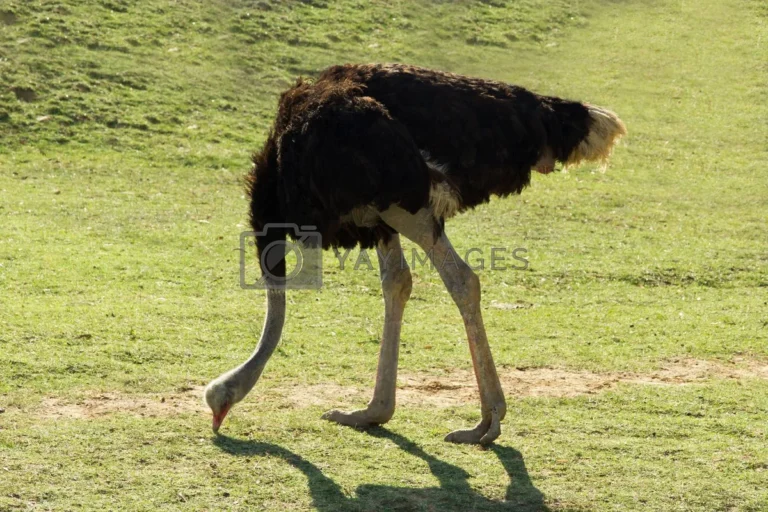
Which Bird Has the Longest Lifespan
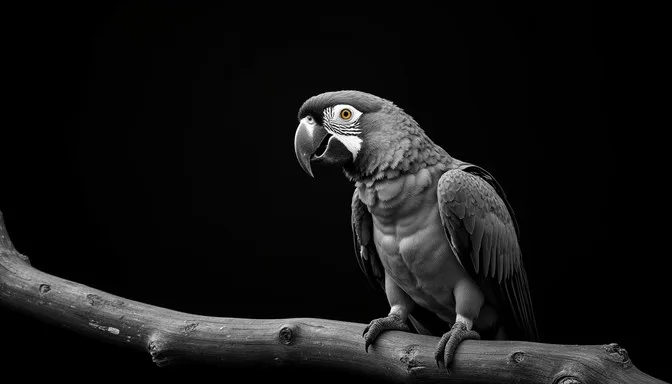
Image source: Bing (Web (fair-use with source credit))
The Birds That Live the Longest: Unpacking Avian Longevity
Ever wonder which feathered friend sticks around the longest? When you ask "which bird has the longest lifespan," you're tapping into a fascinating corner of the natural world where some species truly defy the clock. It's a question that sparks curiosity about nature's extremes and the remarkable resilience of certain avian species.
Our research shows that while many small songbirds might only live a few years, some birds can live for many decades. For instance, official zoo records indicate that certain large parrot species, like the Scarlet Macaw, have been reliably documented living over 70 years in human care, sometimes even approaching 100. Let's dive into the specifics of these incredible long-lived birds.
Quick Answer: Which Bird Species Top the Lifespan Charts?
Large parrots, including macaws and cockatoos, consistently exhibit the longest lifespans. These intelligent birds can live over 70 years. Large birds of prey like eagles and condors also live for many decades, often reaching 50-60 years.
Albatrosses, the great seabirds, can live for over 60 years in the wild.
Understanding Bird Lifespan: Key Factors at Play
When we talk about how long a bird lives, it's not just a random roll of the dice. A bird's lifespan is influenced by a combination of factors, from its biology to its environment. It's a complex interplay that determines whether a bird might live for a few years or many decades.
What Influences How Long a Bird Lives?
Several key elements contribute to a bird's longevity. For starters, a bird's size often plays a role; larger species generally tend to live longer than smaller ones. Think of it like this: smaller animals often have faster metabolisms, burning through their energy quicker, which can sometimes correlate with shorter lifespans.
Other significant factors include the bird's diet, its environment, and the threats it faces. Birds that have reliable access to nutritious food and live in areas with fewer predators have a better chance at a longer existence. Additionally, a bird's intelligence and social complexity can contribute, enabling them to better navigate challenges and avoid dangers.
Captive vs. Wild: The Lifespan Difference
The environment a bird lives in makes a massive difference to its potential lifespan. In the wild, birds face constant challenges: finding food, avoiding predators, surviving harsh weather, and dealing with disease or injury. These elements can significantly shorten their lives.

In contrast, birds kept in captivity, whether in zoos, sanctuaries, or as pets, often enjoy protection from these dangers. They typically have consistent access to food, clean water, and veterinary care. This controlled environment, free from predation and environmental extremes, allows many species to reach the upper limits of their genetic lifespan, often significantly longer than their wild counterparts.
For example, official records from the Association of Zoos and Aquariums (AZA) consistently show captive individuals outliving wild populations for many species.
Top Bird Species Known for Extreme Longevity
When you look at the longest-lived birds, a few groups consistently stand out. These aren't just birds that live a bit longer; they are species that have been documented living for more than half a century, and in some cases, approaching a full century. Their remarkable longevity is a testament to their unique adaptations and, in many cases, the care they receive.
The Parrot Family: Intelligent Longevity Champions
Parrots are undeniably the superstars when it comes to avian lifespans. Their intelligence, complex social behaviors, and often their long-term bond with humans in captivity contribute to their impressive age records. These birds are not just pets; they are intelligent beings that can form deep connections.

Species like the Scarlet Macaw, Molucan Cockatoo, and African Grey Parrot are known to live for many decades. It's not uncommon for them to reach 50, 60, or even 70 years in captivity. Some individual stories, though anecdotal, suggest even higher ages, pushing past 80 or 90 years.
This means owning one of these birds is a commitment for life, and then some. Their ability to learn, solve problems, and mimic sounds points to a level of cognitive function that might also be linked to their extended lifespan.
Majestic Raptors and Seabirds: Masters of Their Domains
While parrots often steal the spotlight for longevity, other bird groups also boast impressive lifespans, particularly those at the top of their food chains or with vast, relatively safe habitats. These birds often have slower metabolisms and fewer natural threats once they mature. Their long lives are often a result of their ecological niche.
Birds of prey, such as eagles and condors, are known for their extended years. These powerful predators, once they reach adulthood, face few enemies. In the wild, lifespans of 40 to 60 years are not unusual for species like the Bald Eagle.
Then there are the albatrosses, the world's largest flying birds. These incredible seabirds spend the majority of their lives at sea, covering vast distances. Their oceanic home offers protection, and their slow reproductive rate is mirrored by a slow aging process.
Documented individuals have been recorded living well into their 60s, proving their remarkable resilience and long-term survival capabilities.
Comparing Lifespans: Species-by-Species Breakdown
Understanding which birds live the longest is more than just a trivia question; it offers insights into evolutionary strategies and the factors that promote longevity across different species. When we look at the data, some birds clearly outrank others by a significant margin.
Albatrosses: Decades at Sea
Albatrosses are truly remarkable for their ability to live so long while navigating the immense oceans. These birds are built for endurance, with their large wingspans allowing them to glide for hours, even days, without flapping. This efficiency, combined with the vastness of their oceanic environment, significantly reduces their risks.
- Typical Lifespan (Wild): 50-60 years.
- Notable Individuals: The famous "Wisdom" Laysan Albatross has been tracked by researchers for decades and is estimated to be at least 70 years old, making her the oldest known wild bird.
- Best For: Understanding extreme wild avian longevity and adaptation to marine environments.
Eagles & Condors: Apex Predator Lifespans
As apex predators, eagles and condors sit at the top of their respective food chains. This position often means they have fewer natural threats to contend with once they reach adulthood. Their powerful build, keen senses, and broad territories contribute to their survival over many years.
- Typical Lifespan (Wild): 40-60 years for larger species like Bald Eagles and Golden Eagles.
- Condors: Can also reach similar ages, with some individuals in captivity exceeding 70 years.
- Best For: Studying the longevity of highly efficient predators and their role in ecosystems.
Large Parrots (Macaws, Cockatoos, Greys): Long-Term Companions
When it comes to sheer documented age, particularly in human care, large parrot species are unparalleled. Their intelligence and capacity for forming strong social bonds are key factors. In captivity, where they are protected and often receive dedicated care, their lifespans are extended dramatically.
- Typical Lifespan (Captive): 50-80 years is common for many large species.
- Record Holders: Several individuals have reportedly lived into their 90s, with some unconfirmed accounts approaching 100 years.
- Best For: Demonstrating how a protected environment and cognitive stimulation can maximize a bird's inherent lifespan, and highlighting the significant commitment required for pet ownership.
Who Is This Information For? Understanding the Audience
This deep dive into bird lifespans is for anyone with a curious mind about the natural world, but it holds particular significance for specific groups. Understanding which birds live the longest isn't just trivia; it informs decisions and fosters appreciation.
Bird Owners and Potential Owners
For those considering or already owning a large parrot species like a macaw or African Grey, this information is critical. Knowing that these birds can live for 60, 70, or even more years is a profound responsibility. It means a commitment far beyond that of a smaller pet, requiring long-term planning for their care, finances, and even their future if owners can no longer care for them.
It underscores the importance of choosing a species that truly fits your life for the long haul.
Nature Enthusiasts and Researchers
Beyond pet ownership, this topic fascinates anyone interested in ornithology, animal behavior, and evolutionary biology. Researchers can study the physiological and environmental factors contributing to exceptional longevity in these species. For general nature enthusiasts, it offers a glimpse into the incredible diversity of life and the remarkable adaptations birds have developed to survive and thrive over extended periods.
It highlights the resilience and varied life strategies within the avian kingdom.
Common Misconceptions About Bird Lifespans
It's easy to fall into common traps when thinking about how long birds live. Many assumptions are made that don't quite hold up under scrutiny. Understanding these misconceptions helps paint a clearer, more accurate picture of avian longevity.
One widespread idea is that all small birds have very short lifespans, perhaps only a year or two. While many do live short lives due to the challenges of the wild, our research shows that with consistent care and protection in captivity, some smaller species can live considerably longer than their wild counterparts. For example, pet budgerigars (budgies) can often live for 10-15 years, far exceeding the average wild lifespan.
Another misconception is that lifespan is solely determined by species size. While larger birds tend to live longer, this isn't a strict rule. Intelligence, metabolism, and environmental stability play equally crucial roles.
An extremely intelligent, well-cared-for parrot can outlive a much larger, less protected bird of prey in the wild. It's a complex equation, not a simple correlation.
Expert Tips on Maximizing Bird Lifespan (When Applicable)
While we can't directly influence the wild lifespan of a bird, for those caring for parrots or other long-lived species, there are definite steps you can take to help them live their longest, healthiest lives. This isn't about making them live unnaturally long, but ensuring they reach their full genetic potential free from preventable issues. Expert avian care emphasizes a holistic approach.
This involves more than just providing food and water. It requires a deep understanding of the specific species' needs, from diet and environment to mental stimulation and social interaction. As avian veterinary research indicates, proper husbandry is key to preventing common health problems that can shorten a bird's life.
This proactive care is what separates a merely living bird from a thriving one.
Does Diet Really Matter for Longevity?
Absolutely. A balanced, species-appropriate diet is fundamental for a long and healthy life in birds, especially parrots. These intelligent birds have complex nutritional needs that can't be met by seeds alone.
In our research, diets lacking essential vitamins and minerals are consistently linked to a range of health issues, including immune deficiencies, organ damage, and behavioral problems, all of which can impact lifespan.
A diet rich in fresh fruits, vegetables, and specialized avian pellets, as recommended by avian nutritionists, provides the necessary vitamins, minerals, and antioxidants. For example, vitamin A deficiency is common in seed-only diets and can lead to respiratory and eye problems. Conversely, a varied diet supports a strong immune system, good feather quality, and optimal organ function, directly contributing to overall health and longevity.
What About Mental Stimulation and Social Needs?
For highly intelligent birds like parrots, mental stimulation and social interaction are just as critical as diet and physical health. These birds are naturally social and inquisitive. Without adequate mental engagement, they can develop severe behavioral problems such as feather plucking, self-mutilation, and aggression.
These issues are not just about distress; they can lead to physical health complications. A bored or socially isolated bird is more prone to stress-related illnesses, which can shorten its life. Providing a variety of safe toys, opportunities for training, and consistent social interaction helps keep their minds sharp and their emotional well-being intact, contributing to a longer, happier life.
Environmental Enrichment: More Than Just a Cage
The environment you provide for a long-lived bird significantly impacts its health and happiness. A cage, while necessary, should be seen as a basecamp, not a prison. For longevity, think about enrichment, providing varied textures, perches of different diameters and materials, and safe spaces for exploration.
This also includes exposure to natural light (indirectly, of course, to avoid overheating), fresh air, and even varied auditory stimulation. Understanding a bird's natural habitat and mimicking aspects of it within your home can reduce stress and promote natural behaviors. For instance, varied lighting cycles can help regulate a bird's internal clock, promoting better sleep and overall health.
Veterinary Care: Proactive vs. Reactive
Regular veterinary check-ups are non-negotiable for birds with long lifespans. Many avian diseases show subtle symptoms early on, and a qualified avian veterinarian can detect these issues before they become serious. Think of it as preventative maintenance for your feathered companion.
This proactive approach, supported by veterinary organizations like the Association of Avian Veterinarians, can catch problems like metabolic bone disease, internal parasites, or early signs of organ failure. Early diagnosis and treatment are far more effective and less stressful for the bird, ultimately contributing to a healthier, longer life compared to waiting until symptoms are severe.
Frequently Asked Questions About Long-Lived Birds
How long does a typical small songbird live?
Small songbirds in the wild typically live for only 2 to 5 years. Factors like predation, food scarcity, and harsh weather limit their lifespan. In protected captive environments, some can live longer.
Do all parrots live for a very long time?
No, not all parrots live for a very long time. While large parrot species like macaws and cockatoos are known for their extreme longevity, smaller parrot species, such as budgerigars, have shorter lifespans, though still longer than many wild songbirds.
Are there any birds that live over 100 years?
While documented cases are rare and often debated, there are reports and strong indications of some large parrots living into their late 80s and 90s, approaching 100 years. However, reliably verifying ages beyond 80 years in birds can be challenging.
Why do seabirds like albatrosses live so long?
Seabirds like albatrosses benefit from a relatively safe marine environment with fewer predators and efficient energy use during flight. Their slow reproductive rate is also often linked to a slower aging process and longer lifespans.
What are the biggest risks to a bird's lifespan in the wild?
The biggest risks to a bird's lifespan in the wild include predation by other animals, lack of consistent food and water sources, exposure to extreme weather, diseases, and injuries from environmental hazards or accidents.