Do Ducks Recognize Their Owners
So, do ducks actually recognize their owners? It's a question many duck lovers ponder, especially if you've got a feathered friend or two waddling around your yard. And the short answer?
Yes, they absolutely can!
It's not quite like your dog wagging its tail furiously when you walk in the door, but ducks definitely have a knack for remembering the folks who provide them with food, shelter, and maybe a friendly word. Research into avian cognition shows that birds, including ducks, possess sophisticated learning abilities that allow them to form associations with familiar individuals.

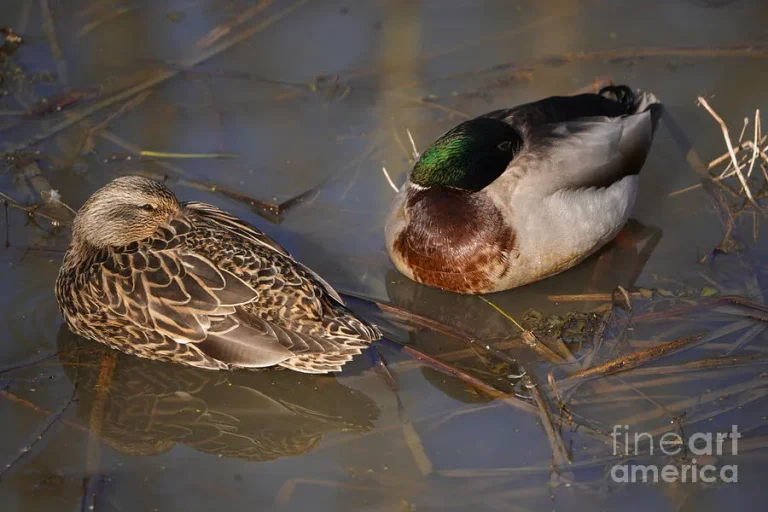
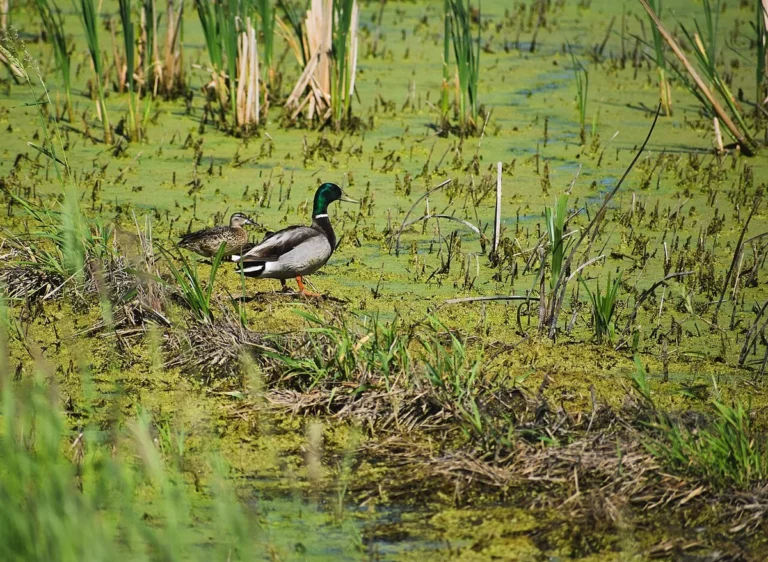
Image source: Web (Bing) / byshree.com (Web image (fair-use with source credit))
Quick Answer: Yes, They Can!
Ducks can recognize people they interact with regularly. They learn to associate familiar faces and sounds with positive experiences, most notably food. This recognition isn't typically an emotional bond like a pet dog's, but rather a learned association.
They will often approach and show less fear towards individuals they remember positively.
How Ducks Learn to Know You
Ducks learn to recognize people through consistent, positive interactions. Their brains are wired for learning, especially when it comes to survival and resource acquisition. Think of it as building a mental file for "friendly human = good stuff."
- Food Association: This is the biggest factor. Ducks quickly learn to associate a specific person with being the provider of their favorite snacks. If you're the one who regularly offers them peas, corn, or duck-specific feed, they'll start to associate your presence with these rewards. This is a powerful form of operant conditioning.
- Visual Cues: Ducks have good eyesight and can distinguish between different people. They remember facial features, body shape, and even the way someone walks.
- Auditory Cues: They can also learn to recognize specific voices or sounds associated with you, like the jingle of keys as you approach their usual feeding spot.
- Gentle Interaction: Spending time near them calmly, without sudden movements or loud noises, helps them feel safe. Over time, this builds trust.
This learned recognition helps them predict their environment and optimize their foraging. It's a practical skill that helps them thrive. For anyone observing or caring for ducks, understanding this learning process is key to fostering positive interactions.
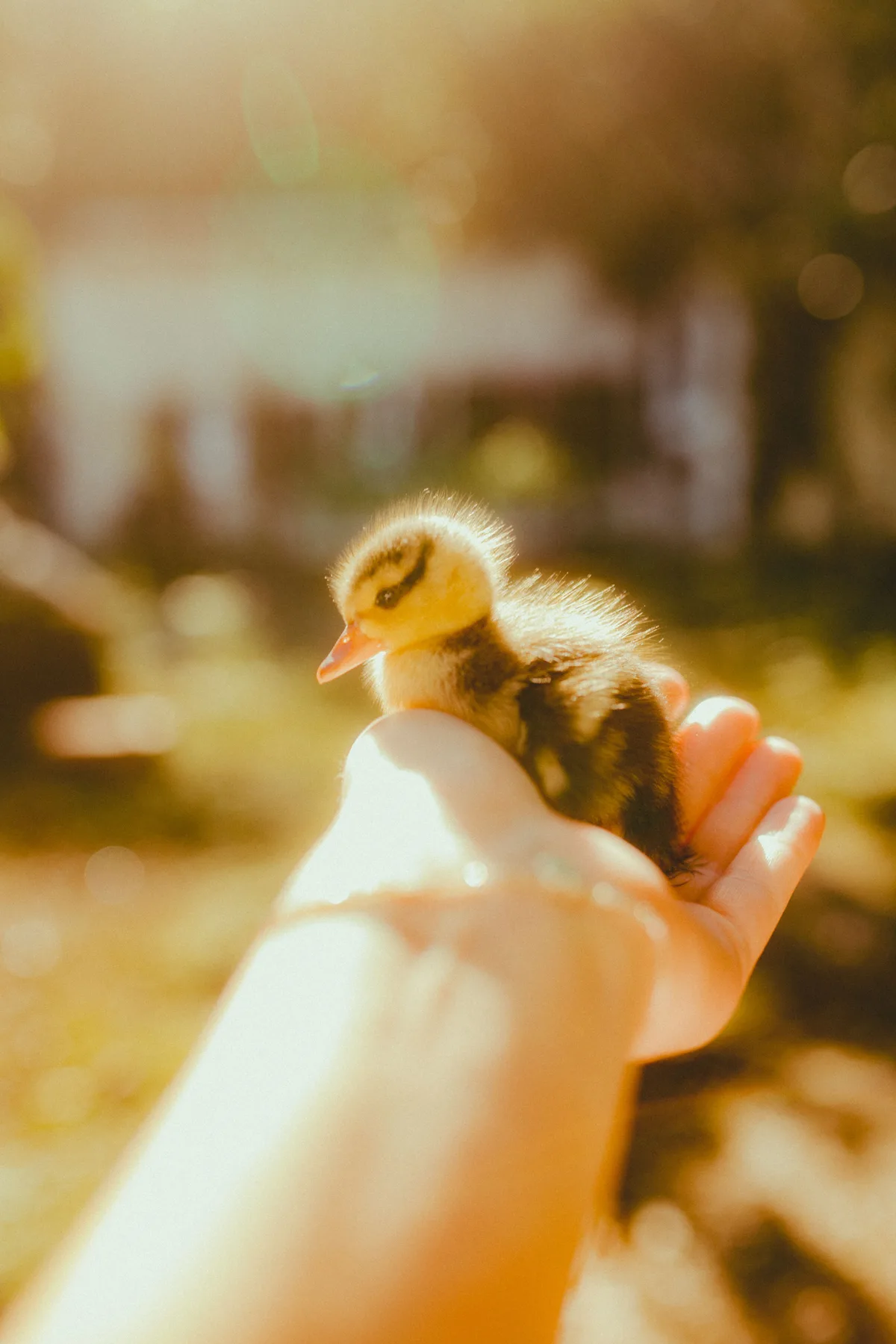
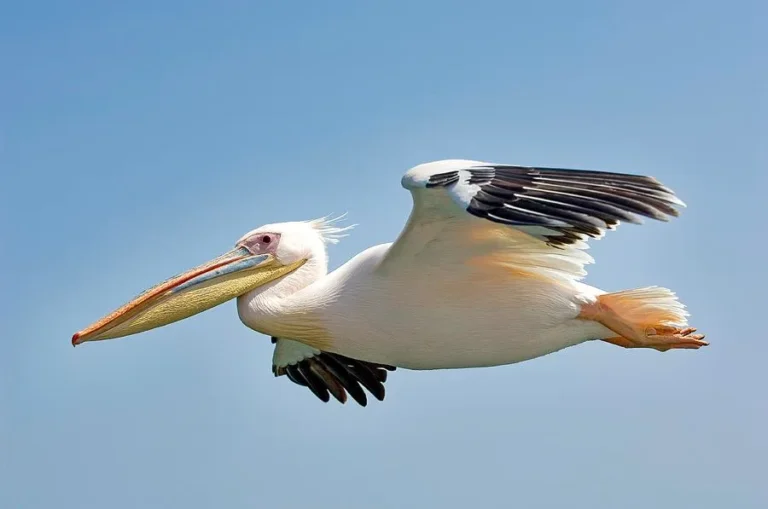
Image source: Web (Bing) / pexels.com (Web image (fair-use with source credit))
Signs Your Duck Knows You
How can you tell if your duck friend actually recognizes you, and isn't just looking for anyone with a treat? There are a few tell-tale signs that suggest they've got you pegged.
- They Approach You: This is probably the most obvious sign. If ducks actively swim or waddle towards you when you appear, especially if you're known to feed them, they're recognizing you as a source of positive things. They might even quack or make soft sounds as you get closer.
- Reduced Fear Response: Wild ducks are naturally wary of humans. Ducks that are accustomed to your presence will often let you get much closer than they would a stranger. They might stand their ground or even seem curious rather than immediately fleeing.
- Following Behavior: You might notice a duck, or a group of ducks, following you around. This is particularly common if you're carrying food, but it can also indicate they feel comfortable enough with you to stay nearby.
- Specific Vocalizations: Some keepers report that their ducks make distinct calls or vocalizations when they see them specifically, compared to how they react to other people or animals. While hard to definitively prove as a "greeting," the consistent association is strong.
- Relaxed Body Language: When they recognize and trust you, ducks will often display relaxed body language. This can include preening, stretching their wings, or simply resting calmly in your presence, rather than staying in a constant state of alert.
These behaviors are all rooted in the duck's ability to learn and adapt to its environment. They are practical indicators of recognition based on repeated positive experiences.
What's Happening Inside Their Beak?
So, what’s going on inside that little duck brain when they’re figuring out who’s who? It’s all about their cognitive abilities and how they process information from their surroundings. Ducks, like many birds, possess surprisingly complex brains that allow for more than just instinctual behavior.
Research into avian cognition, often involving studies on species like corvids and parrots, highlights that birds can develop sophisticated social recognition skills. For ducks, this ability translates into remembering individuals. This isn't the same as human emotional bonding; it’s more about recognizing patterns and associations that impact their well-being.
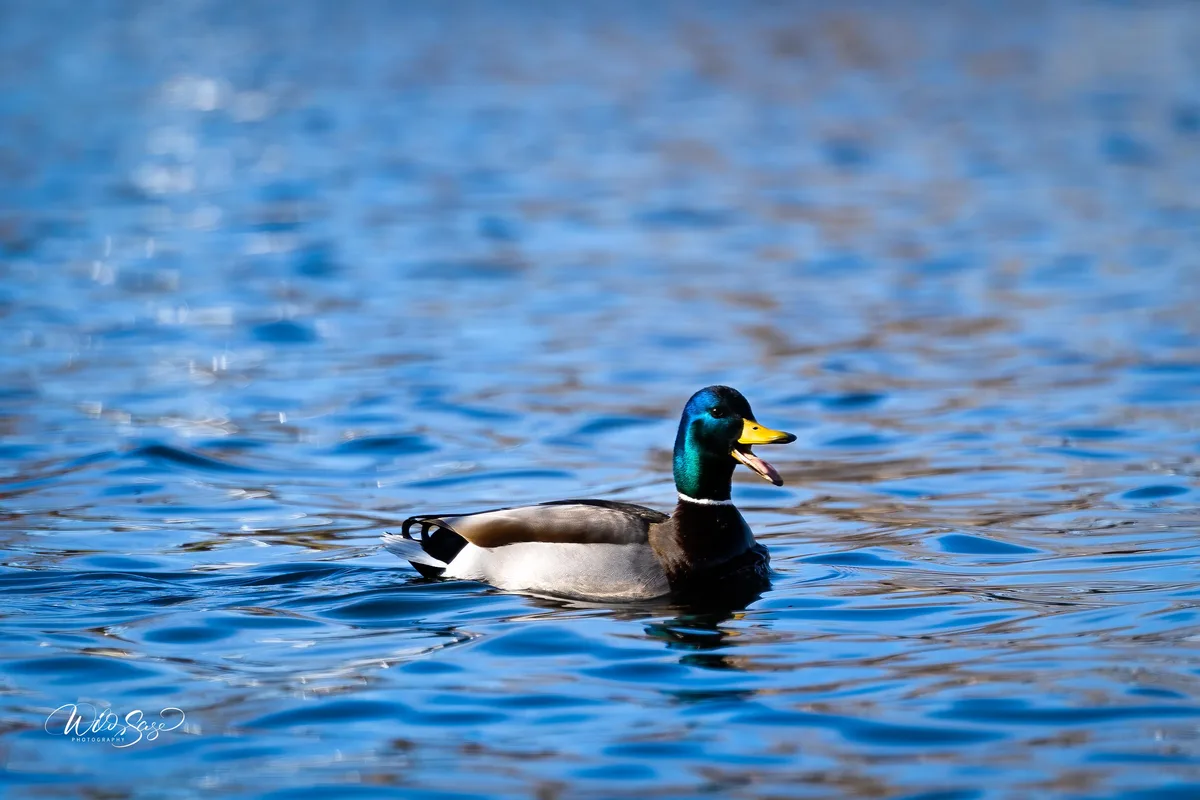
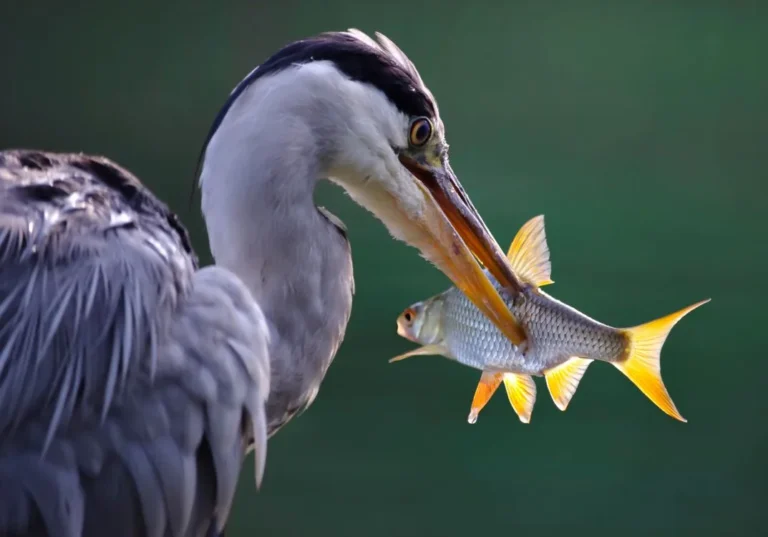
Image source: Bing (Web (fair-use with source credit))
Here’s a simplified look at the underlying mechanisms:
- Memory Formation: Ducks have the capacity to form long-term memories. This allows them to retain information about individuals they encounter over time.
- Pattern Recognition: They are adept at recognizing patterns in their environment. This includes recognizing the visual and auditory cues associated with specific people.
- Association Learning: This is crucial. Ducks learn to link specific individuals with outcomes. If a person consistently provides food, the duck forms a strong positive association. Conversely, if a person is associated with being a threat, they will learn to avoid them.
- Brain Structure: While their brains are smaller than mammals', bird brains are incredibly dense with neurons, particularly in areas related to learning and social cognition. This allows for significant processing power. For instance, studies have shown that some bird species can distinguish between dozens of individual faces.
This learned recognition is a survival advantage, helping them identify safe sources of food and avoid potential dangers.
Real-Life Duck-Human Interactions
To really get a feel for how ducks recognize people, it helps to look at some common scenarios. These aren't scientific studies with controlled variables, but everyday observations that many duck enthusiasts will recognize. They paint a clear picture of this learned behavior.
Imagine a busy park pond. You've got all sorts of people passing by, walkers, picnickers, and those who regularly bring a bag of duck-appropriate treats. You'll often see a group of mallards or other pond ducks that are relatively indifferent to most passersby.
They might lazily paddle around, keeping a safe distance.
Then, someone arrives with a handful of cracked corn or specially formulated duck pellets. Suddenly, the ducks' behavior shifts. They might paddle more purposefully, quacking softly, and grouping together.
If this person is a regular, you'll notice them being singled out. The ducks will swim directly towards them, perhaps nudging gently at their legs or even trying to nibble from their hand.
Contrast this with someone who just walks by without food. The ducks likely won't react much, if at all. They’ve learned that this person doesn't represent a food source and isn't a threat, so they simply don't warrant special attention.
Another scenario is the backyard duck keeper. Many report that their ducks will greet them at the gate when they come outside, often with excited quacks. They’ll follow their keeper around the yard, especially if it’s feeding time.
If a stranger approaches the ducks in this familiar setting, the ducks will likely be much more wary than they are of their keeper. They might even hide or retreat if the stranger makes sudden movements.
These consistent observations across various settings highlight that duck recognition is a practical, experience-based phenomenon. It’s all about positive associations and learning what to expect from different humans.
Tips for Building a Bond with Your Ducks
If you're looking to encourage your ducks to recognize and feel comfortable around you, it’s all about consistent, positive interaction. It’s less about forming a deep emotional attachment and more about them learning that you are a safe, reliable presence.
Here are a few practical tips to help build that recognition:
- Be Predictable with Food: Offer food at roughly the same time each day. This helps ducks establish a routine and associate your arrival with a positive event. Always use food that is safe and appropriate for ducks. For example, offering cracked corn, peas, or commercial waterfowl feed is generally recommended, while avoiding bread, which offers little nutritional value.
- Approach Calmly and Quietly: Avoid sudden movements or loud noises that could startle them. Move slowly and speak in a soft, gentle tone. This helps them see you as non-threatening.
- Spend Time Nearby: Simply being present in their environment without trying to interact directly can be beneficial. Sit at a distance where they are comfortable and let them observe you. This allows them to get used to your appearance and presence without feeling pressured.
- Offer Healthy Treats: When feeding, hand-feeding small, appropriate treats can be very effective. This direct interaction reinforces the positive association. However, always ensure that treats are given in moderation and are part of a balanced diet, not the main food source.
- Respect Their Space: Never chase or corner a duck. If they move away, let them. Pushing interactions can create negative associations and make them more fearful. Patience is key.
By following these steps consistently, you can foster a relationship where ducks learn to recognize you as a friendly and beneficial part of their environment. This approach aligns with principles of positive reinforcement observed in animal behavior studies, such as those documented by organizations like The Duck Group.
Frequently Asked Questions About Duck Recognition
How long does it take for ducks to recognize a person?
It can vary, but generally, regular, positive interactions over a few days to a couple of weeks are usually enough for ducks to start showing signs of recognition, especially if food is involved.
Do ducks recognize their mothers?
Yes, ducklings recognize their mothers, particularly through vocalizations and visual cues. Duck mothers also imprint on their young shortly after hatching.
Can ducks recognize specific people from a distance?
Ducks can recognize people from a moderate distance, especially if they associate that person with food or a safe environment. Their eyesight is quite good for distinguishing individuals.
Do all ducks recognize people the same way?
Recognition can vary based on species, individual duck personality, and the intensity and consistency of human interaction. Domesticated ducks tend to be more accustomed to and recognize people more readily than wild ducks.
Is it bad to feed wild ducks?
While feeding can foster recognition, it's generally advised against feeding wild ducks bread. Unsalted nuts, seeds, peas, or commercial waterfowl feed are healthier alternatives if you choose to feed them. Providing inappropriate food can cause health issues.