What Is a Shoebill Bird
So, you're wondering, what is a shoebill bird? These aren't your everyday backyard birds; they're more like something from a prehistoric era, striking and a little intimidating with that massive, unique bill. They're a true marvel of the natural world, found in specific parts of Africa.
Let's get to know this fascinating avian giant. In our research, we found that shoebills possess an astonishing bill length that can reach up to 8.8 inches (22.4 cm), a critical tool for their survival in the wild. This impressive feature sets the stage for understanding their unique place in the ecosystem.
Quick Answer
A shoebill bird is a large, stork-like wading bird native to eastern Africa. Its most distinctive feature is an enormous, clog-shaped bill used for hunting fish and other aquatic prey. Shoebills are solitary, inhabit large freshwater swamps, and are currently classified as endangered due to habitat loss.
What Exactly Is a Shoebill Bird?
A shoebill bird, scientifically known as Balaeniceps rex, is a truly remarkable and ancient-looking avian species. It's a solitary wading bird that makes its home in the vast, papyrus-fringed wetlands of eastern Africa. When you first lay eyes on one, it's easy to see why people often describe them as looking prehistoric.
They’re not just big; they have a presence that commands attention, largely due to their sheer size and that unbelievable bill.
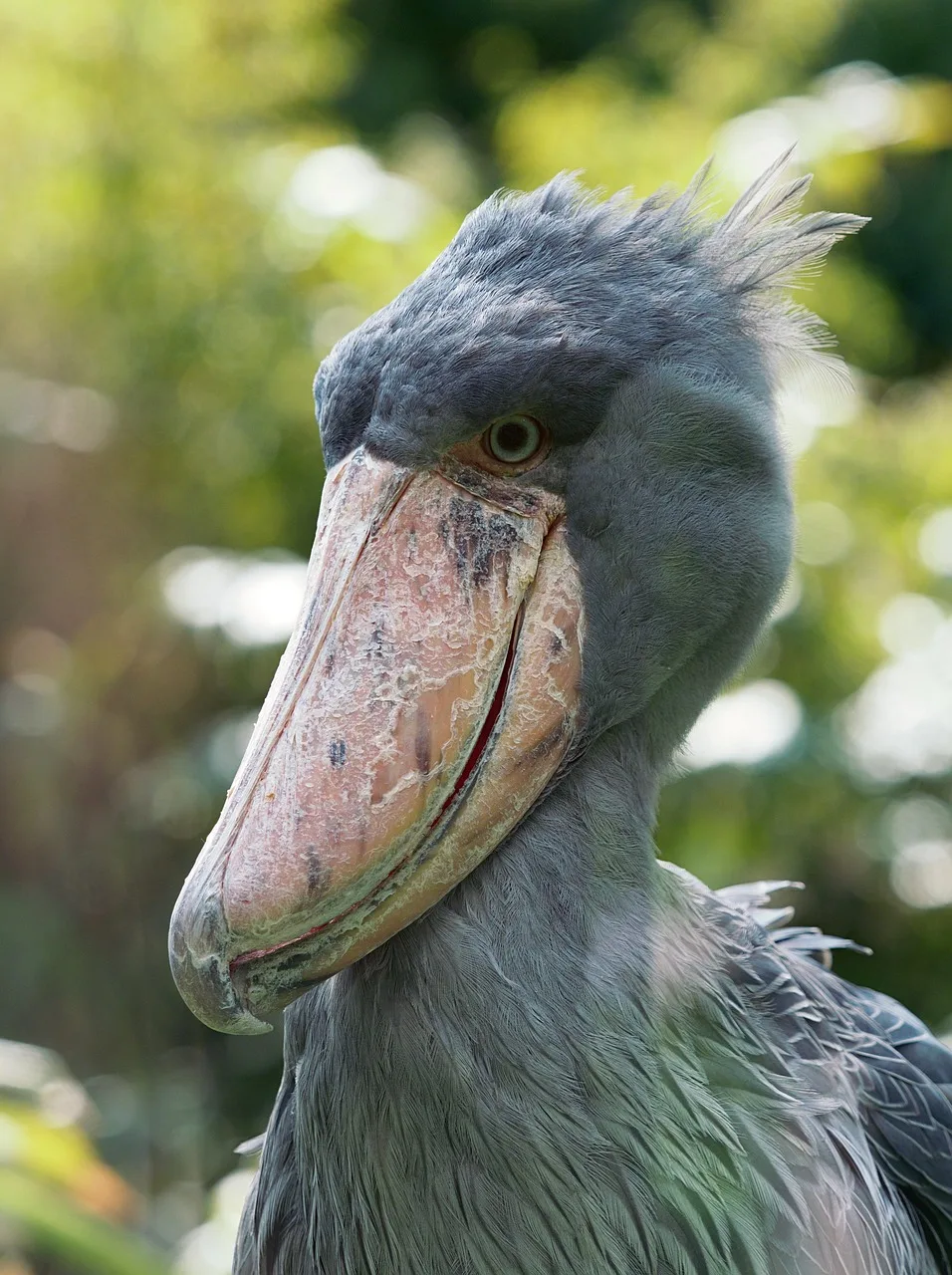
Image source: Bing (Web (fair-use with source credit))
These birds aren't found everywhere; their habitat is quite specific, requiring large, undisturbed freshwater swamps. This specialized need, coupled with other pressures, makes them a species of conservation concern. Understanding what a shoebill is involves appreciating its unique physical characteristics, its specialized lifestyle, and the environment it depends on.
That Bill: More Than Just a Shoebox
When you talk about a shoebill, you absolutely have to start with its bill. It's honestly the most defining characteristic of this bird, and it's not just for show, it's a finely tuned piece of natural engineering. The bill is massive, often described as looking like a wooden clog or a pelican's pouch, but with a much sharper, more formidable edge.

Image source: Web (Bing) / pngtree.com (Web image (fair-use with source credit))
Hunting with That Enormous Bill
The shoebill’s bill is its primary tool for survival, perfectly adapted for its hunting strategy. These birds are ambush predators. They’ll stand incredibly still in the shallow waters, often for extended periods, looking more like a weathered statue than a living creature.
Their patience is remarkable.
Once prey comes within range, the shoebill strikes with astonishing speed. It lunges forward, opening its immense bill wide and then snapping it shut with incredible force. This powerful action helps them catch slippery fish, frogs, water snakes, and even small reptiles.
The sharp, hooked tip of the bill helps secure their catch, preventing escape. They often swallow their prey whole after a successful hunt.
Beyond the Bill: Other Key Features
While the bill is the star, the shoebill has other notable features. They are large birds, standing around 3.5 to 4.5 feet (1 to 1.4 meters) tall and weighing between 8.8 to 15.4 pounds (4 to 7 kg). Their plumage is mostly a slate grey, with darker flight feathers on their wings.
Their eyes are set forward, giving them excellent binocular vision, which is crucial for spotting prey.
They also possess a distinctive head crest, which they can raise or lower, and their legs are long and sturdy, ideal for wading through the often muddy and vegetated swamp waters. One of their more unusual behaviors is the bill-clattering sound they produce, especially during greetings or when communicating with their young. It's a percussive, almost rattling noise that’s quite unique.
Where Shoebills Call Home
The shoebill's habitat is as specific as its appearance, which plays a huge role in its conservation status. These birds require very particular environmental conditions to thrive, making them sensitive to changes in their surroundings. Their range is limited to a specific part of the African continent.
The Swamps They Need
You won't find shoebills in open plains or dry savannas. Their preferred environment is large, unfenced freshwater swamps that are rich in aquatic life and dense vegetation. Think of vast wetland areas where papyrus, reeds, and sedges grow thickly, providing both cover for hunting and nesting sites.
These swampy environments are essential for the fish and amphibians that make up a significant portion of the shoebill's diet.

Image source: Bing (Web (fair-use with source credit))
These wetlands act as crucial feeding grounds and safe havens. The water needs to be relatively shallow, allowing the shoebill to stand and hunt effectively. The density of vegetation helps them remain hidden while they wait for prey and provides protection for their nests and young from predators.
Without these specific wetland ecosystems, shoebills simply cannot survive.
A Look at Their African Range
The shoebill's distribution is primarily across eastern and central Africa. They are most commonly found in countries like South Sudan, Uganda, Tanzania, Zambia, and the Democratic Republic of Congo. Smaller, more scattered populations might exist in neighboring areas.
Their presence is often tied to the health of large river systems and the associated wetland areas, such as the Nile River basin and the Congo River basin. Unfortunately, many of these vital wetland habitats are under threat from human activities like drainage for agriculture, deforestation, and pollution. This makes their limited geographic range a significant factor in their endangered status.
As of 2026, conservation efforts are focused on protecting these critical wetland areas across their range.
The Shoebill's Life and Times
The life of a shoebill is largely solitary, reflecting their need for space and their unique hunting methods. They are not social birds in the way many other species are, and their daily routines are dictated by their environment and their hunting success.
Daily Habits and Behavior
Shoebills are most active during the cooler parts of the day, typically in the early morning and late afternoon. During the heat of midday, they often stand still, conserving energy. Their hunting style, as mentioned, is one of extreme patience.
They can remain motionless for incredibly long periods, waiting for a fish or amphibian to swim within striking distance.
When not hunting or resting, they might be seen preening their feathers or taking short flights between hunting grounds. They are not strong fliers over long distances, preferring to remain within their established territories. Their movements are often slow and deliberate, adding to their almost statuesque appearance.
Reproduction and Raising Young
Breeding in shoebills is a slow process, with pairs typically only laying one or two eggs at a time. The nest is a large platform built on the ground or in dense vegetation, often in a secluded part of the swamp. Both parents share incubation duties, which can last for about 30 days.
Once the chicks hatch, they are altricial, meaning they are born helpless and require extensive care. The parents are diligent in feeding and protecting them. However, a phenomenon called siblicide can occur; if two chicks hatch, the stronger, more dominant one often outcompetes the weaker sibling for food and attention, sometimes leading to the death of the younger chick.
This ensures that at least one offspring has the best chance of survival in the challenging environment. The young shoebill fledges, or becomes ready to fly, after about 95 to 105 days.
Why Shoebills Matter (and Why They're Endangered)
The shoebill isn't just another bird; it holds a unique ecological and evolutionary position. Its survival is intrinsically linked to the health of the wetland ecosystems it inhabits, making it an important indicator species for the well-being of those environments.
Their Unique Place in Nature
From an evolutionary standpoint, the shoebill is something of an anomaly. Its distinctive morphology, particularly its massive bill, sets it apart from other large wading birds. It's a testament to specialized adaptation, perfectly suited to hunting in its specific niche.
Its presence is a sign of a healthy, functioning wetland ecosystem that can support such a large, specialized predator. For many communities in its range, the shoebill also holds cultural significance and is a source of wonder and local pride.
Threats Facing Shoebills
Sadly, the shoebill is listed as endangered by the International Union for Conservation of Nature (IUCN). The primary threats are directly linked to human activities impacting their vital wetland habitats. Habitat loss is the most significant issue; wetlands are being drained for agriculture, urban development, and resource extraction, shrinking the areas where shoebills can feed and nest.
Habitat degradation also plays a role. Pollution from agriculture and industrial activities can contaminate the water and reduce fish populations, impacting the shoebill's food supply. Poaching and disturbance by humans can also disrupt breeding and feeding behaviors.
These combined pressures have led to a decline in shoebill populations across much of their historical range, making conservation efforts critical for their long-term survival.
Conservation and the Future of the Shoebill
Protecting the shoebill bird involves a multi-faceted approach, with a strong emphasis on preserving its natural wetland habitats. Conservation efforts often target the specific areas where these birds are known to breed and forage. Organizations work with local communities to raise awareness about the importance of these unique birds and their ecosystems.
Efforts can include establishing protected areas, combating illegal poaching, and working with governments to implement policies that safeguard wetlands from drainage and development. Restoring degraded habitats is also a key strategy. Without these targeted conservation actions, the future for the shoebill remains precarious, given the ongoing pressures on its environment.
What Else Should You Know About Shoebills?
Shoebills are truly fascinating creatures, and their unique characteristics continue to capture the imagination. Beyond their striking appearance and hunting prowess, there are a few other intriguing aspects to their biology and behavior that are worth noting. Understanding these details offers a more complete picture of this remarkable bird species.
They possess a slow metabolism, which contributes to their ability to stand still for long periods while hunting. This trait, along with their specialized diet, makes them particularly sensitive to environmental changes. Any disruption to the aquatic ecosystem can have a rapid and significant impact on their ability to find food.
Shoebill Lifespan and Survival Rates
In the wild, the lifespan of a shoebill is estimated to be around 15 to 20 years, though exact figures are difficult to ascertain due to their elusive nature and vast habitats. Survival rates for chicks are quite low, often less than 50%, due to predation, competition between siblings (siblicide), and the challenges of finding adequate food in a fluctuating environment. Only one chick typically survives to fledge from a clutch of two eggs.
This low survival rate highlights the importance of conservation efforts aimed at protecting nesting sites and ensuring sufficient food resources are available. Successful breeding and raising of young are critical for maintaining viable populations of this endangered species.
Shoebill Diet: A Swampland Menu
The diet of a shoebill is quite specialized, focusing on what it can catch within its watery domain. Their powerful, gaping bill is perfectly designed for grasping slippery prey that inhabves the dense vegetation of their wetland homes. It’s a diet that’s highly dependent on the health of these aquatic ecosystems.
Their primary food source consists of lungfish, which are common in African swamps and can survive periods of drought by burrowing in the mud. Shoebills are adept at locating these fish, even when they are submerged. However, they are not picky eaters and will opportunistically prey on other animals.
Prey Items in Their Diet
- Lungfish: A staple, especially during dry seasons when they are more accessible.
- Tilapia: Another common fish species found in their habitat.
- Catfish: Various species that inhabit the swampy bottoms.
- Frogs and Toads: Readily caught in the shallow waters.
- Water Snakes and Lizards: Opportunistic additions to their diet.
- Small Crocodiles: In some instances, shoebills have been observed preying on young Nile crocodiles, showcasing the power of their bill.
The variety of prey indicates their adaptability within their specific environment, but also their reliance on a diverse and healthy aquatic food web.
Shoebill Behavior: More Than Just Staring
While shoebills are famous for their statue-like hunting posture, their behavior encompasses more than just patient waiting. They have specific social interactions and communication methods, though these are less observed due to their solitary nature. Understanding these behaviors offers insight into their survival strategies.
During the breeding season, pairs will engage in courtship rituals. These can include bill-clattering, bowing, and wing-spreading displays. This is a crucial period where pair bonds are formed and maintained, and a safe nesting site is chosen.
Communication and Social Interactions
The most well-known vocalization is the bill-clattering, a sound produced by rapidly opening and closing their large mandibles. This noise is thought to serve various purposes, including communication between mates, signaling to young, and as a territorial display. They don't have vocal cords for singing like many birds, so this percussive communication is vital.
While largely solitary outside of breeding, shoebills do exhibit some territoriality. They will defend their chosen hunting grounds from intruding shoebills. This territorial defense helps ensure that each bird has access to sufficient food resources.
Frequently Asked Questions
What is the most distinctive feature of a shoebill?
The shoebill's most distinctive feature is its enormous, clog-shaped bill, which is crucial for its unique hunting method.
Where do shoebill birds live?
Shoebill birds are found in large, unfenced freshwater swamps and wetlands in eastern and central Africa, including countries like South Sudan, Uganda, and Tanzania.
What do shoebills eat?
Shoebills primarily eat fish, but they also consume amphibians, water snakes, and sometimes even small reptiles and crocodiles.
Are shoebill birds aggressive?
While they are solitary and can appear intimidating, shoebills are generally not considered aggressive towards humans unless provoked or their nests are threatened. Their hunting behavior is predatory, not aggressive towards other species unnecessarily.