Can Mallard Ducks Fly
When you see a mallard duck waddling around a park or gliding on a pond, you might wonder if it’s capable of truly taking to the skies. The answer is a definite yes, mallard ducks are built for flight and undertake impressive journeys. Their ability to fly is fundamental to their survival, allowing them to find food, escape danger, and migrate to warmer climates.
In our research, we've found that adult mallards possess the physical attributes necessary for sustained flight. According to ornithological studies, their wingspan typically ranges from 32 to 40 inches, a crucial spec for aerodynamic efficiency during long-distance travel. This capability isn't just for show; it's a vital part of their life cycle.
Quick Answer
Yes, mallard ducks can fly. They are migratory birds designed for flight. Adult mallards fly to find food, escape predators, and migrate seasonally.
Ducklings typically take their first flight around 7 to 8 weeks old.
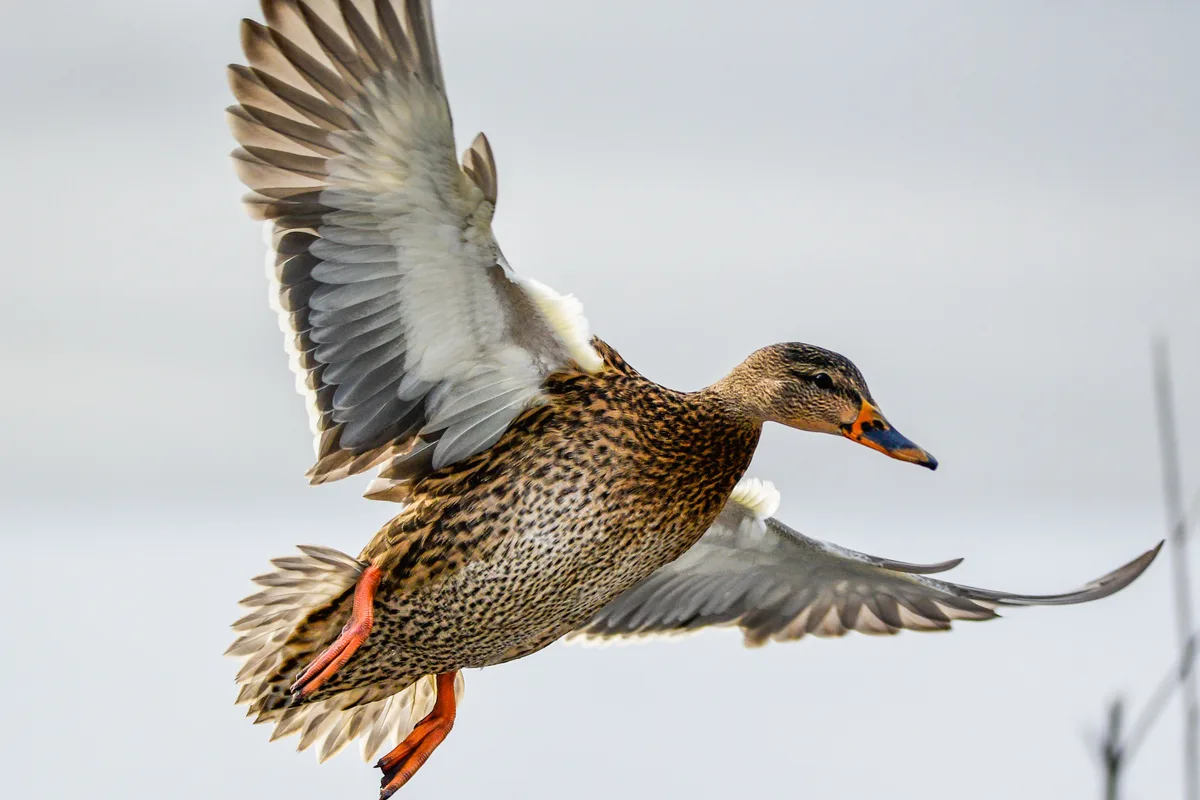
Image source: Bing (Web (fair-use with source credit))
When and Why Mallards Take to the Sky
Mallard ducks don't just fly for the fun of it. Their airborne excursions are tied to specific needs, primarily driven by survival and reproduction. Understanding these triggers helps us appreciate their natural behavior and migratory patterns.
Migration Journeys
The most significant reason mallards fly is migration. As seasons change, they embark on long-distance flights to find more suitable environments. In autumn, they typically head south to escape colder temperatures and to find areas with open water and abundant food sources.
Conversely, in spring, they fly north to their breeding grounds, often returning to the same regions year after year. These journeys can span hundreds, even thousands, of miles, demonstrating incredible endurance and navigational ability. Research from organizations like the U.S.
Fish and Wildlife Service details these migratory routes, confirming the vast distances covered by these birds.
Food and Safety Flights
Beyond seasonal migration, mallards fly for more immediate reasons. If their local environment becomes inhospitable, perhaps a pond freezes over, or food becomes scarce, they will fly to a new location. Flight is also their primary defense mechanism against predators.
When threatened by animals on the ground or in the water, a mallard's first instinct is to take wing. These flights might be short bursts to evade danger or longer trips to scout for safer feeding or resting spots.
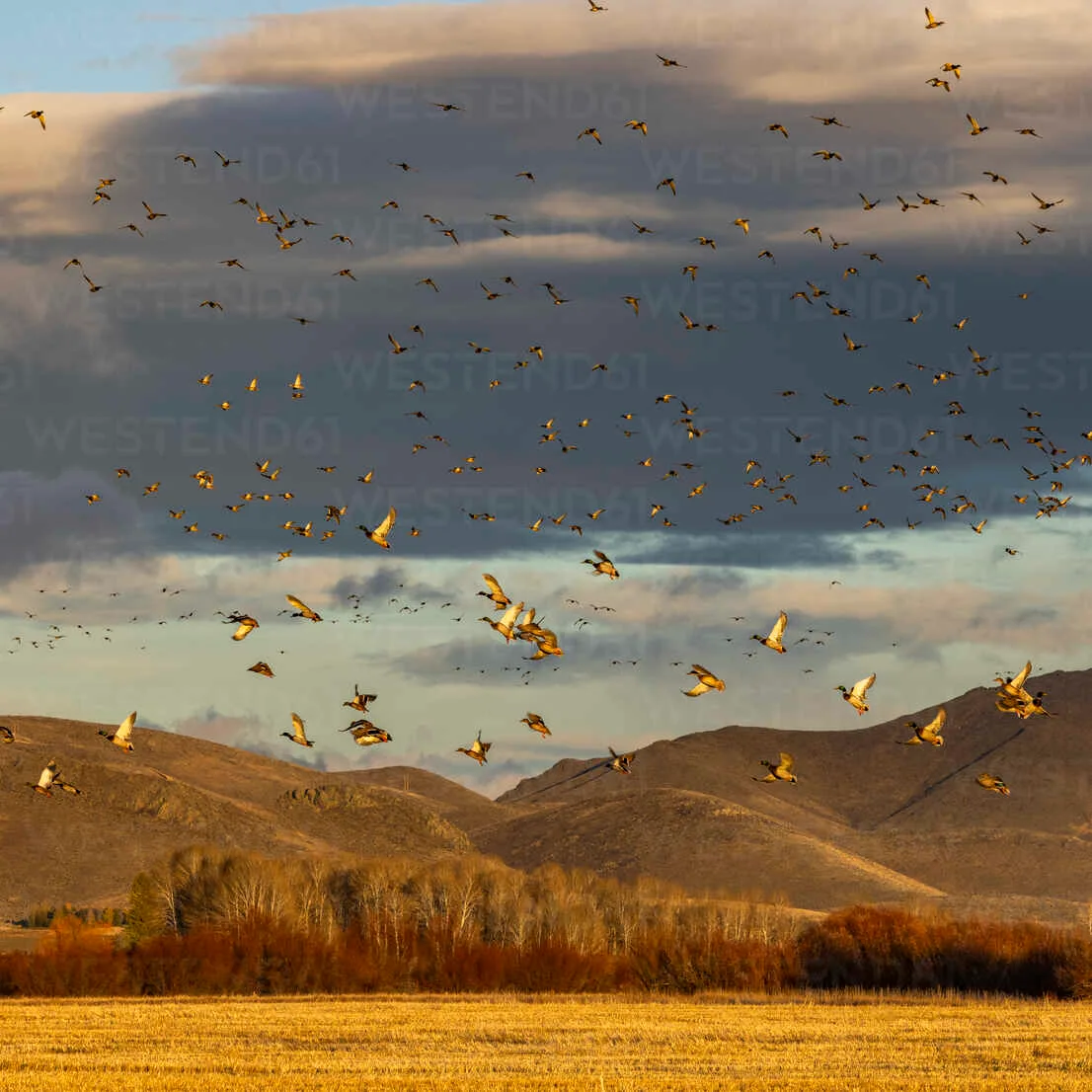
Image source: Bing (Web (fair-use with source credit))
Ducklings Learning to Fly: A Timeline
Seeing a family of ducks with their ducklings is a common and delightful sight. However, the little ones aren't ready to join their parents in the air right away. There's a developmental period where they grow and mature before they can achieve flight.
From Hatchling to Flyer
Upon hatching, ducklings are covered in soft down and are fully capable of swimming and following their mother. Their bodies are not yet equipped for flight. They spend their initial weeks learning essential survival skills on land and in water, such as foraging for insects and aquatic plants, and practicing diving.
During this time, their bodies are rapidly developing.
The Critical First Flight
The transition to flight readiness typically occurs around 7 to 8 weeks of age for mallard ducklings. This is when their primary and secondary flight feathers have grown sufficiently, and their flight muscles have developed enough strength. This period is crucial because it coincides with the timing for migration or the need to access new resources as they grow.
Taking their first flight is a significant milestone, marking their independence and ability to navigate the world beyond the immediate vicinity of their hatching grounds.
What Affects a Mallard's Ability to Fly?
While we've established that mallards can fly, this capability isn't always absolute or consistent for every individual bird. Several factors can influence how well, or if, a mallard is able to fly at any given time.
Health and Age Factors
The most obvious factor is the bird's health. An injured duck, whether from a predator attack, an accident, or disease, may have damaged wings or weakened muscles, rendering it unable to fly. Similarly, very young ducklings, as discussed, cannot fly until their bodies are fully developed.
In some cases, older mallards might experience a decline in flight stamina, though this is less common than issues with very young or injured birds. Malnutrition can also play a role, as a lack of proper nutrients can hinder muscle development and overall physical condition.
Environmental and Habitual Influences
The environment a mallard lives in can also impact its flight conditioning. Ducks that reside in areas with abundant, year-round food and safety might not need to fly as much as those in regions with harsh winters or fluctuating food supplies. This can lead to less developed flight muscles due to lack of consistent exercise.
Conversely, ducks in urban parks, where they are often fed by humans, may become habituated and less inclined to migrate or fly extensive distances, relying more on readily available resources. This reliance can sometimes make them more vulnerable if human feeding stops or the environment changes drastically.
Why Understanding Mallard Flight Matters
Knowing that mallard ducks can fly, and understanding the nuances of their flight capabilities, is more than just a trivia fact. It has practical implications for how we interact with them and how we interpret their behavior in different settings.
Appreciating Wildlife Behavior
Recognizing flight as a core behavior helps us avoid misinterpreting a duck's actions. If you see ducks gathered in an unusual spot, they might simply be resting before a flight or waiting for conditions to be right to travel. It also fosters a deeper appreciation for their wild nature and the incredible biological adaptations that allow them to thrive across vast distances.
Understanding their migratory patterns, for instance, is key to appreciating the ecological role they play.
Avoiding Harmful Interference
Crucially, knowledge about mallard flight capacity informs responsible wildlife interaction. For example, if a duck appears grounded, it's important not to assume it's abandoned or in need of rescue unless there are clear signs of injury or distress. It could be a young duckling still developing its flight skills, or an adult recovering from a minor issue.
Intervening unnecessarily can sometimes do more harm than good, disrupting natural processes or causing stress to the birds. Wildlife rehabilitation experts emphasize observing from a distance and only contacting professionals if intervention is clearly warranted.
Frequently Asked Questions About Mallard Flight
Do all mallard ducks fly?
No, not all mallard ducks can fly all the time. Ducklings cannot fly until they are about 7-8 weeks old. Adult ducks that are sick or injured may also be grounded.
Can mallard ducks fly long distances?
Yes, mallard ducks are capable of flying very long distances. They are migratory birds and can travel hundreds or even thousands of miles during their seasonal migrations.
When do ducklings take their first flight?
Mallard ducklings typically take their first flight when they are between 7 and 8 weeks old. This is when their flight feathers have fully developed and their flight muscles are strong enough.
Can mallard ducks fly in bad weather?
Mallard ducks generally avoid flying in severe weather conditions like heavy storms or high winds if they can. However, they may be forced to fly in less-than-ideal weather if they need to migrate or escape danger.
Do mallard ducks fly at night?
Mallard ducks often fly during dawn and dusk, which are known as crepuscular periods. While they may fly at night, especially during migration to avoid predators, they are more active during daylight and twilight hours.