Can Pelicans Fly Long Distances
When you see a pelican gracefully gliding over the water, you might wonder about its capabilities. Can pelicans actually fly long distances, or are they mostly shorebirds? The answer is a resounding yes, and their long-haul flights are crucial for survival.
Many pelican species undertake impressive migrations, covering thousands of miles each year. For instance, the American White Pelican can travel over 3,000 miles between its breeding and wintering grounds. These journeys aren't just casual flights; they represent incredible feats of endurance and navigation.
Quick Answer
Yes, pelicans can fly long distances, often covering thousands of miles during their annual migrations. These flights are essential for accessing seasonal food resources and finding suitable breeding and wintering grounds. Species like the American White Pelican are known for migrating up to 3,000 miles.
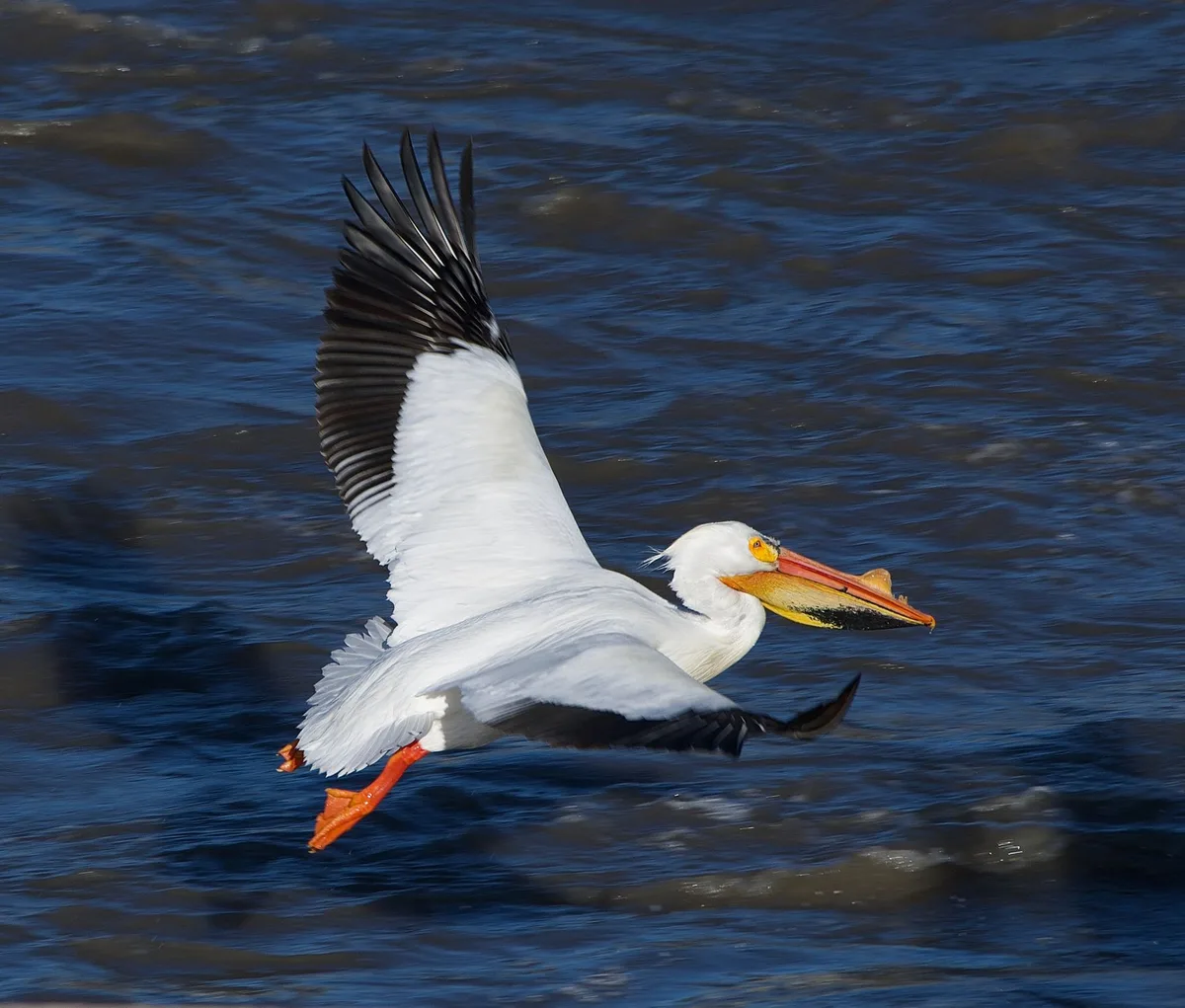
Image source: Bing (Web (fair-use with source credit))
Why "Long Distance" Matters for Pelicans
For pelicans, flying long distances isn't just a hobby; it's a fundamental part of their life cycle and survival strategy. Think of it like needing to move house for work or to find a better climate. Pelicans do this on a grand scale, driven by the need for food and safe nesting sites.
When summer wanes and food becomes scarce in their northern breeding grounds, these birds must relocate to areas where fish populations are still abundant. Similarly, as winter approaches in the south, they might move further inland or north to find the best feeding opportunities. Their ability to cover these vast distances ensures they have access to the resources they need to thrive year-round.
Pelicans' Incredible Migratory Journeys
Pelicans are truly seasoned travelers, and their migratory journeys are nothing short of spectacular. They aren't just taking a day trip; these are epic voyages that can span thousands of miles and last for weeks. Many species have established migration routes, often following major waterways or coastlines, which they've used for generations.

Image source: Web (Bing) / explorer.audubon.org (Web image (fair-use with source credit))
These migrations are essential for survival, allowing pelicans to escape harsh winter conditions and access abundant food sources. The timing is usually precise, coinciding with seasonal changes in prey availability and the need to reach prime nesting locations. It's a cycle deeply ingrained in their biology, ensuring the continuation of their species.
How Pelicans Master Long Flights
Pelicans have developed remarkable adaptations and behaviors that allow them to undertake such extensive flights. It's a combination of their physical design and smart flying techniques that makes these long journeys possible. They’ve figured out how to use the air currents and conserve energy efficiently.
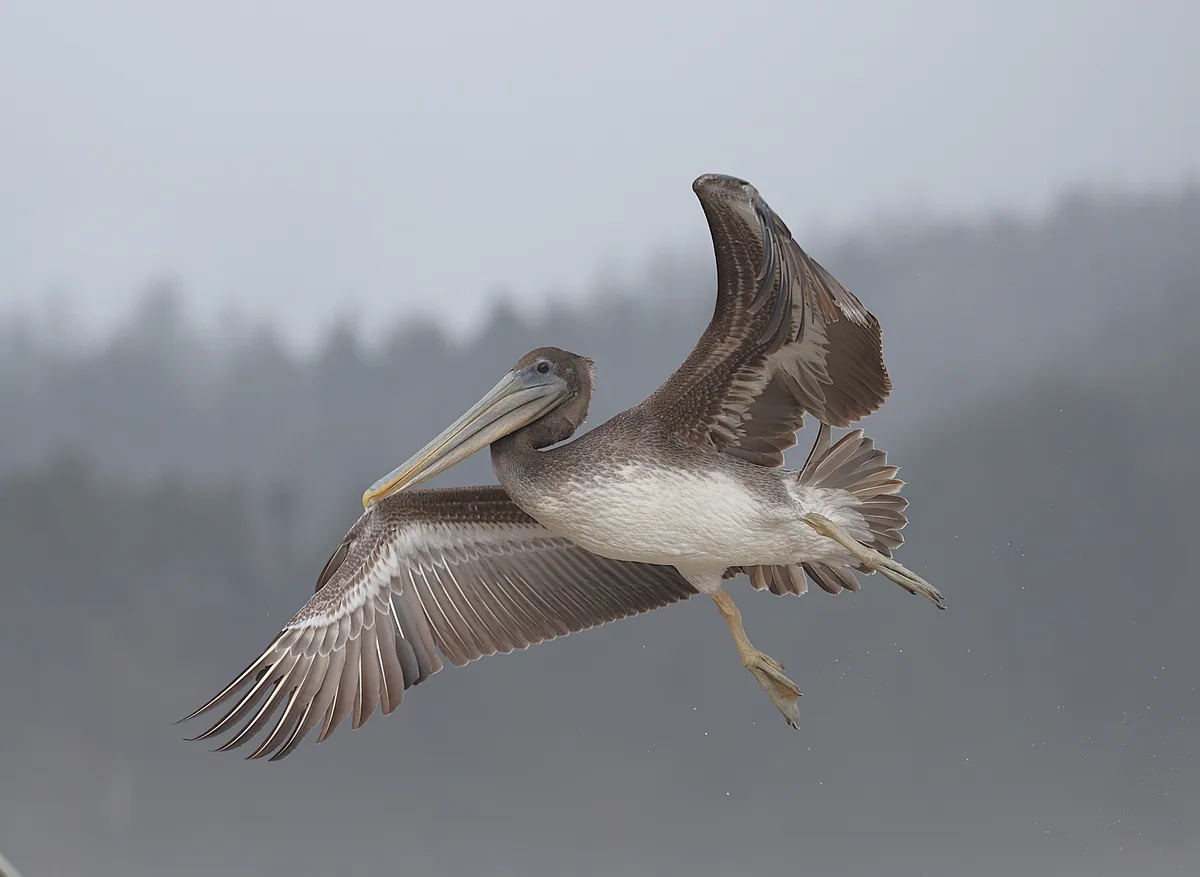
Image source: Web (Bing) / pexels.com (Web image (fair-use with source credit))
Conserving Energy in the Air
One of the key strategies pelicans employ is energy conservation. They don't just flap their wings non-stop for thousands of miles. Instead, they expertly utilize updrafts and thermals, soaring for extended periods with minimal effort.
This is similar to how other large birds of prey often travel.
- Soaring and gliding: Pelicans use their large wingspans to catch rising columns of warm air, allowing them to gain altitude and travel great distances without flapping.
- Formation flying: You'll often see pelicans flying in V-formations, especially during migration. This formation helps reduce air resistance for the birds flying behind the leader, saving them significant energy. Each bird takes turns in the leading position to share the workload.
Navigating Thousands of Miles
Beyond just endurance, pelicans possess an innate ability to navigate over vast, unfamiliar territories. While the exact mechanisms are still studied, it's believed they use a combination of cues.
- Visual landmarks: They likely follow coastlines, rivers, and mountain ranges that are familiar from previous migrations.
- Geomagnetism: Many migratory birds can sense the Earth's magnetic field, using it like an internal compass to orient themselves.
- Sun and stars: Celestial navigation, using the position of the sun during the day and stars at night, may also play a role.
Why Pelicans Migrate So Far
The primary drivers for pelicans undertaking such long migrations boil down to two essential factors: food availability and breeding success. They're constantly seeking the best conditions to survive and reproduce.
Following Food Sources
Pelicans are piscivores, meaning their diet consists mainly of fish. Fish populations can fluctuate dramatically with the seasons and environmental changes. When their northern breeding grounds become less productive due to freezing temperatures or reduced fish numbers in winter, pelicans must move to find more reliable food sources.
This often means heading south to warmer waters where fish remain active year-round. Conversely, even in warmer climates, certain fish species might migrate or become more accessible in different seasons, prompting shifts in pelican locations.
Finding Safe Breeding Grounds
Successful breeding requires a combination of safety and ample food for raising young. Pelican populations often move to specific areas that offer these conditions during the spring and summer. These breeding grounds typically have abundant shallow waters rich in fish, providing a reliable food supply for both the adults and their rapidly growing chicks.
Furthermore, these locations are often chosen for their relative safety from predators, allowing the pelicans to nest and raise their young without excessive threat. The migration ensures they arrive at these prime spots when conditions are optimal.
Real-World Pelican Flight Observations
When we look at pelicans, their physical traits give us clues about their flight capabilities. For example, the American White Pelican boasts an impressive wingspan, often reaching up to 9.5 feet. This large wingspan is crucial for generating lift and soaring efficiently, which is a must for covering long distances.
Their body mass is also a significant factor. Heavier birds need more power to stay airborne, but for species like the American White Pelican, which can weigh up to 20 pounds, their aerodynamic design and ability to utilize air currents compensate for their size. This allows them to carry their substantial bodies across continents.
- Size Matters: Larger wingspans translate to better gliding efficiency.
- Weight vs. Lift: A higher weight requires more sophisticated flight techniques to sustain flight over long periods.
- Adaptations: Their bone structure is lighter than mammals, and they have air sacs within their bodies that aid buoyancy and respiration, both beneficial for extended flight.
Common Questions About Pelican Flight
Do pelicans ever get lost during their long migrations? How do different pelican species compare in their flight capabilities? These are natural follow-ups to understanding their migratory habits.
Most pelican species have well-established migratory routes passed down through generations, minimizing the risk of getting lost. However, environmental factors like severe weather or habitat changes can sometimes disorient birds. Different species vary in their migratory distances; for instance, the Brown Pelican, primarily a coastal bird, undertakes shorter, more localized movements compared to the long-distance migrations of inland species like the American White Pelican.
Their flight strategies are honed by the specific ecological demands of their respective habitats.