Why Do Puffins Have Colorful Beaks
Ever seen a puffin and thought, "Wow, that beak is something else!"? You're not alone. These little seabirds rock some seriously vibrant, multi-colored beaks, and it's not just for looking pretty.
There's a pretty cool reason behind it all, and it really comes down to what’s happening in their lives.
Think of it like a dazzling outfit for a special occasion.
Quick Answer
Puffins have colorful beaks primarily to attract mates and signal their health during breeding season. The outer sheath of their beak develops bright colors, which are shed after nesting. This vibrant display is crucial for courtship and reinforcing pair bonds in their colonies.
The Spectacle of the Puffin Beak: What Makes It So Vibrant?
The puffin's beak is truly a marvel of natural adaptation. It's not just a simple beak; it's a dynamic structure that changes dramatically throughout the year. During the peak breeding season, the beak becomes a riot of color, featuring striking shades of orange, yellow, blue, and red, often arranged in distinct bands.
This flamboyant appearance is a far cry from its duller counterpart outside of mating times. The sheer visual impact of these colorful beaks is a key element of their life cycle, playing a vital role in their social interactions and reproductive success.
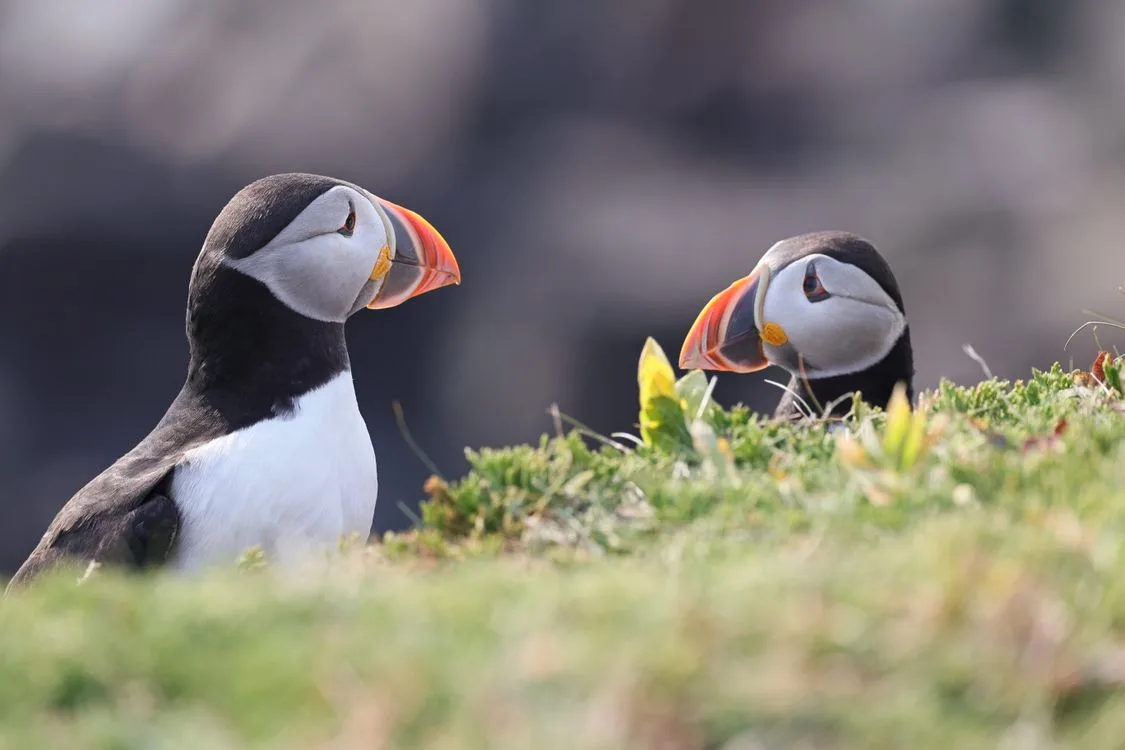
Image source: Bing (Web (fair-use with source credit))
When Do Puffins Get Their Colorful Makeover?
The transformation of a puffin's beak is a seasonal event, directly tied to its reproductive cycle. This isn't a permanent feature but rather a temporary, vibrant display that serves specific purposes. Understanding when this change occurs is key to appreciating its function.
The Breeding Season Transformation
As spring arrives and the days lengthen, puffins begin to undergo a remarkable visual change. The outer layer of their beaks, made of keratin, grows rapidly and develops intense, often psychedelic coloration. This isn't a subtle shift; the beak can more than double in size and take on vivid, multi-hued patterns.
This peak coloration typically lasts for the entire breeding season, from late April through July. It's during this time that these birds are most engaged in courtship, nest building, and raising their young, making the beak's appearance critical.
The Dull Beak of Off-Season
Once the breeding season winds down, usually by late summer or early autumn, the puffin's spectacular beak begins to recede. The brightly colored, enlarged outer sheath of keratin starts to peel away and slough off. What remains is a much smaller, duller, and more subdued beak, often a yellowish-gray or horn color.
This less ostentatious appearance is perfectly suited for their life at sea, where camouflage might be more advantageous than vibrant signaling. This dramatic change highlights the beak's specialized role in reproduction.
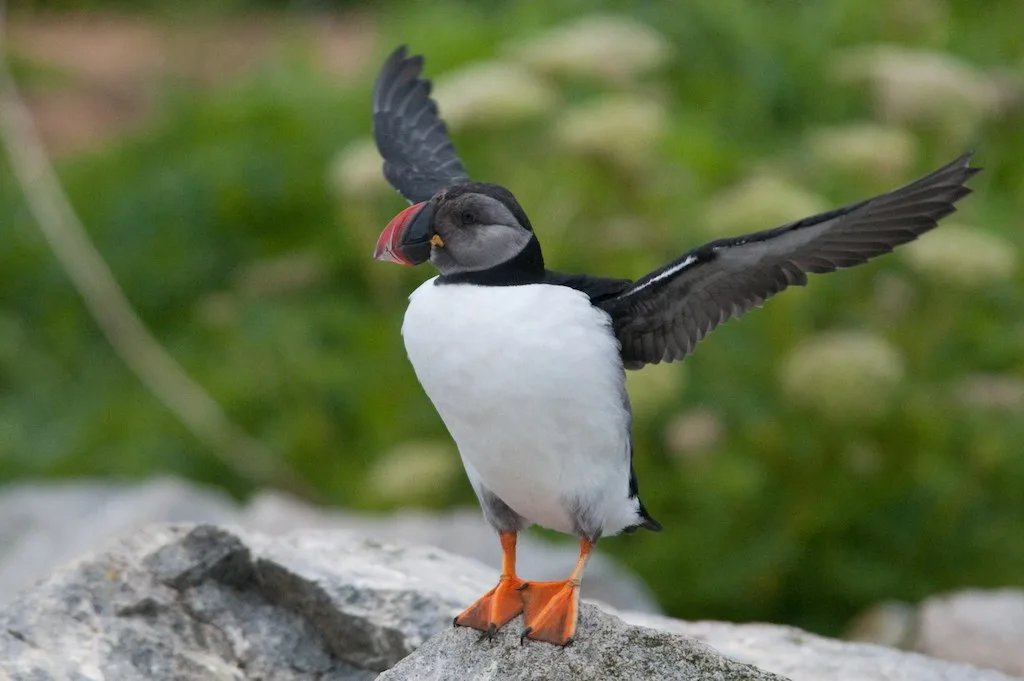
Image source: Bing (Web (fair-use with source credit))
What's the Beak Made Of? The Science Behind the Colors
The puffin's beak is a fascinating structure composed primarily of keratin, the same protein that makes up our fingernails and hair. The vibrant colors aren't due to pigment in the bone, but rather to the coloration within this tough outer sheath. This sheath grows over the underlying bony beak, and it's this layer that undergoes dramatic changes in color and size.
The pigments responsible for the blues, reds, and yellows are incorporated into the keratin as it grows. This biological process allows for the dramatic seasonal shifts in appearance, with the sheath thickening and coloring up for breeding, and then wearing down or shedding afterward. This adaptation is a prime example of how external features can evolve to meet specific biological needs, such as successful reproduction.
Why the Color Matters: A Bird's Best Asset
The striking colors of a puffin's beak are far from merely decorative; they serve essential biological functions, primarily related to reproduction and social signaling within their colonies. For a seabird that spends much of its life in isolation at sea, these visual cues become paramount when they return to land to breed. The beak's appearance communicates crucial information to potential mates and rivals alike.
Attracting a Partner: The Love Signal
During the breeding season, the puffin's beak acts as a powerful beacon for attracting a mate. A larger, brighter, and more vibrantly colored beak signals a healthy, vigorous individual with good genes. This is a visual advertisement, telling potential partners, "I'm a strong candidate for reproduction." Research indicates that the intensity and quality of the beak's coloration can directly influence a puffin's success in securing a mate.
Birds with more impressive beaks often get chosen first and may even attract multiple partners. This evolutionary pressure has driven the development of these exaggerated, colorful displays.
Signaling Health and Vigor
Beyond just attractiveness, the beak's condition and color are strong indicators of a puffin's overall health and well-being. A puffin that can afford to invest energy into growing and maintaining such a prominent, colorful beak is likely in excellent physical condition. This signals to potential mates that the individual is capable of surviving harsh conditions, finding food efficiently, and successfully raising offspring.
A dull or damaged beak, conversely, might suggest illness, poor nutrition, or age, making that individual a less desirable mate. It’s a biological honest signal, as detailed in studies published by ornithological research bodies.
Strengthening Pair Bonds
Once a pair has formed, the colorful beak continues to play a role in their relationship. The distinctive patterns and colors help puffins recognize their specific mate within the bustling colony. These visual cues can be used in courtship feeding rituals, where partners exchange fish, and the brightly colored beak is prominently displayed.
This consistent visual identification and interaction help to reinforce the pair bond throughout the nesting period, ensuring they work together to incubate eggs and feed their chick. The shared visual characteristic contributes to the stability of the partnership required for successful reproduction.
Common Misconceptions About Puffin Beaks
While the colorful beak is a well-known trait of puffins, there are a few common misunderstandings about it. One frequent mistake is thinking the bright colors are permanent. Puffins don't wake up every day with a rainbow beak; this vibrant display is strictly seasonal, appearing only for a few months each year.
Another misconception is that the beak's color is just for show, without a specific functional purpose. In reality, this dramatic coloration is a crucial evolutionary adaptation for mating and survival.
It's also sometimes assumed that all puffin species have equally brilliant beaks. While several species display colorful beaks, the intensity and specific color patterns can vary significantly between species, such as the Atlantic Puffin and the Horned Puffin. These variations are often linked to local breeding conditions and mating preferences within specific populations.
Puffin Beaks in the Wild: Where and When to See Them
Spotting a puffin with its full, colorful beak is a treat for any nature enthusiast. These birds are highly migratory and breed in large colonies on coastal cliffs and islands. The best time to see their vibrant beaks in all their glory is during the spring and early summer months, typically from April through July, depending on the specific location.
During this period, they are actively engaged in courtship and nesting.
You'll find puffin colonies in various parts of the North Atlantic and North Pacific oceans. Popular viewing spots include the coasts of Iceland, Norway, the United Kingdom (especially Scotland and Ireland), and parts of Canada and the northeastern United States for the Atlantic Puffin. For species like the Horned Puffin, look to the North Pacific, including Alaska and parts of Russia.
Observing these birds in their natural habitat provides a unique opportunity to witness their breeding behaviors and the striking appearance of their beaks.
Frequently Asked Questions About Puffin Beaks
Do puffins always have colorful beaks?
No, puffins only have colorful beaks during the breeding season, which typically runs from spring to early summer. Outside of this period, the outer colorful sheath of their beak sheds, revealing a duller, less vibrant beak underneath.
What are the colors on a puffin's beak?
The beak colors can include bright shades of orange, yellow, blue, and red, often appearing in distinct bands or patterns. These vibrant hues are due to pigments in the keratin sheath.
How do puffins use their colorful beaks?
The colorful beaks primarily serve as a visual signal to attract mates and establish pair bonds. They also indicate the bird's health and vigor, making them more attractive to potential partners.
Does the beak color change within the breeding season?
While the beak is at its most colorful during the breeding season, minor shifts can occur due to wear and new growth. However, the most dramatic change is the seasonal appearance and disappearance of the bright outer sheath.
Are puffin beaks sharp?
Yes, puffin beaks are sharp and strong, adapted for catching and holding slippery fish. They can hold multiple fish at once, sometimes up to a dozen, which is a common sight when they return to their burrows to feed their young.
What happens to the beak after breeding season?
After the breeding season ends, the colorful, enlarged outer sheath of the beak begins to peel and shed, revealing a smaller, duller beak underneath. This process allows the puffin to transition to its non-breeding life at sea.