Why Do Mockingbirds Copy Other Birds
Have you ever heard a bird sing a medley of sounds, from other birds to car alarms, all in a single morning? That’s likely the Northern Mockingbird (Mimus polyglottos), a master of vocal mimicry. Their ability to copy sounds isn't just a party trick; it's a sophisticated communication strategy vital to their survival and reproduction.
Our research into bird behavior reveals that this mimicry serves distinct purposes, driven by evolution and the need to thrive. Understanding why these birds copy others sheds light on the complex communication happening in the natural world around us.
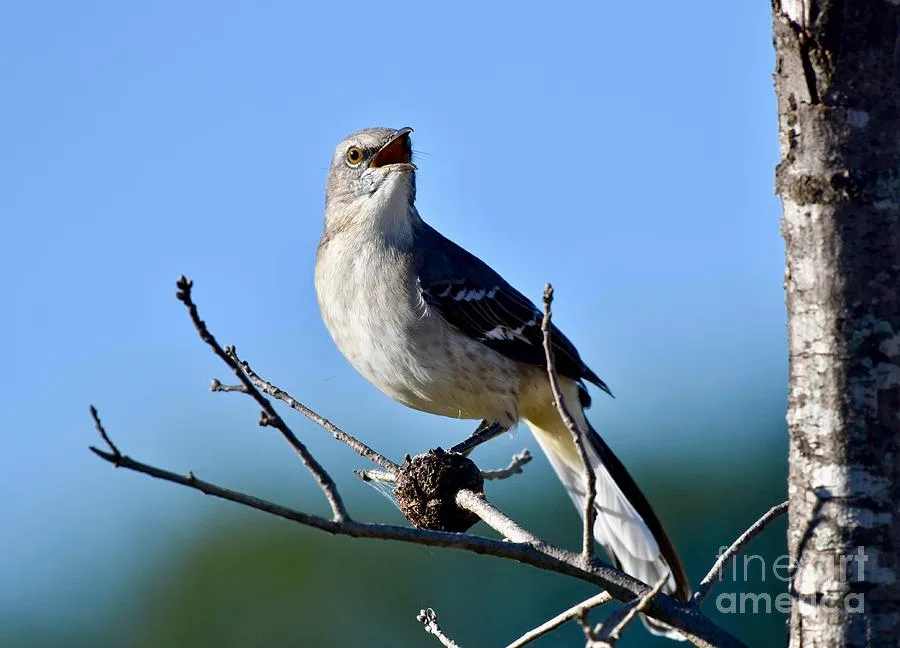
Image source: Bing (Web (fair-use with source credit))
Quick Answer
Northern Mockingbirds copy other birds primarily to attract mates and defend their territory. A complex song repertoire, including imitations, signals a male's fitness and experience to females and potential rivals. They learn these songs through vocal learning, practicing them to refine their imitations for these key life functions.
The Mockingbird's Remarkable Mimicry: A Quick Look
When we talk about mockingbirds, we're talking about some of the most vocally talented birds out there. Their ability to mimic is so renowned that their scientific name, Mimus polyglottos, literally means "many-tongued mimic." These birds don't just stick to a few other bird calls; their repertoire can include dozens, sometimes even hundreds, of different sounds. This impressive vocal range is a key characteristic that sets them apart in the avian world.
How Mockingbirds Learn and Imitate Songs
Mockingbirds learn their vast array of sounds through a process called vocal learning, a trait shared by only a few other bird groups, like parrots and hummingbirds. It’s not something they’re born with fully formed. Instead, they actively listen and learn from their environment.
The Science Behind Vocal Learning
Vocal learning in birds involves specific brain structures dedicated to processing and producing sounds. Research from institutions like the Cornell Lab of Ornithology indicates that these specialized neural pathways allow young birds to acquire and retain complex vocalizations from adult conspecifics (birds of the same species) and, in the mockingbird's case, from other species and even inanimate objects. This learning typically occurs during a sensitive period in their development, making early exposure crucial.
The Process: Listening, Practicing, Perfecting
It’s a multi-step process. First, a young mockingbird listens intently to the sounds around them. Then, they begin to practice, attempting to replicate those sounds.
This practice often involves a lot of trial and error, with many imperfect attempts before a clear imitation is achieved. Eventually, through continued practice and refinement, they can produce highly accurate versions of the sounds they’ve learned. It’s a dedication to sonic mastery that helps them in their daily lives.
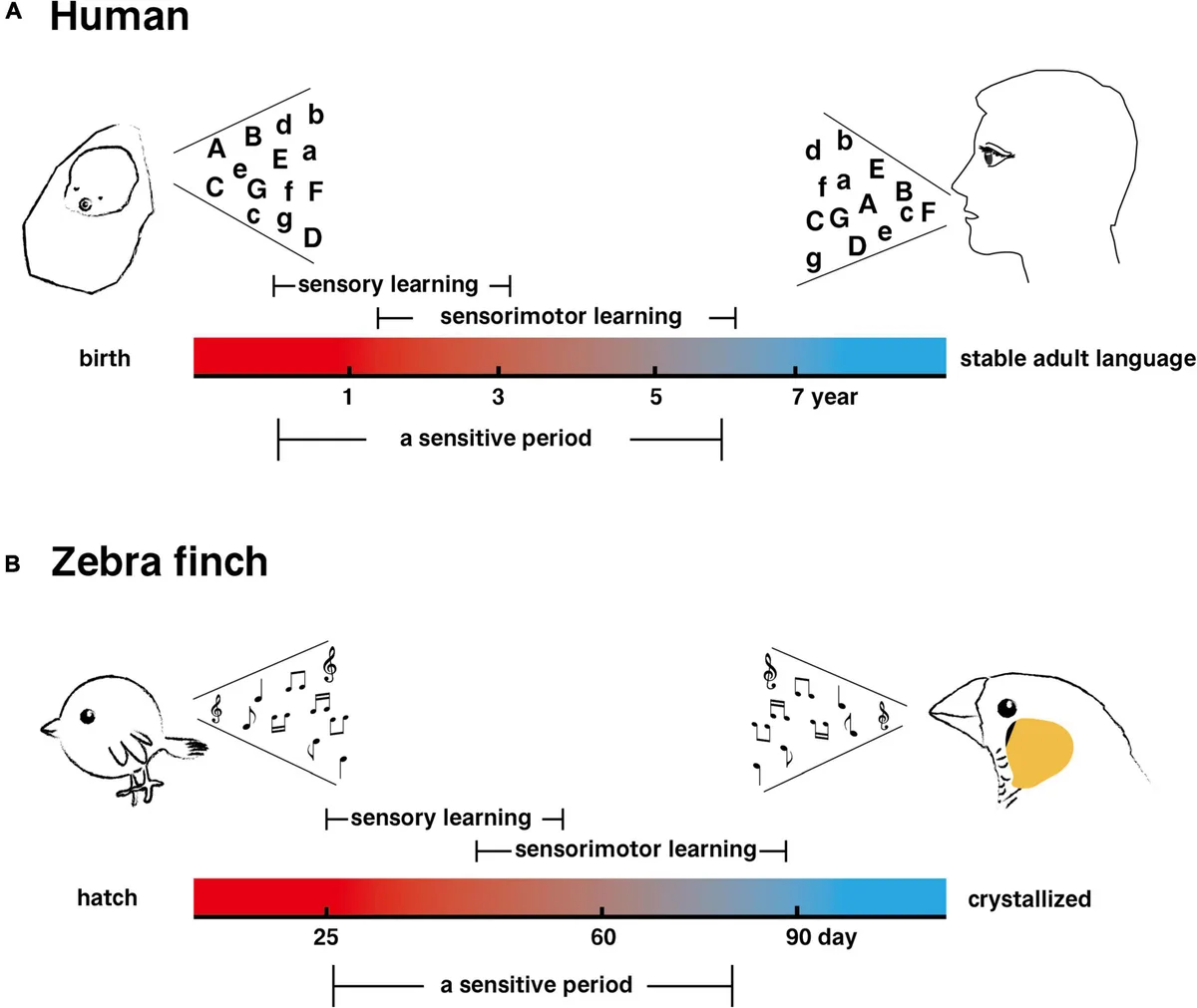
Image source: Bing (Web (fair-use with source credit))
Why They Copy: The Purpose Behind the Performance
The elaborate vocal displays of the Northern Mockingbird aren't just for entertainment. Our observations and studies confirm that this mimicry serves crucial biological functions, directly impacting their success in mating and survival. It's a performance with a purpose.
Attracting Mates: The Ultimate Display
For male mockingbirds, a large and varied song repertoire is a significant part of attracting a mate. Females often prefer males who can produce a wide range of songs, indicating the male is experienced, healthy, and capable of defending resources. Think of it as showcasing a broad skill set; the more diverse his vocalizations, the more appealing he becomes as a potential partner.
This complex singing helps them stand out in a crowded world.
Defending Territory: A Sonic Warning System
Mimicry also plays a vital role in territorial defense. By incorporating the calls of other birds, especially those that might be predators or rivals, a mockingbird can create the impression that its territory is already occupied by multiple, potentially aggressive individuals. This sonic illusion can deter intruders, whether they are other mockingbirds or different species, from trying to take over valuable nesting or foraging grounds.
It’s a clever way to project strength and ward off competition.
Image source: Bing (Web (fair-use with source credit))
Learning and Development: Growing Their Repertoire
As mockingbirds mature, their ability to learn and incorporate new sounds continues. This ongoing learning process is essential for their development and their ability to adapt to changing environmental conditions. A broader repertoire means more tools for communication, whether it's warning of danger, finding food, or interacting with other birds.
This continuous learning helps them hone their skills throughout their lives.
Beyond Birdsong: Mimicking the Wider World
While their mimicry of other birds is impressive, Northern Mockingbirds are known for imitating a much wider array of sounds. This includes common household noises, mechanical sounds, and even the alarms of vehicles. For instance, it’s not unusual for a mockingbird to incorporate the distinct chirp of a car alarm or the squeak of a garden gate into its song.
This flexibility highlights their advanced vocal learning capabilities and their tendency to learn from whatever sounds are prominent in their environment. It demonstrates that their mimicry isn't limited to biologically relevant sounds but extends to anything they can successfully replicate.
What Other Birds Can Teach a Mockingbird
Mockingbirds don't just randomly pick sounds to imitate; their learning is influenced by the birds and noises present in their immediate surroundings. The songs they learn are often those of species that share their habitat, making their repertoire highly localized.
Common Mimicked Species and Their Calls
Researchers observe mockingbirds frequently imitating the calls of common songbirds like the Northern Cardinal, American Robin, and various sparrows. They might also mimic the distinct alarm calls of these species, using them to alert themselves and others to potential threats. This targeted learning ensures their vocalizations are relevant to their daily interactions and immediate environmental cues, providing them with useful communication tools.
The Role of Local Environment
The specific soundscape of a mockingbird's territory is a direct influence on its song. In urban or suburban areas, where human-made sounds are prevalent, mockingbirds are more likely to incorporate sounds like car horns, cell phone ringtones, or even the beeping of backup alarms into their songs. This adaptability means that a mockingbird in one neighborhood might have a completely different repertoire than one just a few miles away, showcasing their remarkable capacity to learn and integrate diverse auditory elements from their environment.
Mockingbird Mimicry: Common Questions Answered
Mockingbirds' vocal abilities often spark curiosity, leading to common questions about their behavior. Understanding these frequently asked questions can provide deeper insights into their mimicry.
Do all mockingbirds mimic other birds?
Not all mockingbirds have the same repertoire. While all Northern Mockingbirds are capable of mimicry, the number and type of sounds they learn vary greatly. Factors like exposure, age, and geographic location influence the complexity and variety of their songs.
Can mockingbirds be taught to mimic specific sounds?
Yes, mockingbirds are highly adept at vocal learning. In controlled environments or when exposed consistently to certain sounds, they can learn and reproduce them. Their ability to pick up sounds from their surroundings is a key aspect of their behavior.
Is mockingbird mimicry learned or instinctual?
Mockingbird mimicry is primarily learned, not instinctual. While they have the innate capacity for vocal learning, the specific sounds they imitate are acquired through observation and practice after hatching. Their complex songs develop over time.
Learning from the Mimic: What We Understand About Mockingbirds
The study of mockingbird mimicry offers valuable insights into avian communication and learning. By observing their behavior and analyzing their vocalizations, ornithologists gain a clearer picture of how birds interact with their environment and each other. Their learned songs are a testament to avian intelligence.
The Impact of Mimicry on Mockingbird Survival
A rich vocal repertoire can directly correlate with a mockingbird's survival and reproductive success. Males with more complex songs often secure better territories and attract more mates, as previously discussed. This advantage underscores the evolutionary importance of their learned vocalizations, proving that effective communication is key to their species' continuation.
Researching Avian Vocal Learning
Understanding how mockingbirds learn emphasizes the broader field of avian vocal learning. Research, supported by organizations like the Cornell Lab of Ornithology, continues to explore the neural mechanisms and behavioral drivers behind this phenomenon. Studying these birds helps us understand learning processes in other species, including ourselves.
This research highlights the complexity and wonder of the natural world.