Types of Pelicans
Identifying the different types of pelicans in North America is simpler than it seems once you know where to look. While there are eight distinct species globally, you will primarily encounter the Brown Pelican and the American White Pelican.
These birds are easily distinguished by their unique hunting behaviors and preferred habitats. As of 2026, researchers emphasize that checking the environment is often more reliable than examining plumage alone.
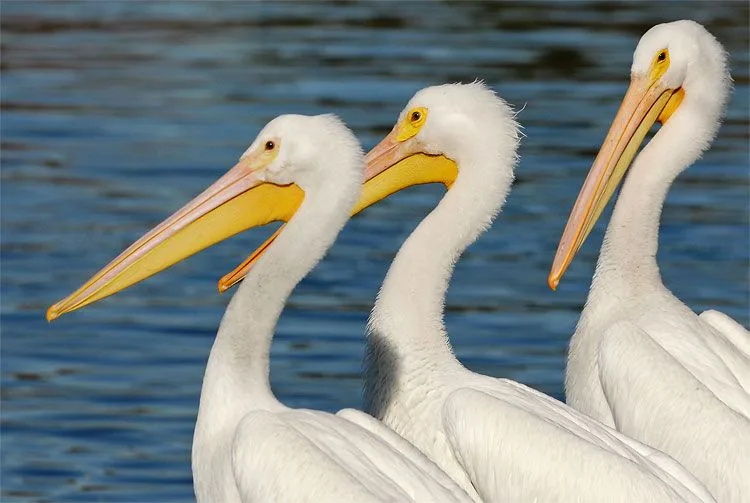
Image source: Bing (Web (fair-use with source credit))
Quick Answer
The two primary types of pelicans in North America are the Brown Pelican and the American White Pelican. Brown Pelicans frequent coastal salt water and plunge-dive for food. American White Pelicans prefer inland freshwater lakes and hunt by surface-scooping.
You can identify them by their distinct diving habits and habitats.
Why Visual Cues Matter More Than Bird Guides
Field guides often list detailed measurements that are difficult to see from a distance. If you are standing on a pier, you do not have time to measure wingspans or bill length. Instead, focus on the immediate behavior and the environment of the bird.
Pelicans are large birds, and their size can play tricks on your eyes. Relying on behavior gives you an instant, accurate identification. A bird that drops like a stone into the ocean is almost certainly a Brown Pelican.
A bird floating calmly on a pond with a group is likely an American White Pelican.
Visual cues are far more effective than trying to memorize plumage shades. Sunlight and water reflection change how colors appear in the field. Movement and habitat do not change.
This approach allows for quick, confident identification in any setting.
Identifying the Brown Pelican: The Coastal Specialist
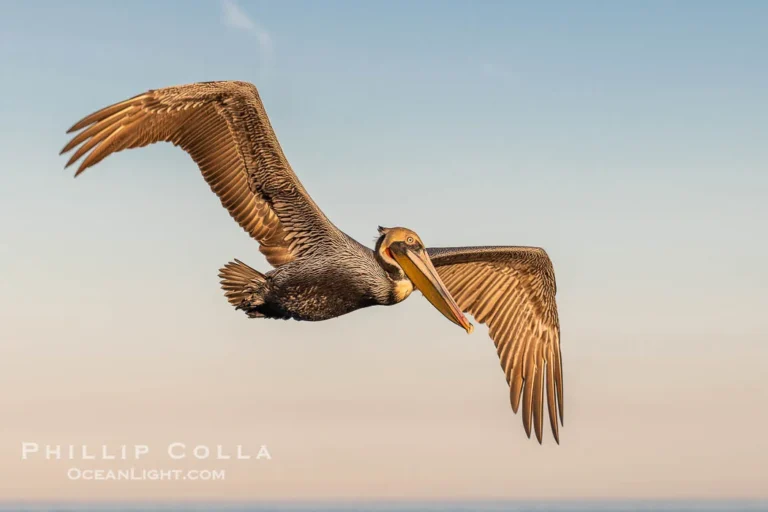
The Brown Pelican is the only species in the region that performs high-speed, plunge-diving. They patrol the coastline, soaring just above the waves. When they spot a fish, they rotate their bodies and dive into the water with impressive force.
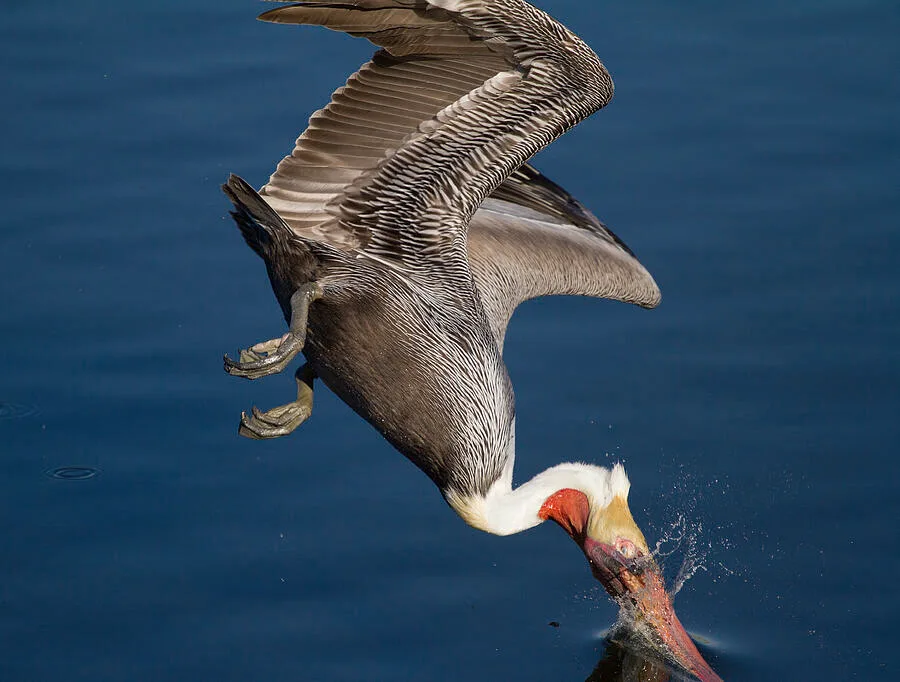
Image source: Bing (Web (fair-use with source credit))
These birds are permanent residents of salt water environments. You will find them on rocky shores, piers, and ocean beaches. They rarely travel far inland unless forced by extreme weather.
- Hunting: Plunge-dives from heights of up to 60 feet.
- Coloring: Adult birds feature dark brown bodies with yellow-washed heads.
- Posture: They often tuck their heads into an S-curve while flying.
According to data from the U.S. Fish and Wildlife Service, these birds rely heavily on stable marine ecosystems. Their presence is a strong indicator of healthy coastal waters and abundant surface-schooling fish.
Identifying the American White Pelican: The Inland Giant
American White Pelicans are significantly larger than their coastal cousins. They do not dive. Instead, they prefer to swim in shallow water, using their massive orange pouches to scoop up fish in a coordinated effort.
They are known for their spectacular migration patterns. Many populations spend their summers on inland lakes in the northern plains before heading to southern reservoirs for the winter. You will rarely see them in the open ocean.
- Group Behavior: They often hunt in lines to corral fish into corners.
- Coloring: Primarily bright white with distinct black flight feathers.
- Beak: Their orange bill is massive and becomes even more vibrant during the breeding season.
Because they are gregarious, you will usually see them in large groups rather than alone. Watching a line of these birds moving through a lake is one of the most recognizable sights in North American birding.
Visual Field Marks: Silhouette, Pouch, and Behavior
When you are trying to identify a pelican at a distance, look for the silhouette profile. The way a bird holds its body against the sky tells you more than its color ever will. Brown Pelicans have a hunched, compact look when they fly.
White Pelicans appear long, expansive, and graceful.
The pouch is another major indicator. While both birds use the gular pouch to capture prey, the coloration and usage differ. The White Pelican’s pouch is a vivid, fleshy orange, while the Brown Pelican’s pouch is often muted and brownish.
| Feature | Brown Pelican | American White Pelican |
|---|---|---|
| Diving | Frequent plunge-diving | Never dives |
| Habitat | Marine/Coastal | Freshwater/Inland |
| Wing Markings | Uniformly dark | Bold black wingtips |
| Flight Style | Gliding and flapping | Strong, soaring flights |
Pay attention to how they interact with the water. A pelican that is fully submerged with only its head surfacing is usually a Brown Pelican returning to the air. A pelican that keeps its body on the surface while dipping its bill is a White Pelican.
Avoiding Common Mistakes: Telling Pelicans from Cormorants
It is incredibly common to confuse pelicans with cormorants, especially when they are sitting on distant posts or swimming in a harbor. Both birds spend a lot of time on the water, and both are excellent at catching fish. The key difference is the bill.
Cormorants have thin, hooked bills designed for piercing or gripping individual fish. Pelicans have their iconic, large, expandable pouches. If you see a bird with a pouch, you are looking at a pelican.
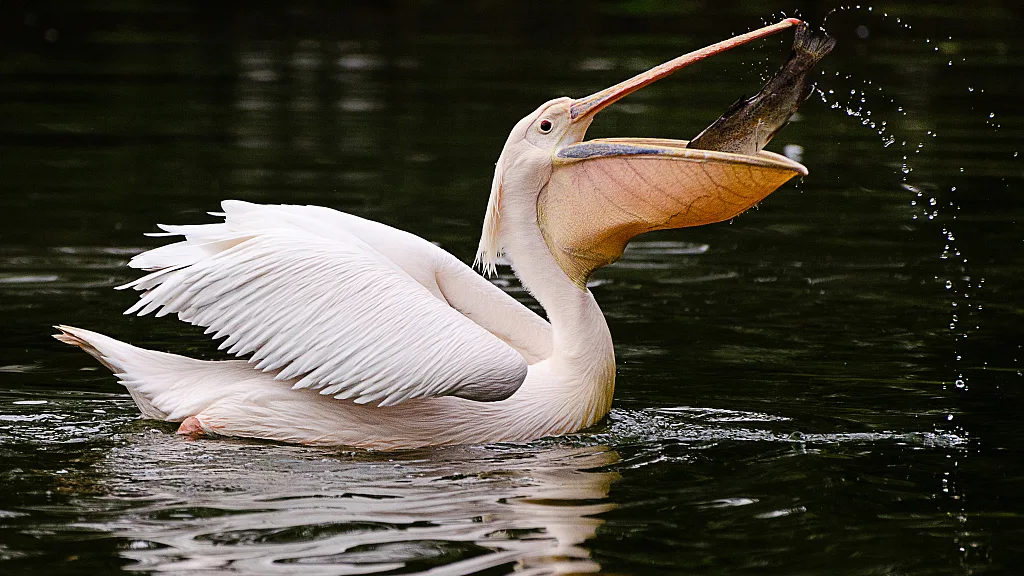
Image source: Web (Bing) / news.cgtn.com (Web image (fair-use with source credit))
Another frequent error involves confusing the Brown Pelican with other seabirds like gannets. While gannets also engage in spectacular, high-altitude plunge-dives, they have completely white bodies with black wingtips. They lack the heavy, bulky look of a pelican and do not have a large pouch.
If you are unsure, look at the neck. Pelicans have thick necks that allow them to carry large volumes of water and fish. Cormorants appear much slenderer, often looking like a simple black shape on a buoy.
When in doubt, check the Cornell Lab of Ornithology resources to compare silhouettes side-by-side, which often clears up the confusion instantly.
Protective Measures and Human Interaction Guidelines
Pelicans face significant risks from human activity, particularly around fishing docks. The most common threat is entanglement in abandoned monofilament line. Because these birds are naturally attracted to bait, they often get caught in gear left behind by anglers.
If you see a pelican struggling with line, do not attempt a rescue yourself. These birds are large and have powerful, sharp-edged bills that can cause deep puncture wounds. Contact a local wildlife rehabilitation center or the regional office of your state wildlife agency.
They are equipped to safely capture and treat injured birds.
Respecting their space is also essential during the breeding season. Pelicans are colonial nesters, meaning they gather in large numbers to raise their young in specific, protected sites. If you approach a nesting island too closely by boat, you may cause the adults to flush.
This leaves the vulnerable chicks exposed to the heat or predators.
- Maintain Distance: Keep at least 50 to 100 yards away from nesting sites.
- Dispose of Tackle: Always pack out your fishing line and hooks.
- Report Entanglements: Use local hotlines to alert experts to injured wildlife.
Expert Tips for Field Identification
The best way to improve your birding skills is to focus on movement rather than static markings. If you catch a flash of movement, wait a few seconds before reaching for your gear. Observe the flight path and the way the bird interacts with the water.
Look for the landing sequence of the bird. Brown Pelicans usually drop their landing gear, their webbed feet, just before hitting the water, which helps them stabilize during a dive. White Pelicans are more elegant and graceful, preferring to land feet-first on the surface of a lake like a seaplane.
Watch the sky for silhouette patterns during migration. White Pelicans often soar on thermal currents, using their large wings to gain massive altitude without flapping. If you see a group of white birds spiraling high in the sky on a hot afternoon, you are watching a classic example of thermal soaring behavior.
- Pace: Move slowly to avoid alarming the birds.
- Shadows: Use the sun to your advantage, keeping it behind you to see plumage colors clearly.
- Audio: Listen for the low, guttural croaks of the Brown Pelican, as they are generally more vocal than the quieter, more reserved White Pelican.
Maintenance and Long-Term Habitat Stewardship
Protecting these birds requires more than just observing them from afar. Healthy wetlands and stable coastal docks are the foundations for their survival. You can support them by participating in local clean-up days that target marine debris and discarded synthetic lines.
Think of pelicans as the front-line staff for your local ecosystem. Their diet helps balance fish populations in both fresh and salt water. When you report polluted sites or degraded habitat to your state environmental agency, you are directly contributing to the survival of the colonies in your area.
If you are a recreational angler, choose non-stainless hooks whenever possible. These are designed to rust away more quickly if they are accidentally left in the water. This minor change in your tackle box makes a massive difference in preventing long-term injuries to birds that may snag your discarded line.
- Cleanup: Remove all tangled monofilament from piers.
- Awareness: Share info with other anglers about the dangers of loose tackle.
- Support: Follow guidelines from the National Park Service regarding wildlife viewing near protected shorelines.
Frequently Asked Questions
Do both types of pelicans have the same diet?
Both species are piscivores, meaning they eat fish almost exclusively. Brown Pelicans target small schooling fish like anchovies or sardines in the ocean. American White Pelicans prefer freshwater species like carp, perch, or minnows found in lakes and marshes.
Why do some pelicans have yellow on their heads?
Adult Brown Pelicans develop a distinct yellow wash on their heads during the breeding season. This is a seasonal plumage change rather than a different species. Young birds are typically plain brown or grey and lack this coloration entirely.
Can pelicans fly in formation like geese?
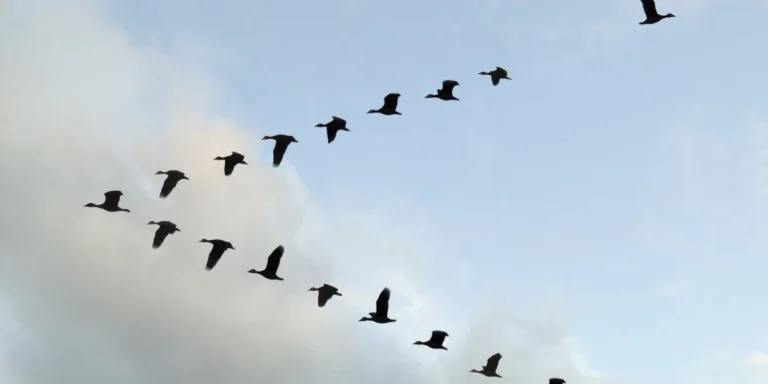
Yes, American White Pelicans are famous for their V-shaped flight formations. This behavior helps them conserve energy during their long-distance migrations between inland lakes. Brown Pelicans rarely travel in these tight, coordinated V-formations, preferring to fly in loose lines near the water surface.
Do pelicans store fish in their pouches?
The pouch is not used to store fish for later consumption. Instead, it acts as a fishing net to scoop up water and prey simultaneously. The bird must drain the water before swallowing the fish headfirst to ensure it goes down smoothly.
Are pelicans aggressive toward humans?
Pelicans are generally shy and will avoid humans if given the chance. They may appear bold around fishing piers, but this is usually a learned behavior associated with an easy meal. Never hand-feed them, as this creates dependency and can lead to dangerous interactions with gear or hooks.