Can Conures Learn to Talk
So, you're wondering if your conure can learn to mimic human speech? That’s a question many bird enthusiasts ponder, and the answer is a resounding yes, with a few important nuances to understand. Conures, known for their playful personalities, also possess a remarkable capacity for vocal learning, making them engaging companions.
While not every conure becomes a chatterbox, their ability to pick up sounds and words is well-documented. Research into avian vocalization, including studies at institutions like Cornell University’s Lab of Ornithology, confirms parrots’ sophisticated ability to mimic. This capability is rooted in their natural social behaviors, where vocal learning plays a crucial role in flock communication.
Quick Answer
Yes, conures can learn to talk by mimicking sounds they hear frequently. Not all conures will speak clearly or learn many words, as individual aptitude and training play significant roles. The most successful talkers often come from consistent, positive reinforcement and a stimulating environment.
What "Talking" Means for Your Conure
When we talk about conures "talking," it’s important to set realistic expectations. For most conures, this means they're mimicking sounds and words they hear regularly, rather than understanding the linguistic meaning behind them. They are essentially highly skilled vocal learners.
Mimicking Words vs. Understanding
A conure might say "hello" when you enter the room, but they don't grasp the social convention of greeting. They associate the sound with an event, like your arrival, and repeat it to interact or get attention. Our research indicates that while some parrots can associate certain words with objects or actions, true comprehension akin to human language is not present.
Common Conure Vocalizations (Beyond Speech)
It's not just human words that conures pick up. They are brilliant at mimicking a wide range of household noises. You might find your conure starts mimicking the doorbell, the microwave beep, a barking dog, or even the jingle from a TV commercial.
This mimicry is a fundamental part of their natural behavior to integrate into their flock's soundscape.
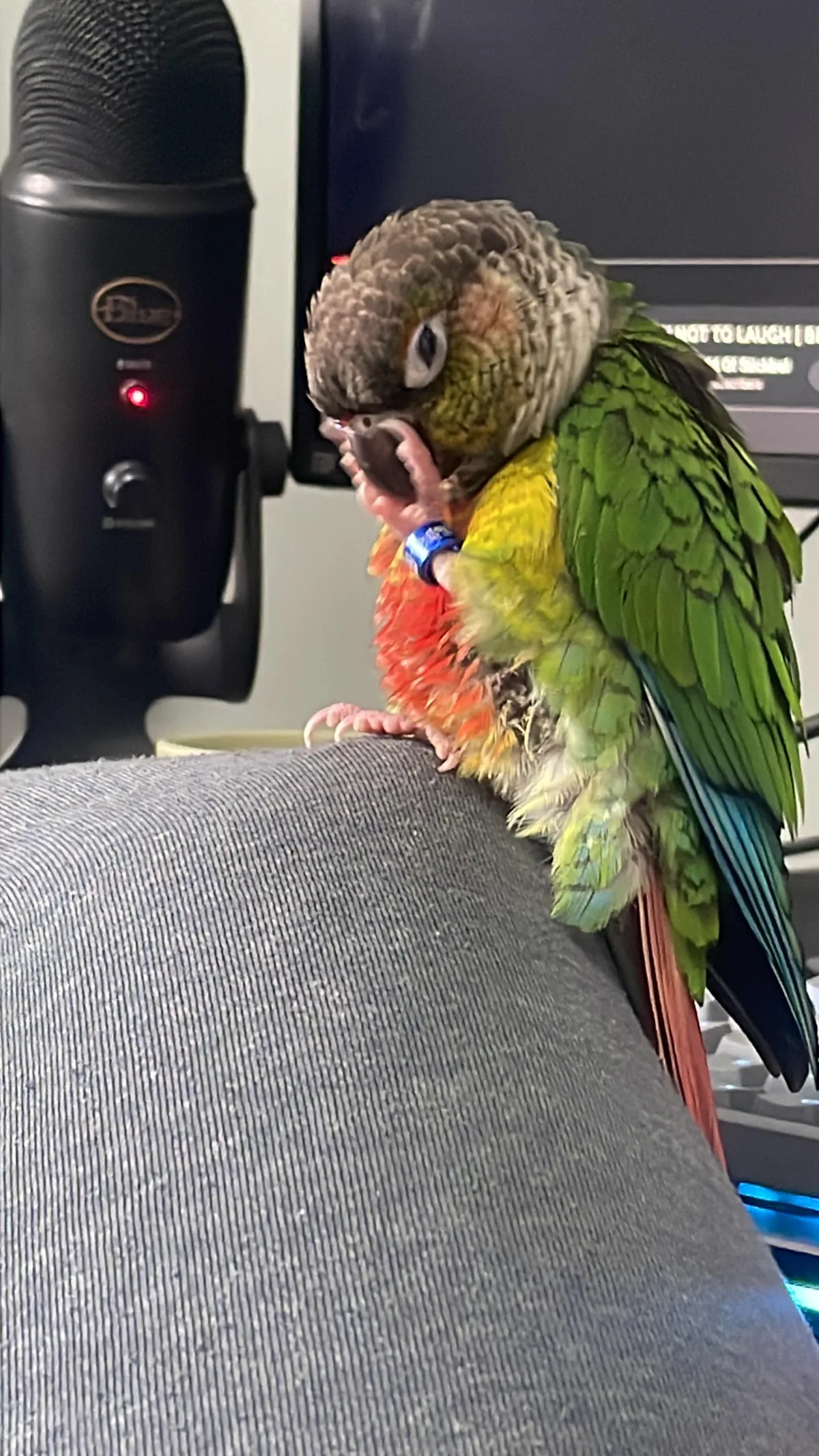
Image source: Bing (Web (fair-use with source credit))
Do All Conures Learn to Talk?
The short answer is no, not all conures develop a significant talking ability. Just like people, birds have individual personalities and aptitudes. Some conures are naturally more inclined to mimic and vocalize than others.
Individual Aptitude and Personality
Some conures seem to possess a greater innate desire to vocalize and imitate. Factors like their overall health, temperament, and how much social interaction they receive can influence their willingness and ability to learn. A shy or less socialized bird might not engage in mimicry as readily as a confident, outgoing one.
Species and Their Vocal Tendencies
While most conure species have the potential for vocal learning, there are observed differences. For instance, some species might be known for being louder or having clearer vocalizations, even if they aren't necessarily "talking" in the human sense. For example, research from avian behavior studies suggests species like the Sun Conure are exceptionally vocal, though their speech might be less clear than, say, a budgerigar or a larger parrot species.
Green-cheeked Conures, on the other hand, are often quieter but can still learn words with consistent training.
Encouraging Your Conure to Talk: A Real-World Approach
If you're hoping your conure will pick up some words, consistent and positive interaction is your best bet. It's less about strict training and more about engaging them in a way that makes vocalizing rewarding.
The Power of Repetition and Context
Conures learn best through repetition. Saying words and short phrases frequently, especially when you're directly interacting with them, helps them recognize and try to replicate the sounds. For example, saying "hello" each time you enter their space, or "goodbye" when you leave, can help them associate the word with the action.
This contextual learning is more effective than random sound repetition.
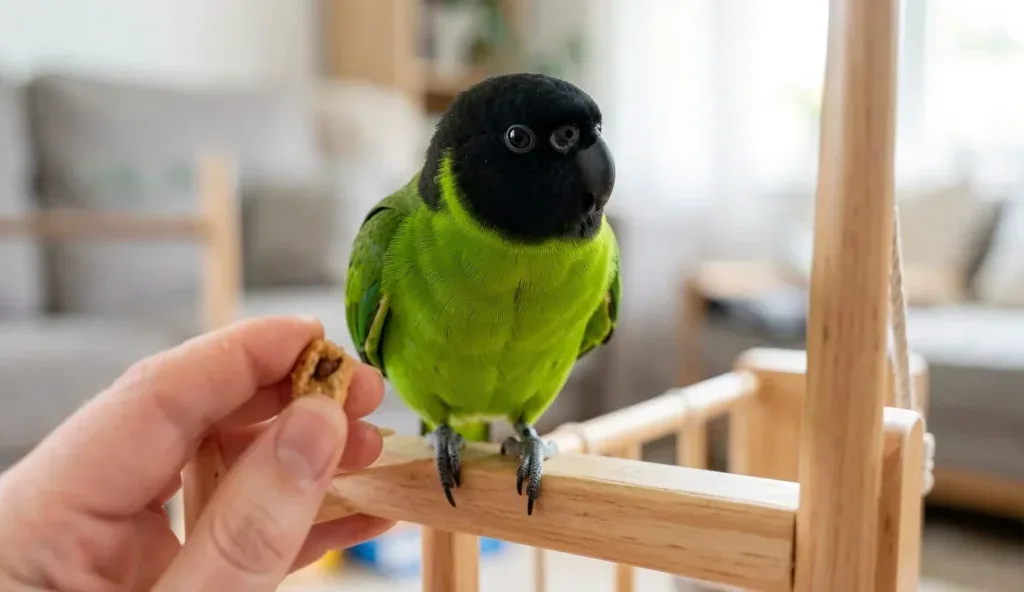
Image source: Bing (Web (fair-use with source credit))
Positive Reinforcement That Works
When your conure makes a sound that’s close to a word you're teaching, reward them immediately. This could be with verbal praise like "Good bird!" or a favorite small treat. This positive reinforcement teaches them that vocalizing specific sounds leads to good things.
Over time, they'll be more motivated to repeat those sounds to earn rewards.
Starting Simple: What Words to Teach First
Begin with simple, distinct words. "Hello," "bye-bye," their name, or "good bird" are excellent starting points. These short, clear sounds are easier for them to mimic.
As they gain confidence and proficiency, you can introduce slightly longer phrases.
What If My Conure Isn't Talking?
It can be disheartening if your conure isn't picking up words as quickly as you hoped. The most important thing to remember is that every bird is an individual, and not all conures will become proficient talkers.
Patience and Realistic Expectations
True vocal learning takes time, consistency, and often months, if not years, of exposure. As of 2026, research still highlights the significant variability in avian learning rates. If your conure isn't talking, it doesn't mean they aren't intelligent or bonded with you.
They may simply have a different communication style or a lower aptitude for mimicry.
Reading Your Conure's Other Communication Cues
Conures communicate in a multitude of ways beyond spoken words. Their body language, like feather ruffling, head bobbing, tail wags, and wing posture, conveys a lot about their mood and intentions. They also use various chirps, squawks, and whistles to express excitement, fear, contentment, or demands.
Learning to interpret these cues is just as vital, if not more so, for understanding your bird than teaching them human speech.
Mistakes Pet Owners Make When Teaching Conures to Talk
Many well-meaning owners inadvertently hinder their conure's vocal learning. One common mistake is inconsistent repetition; if you only say "hello" occasionally, your conure won't have enough exposure to learn it. Another pitfall is using negative reinforcement or punishment, which can make a bird fearful and less likely to vocalize openly.
Overly complex or abstract words are also difficult for them to grasp. Finally, expecting too much too soon can lead to frustration for both the owner and the bird, disrupting the positive learning environment.
Frequently Asked Questions About Conure Talking
How long does it typically take for a conure to learn its first word?
It varies greatly, but many owners report hearing their first recognizable word between six months and two years of consistent exposure and positive reinforcement.
Can conures understand what they are saying?
While some studies suggest parrots can associate words with objects or actions, true linguistic comprehension like humans possess is not generally believed to occur. They primarily mimic sounds they hear.
Should I talk to my conure all day?
Consistent, positive interaction is key, but speaking for prolonged periods without engaging them can be less effective. Focus on clear, repeated words during interactive sessions.
What if my conure only mimics other sounds, not words?
This is perfectly normal! Mimicking sounds like doorbells or whistles is a sign of their vocal learning ability. Appreciate this as part of their communication skill.
Are some conure species better talkers than others?
Yes, while all conures have the potential, some species are generally more vocal and may have a higher propensity for clearer mimicry, though individual personality is always a major factor.
What About Other Types of Conure Communication?
Beyond learned words, your conure has a rich vocabulary of natural vocalizations and body language. Understanding these signals is crucial for a strong bond. Their calls can indicate excitement, alarm, curiosity, or contentment, helping you know how they're feeling at any given moment.
Decoding Chirps, Squawks, and Whistles
Conures use a variety of sounds to express themselves. A happy chirp might sound like a series of rapid, high-pitched notes, while a more agitated squawk can be a loud, harsh sound. A soft whistle might indicate they are relaxed or curious.
Learning to distinguish these nuances helps you respond appropriately to their needs.
Body Language: A Bird's Visual Dictionary
Observe your conure's posture, feather position, and beak movements. Fluffed feathers can mean they are comfortable and cozy, or sometimes that they are feeling unwell. A puffed-up chest and spread wings might signal a playful mood, while a tightly closed beak and pinned eyes can indicate stress or agitation.
Head bobbing can be a sign of happiness or a request for attention.
Comparing Conure Talking Ability to Other Parrots
When considering vocal learning, conures fall into a fascinating category within the parrot family. While they are capable mimics, they generally aren't as renowned for extensive vocabulary as larger parrots like African Greys or Amazons, which are often considered the top talkers.
Top-Tier Mimics vs. Conure Aptitude
Larger parrot species, particularly African Greys, are frequently cited in avian behavior research for their impressive ability to learn hundreds of words and phrases, often with remarkable clarity. They tend to have a greater capacity for contextual use of learned words. Conures, while excellent at mimicking, usually acquire a smaller vocabulary and their speech clarity can vary significantly, often sounding more like approximations of human words.
What This Means for a Pet Owner
If your primary goal is a bird with an extensive talking ability and near-human clarity, a larger parrot species might be a better fit. However, conures offer a delightful combination of playful personality and vocal talent. They can certainly learn to say your name or a few key phrases, adding a unique charm to your interaction, even if they won't be reciting Shakespeare.
Potential Problems and Risks in Teaching Conures to Talk
While teaching your conure to talk is rewarding, there are potential issues to be aware of. Unmanaged vocalizations can become a nuisance, and incorrect training can lead to behavioral problems.
When Mimicry Becomes Too Much
Conures are naturally vocal. If not managed properly, they can develop excessively loud or persistent squawking, especially if seeking attention or bored. This can be disruptive in a home environment.
Furthermore, they might pick up and repeat sounds you'd rather they didn't, such as alarms, sirens, or even sounds from arguments, which can be embarrassing or annoying.
Behavioral Downsides of Vocal Training
Over-reliance on vocal rewards can sometimes lead to a conure becoming demanding, squawking incessantly to get treats or attention. Additionally, if a bird feels neglected or stressed, its vocalizations can turn into distress calls, which can be upsetting for both the bird and the owner. Ensuring a balanced approach that includes plenty of mental stimulation and social interaction beyond just talking is vital.
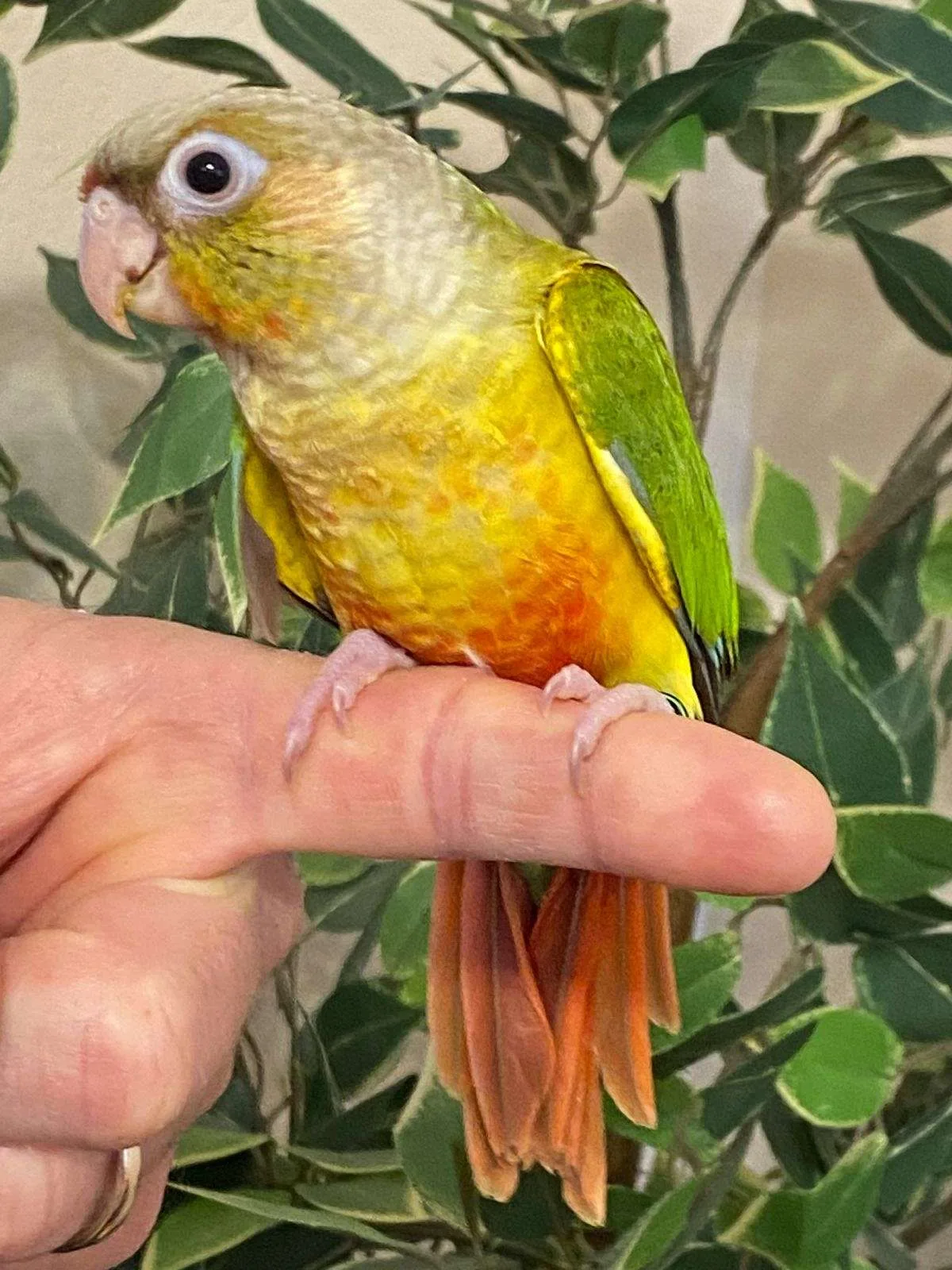
Image source: Bing (Web (fair-use with source credit))