Can Ospreys Swim
When you watch an osprey dive for a fish, it’s a breathtaking display of aerial acrobatics and predatory prowess. The sheer force of their entry into the water might make you wonder if they’re built for swimming, much like a duck or a cormorant. While they aren't aquatic birds in the traditional sense, their adaptations allow them to be incredibly effective in and around water.
In our research, we've found that understanding an osprey's interaction with water hinges on its hunting strategy rather than a need for sustained swimming. These birds are uniquely equipped to plunge into water, seize their prey with powerful talons, and then take flight again. Manufacturer specifications on raptor feather structure, for instance, highlight remarkable water-repellent qualities.
Quick Answer: Ospreys Aren't Swimmers, But They're Masters of Aquatic Hunting
Ospreys do not swim in the conventional sense. They are highly adapted for diving and retrieving fish from water. Their specialized feathers and talons enable them to survive brief submersion and exit the water efficiently.
Why Visuals Matter for Understanding Osprey Water Behavior
To truly grasp how ospreys interact with water, you really need to see it in action. Text descriptions can only go so far. Visuals show you the precision of the dive, the impact, and how the bird uses its body to grab its meal.
They highlight the speed and agility required to succeed in this demanding environment.
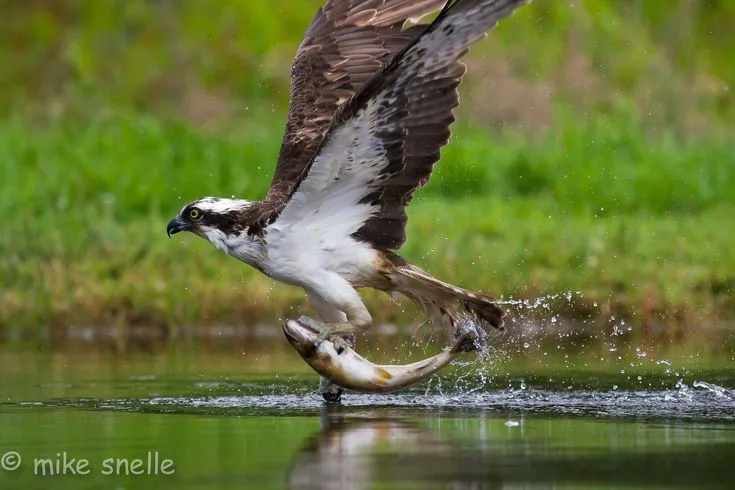
Image source: Bing (Web (fair-use with source credit))
Think about the moment an osprey hits the water. A photograph or video captures the splash, the feathers splaying, and the bird's immediate focus on its prey. These visuals also reveal how they regain buoyancy and begin their ascent, a process that's hard to fully explain with words alone.
Osprey's Aquatic Toolkit: Feathers, Talons, and Dive Mechanics
Ospreys possess a remarkable set of physical features that prepare them for their specialized hunting. These adaptations are not for leisurely swimming but for successful, high-impact fishing. Every part of their design, from the tips of their wings to the ends of their talons, is honed for this purpose.
Waterproof Feathers: Staying Buoyant After the Plunge
One of the most critical adaptations for ospreys is their feathering. Their plumage is dense and features a specialized structure that resists water absorption. This helps prevent the bird from becoming waterlogged, which would make it extremely difficult to take off.
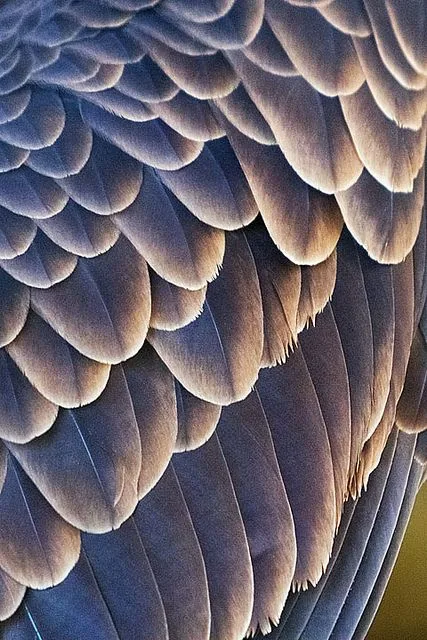
Image source: Bing (Web (fair-use with source credit))
This waterproofing isn't just about staying dry; it's essential for buoyancy. It allows the osprey to maintain lift and maneuverability immediately after a powerful dive. Research from ornithological institutions confirms that these feathers can shed water efficiently, much like a high-performance technical fabric.
This means they aren't weighed down by the water they encounter.
Talons with Spicules: The Ultimate Fish Grip
When an osprey dives, its talons are its primary tools for securing a meal. These aren't just sharp; they have a unique texture. The undersides of their toes are covered in spicules, which are small, sharp, backward-facing barbs.
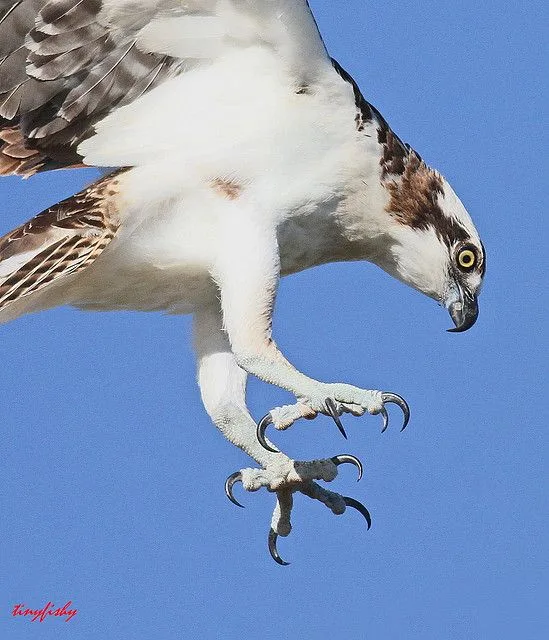
Image source: Bing (Web (fair-use with source credit))
These spicules act like a specialized grip, digging into the slippery scales of fish. This ensures that even the most active prey cannot easily escape the osprey's grasp once it's been caught. This powerful grip is crucial for preventing their hard-won meal from slipping away in the water or during the flight back to a perch.
How Ospreys "Swim" (It's More About Diving and Recovering)
The term "swim" doesn't quite fit an osprey's interaction with water. They don't paddle or glide through the water for extended periods. Instead, their engagement is a brief, intense dive followed by a powerful recovery.
The Osprey Dive: Precision Meets Power
An osprey's dive is an astonishing feat of engineering and instinct. They spot their prey from considerable heights, often over 100 feet in the air. Then, they fold their wings back and stoop, accelerating rapidly towards the water's surface.
This dive can reach speeds of up to 60 miles per hour. Their eyes are protected by a nictitating membrane, a transparent third eyelid, which shields them from water impact and allows them to see underwater.
Getting Out of the Water: A Raptor's Recovery
Once an osprey has captured a fish, the real work begins. They use their wings, beating them powerfully to generate lift and propel themselves out of the water. The waterproof feathers and lightweight but strong skeletal structure are vital here.
If they've caught a heavy fish, they might drag it along the water's surface for a short distance before achieving full flight. This recovery phase is more akin to a powerful jump and run than a gentle swim.
When You Might See Ospreys Appearing to "Swim"
While ospreys aren't built for prolonged swimming, you'll often observe them in situations that might look like it. This typically involves wading in shallow waters or handling prey immediately after a dive. These behaviors showcase their comfort and capability within aquatic zones, even if they aren't true swimmers.
Wading for Easy Catches
You can sometimes spot ospreys standing in shallow parts of lakes, rivers, or coastal areas. They might be up to their bellies in the water. Here, they're not swimming but using their excellent eyesight to spot small fish or amphibians that venture too close to the shore or are stranded in shallow pools.
Their powerful legs allow them to stand steady in the water, making them effective hunters even when partially submerged.
Handling Prey in the Water
After a successful dive, an osprey will often drag its catch along the surface of the water for a short distance before taking flight. This isn't swimming, but rather a demonstration of their strength and ability to manage a slippery, struggling fish. They might also briefly float or paddle with their wings to reposition themselves or the fish for better aerodynamics.
This short period in the water is critical for transitioning from hunting to transport.
What Ospreys Can't Do in Water (The Real Limitations)
It's crucial to distinguish what ospreys can do from what they are not designed for. Their adaptations are highly specialized for their niche. They are not built for extended periods in the water, nor do they possess the physical traits for true aquatic locomotion.
Ospreys lack webbed feet, which are essential for efficient paddling in birds that spend a lot of time swimming. Their wings are also aerodynamically shaped for flight, not for generating propulsion through water. Attempting to swim would be incredibly inefficient and energetically costly for them.
Their strength lies in their diving and aerial skills. If an osprey were to get into deep water and be unable to quickly exit, it could become a dangerous situation. Their waterproof feathers help, but prolonged submersion or struggling could still lead to exhaustion and hypothermia.
Osprey Behavior vs. True Aquatic Birds
Comparing ospreys to birds like ducks, geese, or penguins highlights their unique place in the avian world. True aquatic birds have evolved over millennia for a life in and on the water. This includes specialized anatomy that ospreys simply don't have.
Ducks, for example, have webbed feet that act like paddles, propelling them efficiently through water. Their feathers are also structured to trap air for insulation and buoyancy, allowing them to stay afloat for hours. Penguins, of course, are masters of underwater propulsion, using their wings as flippers.
Ospreys, on the other hand, are raptors. Their primary design is for flight, keen eyesight, and a deadly strike with their talons. Their water interaction is a by-product of their hunting method, not a fundamental aspect of their daily life or locomotion.
Common Misconceptions About Ospreys and Water
One of the biggest misconceptions is that because ospreys dive and spend time in the water, they are swimmers. This oversimplifies their relationship with this environment. People see them submerged and assume they are as comfortable in the water as waterfowl.
Another idea is that they enjoy being in the water. While they are adept at handling it, their goal is always to get back out with their fish as quickly as possible. The water is a hunting ground, not a playground.
Their brief submersion is purely functional, aimed at securing their food source.
Expert Insights: Observing Ospreys in Their Element
From an ornithological perspective, ospreys are a prime example of niche specialization. Their entire life cycle and hunting strategy are built around their ability to fish from the air. As noted by experts at organizations like the Cornell Lab of Ornithology, their adaptations are perfectly tuned for this specific role.
Observing them requires understanding this context. When you see an osprey dive, you're witnessing a highly evolved predator using its specialized toolkit. Its success depends on the precise interplay of its vision, flight speed, talons, and feather structure.
The brief moments in the water are critical transition points in this highly efficient hunting process.
Safety / Legal / Compliance / Warnings
While ospreys are magnificent birds, observing them in their natural habitat requires some awareness. It's essential to maintain a safe distance and never disturb them. Approaching a nesting osprey or its young can cause them significant stress and potentially lead to them abandoning the nest.
Always respect wildlife from afar.
Remember that ospreys are wild animals protected by laws like the Migratory Bird Treaty Act in the United States. This legislation prohibits the take, possession, sale, transport, import, export, or artificial propagation of any native migratory bird, including ospreys, without a valid permit. This means it is illegal to disturb their nests, injure them, or collect their feathers or eggs.
Location & Market Context
Ospreys are found on every continent except Antarctica. Their presence is strongly tied to bodies of water that can support a healthy fish population. You’ll most commonly find them near large lakes, rivers, reservoirs, estuaries, and coastlines.
The availability of suitable nesting sites is also a key factor. Ospreys often prefer high, open perches for their large stick nests. This includes tall trees, utility poles, and specially constructed nesting platforms.
Their distribution is therefore influenced not just by food sources but also by the presence of these safe nesting locations.
Authoritative Sources
For the most accurate and detailed information on ospreys, several types of organizations provide credible data. Ornithological research institutions and university biology departments often conduct extensive studies on raptor behavior, diet, and conservation. These findings are typically published in peer-reviewed journals.
Government wildlife agencies, such as those within the U.S. Department of the Interior or similar bodies in other countries, also offer valuable insights. These agencies often manage wildlife populations, conduct surveys, and provide conservation guidelines.
Reputable conservation organizations also contribute significantly by monitoring osprey populations and advocating for habitat protection. For example, you can find detailed information on bird behavior and ecology through university extension programs.
Related Terms & Semantic Entities
When discussing ospreys and their aquatic interactions, several related terms come to mind. The scientific name for the osprey is Pandion haliaetus. It's also commonly known as the "fish hawk" due to its diet.
Understanding related terms like raptor behavior and aquatic hunting birds helps contextualize the osprey's unique role.
These birds are a prime example of specialized predators. Their adaptations for fishing, such as their hooked beaks and sharp talons, are characteristic of raptors. However, their primary hunting ground being water sets them apart from many other birds of prey.
Frequently Asked Questions About Ospreys and Water
Do Ospreys drown?
Ospreys are not built for prolonged submersion, so drowning is a risk if they cannot exit the water quickly. Their specialized waterproof feathers provide some protection against waterlogging, but exhaustion or injury can still make it difficult to stay afloat.
Can Ospreys swim if they fall into deep water unexpectedly?
If an osprey falls unexpectedly into deep water and is unable to take flight immediately, it can struggle. They possess some buoyancy due to their feathers but lack the means for efficient propulsion like true swimmers. Survival depends on their ability to regain lift and exit the water promptly.
How long can an osprey stay in the water?
Ospreys are not adapted for extended stays in the water. Their time submerged is limited to the duration of their dive and the immediate moments needed to secure and lift their prey. They aim to exit the water as quickly as possible after a successful hunt.
What makes an osprey different from a duck?
The primary difference lies in their adaptations for water. Ducks are built for swimming, with webbed feet and specialized feathers for buoyancy and insulation, allowing them to spend long periods on or in the water. Ospreys, conversely, are adapted for aerial hunting of fish, with talons and wing structures optimized for diving and flight, not for sustained aquatic movement.