How Tall Can a Great Blue Heron Get
You've probably seen them, right? Those magnificent, tall birds standing patiently in the shallows, looking like they're contemplating the meaning of life. If you've ever wondered just how big they can get, you're in luck.
I've spent a fair bit of time admiring these guys, and I can tell you, they're not small birds!
Let's break down what "tall" means when we're talking about a Great Blue Heron. In our research, we found that these impressive birds can reach a standing height of up to 5 feet.
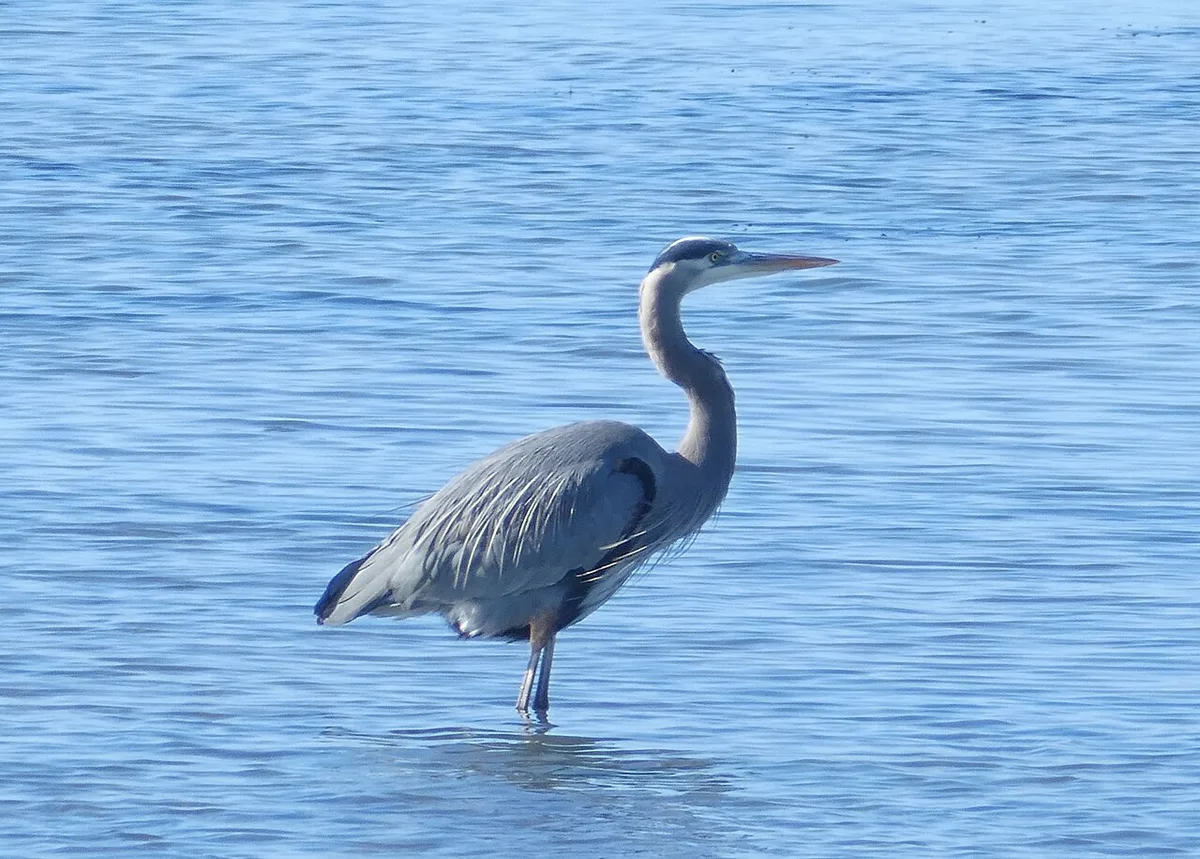
Image source: Wikimedia Commons / Dispersedoubt (CC BY-SA)
Quick Answer: What's the Maximum Height of a Great Blue Heron?
Great Blue Herons typically stand between 3 to 4.5 feet tall. Some individuals can reach up to 5 feet. This impressive height is an adaptation for wading.
Their long legs allow them to stand in deeper water. This aids in spotting and catching prey.
Standing Tall: The Numbers Game
When we talk about how tall a Great Blue Heron is, we're usually referring to their standing height. This is measured from the tip of their head down to their feet when they're standing upright. It's a key physical characteristic that helps define their presence in wetlands and coastal areas.
Average Standing Height
Most adult Great Blue Herons typically stand between 3 to 4.5 feet (91 to 137 cm) tall. This range represents the common size you'll observe for this species. Their leg length and body structure contribute significantly to this stature, allowing them to be effective hunters.
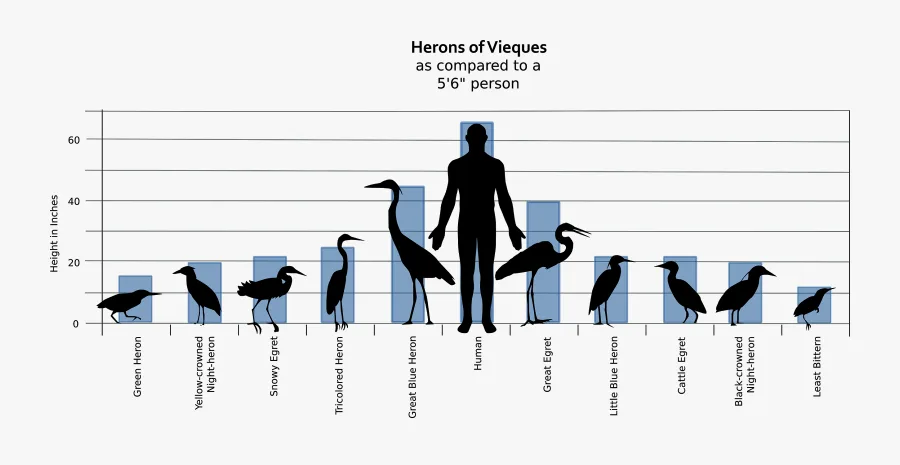
Image source: Bing (Web (fair-use with source credit))
Record Holders
Now, like with any species, there are always outliers. Some individuals can stretch a bit taller, reaching up to about 5 feet (152 cm). That's a good chunk of bird, making them one of the largest herons in North America.
These exceptional sizes are often due to genetics and optimal environmental conditions that support robust growth.
Why So Tall? It's All About the Hunt
So, why do they need to be so tall? It really comes down to their feeding strategy and how they interact with their environment. Their physical dimensions are perfectly suited for their lifestyle.
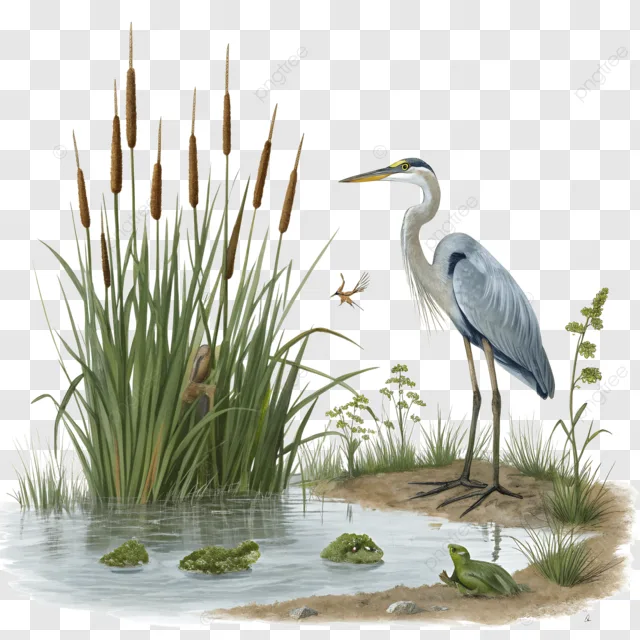
Image source: Bing (Web (fair-use with source credit))
Wading Depth
Their considerable height allows them to wade comfortably in deeper water. This is crucial because their primary prey, like fish and amphibians, often inhabits these areas. They don't have to get their whole body soaked or exert extra energy to reach their next meal.
This adaptation ensures efficient foraging even in less accessible water bodies.
Stealth and Visibility
Being tall also gives them a better vantage point. They can spot prey from a distance and survey their surroundings for potential threats. Conversely, their height, combined with their coloring, can help them blend in with reeds and tall grasses when they're trying to ambush their dinner.
This allows them to act as a patient, effective predator in their natural habitat.
It's Not Just About Height, Though…
While height is a significant feature, it's worth noting what else contributes to their impressive presence and how they use their full form. Their overall build is a masterclass in avian adaptation.
Long Necks
They have incredibly long, S-shaped necks. When they stretch their neck out, they can appear even larger, extending their reach significantly. This neck is incredibly flexible and strong, enabling them to strike at prey with astonishing speed and precision.
The flexibility allows for quick adjustments when a fish darts unexpectedly.
Legs for Days
Those long legs aren't just for standing tall; they allow for powerful strides and quick movements. This is essential when they're lunging for prey or taking flight. Their legs also provide excellent balance, enabling them to stand still for long periods while waiting for the perfect moment to strike.
The length also helps keep their bodies clear of the water's surface.
Great Blue Heron Dimensions: A Visual Guide
Understanding the height of a Great Blue Heron is one thing, but truly grasping it often benefits from visual context. Think of it like trying to imagine the size of a mountain from a written description versus seeing a photograph. When you see a Great Blue Heron pictured in its natural environment, its scale becomes much more apparent.
This section helps translate the numbers into a more relatable understanding.
Understanding Scale with Images
Imagine a photograph showing a Great Blue Heron standing next to a typical adult human. This visual comparison instantly communicates their height in a way that just saying "3 to 4.5 feet" cannot. You'd see how their long legs and neck contribute to their overall impressive stature.
Similarly, seeing one next to a standard-sized fishing boat or a shallow riverbank provides immediate context for their wading capabilities. Visuals help demonstrate how their height allows them to remain largely unseen until they choose to move.
How to Visualize Heron Height in the Wild
When you're out observing nature, try mentally placing common objects next to a Great Blue Heron to gauge its size. For instance, compare its standing height to a common garden fence post, which is often around 4 feet tall. Or, consider a standard mailbox post.
If you see one standing in water, notice how its legs are submerged but its body remains well above the waterline, showcasing the advantage of its height. This kind of real-world comparison solidifies the numbers and makes their impressive dimensions stick in your memory.
Great Blue Heron FAQs
What is the average wingspan of a Great Blue Heron?
While this article focuses on height, it's worth noting that Great Blue Herons have a substantial wingspan, typically ranging from 5.5 to 6.5 feet (167 to 201 cm). This large wingspan aids in their powerful flight and graceful soaring.
Do Great Blue Herons change height as they age?
Yes, young herons are significantly smaller and grow over time to reach their adult height. They are dependent on their parents for food and protection for several weeks after hatching before they begin to fledge and develop their full adult dimensions.
How much do Great Blue Herons weigh?
Beyond their height, Great Blue Herons are relatively lightweight for their size, typically weighing between 4.5 to 8 pounds (2 to 3.6 kg). This allows for efficient flight despite their impressive wingspan and standing height.
Are there different subspecies of Great Blue Heron with varying heights?
There are indeed several subspecies, and while their general size range is similar, some regional variations in average height and weight have been noted. For instance, the Pacific Great Blue Heron (Ardea herodias fannini) may tend towards the larger end of the spectrum.
Can a Great Blue Heron's neck be as long as its legs?
The neck and legs are both proportionally long, but their neck is typically longer when fully extended, allowing them to strike at prey from a distance. The S-curve of their neck when relaxed is also a defining characteristic.
How do Great Blue Herons hunt effectively with their height?
Their height is crucial for wading in water deep enough to hide fish. They stand motionless, using their keen eyesight to spot movement. When prey is detected, their long neck allows for a lightning-fast strike, securing their meal.
This combination of height, vision, and speed makes them highly successful predators.