How Do Flamingos Get Their Pink Color
Ever wondered how flamingos pull off that stunning pink hue? It's not a dye job or a fashion statement; their vibrant color comes straight from their diet. This fascinating natural phenomenon is a prime example of how an animal's environment directly shapes its appearance, making them one of nature's most iconic birds.
The intensity of a flamingo's pink can actually tell you a lot about its health. Brighter, more saturated colors often indicate a well-nourished bird, while paler individuals might be struggling to find enough of the right food. As of 2026, scientific studies continue to explore the nuances of carotenoid absorption in various species, offering deeper insights into avian biology.
Quick Answer
Flamingos get their pink color from pigments called carotenoids found in their food. They eat algae and crustaceans rich in these compounds. Their liver breaks down the carotenoids, which are then absorbed by cells in their feathers, skin, and beak, giving them their signature pink, orange, or reddish shades.
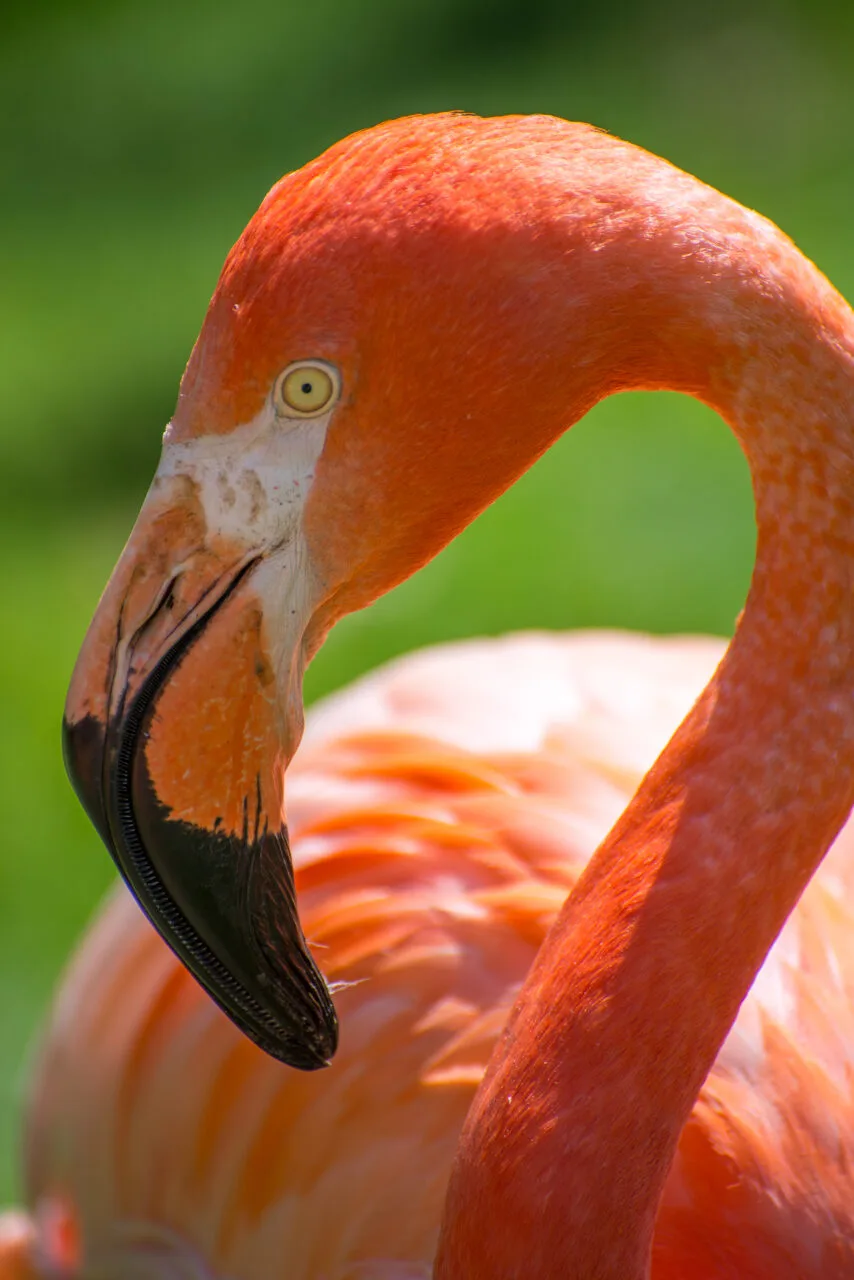
Image source: Bing (Web (fair-use with source credit))
The Secret Ingredient: Carotenoids
Flamingos owe their fabulous pink to a special group of natural pigments called carotenoids. These are the same types of compounds that give carrots their orange color, or make tomatoes red. But for flamingos, carotenoids are the key to their distinctive rosy plumage.
What Are Carotenoids?
Carotenoids are organic pigments that occur naturally in plants and other photosynthetic organisms. They play important roles in photosynthesis, like absorbing light energy, and act as antioxidants. In the animal kingdom, when animals consume these pigments through their diet, the carotenoids can be stored and expressed, influencing their coloration.
Research from institutions like the University of California, Davis details their diverse functions.
Where Flamingos Find Them
The specific carotenoids responsible for flamingo pink are typically found in their aquatic food sources. These aren't high-end gourmet ingredients; rather, they're the tiny organisms that thrive in the shallow waters flamingos call home. It's the abundance of these particular pigments in their natural diet that allows for the dramatic color transformation.
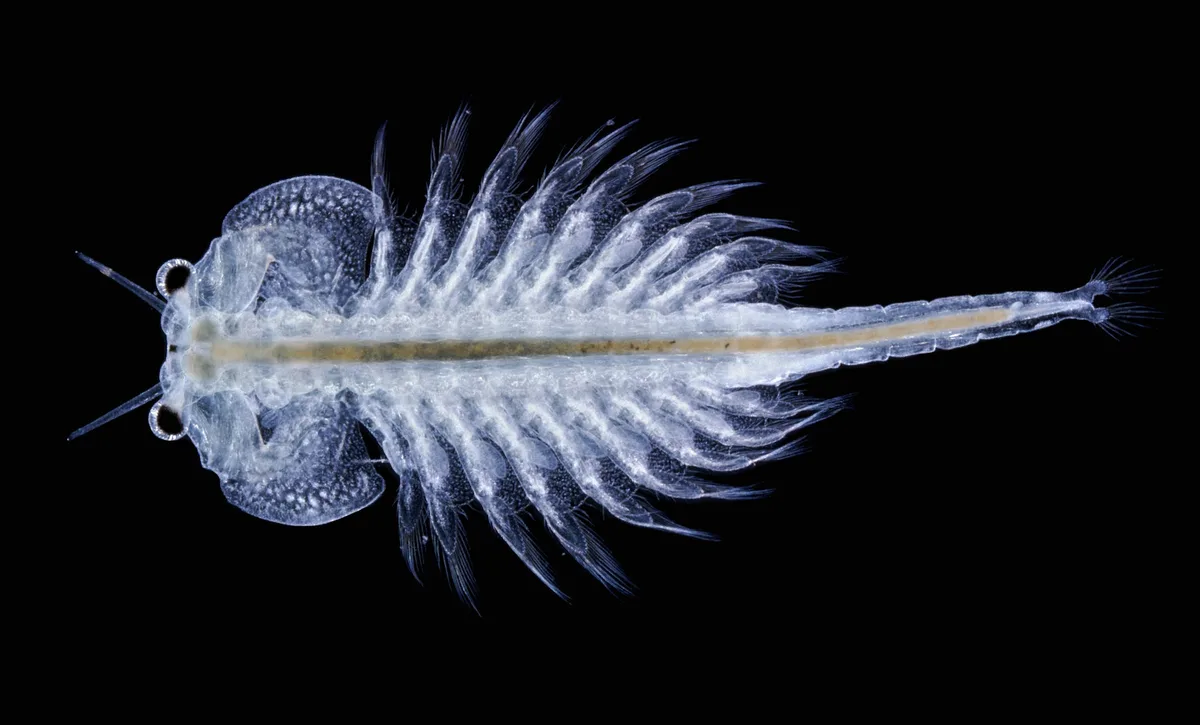
Image source: Bing (Web (fair-use with source credit))
From Gray Chicks to Pink Beauties: The Transformation Process
Baby flamingos, or chicks, aren't born with the striking colors we associate with adult birds. They start life with a soft, downy gray or white covering. The journey to vibrant pink is a gradual process, directly tied to their diet and their body's ability to process these essential pigments.
What Flamingos Eat to Get Pink
The primary source of carotenoids for flamingos comes from two main dietary components: certain types of algae and small crustaceans. Brine shrimp (Artemia salina) are particularly rich in beta-carotene and other carotenoids. Other small invertebrates, which have themselves consumed carotenoid-rich algae or plankton, also contribute.
It’s a consistent diet of these colorful little meals that fuels the flamingo's transformation.
How Their Bodies Process the Pigments
Once a flamingo ingests food containing carotenoids, its digestive system gets to work. The liver plays a crucial role in breaking down the complex carotenoid molecules into smaller, usable components. Specialized cells then absorb these processed pigments.
These pigments are distributed to the skin, feather follicles, and beak, where they deposit, gradually coloring the bird's exterior. This metabolic process is key to converting dietary intake into visible color.

Image source: Bing (Web (fair-use with source credit))
The Brightness Factor: What Color Intensity Means
The exact shade and intensity of a flamingo's pink can vary quite a bit, from a pale blush to a deep, fiery red. This variation isn't random; it's a direct indicator of the bird's health and the quality of its diet. A vibrant color signals a well-fed and thriving individual, while a dull or faded appearance can suggest underlying health issues or a lack of necessary nutrients.
Health and Diet Indicators
A consistently bright pink, whether it’s a rosy hue or a more intense reddish-orange, means the flamingo is successfully consuming and processing enough carotenoid-rich foods. This suggests it has good access to its preferred food sources, such as brine shrimp and specific algae, and its digestive and metabolic systems are functioning optimally. This visible health cue is important for various aspects of its life, including social interactions and reproduction.
The Role in Social Life
In large flamingo flocks, color can also play a role in social dynamics. Birds that are brighter pink might be perceived as healthier and more desirable mates. This visual signal helps in mate selection, ensuring that the strongest and most robust individuals reproduce.
It's a natural way for the species to maintain its genetic fitness and overall population health, showcasing how appearance directly links to survival and reproductive success.
Why This Color Matters in the Wild
A flamingo's pink coloration isn't just for show; it serves crucial survival functions within its natural habitat. This vibrant hue helps the birds in ways that are essential for their day-to-day existence, from avoiding predators to finding partners. It’s a beautiful example of adaptation at work.
Camouflage and Survival
While it might seem counterintuitive for such a bright color to be camouflage, it often works exceptionally well in the flamingo's environment. Many flamingo species live in shallow saline lakes and lagoons, often in areas with pink or red-tinged water from algae or minerals. Their pink plumage allows them to blend seamlessly with these colorful backdrops, making them harder for predators, like large birds of prey or crocodiles, to spot.
This visual disruption is a key defense mechanism.
Attracting a Mate
Beyond camouflage, the intensity of a flamingo's pink is a significant factor in courtship rituals. Brighter, more saturated pinks often signal that a flamingo is in peak condition, well-nourished, and healthy. This makes them more attractive to potential mates.
During mating displays, these vibrant colors can be accentuated, helping individuals choose the best partners for successful reproduction. It's a visual testament to an individual's fitness.
Frequently Asked Questions About Flamingo Pink
Do all flamingos have the same color?
No, not exactly. While all flamingos get their pink from carotenoids, the intensity and exact shade can vary. Factors like species, age, and diet quality influence whether a flamingo appears pale pink, bright orange, or a deep crimson.
Can flamingos lose their pink color?
Yes, they can. If a flamingo's diet lacks sufficient carotenoids, its feathers can become paler over time. This is more common in captive birds whose diets might not perfectly replicate their natural food sources.
Is the pink color harmful to flamingos?
Not at all. The pink color is a natural result of their diet and is essential for their survival. It aids in camouflage and mate attraction, and a vibrant pink is a sign of good health, not a detriment.
Do flamingos eat for color or for food?
Flamingos eat primarily for sustenance, but their digestive systems are uniquely adapted to extract and utilize the carotenoids from their food. The color is a beneficial byproduct of a diet rich in essential nutrients, not the sole purpose of their feeding.