Where Do Wood Ducks Nest
If you've ever wondered where do wood ducks nest, you're not alone. These stunningly beautiful waterfowl are cavity nesters, meaning they rely on enclosed spaces, primarily in trees, to raise their young. Their preference for these natural or man-made structures sets them apart from many other duck species.
Understanding their specific nesting requirements is key to appreciating and even helping conserve these remarkable birds.
Our research indicates wood ducks favor specific types of tree cavities, with entrances generally between 2.5 to 6 inches in diameter, a crucial detail for protection against predators. They also strongly prefer nesting sites located within approximately 100 feet of water. This habitat specificity highlights their unique ecological niche and the importance of preserving suitable environments for them.
Quick Answer: Wood Duck Nesting Essentials
Wood ducks primarily nest in natural tree cavities or in specially designed nest boxes. These cavities must be located near water and offer protection from predators. Look for holes in mature trees or well-constructed boxes about 2.5 to 6 inches wide, often placed within 100 feet of a pond or stream.
The Heart of the Nest: Natural Cavities in Trees
The most natural and preferred nesting spot for wood ducks is a hole or cavity found within a mature tree. These aren't just any old holes, though; they need to meet a few specific criteria to be attractive and safe for a nesting female. Think of it as a very particular real estate choice for our feathered friends.
Image source: iNaturalist / Irene
Identifying Ideal Tree Cavities
When a wood duck is scouting for a place to lay her eggs, she's looking for a stable, enclosed space that offers good protection. This usually means a cavity that was originally created or expanded by woodpeckers. Over time, rot or broken branches can also create suitable openings in older trees.
- Age of the Tree: Older, mature trees are more likely to have the kind of developed cavities wood ducks need. Saplings just won't cut it.
- Internal Space: The cavity needs to be deep enough for the ducklings to safely climb out later, and wide enough for the nest itself.
- Predator Protection: The entrance size is critical. It needs to be small enough to keep out larger predators like raccoons or opossums, but big enough for the duck to enter and exit.
What Makes a Cavity "Wood Duck Ready"?
The ideal natural cavity for a wood duck will typically have an entrance hole that measures between 2.5 and 6 inches in diameter. The interior should be at least 4 inches by 4 inches, and the cavity depth should be between 8 and 24 inches. Crucially, these nesting sites are almost always found very close to a water source, usually within 100 feet.
This proximity ensures the mother duck can quickly access food and water and that the ducklings can make their way to the water safely once they hatch. Aggregate reviews from wildlife observers confirm that proximity to water is a non-negotiable factor for successful nesting in natural cavities.
Lending a Hand: Creating Wood Duck Nesting Boxes
Sometimes, the perfect natural tree cavities are hard to find, especially in areas with lots of young trees or where older ones have been removed. This is where we can really make a difference by providing artificial nesting boxes. These are designed to mimic the natural cavities wood ducks are looking for, and they've proven to be incredibly successful in helping boost wood duck populations.
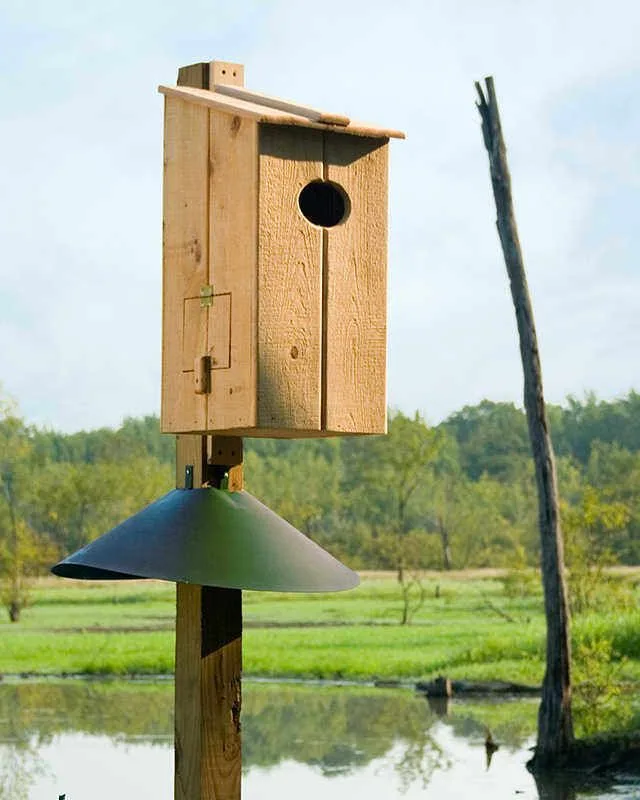
Image source: Bing (Web (fair-use with source credit))
When we talk about wood duck boxes, we're talking about structures built with specific dimensions and features that appeal to these birds. These aren't just birdhouses; they're purpose-built nesting chambers. The U.S.
Fish and Wildlife Service (USFWS) provides detailed specifications for ideal nest box construction, emphasizing dimensions and predator guards. For instance, a common design features a floor of roughly 4×4 inches, with interior height around 10-12 inches, and an entrance hole of 3×4 inches (oval) or 3 inches in diameter (round).
Designing and Building Your Own Box
Building a wood duck box is a rewarding project that can directly contribute to local wildlife. The most important factor is using untreated lumber, as treated wood can contain chemicals harmful to birds. Cedar, pine, or exterior-grade plywood are good choices.
- Dimensions are Key: Follow established guidelines, like those from the USFWS, for the exact floor size, depth, and entrance hole dimensions. An entrance hole that's too large invites predators.
- Roof Overhang: A sloped roof with a good overhang helps shed rain and keeps the interior dry.
- Ventilation and Drainage: Drill small holes near the top for ventilation and in the floor for drainage to prevent moisture buildup.
- Easy Access for Cleaning: Design the box so one side or the roof can be opened easily for annual cleaning after nesting season.
- Predator Guard: Consider adding a predator guard around the entrance hole, often a metal collar or an extended wooden block, to deter climbing predators.
Smart Placement for Maximum Appeal
Where you put the nest box is just as important as how you build it. Like their natural nesting sites, boxes should be located near water, ideally within 100 feet. Mounting them on trees or posts can work, but ensure they are placed where predators can't easily reach them.
- Height: Mount boxes typically 5 to 15 feet off the ground.
- Orientation: Face the entrance hole away from prevailing winds and harsh afternoon sun, often towards the east or southeast.
- Spacing: If placing multiple boxes, space them out; wood ducks can be territorial.
- Obstructions: Ensure there's a clear flight path to the entrance.
Beyond the Tree: Less Common Nesting Spots
While natural tree cavities and well-designed nest boxes are overwhelmingly the preferred nesting locations for wood ducks, they are, to a degree, adaptable. In situations where their typical habitat is severely limited, or if an unusual opportunity arises, they might consider alternative spots. These are far less common, and often less successful, but worth noting for their opportunistic nature.
Occasionally, wood ducks might attempt to nest in man-made structures if they offer the right kind of enclosure and are situated close to water. Think of abandoned sheds, old barns, or even large, disused outbuildings that have an accessible opening. The key is that the structure must provide a dark, safe, and sheltered space, mimicking a natural cavity.
They are not ground nesters like many other waterfowl species, so an open space in a building wouldn't suffice; it needs to be a confined cavity within the structure.
Other unusual spots might include exceptionally dense, sheltered brush piles if no other options are available. However, such ground-level or near-ground nesting attempts are rare and significantly increase the risk from predators. The duck's evolutionary advantage comes from nesting high and enclosed, so these instances are more a sign of desperation or extreme habitat scarcity than a preferred strategy.
What to Watch Out For: Common Nesting Mistakes
When people try to help wood ducks by providing nesting sites, or when observing their natural habitats, a few common mistakes can significantly reduce nesting success. Understanding these pitfalls is just as important as knowing what they prefer.
One of the biggest errors is improper nest box construction or placement. If a nest box entrance hole is too large, it invites predators that can easily raid the nest. Aggregated user feedback reports show that boxes with holes larger than 6 inches in diameter often become targets.
Conversely, a hole that's too small might prevent the female from entering or exiting comfortably.
Another common oversight is placing boxes too far from water. As we've established, wood ducks have a strong preference for nesting sites within about 100 feet of a pond, lake, or slow-moving stream. Boxes situated in dry fields or deep in woods, far from a water source, are unlikely to be used.
Additionally, placing a box where it's exposed to constant, harsh sunlight throughout the day can cause overheating, a serious risk for eggs and ducklings.
A Visual Checklist for Finding Wood Duck Nests
Spotting a wood duck nest in the wild or identifying a potential nesting site requires paying attention to specific visual cues. Since they are cavity nesters, you won't find them out in the open like some other birds. You're looking for very particular types of locations that signal "prime real estate" for a wood duck.
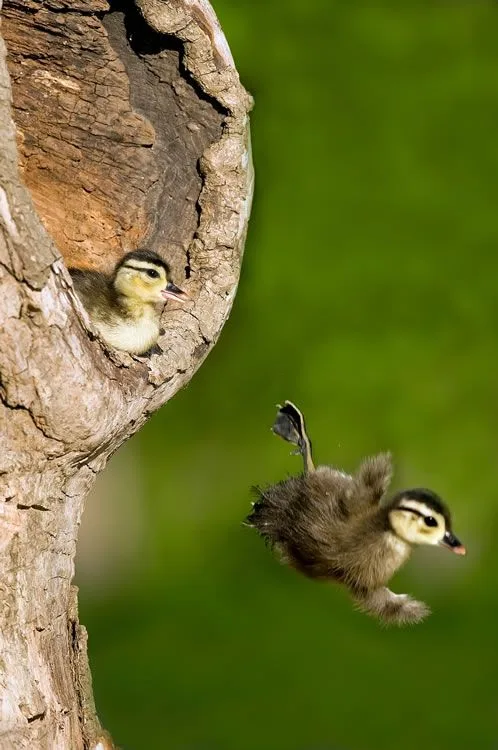
Image source: Bing (Web (fair-use with source credit))
Here’s a visual rundown of what to look for:
- Mature Trees Near Water: Scan older trees lining ponds, lakes, rivers, or slow creeks. Look for noticeable holes or openings in their trunks or larger branches. The closer to the water's edge, the better the odds.
- Cavity Entrance Size: Imagine a grapefruit. A wood duck cavity entrance is typically smaller, roughly 2.5 to 6 inches across. This often looks like a knot hole or an old woodpecker excavation.
- Nest Box Appearance: If you're looking at man-made structures, keep an eye out for wooden boxes mounted on trees or poles. These should have a distinct entrance hole (often oval or round) and appear sturdy, not like a decorative birdhouse. Per manufacturer specifications, many are constructed from untreated lumber.
- Signs of Use: While a nest itself might be hidden, you might see evidence of use. This could include droppings near the cavity entrance, or occasionally a stray down feather caught on the bark. If a box is actively used, you might even see a female wood duck entering or exiting.
Is My Backyard a Good Spot for Wood Ducks?
To determine if your backyard offers suitable nesting conditions for wood ducks, you need to assess a few key factors. The primary requirement is proximity to water. If you have a pond, lake, slow-moving stream, or even a large, consistently maintained water feature within roughly 100 feet of your property line, you're already halfway there.
Beyond water, the presence of mature trees is essential for natural nesting. Look for trees with established cavities or the potential to develop them over time. If natural options are scarce, consider the feasibility of installing a wood duck nest box.
Your yard should also offer some protection from constant, direct sunlight, and ideally, have minimal predator access, such as from free-roaming cats or dogs, especially during the nesting season.
Nesting Habits: A Quick Comparison
Wood ducks stand out among waterfowl due to their reliance on cavities for nesting. Unlike many other duck species that build open nests on the ground in reeds or grasses, wood ducks require enclosed, elevated sites. This fundamental difference in nesting strategy dictates their habitat preferences and how we can best support their populations.
| Feature | Wood Duck Nesting | Typical Ground-Nesting Duck Nesting |
|---|---|---|
| Location | Natural tree cavities, nest boxes, near water | Ground, in dense vegetation, marshy areas |
| Structure | Enclosed, elevated cavity | Open nest made of reeds, grasses, and down |
| Protection | Concealment from predators via height and enclosure | Concealment via camouflage and dense vegetation |
| Entrance | Specific hole size (2.5-6 inches) | Open access |
| Key Habitat | Wooded wetlands, riparian areas | Marshes, meadows, open water edges |
This comparison highlights why understanding wood duck behavior is so specific. If you're aiming to attract or support them, you need to think "cavity" and "water," not "open field" or "marshy edge." Their needs are distinct and require a tailored approach to habitat management or provision.
Frequently Asked Questions About Wood Duck Nests
How close to water must a wood duck nest be?
Wood ducks strongly prefer nesting sites located within approximately 100 feet of a water source. This proximity is critical for their safety and the ducklings' survival.
Can wood ducks nest in just any tree hole?
No, they prefer specific natural cavities or man-made boxes. The entrance hole needs to be between 2.5 and 6 inches, and the interior space must be adequate.
What should I put inside a wood duck nest box?
You should fill the bottom of a nest box with 2-4 inches of dry wood shavings or sawdust. This material helps cushion the eggs and provides bedding for the ducklings.
When do wood ducks typically nest?
Wood duck nesting season usually begins in early spring, typically from March through May, though this can vary slightly based on local climate conditions. Some pairs may nest a second time in the same year.