How Fast Can Mallard Ducks Fly
Ever seen a mallard duck just zipping across the sky and wondered, "Wow, how fast are they going?" It's a pretty common question, and the answer isn't just a single number. Like a lot of things in nature, it depends on what they're up to.
We're talking about a bird that's built for both leisurely pond paddling and some serious long-distance travel. So, their speed can really flex. Per general ornithological research, their typical cruising speed for sustained flight falls within the 30 to 40 miles per hour (mph) range, which allows them to cover significant distances.
How Fast Can Mallards Actually Fly?
Mallard ducks are capable of impressive flight speeds, but what that speed is really depends on the situation. They aren't just randomly flying; they have different speeds for different needs. Think of it like a car, you have your highway cruising speed and your quick acceleration for getting around something.
Cruising Speed vs. Burst Speed
When you observe mallards, you'll notice their speed varies. This variation is primarily between their steady, sustained flight for travel and their rapid bursts when needed.
- Cruising Speed: For everyday travel or during migratory flights, mallards typically maintain a speed between 30 and 40 mph. This range is efficient for covering long distances over multiple days. It’s a sustainable pace that conserves energy while still making good progress.
- Burst Speed: If a mallard is startled by a predator or needs to make a quick maneuver, it can achieve higher speeds. While precise measurements for these short bursts are harder to gather consistently, they can likely reach speeds closer to 50 mph for brief periods. This rapid acceleration is crucial for immediate escape and survival.
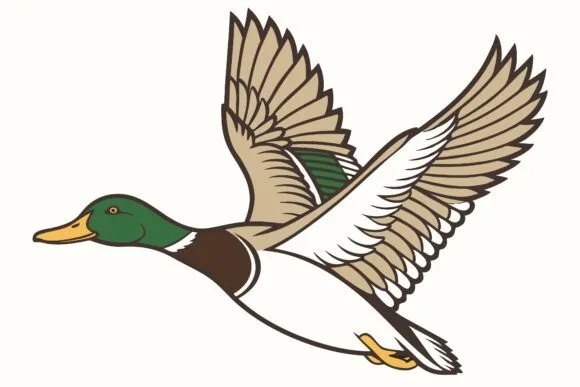
Image source: Bing (Web (fair-use with source credit))
Factors Influencing Mallard Flight Speed
Several natural elements can affect how fast a mallard duck can fly. It's not just about the bird's own capability but also its environment and immediate needs.
Wind's Role in Their Journey
Wind is arguably the biggest external factor influencing a duck's flight speed. A helpful tailwind can significantly boost their ground speed, making their journey feel faster and easier. Conversely, flying into a strong headwind requires much more effort and can make them appear slower, even if their flapping speed remains the same.
Mallards are adept at using wind currents to their advantage, often adjusting their flight paths to take advantage of favorable conditions.
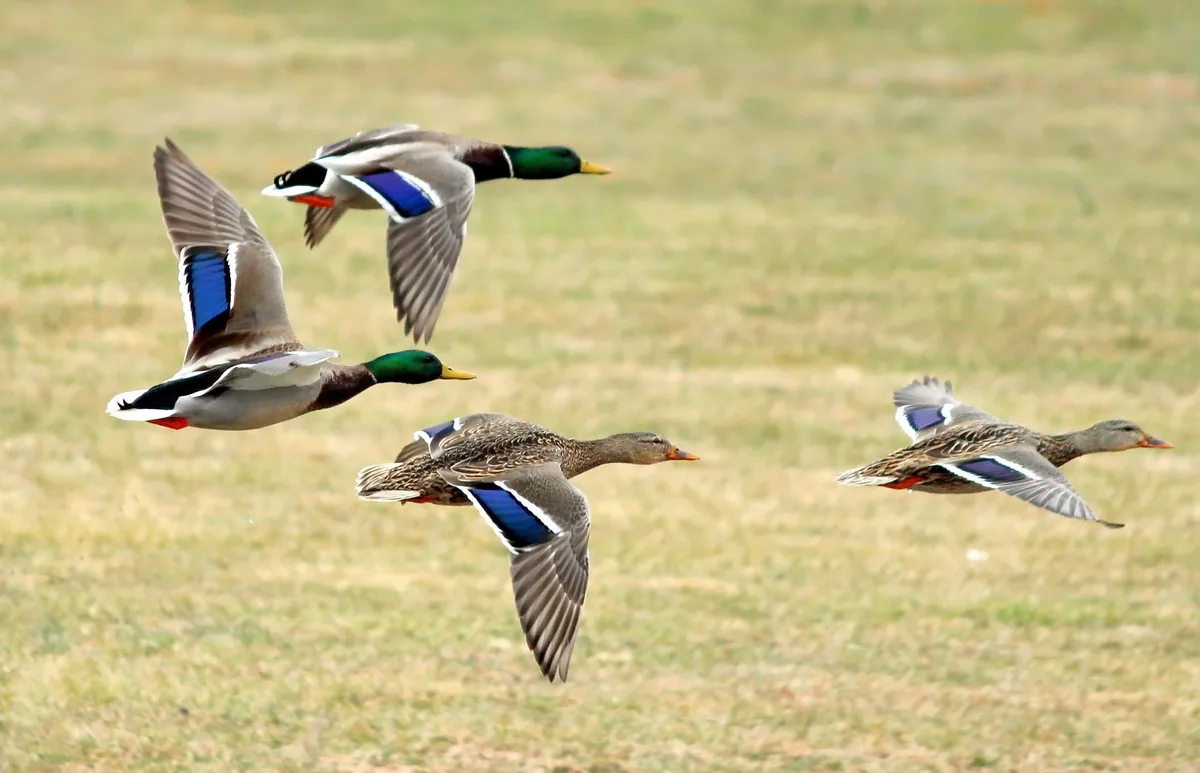
Image source: Bing (Web (fair-use with source credit))
Purpose of Flight: Migration vs. Escape
The reason for flying directly impacts the speed. Migratory flight demands sustained, efficient travel over long distances, leading to steady cruising speeds. When a duck needs to escape immediate danger, however, it prioritizes rapid acceleration and maximum speed for survival, resulting in those shorter, higher-speed bursts.
Bird Condition and Age
Like any living creature, a mallard's physical state plays a vital role in its flight capabilities. A healthy, well-fed duck in its prime will generally fly faster and with more endurance than an older, injured, or less nourished individual. Young birds might still be developing their full flight strength and stamina.
Real-World Observations of Mallard Speed
Understanding how fast mallards fly comes from scientific observation and data collection. Researchers have spent a lot of time studying these birds in their natural habitats to get reliable figures.
Data from Migration Studies
During migratory periods, ornithologists use various methods to track and measure the flight speeds of mallards. These studies often involve direct observation, radar tracking, and sometimes even fitting birds with lightweight data loggers. Aggregate data from these studies consistently shows that mallards maintain speeds of 30-40 mph for extended durations during their long-haul journeys.
These figures are essential for understanding migratory patterns and the energy expenditure involved. For more on bird migration, you can explore resources from organizations like the U.S. Fish and Wildlife Service.
Anecdotal Evidence and Field Notes
Beyond formal studies, many experienced birdwatchers and hunters have noted the speed of mallards. While anecdotal, these observations often align with scientific findings, describing fast-moving ducks during hunting season or quick escapes from perceived threats. These field notes reinforce the data, painting a picture of a bird that can be surprisingly quick when necessary.
Understanding Mallard Flight Endurance
It's not just about how fast mallards can fly; it's also about how long they can keep it up. Their ability to sustain flight over long distances is a marvel of natural engineering. Mallards undertake impressive migrations, often traveling thousands of miles between their breeding grounds and wintering sites.
This requires incredible stamina. Their physiology is adapted for efficient flight, with powerful flight muscles and a respiratory system that can deliver oxygen effectively. This endurance allows them to cross continents and oceans, a testament to their resilience and adaptability.
Common Questions About Mallard Flight Speed
Can they fly backwards?
No, mallard ducks cannot fly backward. Their wing structure and flapping motion are designed for forward propulsion, not reverse. While some birds can hover or fly sideways for short periods, true backward flight is not a capability of mallards.
How long can they fly without stopping?
During migration, mallards can fly for many hours at a stretch, covering significant distances. While they don't typically fly for days without stopping, their endurance allows for long flights of several hundred miles in a single day, especially with favorable tailwinds. They will stop to rest and refuel as needed.
Do they fly faster in colder weather?
Generally, colder weather can potentially increase the density of air, which might allow for slightly more lift and therefore potentially faster flight. However, the primary drivers of speed remain wind conditions and the duck's purpose for flying. Severe cold can also expend more energy, which might limit sustained speed if food is scarce.
Expert Insights on Duck Flight Dynamics
Understanding how fast mallards fly involves looking at the complex interplay of physics and biology. Experts in ornithology and avian mechanics often highlight several key areas that contribute to their aerial prowess. Their wing shape, muscle structure, and even the way they breathe are finely tuned for flight efficiency.
For instance, the powerful pectoral muscles of ducks are proportionally large, providing the necessary force for rapid wing beats. This muscular advantage is critical for both sustained flight and the quick bursts needed to evade predators. Research into avian aerodynamics, such as studies conducted at university research facilities, often details how wing loading and aspect ratios influence a bird's speed and maneuverability.
The mallard's flight is a beautiful example of adaptation. As of 2026, ongoing research continues to refine our understanding of the subtle factors that allow these birds to cover vast distances and achieve impressive speeds. Understanding these dynamics helps us appreciate the incredible capabilities of even common wildlife.
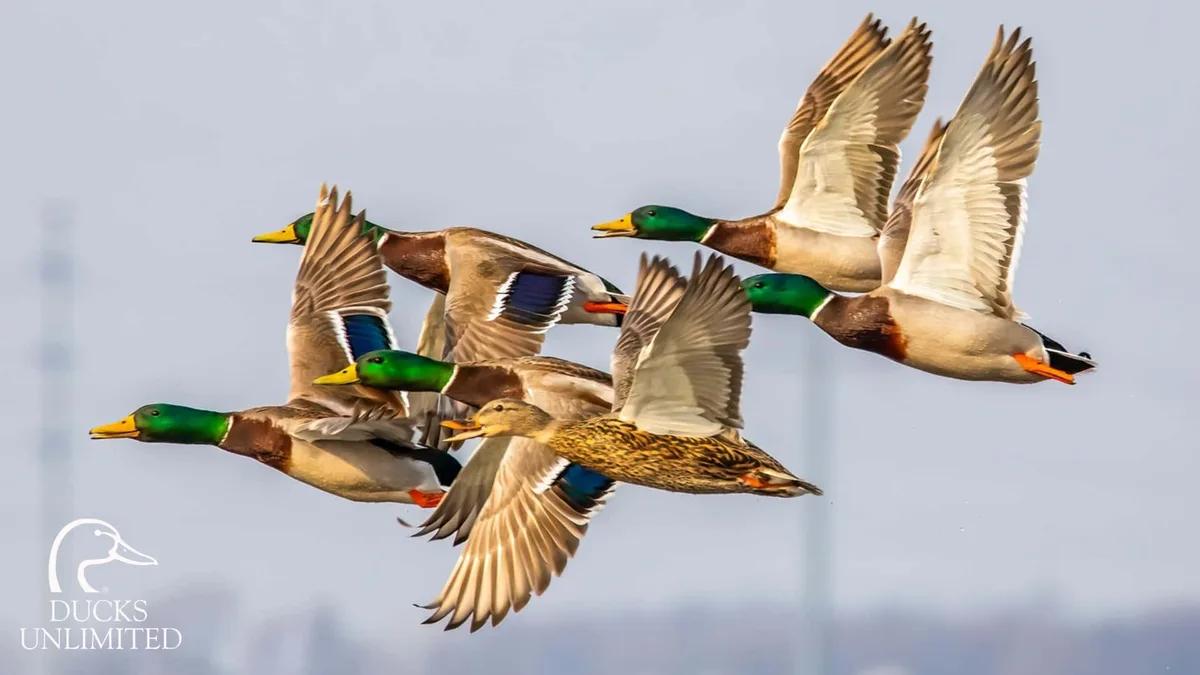
Image source: Bing (Web (fair-use with source credit))
Frequently Asked Questions
Can mallard ducks fly backward?
No, mallard ducks cannot fly backward. Their wing design and flapping motion are optimized for forward movement. While some birds can hover or fly sideways briefly, true backward flight isn't something mallards can do.
How long can a mallard duck fly without stopping?
During migration, mallards can fly for many hours straight, covering hundreds of miles in a day if conditions are right. They typically stop to rest and refuel periodically, rather than flying for days continuously.
Do mallard ducks fly faster in colder weather?
Colder air is denser, which can offer more lift, potentially allowing for slightly faster flight. However, wind conditions and the duck's immediate purpose (migration vs. escape) are far more significant factors in their speed. Severe cold can also increase energy expenditure.