How Big Can Macaws Get
You might be wondering just how large these magnificent birds, macaws, can truly get. They're not just big parrots; they're some of the largest flying parrots out there, and their size is a huge part of their appeal.
When you see one in person, it's genuinely breathtaking. Research indicates that the largest macaw species can boast wingspans of up to 4 feet, truly an impressive sight.
Quick Answer
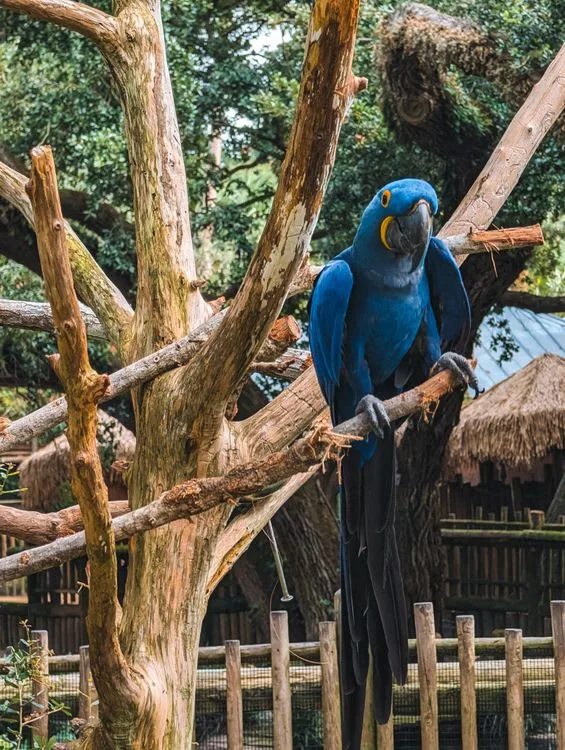
Macaws can get quite large, with the largest species reaching impressive sizes. The Hyacinth Macaw, the biggest parrot species, often has a wingspan of up to 4 feet. These birds can also be over 3 feet long from head to tail.
Which Macaws Are the Biggest Giants?
When we talk about macaws and their size, a few species stand out head and shoulders above the rest. These aren't just big birds; they're titans in the parrot world, commanding attention with their sheer scale. Understanding which ones are the biggest helps set expectations and appreciate the diversity within the macaw family.
It's like comparing a large dog breed to a small one; there's a significant difference.
Hyacinth Macaw: The Undisputed Champion
If you're asking about the absolute largest macaw, the Hyacinth Macaw (Anodorhynchus hyacinthinus) is your answer. This bird is often referred to as the "gentle giant" of the parrot world, and for good reason. It’s not just the largest macaw, but generally considered the largest parrot species on the planet.
Their impressive size is a defining characteristic that immediately sets them apart.
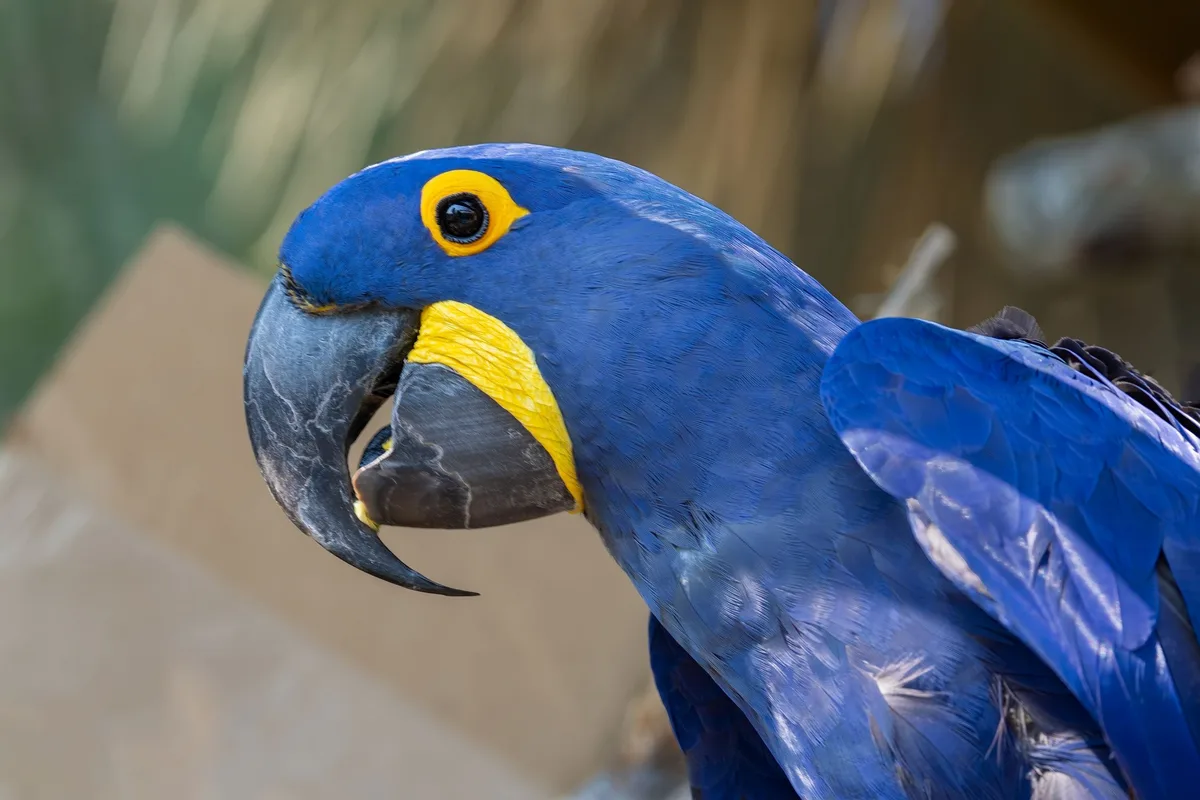
- Wingspan: This is where the Hyacinth Macaw truly shines. They can reach an astonishing wingspan of up to 4 feet (1.2 meters). Imagine that spread out, it's an incredible display of avian power.
- Length: Measuring from the top of their head down to the tip of their long tail feathers, Hyacinth Macaws can be around 3.3 feet (1 meter) long. That extensive tail adds a lot to their overall profile.
- Weight: They are also the heaviest macaws, typically weighing between 2.6 to 4 pounds (1.2 to 1.8 kg). This makes them substantial birds that require a firm grip.
Great Green Macaw: A Close Contender
Another contender for the title of "biggest macaw" is the Great Green Macaw (Ara ambiguus), also known as the Great Barras or Military Macaw. This species is incredibly striking and rivals the Hyacinth Macaw in sheer presence. While sometimes slightly smaller than the Hyacinth, they are still massive birds that can impress anyone.
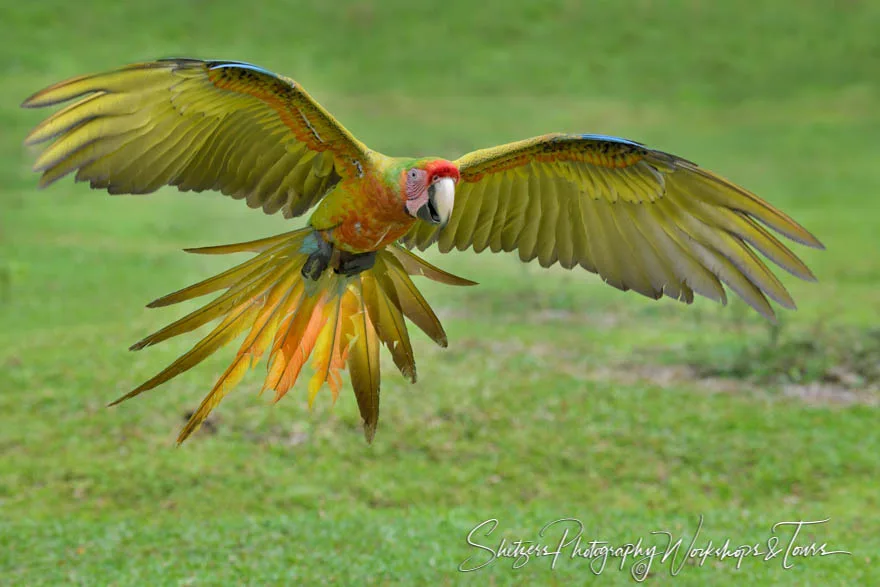
- Wingspan: The Great Green Macaw also boasts a remarkable wingspan, frequently reaching 3.5 to 4 feet (around 1.1 to 1.2 meters). They are built for soaring.
- Length: These macaws typically measure around 3 feet (0.9 meters) from head to tail. Their tail feathers, while long, might not quite match the extremes of the Hyacinth.
- Weight: Their weight usually falls in the 2 to 3.5 pound (0.9 to 1.6 kg) range, making them robust and solid birds.
Key Macaw Measurements Explained
When we talk about "how big" a macaw is, we're usually referring to a few key measurements. These specs give us a clear picture of their physical presence, and it's helpful to understand what each one means. They aren't just abstract numbers; they tell a story about the bird's capabilities and its place in its environment.
Wingspan: The Dramatic Spread
The wingspan is perhaps the most dramatic measure of a macaw's size. It's the distance from one wingtip to the other when the wings are fully extended. For macaws, this spread is incredible.
A larger wingspan allows for more powerful flight, better maneuverability, and helps them cover long distances more efficiently in their natural habitats. It’s a key indicator of their aerial prowess. As of 2026, manufacturer specifications for the largest species confirm these impressive spans.
Length: From Head to Tail Feathers
Macaw length is typically measured from the top of their head all the way down to the tip of their tail feathers. This measurement is important because macaws, especially larger species, have incredibly long tail feathers that contribute significantly to their overall length. This can make them appear much longer than their body size might suggest.
It's a striking visual feature that adds to their regal appearance.
Weight: The Heavyweight Factor
While wingspan and length are visually striking, weight gives you a sense of the bird's substance. A heavier bird often has a more robust build and requires more strength to fly and maneuver. The weight of macaws varies quite a bit by species, with the largest ones being quite hefty.
Understanding their weight is also crucial for anyone considering these birds as pets, as it impacts cage size, handling, and dietary needs.
Macaw Size vs. Other Parrots
When you look at macaws, you're looking at the upper echelon of parrot size. They are significantly larger than many other popular pet parrots, like African Greys or Amazona parrots. While those birds are certainly substantial, they don't quite reach the imposing scale of a Hyacinth or Great Green Macaw.
For instance, an African Grey typically weighs around 1 to 1.2 pounds, a fraction of what a large macaw weighs. This size difference impacts everything from their dietary requirements to the space they need.
Why Macaw Size Matters in Their Habitat
The impressive size of macaws isn't just for show; it's deeply tied to their survival and lifestyle in their natural environments, particularly the dense rainforests of South America. Their large wingspans are crucial for navigating the canopy and soaring over long distances between food sources. Their powerful beaks and larger bodies allow them to crack open tough nuts and seeds that other, smaller birds simply can't access, giving them a competitive edge.
This size also aids in predator detection; being large and high up in the trees can make it easier to spot threats approaching from the ground or air.
Macaw Size: Data and Real-World Examples
Understanding the sheer scale of macaws comes to life when you look at concrete data and imagine them in real-world scenarios. It's one thing to read "4 feet wingspan," but it’s another to picture that spread across a room. These figures aren't just abstract specifications; they translate into a tangible presence.
For example, a Hyacinth Macaw's wingspan can be wider than many average living room doorways.
Consider these comparative examples:
- Wingspan Comparison: A typical adult human male's wingspan is roughly equal to their height, usually around 5.5 to 6 feet. A Hyacinth Macaw's 4-foot wingspan means it can nearly span the distance from your elbow to your fingertip.
- Length Context: A large, adult male Great Dane dog typically measures about 30 inches (2.5 feet) at the shoulder. A 3-foot long macaw, with its flowing tail, easily dwarfs this canine in length.
- Weight Reality: A common house cat usually weighs between 8 to 10 pounds. A large macaw, topping out around 4 pounds, is still a significant weight, but its long body and broad wings make it appear much larger than its actual mass might suggest.
These comparisons help paint a clearer picture of the impressive physical dimensions these birds possess. Their size is a defining characteristic that demands respect and preparation, whether you're observing them in the wild or in a zoological setting.
Other Macaw Species: Still Big, But Not Giants
While the Hyacinth and Great Green Macaws are the undisputed titans, it’s important to remember that most other macaw species are still very large birds. When people ask "how big can macaws get," they might be thinking of these other popular species, which are still considerably larger than many other parrot breeds. These birds also possess impressive wingspans and lengths, making them truly magnificent companions or sights in the wild.
Scarlet Macaw (Ara macao): Often thought of as the quintessential macaw, Scarlet Macaws are vibrantly colored and substantial.
- Wingspan: Typically around 3 feet (0.9 meters).
- Length: They measure about 2.5 to 3 feet (0.75 to 0.9 meters), including their long tail feathers.
- Weight: They generally weigh between 2 to 3 pounds (0.9 to 1.4 kg).
Blue-and-Yellow Macaw (Ara ararauna): Also known as the Blue-and-Gold Macaw, this species is another large and popular bird.
- Wingspan: Similar to the Scarlet Macaw, usually around 3 feet (0.9 meters).
- Length: They are also in the 2.5 to 3 feet (0.75 to 0.9 meters) range.
- Weight: Their weight typically falls between 2 to 3 pounds (0.9 to 1.4 kg).
Even these "smaller" macaws are significant birds. Their size means they require spacious enclosures, a well-balanced diet, and plenty of mental stimulation. Their physical presence alone is awe-inspiring.
What Does Their Size Mean for Caregivers?
If you're contemplating having a macaw, or simply admire them, understanding their size is paramount. Their large dimensions have direct implications for everything from housing to handling and diet. It’s not a decision to be taken lightly, as their size translates into significant needs.
A macaw’s size means it requires a much larger cage than a smaller parrot species.
This means you need ample space in your home for their enclosure, often several feet wide, deep, and tall. Their strength also increases with size. A larger beak and stronger bite force mean potential for significant damage if they choose to bite, so proper handling and training are critical.
Their dietary needs are also greater due to their larger bodies, requiring more food overall. Aggregated owner feedback reports that the space and time commitment scales directly with their impressive size.
Frequently Asked Questions About Macaw Size
How long does a macaw live?
Macaws are known for their longevity. Depending on the species and care provided, they can live for 30 to 80 years or even longer in captivity, with some individuals reaching near-century milestones.
Are all macaws considered large birds?
Yes, all macaw species are considered large parrots. However, there's a notable size difference between the largest species like the Hyacinth Macaw and smaller ones like the Hahn's Macaw, though even the smaller macaws are still quite large compared to many other parrot types.
What is the smallest type of macaw?
The smallest macaw species is generally considered to be the Hahn's Macaw (Diopsittaca nobilis), which typically measures around 12 inches (30 cm) in length with a wingspan of about 18-20 inches. This is significantly smaller than the giants like the Hyacinth.
Does a macaw's size affect its temperament?
While size can influence a bird's physical needs and the impact of its actions (like a bite), temperament is largely influenced by individual personality, socialization, and training rather than solely by size. Large macaws can be as affectionate and gentle as smaller ones with proper handling.