Bird Facts for Kids
Learning bird facts for kids helps everyone understand how these creatures dominate almost every environment on the planet. From the freezing Arctic to sweltering jungles, birds have adapted unique features to survive and thrive.
As of 2026, scientific research confirms there are over 10,000 living species of birds worldwide. Their mastery of flight and specialized body structures set them apart from all other animals.
Quick Answer
Birds are warm-blooded animals covered in feathers. Most species are built for flight. They lay hard-shelled eggs in nests.
Beaks show what they eat. All birds are descendants of dinosaurs.
Why Birdwatching is the Ultimate Backyard Science Project
Birdwatching is one of the few science projects you can start right outside your front door. You don't need a lab or expensive equipment to observe real-world biological behaviors. It teaches you to spot patterns and notice small details in your local ecosystem.
When you track birds, you act as a field researcher. You record data about when birds appear, what they eat, and how they interact with each other. This practice builds patience and sharpens your observational skills.
The Cornell Lab of Ornithology provides extensive resources for young scientists to document their sightings. By keeping a log, you contribute to your own understanding of local biodiversity. You’ll learn how weather shifts and seasons change which birds visit your area.
Decoding the Superpowers of Feathers and Flight
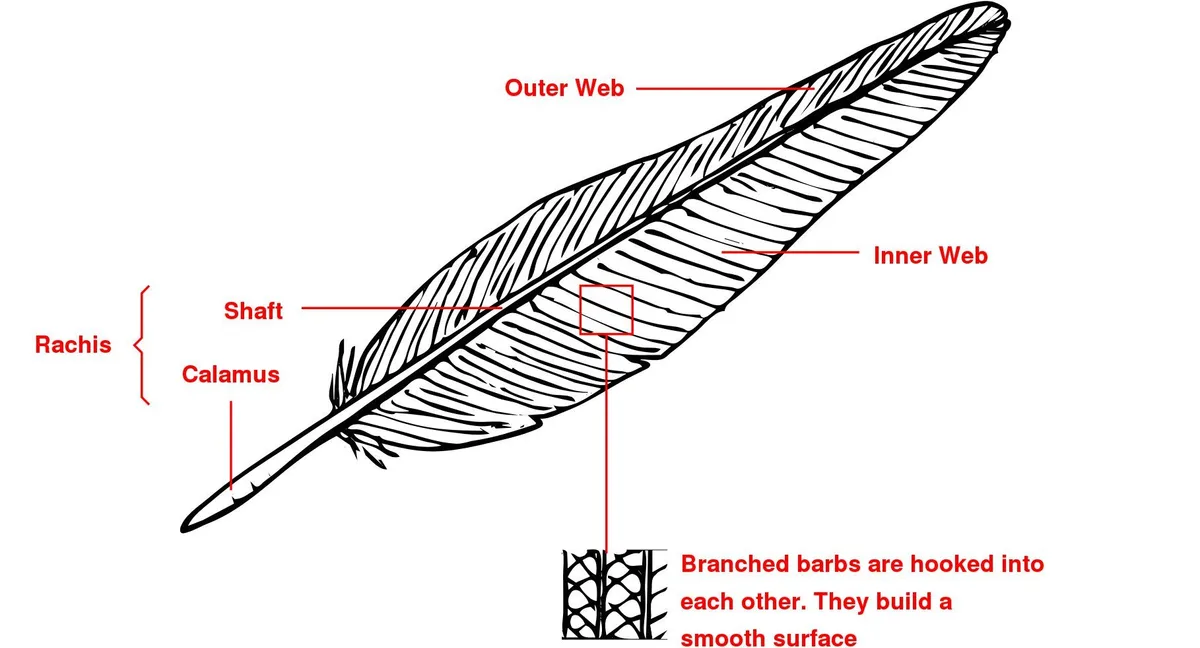
Image source: Bing (Web (fair-use with source credit))
Feathers are the most advanced biological technology in the animal kingdom. They aren't just for looking good. They are essential for insulation, flight, and protection against the elements.
Contour feathers provide the bird's shape and help it glide through the air. Down feathers sit underneath to trap body heat against the skin. This keeps birds warm even during winter.
Birds also maintain their feathers through a process called preening. They use a special gland near their tail to spread waterproof oil across their body. This keeps them dry during rain or while swimming.
- Pneumatized bones: Birds have hollow, light bones that reduce total body weight for flight.
- Air sacs: A specialized respiratory system allows birds to breathe efficiently while moving quickly.
- Keel bone: This large chest bone anchors the powerful muscles needed for flapping wings.
Nature’s Toolkit: How Beak Shapes Reveal What Birds Eat
A bird’s beak is like a built-in set of tools designed for a specific job. You can usually tell exactly what a bird eats just by looking at the shape of its mouth.
- The Hook: Birds like eagles use curved, sharp beaks to tear meat.
- The Straw: Hummingbirds use long, thin beaks to reach deep into flowers for nectar.
- The Cracker: Finches have thick, short beaks that act like pliers to break open hard seeds.
- The Sieve: Ducks have flat beaks with comb-like filters to catch food in murky water.
These adaptations allow birds to fill many different roles in nature. When you see a bird eating, look closely at its beak. It will tell you the story of its diet and habitat.
The Dinosaur Connection: Looking Beyond Modern Features
It might seem strange, but every bird you see is a modern dinosaur. Scientists classify them as part of the avian lineage of theropods. This group includes famous predators like the Velociraptor.
Evolutionary changes occurred over millions of years to turn heavy dinosaurs into agile fliers. They traded heavy teeth for lightweight, hard beaks. This weight reduction was necessary for sustained flight.
You can still see the dinosaur connection if you look at their legs. Birds have scales on their feet, just like reptiles. Many also share unique bone structures and egg-laying habits that trace directly back to their ancient ancestors.
How to Start Your First Birding Journal and Field Study
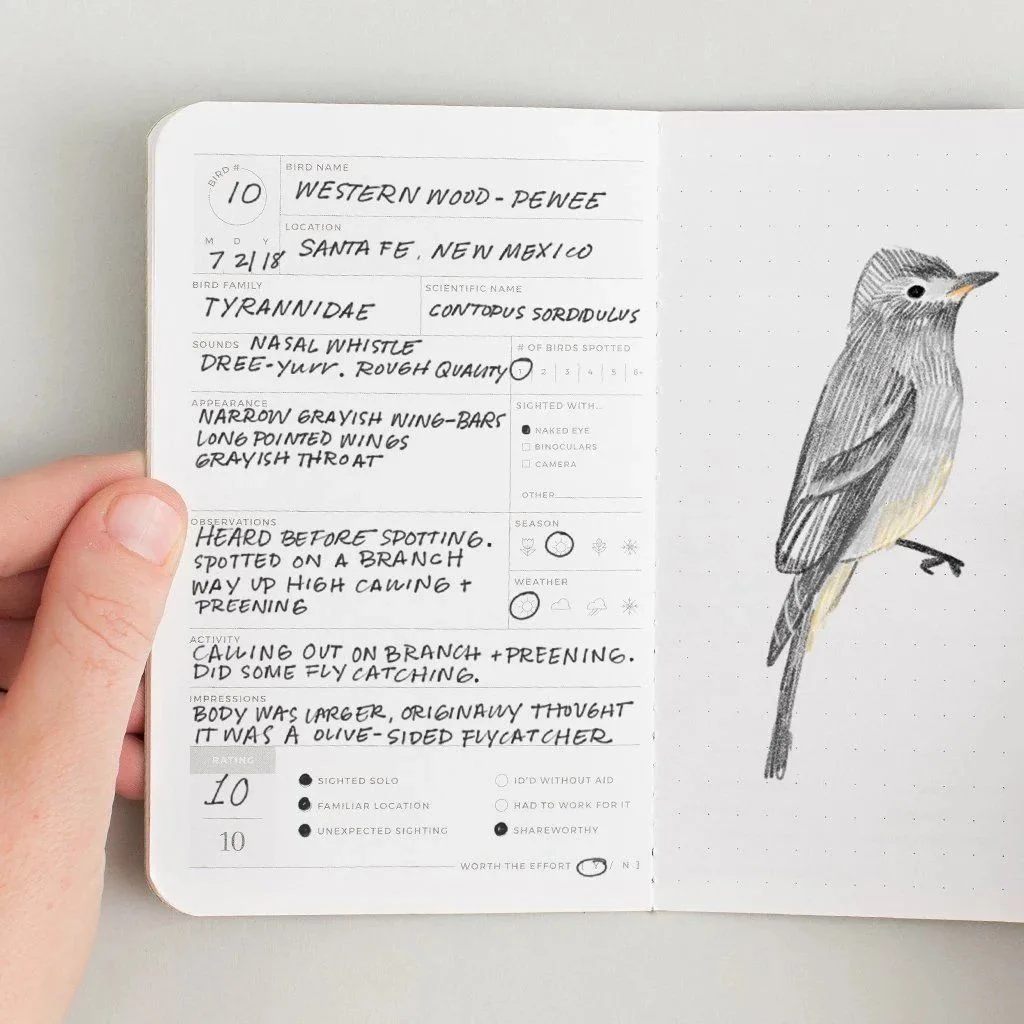
Image source: Bing (Web (fair-use with source credit))
Starting a birding journal helps you move from seeing to studying. You don't need a camera to be an expert. A simple notebook and a pencil are enough to track what you see in your neighborhood.
Begin by finding a quiet spot near a tree or a bird feeder. Stay very still and keep your voice low. Birds have excellent vision and will fly away if they detect fast movement.
Use the table below to organize your field notes each time you head outside.
| Field Data Point | What to Look For |
|---|---|
| Time of Day | Morning is usually the most active time for feeding. |
| Beak Shape | Is it thin for nectar or thick for seeds? |
| Flight Style | Does the bird soar, hover, or flap quickly? |
| Song/Call | Can you describe the sound with words? |
Once you log your observations, try to identify the bird using a regional field guide. If you are in the United States, the U.S. Fish and Wildlife Service offers information on native migratory species.
Comparing your sketch to official photos will help you confirm what you found.
Essential Safety Habits for Observing Wildlife Without Disturbance
You must always prioritize the bird's well-being over your own curiosity. If you get too close, you risk causing birds to abandon their nests or stop feeding their young. This behavior can be fatal during nesting season.
Keep a respectful distance at all times. If a bird stops what it is doing and stares directly at you, you are too close. Back away slowly until the bird resumes its normal activities.
Use binoculars to get a closer look instead of moving your feet. This tool allows you to observe natural behaviors from far enough away that the bird feels safe. Remember that birds are most sensitive to human presence near nesting sites or during cold weather.
Follow the Leave No Trace principles to protect the environment. Keep your noise levels down, stay on marked trails, and never leave trash behind. You are a guest in their home, so leave the habitat exactly as you found it.
Frequently Asked Questions About Bird Behavior and Biology
How do birds fly without getting tired?
Birds have a unique one-way breathing system that allows them to take in oxygen constantly. Their hollow bones also make them extremely light, reducing the energy needed for lift. This system keeps their muscles fueled even during long migrations.
Why do birds sing in the morning?
Birds sing early in the day to mark their territory and attract mates. The air is typically calmer in the morning, which helps their songs carry further across the landscape. This is often called the dawn chorus.
What is the difference between a nestling and a fledgling?
A nestling is a baby bird that is still too young to leave the nest and lacks full feathers. A fledgling has grown its flight feathers and is learning to hop and glide. You should never pick up a fledgling unless it is clearly injured or in immediate danger.
How can I make my yard better for birds?
You can provide fresh water in a birdbath and plant native bushes that offer seeds or berries. Avoid using harsh chemicals in your garden, as these can harm the insects birds need for food. A bird-friendly yard provides both safety and nutrition.
Do birds have teeth?
Modern birds do not have teeth. They evolved to have hard, lightweight beaks instead. They swallow food whole or tear it into smaller pieces, letting their gizzard grind up the food inside their stomachs.